
Water and wastewater utilities are finding themselves faced with unprecedented conditions. Aging infrastructure, evolving regulations, climate pressures, and limited funding are no longer just isolated issues, but instead are interconnected barriers that threaten a system’s reliability and resiliency.
In this time of increased challenges, utilities need more than just reactive fixes or short-term capital improvement plans. They need a smarter, more strategic approach. This is where Capital Efficiency Planning is transforming the industry.
Breaking the Cycle: Aging Infrastructure and Reactive Spending
The biggest barrier when it comes to building resilient water and wastewater systems is the cycle of reactive spending, fueled by two persistent challenges: rapidly aging infrastructure and limited funding.
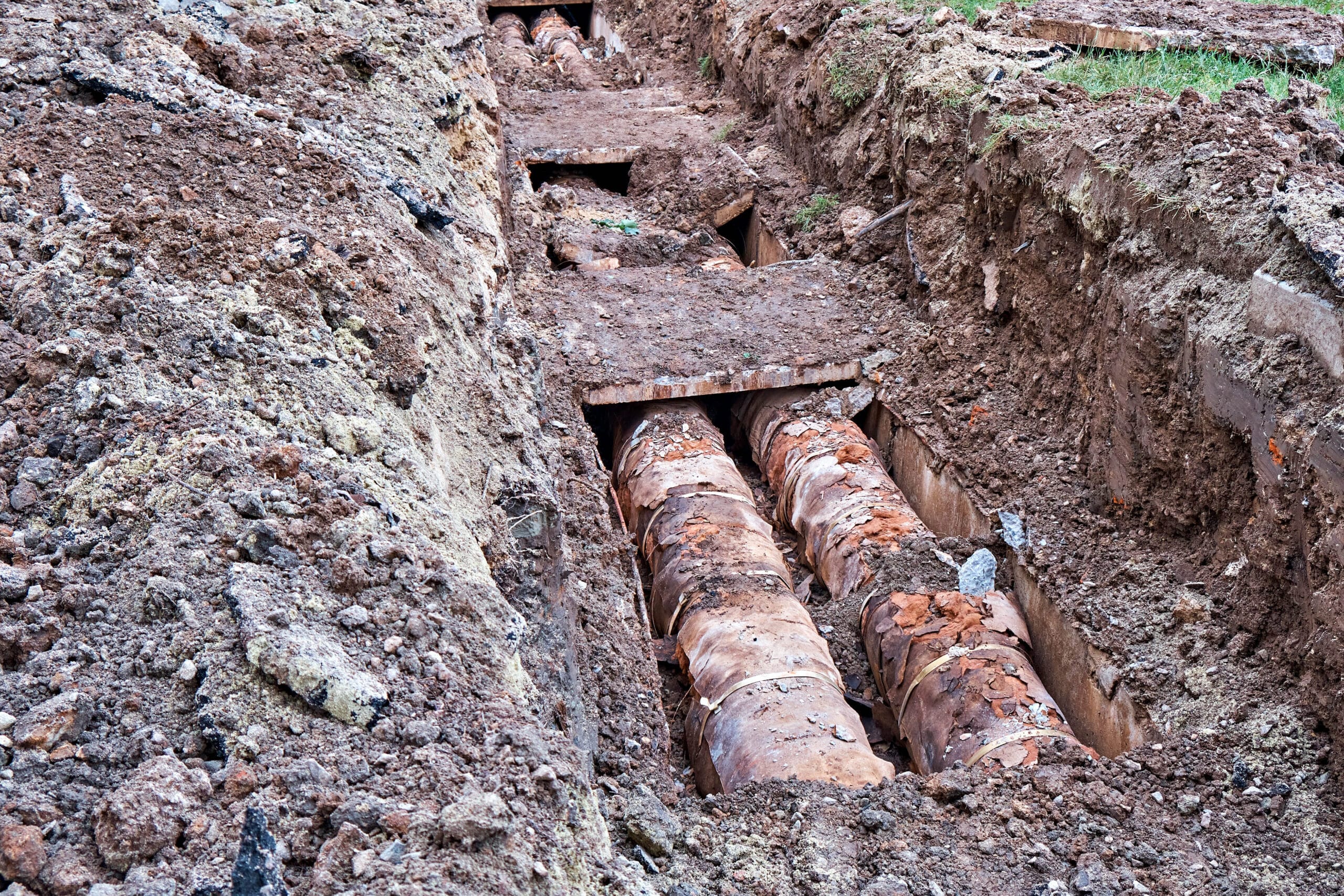
Much of the nation’s water infrastructure was built in the mid-20th century and is now well beyond its intended lifespan. As a result, delayed maintenance, emergency repairs, and piecemeal upgrades have become the norm rather than the exception. The outcome? A cycle of inefficiency with unexpected failures leading to expensive emergency fixes and further strain on already limited budgets.
At the same time, funding uncertainty and political pressures around rate increases make it incredibly difficult to plan, let alone with confidence. Capital dollars are constantly competing with operational demands, and without a clear, data-driven strategy, utilities become trapped in a reactive cycle rather than improvement. This pattern doesn’t just strain finances, but also jeopardizes the reliability of the system and public trust. The real challenge is not just fixing problems as they arise, but preventing them in a way that is both financially sustainable and operationally resilient.
From Reactive to Proactive: the Capital Efficiency Plan (CEP) Advantage
One of the most critical aspects of CEPs is their ability to transform utility efforts from reactive to proactive.
Traditional capital improvement plans (CIPs) focus on near-term needs, often spanning between five to ten years and prioritizing projects based on immediate concerns. While CIPs are incredibly useful, they can often fall short when it comes to building long-term resilience and financial sustainability.
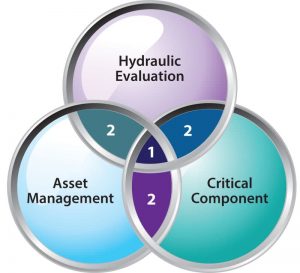
CEPs take a broader and more integrated approach. Rather than simply identifying projects, at Tata & Howard our CEP methodology mimics a Venn diagram with three sets of evaluation criteria:
- Hydraulic Modeling: helps utilities understand how their systems perform under current and future demands, identifies deficiencies, and validates model data
- Critical Component Assessment: evaluates assets that serve essential functions and whose failure would significantly impact performance
- Asset Management Scoring: assigns risk scores based on their current conditions to determine if repair or replacement is required
By combining these elements, our methodology allows utilities to prioritize their efforts and investments based on risk, asset condition, and long-term value. Instead of chasing failures, utilities can anticipate and prevent them.

Doing More with Limited Budgets
Budget constraints remain one of the most significant pain points for utilities. Even when the need for investment is clear, funding is often insufficient or uncertain. This makes it increasingly difficult for utilities to address aging infrastructure while also preparing for future challenges.
CEPs help utilities make the most out of every dollar. By evaluating the full lifecycle cost of assets and identifying the most cost-effective interventions — whether rehabilitation, replacement, or operational improvements — CEPs ensure that capital is allocated where it will have the greatest impact.
This more disciplined approach allows utilities to stretch their limited budgets even further while still improving their system’s performance and reliability. With limited budgets, that efficiency is essential to building resilience.
Where Resilience Meets Financial Strategy
Resiliency is not just an engineering challenge, but also a financial one. A system cannot be considered resilient if its capital plan is not financially sustainable.
CEPs integrate financial planning directly into the capital decision-making process. They evaluate funding scenarios, rate impacts, and financing strategies alongside infrastructure needs, creating a blueprint for balancing technical priorities with fiscal responsibility.
This integration is critical. It allows utilities to plan for the future with confidence, ensuring that necessary investments are both achievable and sustainable. It also helps avoid the risk of overextension, where ambitious plans can fall short due to lack of funding.

Building Systems That Can Adapt and Endure
For a system to be resilient, it must not only be robust, but also adaptable. As climate patterns shift, regulations evolve, and communities grow, it’s critical for water and wastewater infrastructure to be able to respond to changing conditions.
CEPs support this adaptability by taking a long-term, flexible approach to planning. CEPs consider future scenarios, incorporate new data over time, and allow utilities to adjust their strategies as these conditions change.
This forward-thinking perspective ensures that the investments made today will continue to deliver value in the future.
A Blueprint for Resilience
CEPs effectively break reactive cycles by putting resiliency at the forefront of decision-making and are fundamental to long-term performance and efficiency. By prioritizing investments based on risk, asset condition, and long-term value, CEPs enable utilities to shift from emergency response to proactive system management. They reduce lifecycle costs, optimize capital spending, and create a more predictable and data-driven investment strategy.
Most importantly, they allow utilities to move beyond short-term fixes and toward a sustainable approach that strengthens infrastructure, protects budgets, and ensures reliable service for the future.
 Tata & Howard, Inc., a 100% employee-owned water engineering firm, is pleased to announce the relocation of its Connecticut office to Shelton, Connecticut. The move reflects the firm’s continued growth in the region and its commitment to providing a modern, collaborative environment for employee-owners and clients alike.