
Advanced Condition Assessment for Pipeline Rehabilitation
Understanding the true condition of buried infrastructure is critical to making informed rehabilitation and replacement decisions. At Tata & Howard, our advanced condition assessment methods provide utilities with valuable insight into the quality, reliability, and remaining service life of water distribution system assets.
Since 2007, Tata & Howard has evaluated cast iron water main samples for utilities throughout Massachusetts and Connecticut as part of rehabilitation, replacement, and failure investigations. Through decades of research and field experience, T&H has become a recognized leader in condition assessment methods for water distribution system pipe assets.
Smarter Decisions for Rehabilitation & Replacement
Replacing water mains too early can waste valuable capital. Waiting too long can increase the risk of costly failures and service disruptions. Advanced condition assessment bridges this gap by helping utilities make data-driven infrastructure decisions based on actual pipe condition, not age alone.
 Our evaluations help utilities:
- Prioritize rehabilitation and replacement projects
- Improve reliability and system performance
- Reduce the risk of unexpected failures
- Allocate capital more efficiently
- Support long-term asset management planning
In many cases, our assessments have shown that older pipe may still have substantial remaining strength and service life, allowing utilities to maximize the value of existing infrastructure investments.
A Proven, Research-Driven Approach
Tata & Howard’s condition assessment methodology combines field evaluation, laboratory testing, and engineering analysis to provide a comprehensive understanding of pipeline condition.
Our process includes evaluation of:
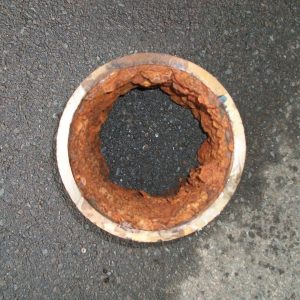
- External corrosion
- Internal corrosion
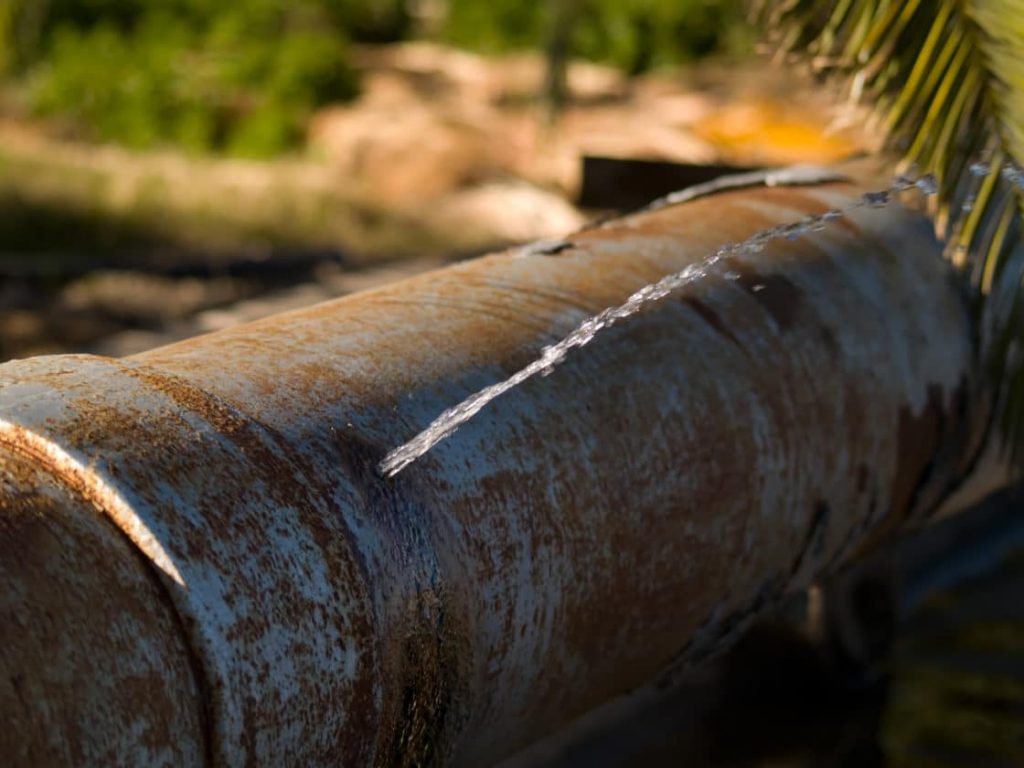
- Wall perforation
- Air inclusions
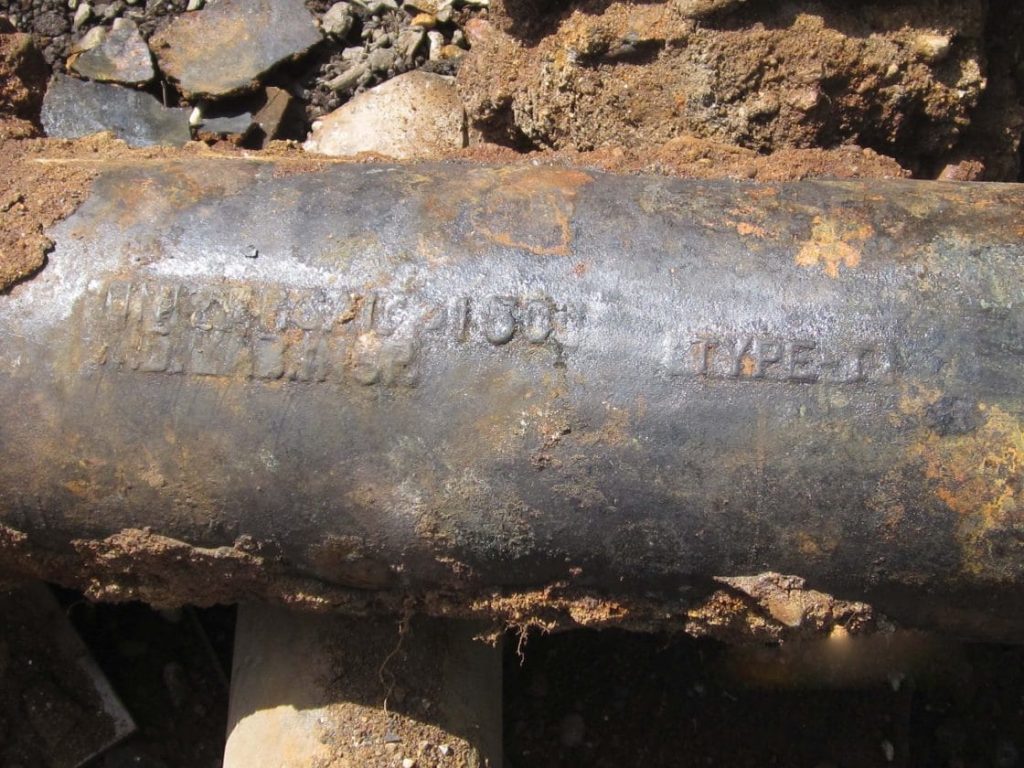
- Pipe stamps and manufacturing details
- Remaining wall thickness
- Remaining factor of safety (FOS)
Pipe samples are subjected to controlled load testing to determine the force required to cause failure, allowing us to estimate the remaining structural capacity of the pipe.
The Remaining Factor of Safety
Historically, cast iron pipe manufacturers incorporated a 2.5 minimum factor of safety into pipe design. Tata & Howard compares the manufacturer’s original factor of safety to measured crushing loads obtained during testing to estimate the remaining factor of safety of existing water mains.
This information helps utilities determine whether a pipe segment is a strong candidate for:
- Rehabilitation and lining
- Continued monitoring
- Scheduled replacement
- Immediate replacement due to structural concerns
By making these decisions in the field during rehabilitation programs, utilities can improve both operational efficiency and capital planning.
Integrated Asset Management Support
Condition assessment is most valuable when integrated into a broader asset management strategy. Tata & Howard incorporates condition assessment data into:
- Capital Efficiency Plans
- Asset management programs
- Hydraulic evaluations
- Water main rehabilitation planning
- Long-term capital improvement planning
This integrated approach helps communities identify high-risk infrastructure, prioritize investments, and maximize the useful life of existing assets.
Delivering Long-Term Value
Advanced condition assessment provides utilities with more than just pipe data; it provides confidence. By understanding the true condition of buried infrastructure, communities can make proactive, cost-effective decisions that improve reliability while minimizing unnecessary replacement costs.
At Tata & Howard, we help utilities move beyond assumptions and toward smarter infrastructure management.
Let’s Talk Infrastructure
Whether you are planning a rehabilitation program, evaluating aging infrastructure, or developing a long-term asset management strategy, Tata & Howard can help.
Contact us today to learn more about our advanced pipeline condition assessment services.