7 Tips to Weather the Winter — Water-Wisely!

Winter has descended in full force, and with it comes blizzards, nor’easters, and every other type of snowstorm. It also brings the potential for some serious water pollution. While managing the ever-growing blanket of snow and ice this winter, be sure to keep these tips in mind in order to protect our water supply and environment.

  1. shoveling_snowShovel early and often. While this may not seem like much of a pollution deterrent, it actually makes a huge difference. Removing the bulk of snow before it is allowed to freeze greatly reduces the amount of deicing products needing to be applied. Consider utilizing a garden hoe to remove that last pesky layer of ice.
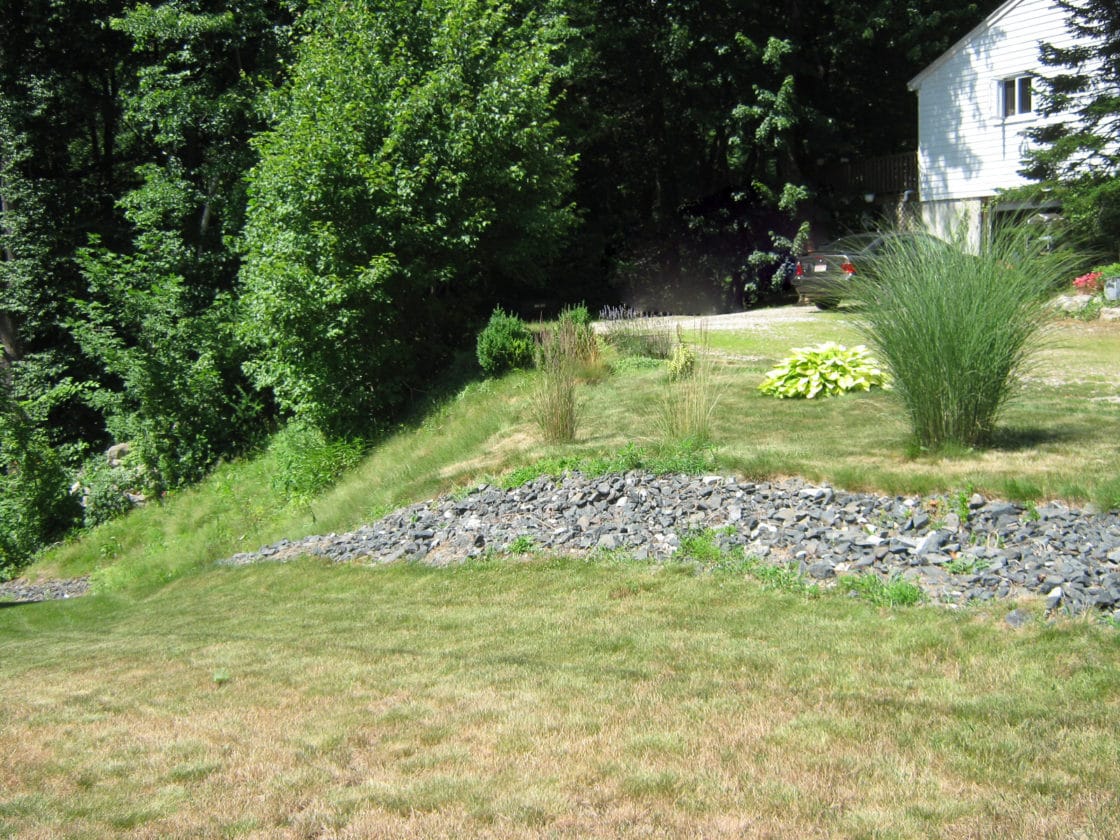
  2. Dispose of all of that shoveled snow in vegetated areas, and avoid shoveling into streets or waterways. Snow that is shoveled into the street has nowhere to go but into storm drains and streams, picking up pollutants along the way. However, snow disposed of in vegetated areas will soak into the ground, reducing the amount of polluted runoff entering waterways. The ideal place to dispose of snow is in a rain garden.
  3. Avoid using deicers such as rock salt as much as possible. When winter ends and all of the snow and ice starts to melt, the remaining salt finds its way into storm drains and streams, and enters our drinking water supply untreated. Rock salt wreaks havoc on aquatic life and can cause dead zones at the bottom of lakes and reservoirs. Because it is so widely used, northern water bodies are becoming increasingly overloaded with salt, and the cleanup is both expensive and energy-intensive. In addition to polluting the environment, salt deteriorates pavement and concrete, corrodes vehicles, and leaches into soil, which changes soil composition and inhibits plant growth. It is also detrimental to pets’ health when ingested and paws when walked upon. Other deicers such as calcium chloride, potassium chloride, and acetates do not contain salt and are a better option, but should still be used only very sparingly, as they still have a detrimental effect on the environment.
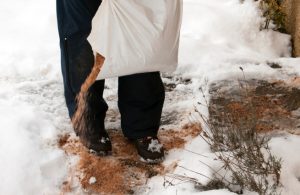
  4. sanding_icy_drivewayUse only the smallest amounts of sand required for traction control. While admittedly a better option than deicing products, sand has the potential to cause environmental damage as well. Sand can clog storm drains, causing flooding. It can also enter surface waters, clouding the water, burying the ocean floor, and filling in habitats. Due to these environmental concerns, sand should be used only sparingly on icy surfaces and should be swept up promptly at the first sign of spring. Sawdust is an alternative option for traction control that causes less pollution. Still, it should also be swept promptly in the spring.
  5. Pick up pet waste regularly. It can be tough to get motivated to pick up Fido’s waste when the windchill is sub-zero. However, pet waste is loaded with bacteria that enters our waterways through runoff at the first thaw. Don’t wait until spring to clean up after your pets. A little proactive prevention really helps to preserve the integrity of our drinking water supply.

  6. commercial_car_washChoose a commercial car wash facility over washing your car at home. While those warm winter days may entice you to break out the garden hose and bucket, the residual water has nowhere to go but down the driveway, particularly when there is a lot of snow cover. Bringing with it soap, dirt, and pollutants along the way, this water enters storm drains and waterways untreated. The Clean Water Act requires that car washes to pipe their used wash water directly to water treatment plants or into state-approved drainage facilities specifically designed to protect the environment. In addition, a commercial car wash uses about half the water used during a home wash. The negligible cost of a commercial car wash is well worth the benefit to the environment.
  7. Dispose of ashes from heating stoves properly. Wood ash contains many elements that can be beneficial to gardens including potassium, calcium, sodium, magnesium, and phosphorus. Therefore, composting wood ash is acceptable. However, coal ash absolutely must be disposed of at a landfill or ash recycling center. Coal ash contains elements such as cobalt, boron, and arsenic, which are toxic to people, animals, plants, and our waterways.
EPA Anticipates MS4 Permit to be Released in January 2016

On December 2, EPA and MassDep held a briefing at the State House to update legislators on MS4 permits. EPA stated that they anticipate the permit will be released as early as mid-January 2016.

ms4_permitThe December 2 briefing held at the State House was co-hosted by legislators Carolyn Dykema, State Representative for the Massachusetts 8th Middlesex District and Jamie Eldridge, Massachusetts State Senator representing the Middlesex and Worcester Districts. Jennifer Pederson, Executive Director for Massachusetts Water Works Association, was also in attendance.

The draft permit received over 1,400 comments to which EPA is in the process of responding. Key points include the following:

  • Timing: EPA is looking at spreading out the time frames for compliance. The permit will not be effective on the date it is issued; rather, it will likely be effective six months from the date of issue while also giving permittees 90 days to submit as well as providing more time on the illicit discharge program;
  • Requirements: EPA is working to realign their requirements with state stormwater standards;
  • Training: EPA is working on tools and templates to help with communication and required training, and will be holding several workshops when the permit is released;
  • Cost: EPA is looking for ways to reduce costs to permittees and indicated there would likely be different cost estimates in the final permit compared to the draft permit;
  • Credit for Previous Tasks: EPA intends to give credit for tasks that were completed under the existing MS4 permit so that permittees will not have to repeat tasks.

The legislators in attendance expressed their concern over the costs to their communities to comply, particularly since their towns’ estimated costs for compliance were considerably higher than what EPA originally stated. While EPA said that costs could potentially be adjusted once the permit was released, they also affirmed that costs to communities with TMDLs or impaired waters would be significantly higher in order to sufficiently address water quality issues. However, EPA also stressed that the impending permit is strictly for planning purposes and will not require construction of Best Management Practices.

MassDEP noted that they are currently reviewing all changes that EPA proposes to make to the permit. DEP is particularly interested in seeing if comments that MassDEP Commissioner Marty Suuberg had previously submitted on the draft have been incorporated into the final permit.

Please feel free to contact us with any additional questions on the impending MS4 Permit.

To learn about our stormwater services, please click here.

EPA Provides New England with over $165 Million for Water Infrastructure Projects


606px-Environmental_Protection_Agency_logo.svgThe U.S. Environmental Protection Agency (EPA) has awarded funds to all six New England states to help finance improvements to water projects that are essential to protecting public health and the environment. The funds will be primarily used to upgrade sewage plants and drinking water systems, as well as replacing aging infrastructure, throughout the state. Awards were made to the Clean Water State Revolving Fund (CWSRF) program in each state, which provides low-interest loans for water quality protection projects to make improvements to wastewater treatment systems, control pollution from stormwater runoff, and protect sensitive water bodies and estuaries; and to the Drinking Water State Revolving Fund (DWSRF) program in each state, which provides low-interest loans to finance improvements to drinking water systems, with a particular focus on providing funds to small and disadvantaged communities and to programs that encourage pollution prevention as a tool for ensuring safe drinking water.

The awards are as follows:

  • Connecticut: $26 million — $17.1 million CWSRF, $8.9 million DWSRF
  • Maine: $19.6 million — $10.8 million CWSRF, $8.8 million DWSRF
  • Massachusetts: $63.7 million — $47.4 million CWSRF, $16.3 million DWSRF
  • New Hampshire: $22.7 million — $13.9 million CWSRF, $8.8 million DWSRF
  • Rhode Island: $18.2 million — $9.4 million CWSRF, $8.8 million DWSRF
  • Vermont: $15.6 million — $6.8 million CWSRF, $8.8 million DWSRF

Since the beginning of this program, EPA has awarded approximately $4.554 billion to New England states for the construction, expansion, and upgrading of clean water infrastructure resulting in decreased pollution entering waterbodies throughout the state.

As communities develop and climate patterns shift, water infrastructure needs are expected to grow. Green infrastructure is a cost-effective and resilient approach to water infrastructure needs that provides benefits to communities across the nation.

Tata & Howard Receives Presidential Sponsorship Award from MWWA

Tata & Howard Receives Presidential Sponsorship Award from MWWA

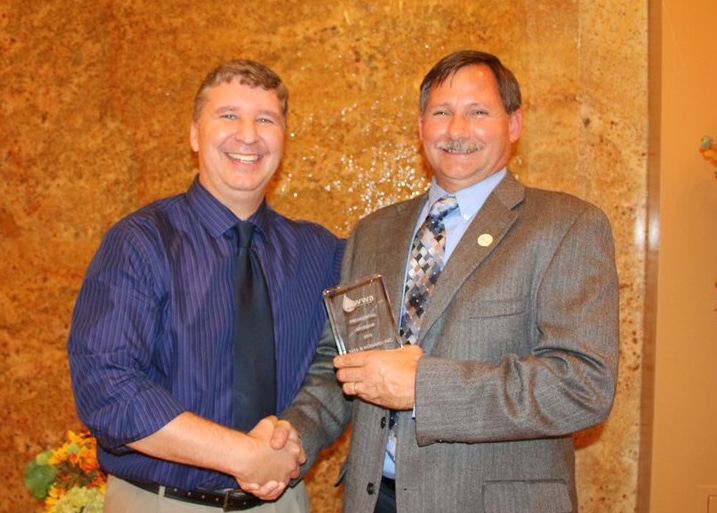
Tata & Howard received the Presidential Sponsorship Award from the Massachusetts Water Works Association (MWWA) during its Annual Meeting & Awards Banquet held at Devens Common Center in Devens, MA on November 6. The award recognizes the firm for its exceptional and ongoing contribution to MWWA.

mwwa_sponsor
Patrick S. O’Neale, P.E., Vice President, at right, accepts the award from MWWA President Randy Swigor

Also at the Annual Meeting and Awards Banquet, Patrick S. O’Neale, P.E., Vice President of Tata & Howard, was elected to the MWWA Board of Directors, where he will start as Third Trustee and move up the Board year to year until he serves as President in 2021.

“I am humbled to accept the Presidential Sponsorship Award on behalf of Tata & Howard and to be elected to the Board,” said Mr. O’Neale. “I welcome the opportunity to assist in the guidance of MWWA in its continued commitment to the drinking water profession.”

Mr. O’Neale has also been a member of the Program Committee for five years and currently serves as co-chair.

In addition, Paul B. Howard, P.E., Senior Vice President and co-founder of Tata & Howard, served as President of MWWA in 2009, and currently serves on both the Legislative and Finance Committees.

“Tata & Howard commends MWWA’s commitment to the protection of public health in Massachusetts through a safe and sufficient drinking water supply, and we are honored to support such a worthy organization,” added Mr. Howard.

Tata & Howard has supported MWWA as an annual Presidential Sponsor since 2008.

Tata & Howard marks one-year anniversary of ESOP formation

Tata & Howard marks one-year anniversary of ESOP formation

With October being Employee Ownership Month as well as the one-year anniversary, Tata & Howard employee-owners participate in a month-long celebration

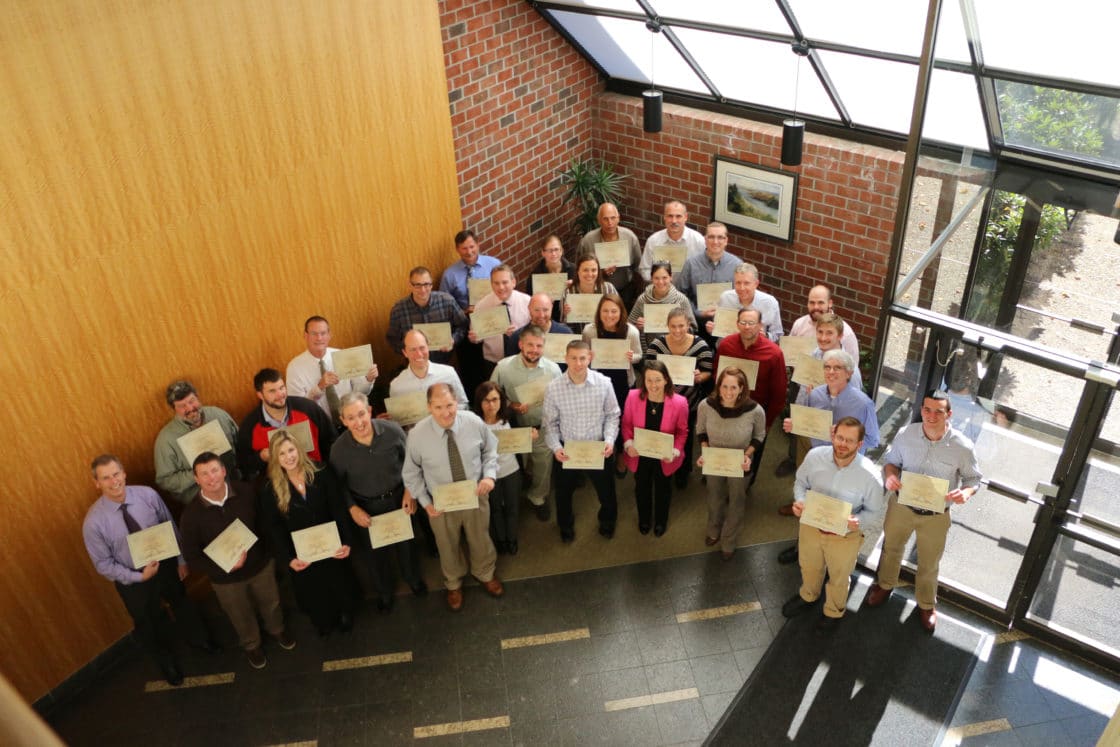
T&H employee-owners received their first share certificates on October 19, 2015

October 28, 2015Tata & Howard is celebrating their one-year anniversary since forming an Employee Stock Ownership Plan (ESOP) this month. In addition, the niche water engineering firm celebrated their 23rd company anniversary this October, which is also Employee Ownership Month.

“We have a strong belief that being an ESOP creates a sense of pride in ownership,” said Don Tata, P.E., President of Tata & Howard. “The benefits associated with employee-ownership impel all of us to deliver the absolute best client service combined with the highest quality technical expertise to every single project. Every eligible employee has a tangible stake in the company and can now share in the satisfaction and reward of ownership.”

Employee-owners have been celebrating the anniversaries as well as Employee Ownership Month with a full month of festivities including both educational and fun activities, and all beneficial owners received their first stock certificates. The month-long celebration will culminate this week with the awarding of prizes, the unveiling of the company’s official ESOP slogan, and an evening bowling event that will include Harpoon Brewery’s EHOP beer. Based in Boston, Massachusetts, Harpoon Brewery also became an ESOP in 2014, and they celebrated Employee Ownership Month along with fellow ESOP brewer Deschutes Brewery of Oregon by brewing the limited edition amber ale using employee-grown hops, or EHOPs.

An ESOP is a program that provides a company’s workforce with an ownership interest at no up-front cost to employees. ESOPs are implemented for different purposes, often as a way to provide for the future transfer of ownership of a successful, private company from owners to employees. Because all eligible employees are owners, they have increased rights and responsibilities, such as the opportunity to provide strategic input, the right to be informed about the financial health of the company, and the responsibility to provide the highest quality work.

Although now an ESOP, Tata & Howard upholds the same core values of teamwork, efficient solutions, client satisfaction, integrity, and positive attitude that form its cornerstone, and employee-owners still enjoy the freedom to focus on other values such as philanthropy, wellness, and environmentalism. As an example, the company issued a challenge to collect 350 pounds of food for the Greater Boston Food Bank in the month of October, and employee-owners have already surpassed that number.

“We firmly believe that our positive, team-oriented culture has been strengthened by the implementation of the ESOP,” added Karen Gracey, P.E., Vice President. “A company made up entirely of owners who care deeply about their work is a powerful force in the marketplace, and one of which I am proud to be a part.”

About Tata & Howard’s ESOP

According to the National ESOP Association, there are approximately 10,000 ESOPs in place in the U.S., of which only 4,000 are 100% owned by the ESOP. Tata & Howard employees own 100% of the company through their ESOP, making the company part of an elite minority of 100% employee-owned companies. All Tata & Howard employees, regardless of level, are eligible to participate in the ESOP as long as they are 21 years of age, have completed one year of service, and work at least 1,000 hours annually. For more information on the ESOP Association or Employee Ownership Month, visit www.esopassociation.org.

T&H Honored with NEWWA’s Sponsor of the Year Award

T&H Honored with NEWWA’s Sponsor of the Year Award

tata_howard_award
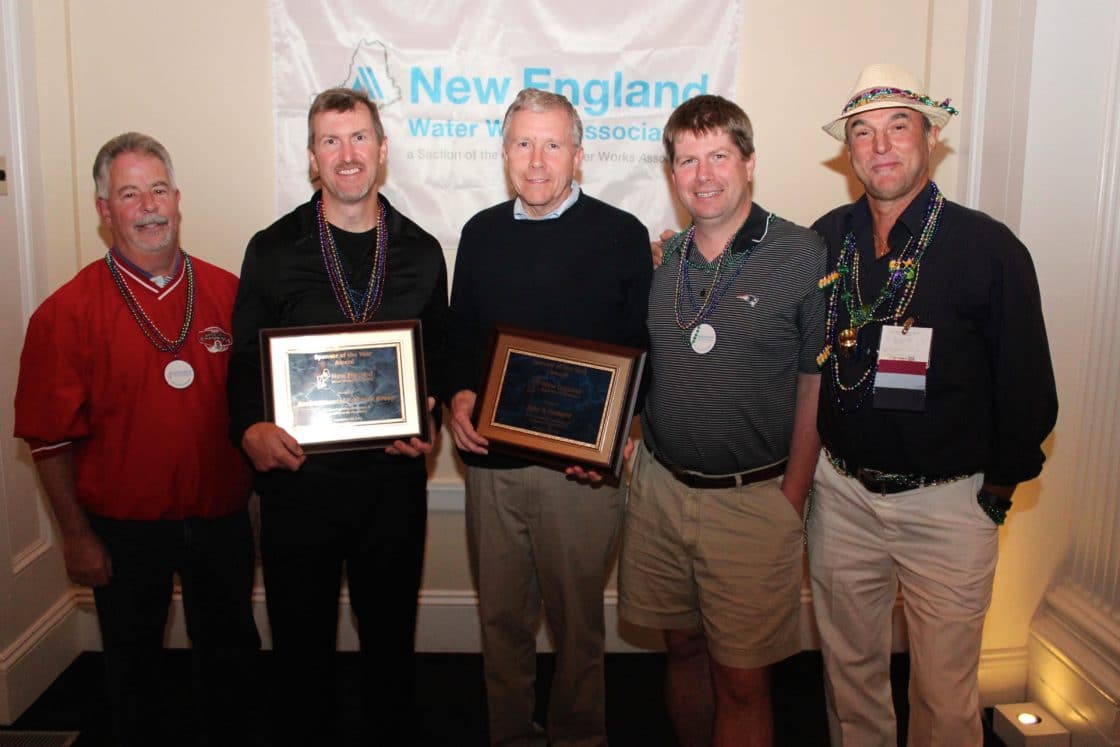
Associate Paul E. Cote, P.E., pictured center, accepts the award for Sponsor of the Year at the NEWWA Annual Conference on September 20, 2015.

Tata & Howard was honored with the 2015 Sponsor of the Year Award from the New England Water Works Association (NEWWA), the region’s largest and oldest not-for-profit organization of water works professionals.

“This award recognizes Tata & Howard’s significant, long-term support of the association through the volunteer services of employees, participation in committees and programs, financial support of various activities, and major contributions to fund-raisers,” said Raymond J. Raposa, NEWWA executive director.

This year, Tata & Howard was a Gold level annual sponsor of NEWWA’s major events. T&H has also been sponsor of the Annual Golf Classic since its inception in 1993 and has also been a consecutive Spring Conference exhibitor. In addition, T&H has supported NEWWA’s publications through advertising in the Source Newsletter, Member Roster, and the Journal.

A member of New England Water Works Association since 2004, many Tata & Howard employees have held positions of leadership and served on NEWWA Committees. Thomas R. Morgan, P.E., BCEE, Client Service Specialist, is chair of the Innovations Committee, member of the Program Committee, and a winner of the prestigious Fuller Award. Vice President Karen L. Gracey, P.E., is also a member of the Program Committee.

Vice President and National Director of Business Practices James J. Courchaine, Associate Paul E. Cote, and Thomas R. Morgan accepted the award at NEWWA’s 2015 Annual Conference on September 20, 2015.

Tata & Howard of Marlborough Honored by the New England Water Works Association

Tata & Howard of Marlborough Honored by the New England Water Works Association

HOLLISTON – Tata & Howard Inc. of Marlborough received the 2015 Sponsor of the Year Award from the New England Water Works Association (NEWWA), the region’s largest and oldest not-for-profit organization of water works professionals.

tata_howard_award
Associate Paul E. Cote, P.E., pictured center, accepts the award for Sponsor of the Year at the NEWWA Annual Conference on September 20, 2015.

“This award recognizes Tata & Howard’s significant, long-term support of the association through the volunteer services of employees, participation in committees and programs, financial support of various activities, and major contributions to fund-raisers,” said Raymond J. Raposa, NEWWA executive director.

Tata & Howard is a specialized water, wastewater, stormwater, and environmental services consulting engineering firm dedicated to consistently delivering cost-effective, innovative project solutions. Tata & Howard provides a full range of environmental engineering services, including reports, design, construction administration, and resident observation. Their targeted expertise includes hydraulic modeling, asset management, treatment, water supply and distribution, stormwater management, wastewater collection systems, funding assistance, permitting, and dam engineering.

This year the firm was a Gold level annual sponsor of the association’s major events. Tata & Howard has been sponsor of the Annual Golf Classic since its inception in 1993. The firm has supported NEWWA’s publications through advertising in the Source Newsletter, Member Roster, and the Journal. The firm has also been a consecutive Spring Conference exhibitor.

A member of New England Water Works Association since 2004, a high percentage of Tata & Howard employees have held leadership positions and served on NEWWA Committees. Thomas R. Morgan, P.E., BCEE, Client Service Specialist, is chair of the Innovations Committee, member of the Program Committee, and a winner of the prestigious Fuller Award. Vice President Karen L. Gracey, P.E., is also a member of the Program Committee.

The award was accepted by Vice President and National Director of Business Practices James J. Courchaine, Associate Paul E. Cote, and Thomas R. Morgan on September 20 at NEWWA’s 2015 Annual Conference.

The New England Water Works Association is a nonprofit, independent, member-driven organization dedicated to serving the region’s water works professionals and the public interest. It is the oldest and most active regional water works association in the United States. For more than a century, NEWWA has worked to improve and sustain public water supplies, protect public health and safety, and advance the water supply profession. Visit us at newwa.org.

WMA Permits and SWMI: What You Need to Know

Water Management Act/Sustainable Water Management Initiative (SWMI) Summary

Water Management Act (WMA) permits that expired between 2010 and 2015 were extended for four years by two Legislative Permit Extension Acts. Permit renewals are currently proceeding based on MassDEP’s schedule, although delays are expected. Basins with renewal applications on file will likely be extended, and correspondence will be sent. For renewals not yet on file, and particularly those not scheduled for renewal for several years, no determination has been made for extension.

Sustainable Water Management Initiative (SWMI) Requirements

swmi_streamflow
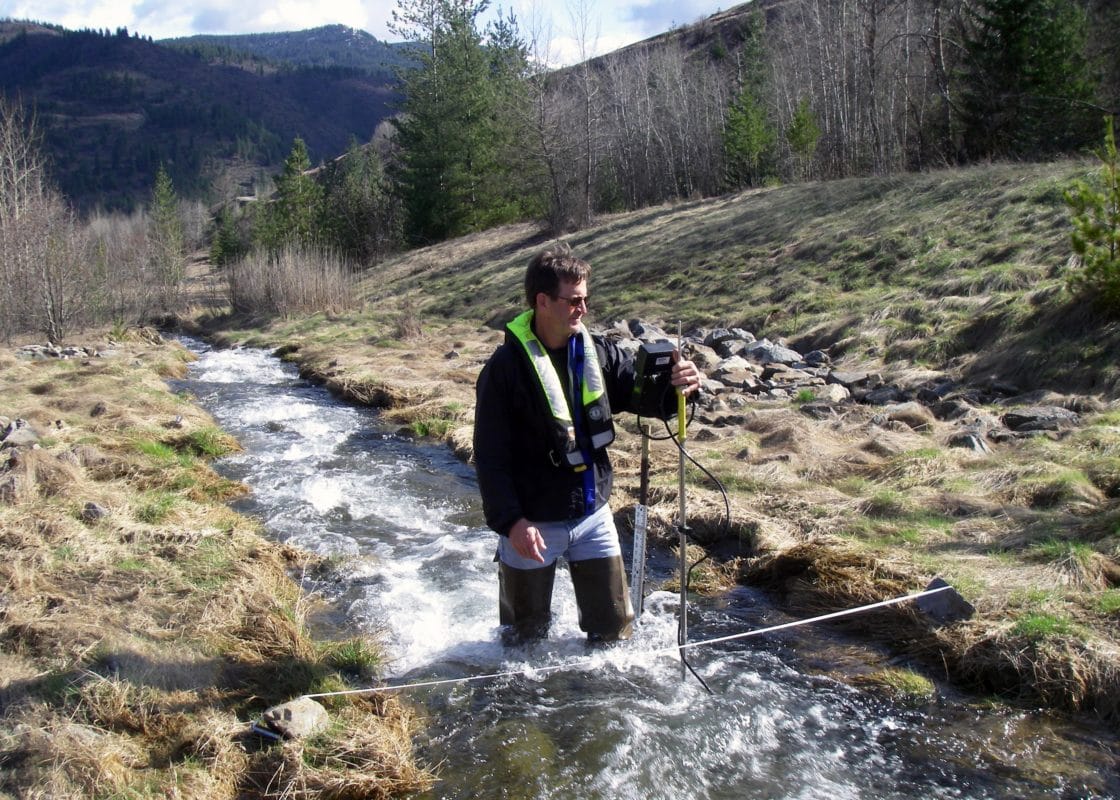
Hydrologist measuring streamflow

SWMI Sustainable Management Practices:

  • Natural streamflow estimates
  • Cumulative water balance picture
  • Baseline water use
  • Streamflow criteria, biological categories, and groundwater withdrawal categories

Demand Projections: 

  • MassDEP and DCR developed demand projections to be used as the basis for new permitted volumes for each PWS.
  • In many cases, allowable withdrawal volumes are being reduced.

WMA Permit Conditions

Existing — Requirements All Based on Water Conservation

  • Residential Gallons Per Capita Per Day (RGPCD) water use: 65 RGPCD
  • Unaccounted-for-Water (UAW): 10%
  • Leak Detection and Metering: 100% metering; annual master meter calibration; program to test all meters over 10 years old
  • Pricing: Pricing system should reflect the full cost of supplying water; water supply system operations should be fully funded by water supply system revenues
  • Plumbing: Enforcement of the March 1, 1989 plumbing code; retrofit all public buildings with water saving devices; make retrofit devices available to customers if RGPCD water use exceeds performance standard
  • Education: Develop a public education program; include bill stuffers with water conservation tips or water saving messages to customers

New, Additional Requirements

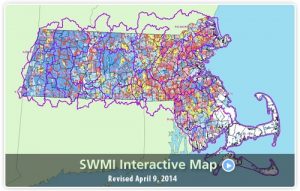
swmi map
To access MassDEP’s interactive SWMI map, please click on the photo above.

Baseline defined by MassDEP = higher of 2003-2005 average use plus 5%, or 2005 use plus 5%, provided that baseline cannot exceed the previous maximum authorized volume.

Mitigation programs required for systems using or requesting volumes greater than Baseline based on Tier classification of basin.

  • Mitigation credits will be determined by MassDEP but recently watershed groups played a major role in approving credits allowed for Mitigation programs.
  • Tier 2 and Tier 3 permittees must undertake mitigation commensurate with the impact of their increased withdrawals.
  • Applicants that cannot avoid changing the Biological Category or Groundwater Withdrawal Category of a sub basin (backsliding) that have no feasible alternative sources will be required to implement the highest level of mitigation.
  • A mitigation plan should estimate the required volume of mitigation, identify feasible mitigation options, and include a timeline for the implementation of the mitigation options.

Minimization: All tiers of permittees with withdrawals in subbasins having August net groundwater depletion of 25% or greater must minimize the impact of their withdrawals in those subbasins. The minimization plan must be approved by DEP and should reflect the following three analyses:

  • Desktop Optimization: Evaluate whether the applicant’s existing sources, or any available alternative sources, could be utilized or operated at prescribed rates or times in a way that could reduce environmental impacts while still meeting water demands.
  • Water Releases and Returns: Evaluate releases from surface water supply impoundments and measures that could return water to the subbasin or basin to improve flow.
  • Additional Conservation Measures: Evaluate reasonable and cost-effective indoor and outdoor conservation measures consistent with public health and safety that go beyond standard WMA permit conditions.

water restrictionsColdwater Fishery Resource (CFR) Protection: All tiers of permittees with withdrawals that impact streamflow at a CFR must evaluate reducing impacts to CFRs through a desktop optimization. Tier 2 and Tier 3 applicants must evaluate further protection of their CFRs as part of their required mitigation planning.

Alternative Source Analysis: Tier 3 permittees must show that they have no feasible alternative source that is less environmentally harmful.

Outdoor Water Use Restrictions: New outdoor water use restrictions will be required based on streamflow and or groundwater conditions, basin criteria and PWS compliance with performance standards. Limits include watering one or two days per week, no watering 9am to 5pm.

For more information on the SWMI final framework, please visit MassDEP’s website here. For questions or assistance with SWMI or WMA, please contact us.

Tata & Howard donates over $2,000 to Navajo Water Project

Charity provides clean, accessible drinking water to Native Americans living in Navajo Nation

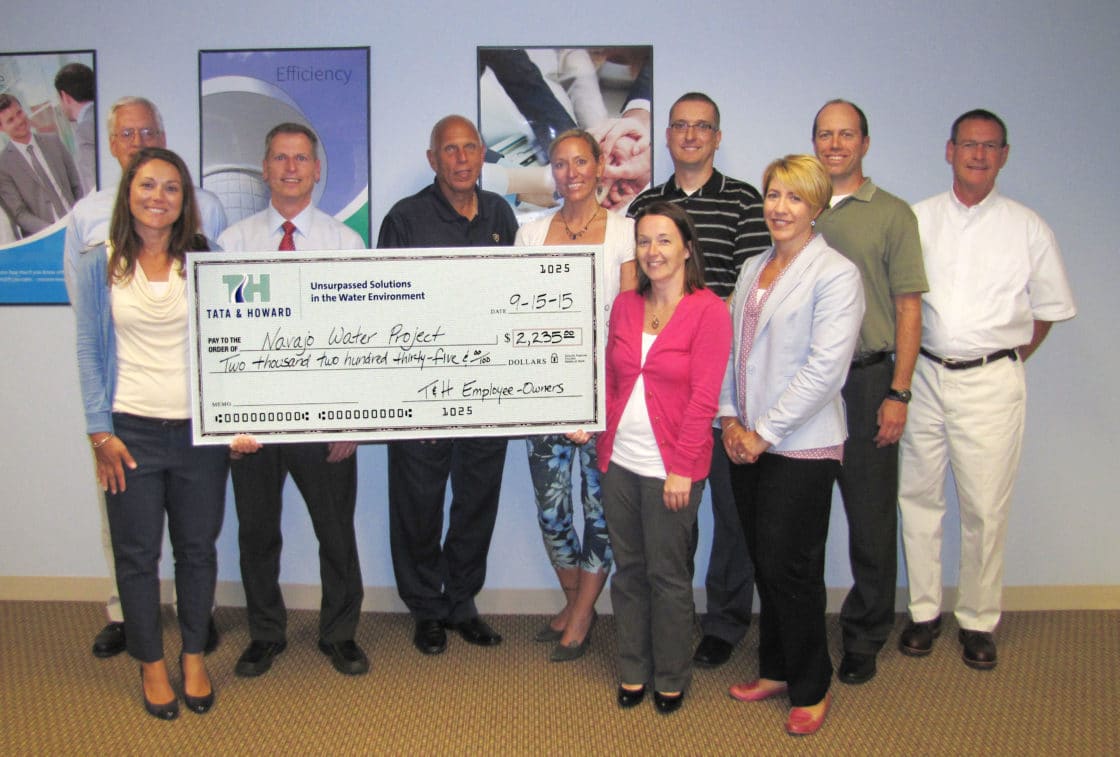
navajo water project
Tata & Howard employee-owners from the Marlborough, MA corporate office helped support the Navajo Water Project

Tata & Howard donated $2,235 to Navajo Water Project, a subsidiary of DIGDEEP that works to provide safe, accessible drinking water to Native Americans living in Navajo Nation. Employee-owners donated $1,235 and the company matched $1,000.

“When we learned of the extreme water poverty in which people right here within the borders of the United States live, we knew we had to act,” stated Donald J. Tata, P.E., President of Tata & Howard. “The company asked employee-owners to make donations to Navajo Water Project and agreed to match up to $1,000. We weren’t at all surprised when the good people here easily surpassed that number.”

“Having worked on several projects in Arizona, I have seen first-hand the difficult and, frankly, heartbreaking conditions in which some Navajo live,” added Jack E. O’Connell, P.E., LEED AP, Senior Vice President of Tata & Howard. “Bringing safe, clean, and accessible drinking water to Navajo Nation should be an urgent priority of the American people, and we here at Tata & Howard are more than happy to do our part.”

While there are dozens of water charities supporting developing countries, including Tata & Howard’s own charity of choice Water For People, Navajo Water Project is the only water charity that serves people living in the United States.

About DIGDEEP Water

Launched in 2011 by international human rights lawyer George McGraw, DIGDEEP Water is changing the way people think about water. By designing water access projects that go hand-in-hand with its education and advocacy programs, DIGDEEP focuses on solving water poverty in marginalized communities at home and abroad while promoting better water consumption and conservation practices globally. DIGDEEP collaborates with local communities in order to find appropriate, sustainable solutions to water poverty in places like South Sudan, Cameroon, and the United States. Since each community is unique, each one of DIGDEEP’s projects is also unique. 100% of all donations support projects. To learn more, visit www.digdeepwater.org.

Tata & Howard Sponsors CTAWWA Golf Tournament to Benefit Water for People

Tata & Howard Sponsors CTAWWA Golf Tournament to Benefit Water for People

Funds raised at the tournament will support efforts to bring safe, clean drinking water to people in developing nations

The 2014 CTAWWA Golf Classic to benefit Water For People was well attended

MERIDEN, CT, August 18, 2015 – Tata & Howard is pleased to sponsor the American Water Works Association, Connecticut Section Golf Classic to be held on September 15, 2015 at the Tunxis Plantation Golf Course and Banquet Facilities in Farmington, CT. Funds raised at the tournament benefit Water for People, a nonprofit improving the quality of life in developing nations by supporting the development of locally sustainable drinking water resources, sanitation facilities, and hygiene education programs.

“Tata & Howard is privileged to sponsor the Golf Classic to benefit Water For People,” stated Stephen K. Rupar, P.E., Vice President and Manager of Tata & Howard’s Meriden, CT office, and Chair of the Connecticut Water Works Association. “We fully support Water For People’s mission to provide a safe and sustainable water supply on a global level.”

Water For People is Tata & Howard’s charity of choice. Employee-owners donate directly from their paychecks and the company matches 100% of every dollar donated in this way. Water For People is also the AWWA designated charity of choice, and is endorsed by the Water Environment Federation, the Water Quality Association, the National Association of Water Companies, the National Association of Clean Water Agencies, and the Association of Metropolitan Water Agencies.

“There’s a reason that Water For People is the charity of choice for so many organizations involved in the water environment,” noted Salvatore Longo, P.E., Vice President and Manager of Tata & Howard’s Waterbury, CT office. “Their vision to bring clean water to everyone, forever is something that directly reflects on our work — and something in which we all fully believe.”

For more information on the CTAWWA Golf Classic to benefit Water For People, please visit www.ctawwa.org.