
Site cleanup is well understood to be critical to the health of our planet. Since site contamination affects the quality of air, land, and water, it is clear that remediating contaminated sites is paramount to the environmental viability of the nation. However, site cleanup isn’t just about greening the nation; rather, site cleanup provides a myriad of environmental, health, and socioeconomic benefits, some of which may be surprising.
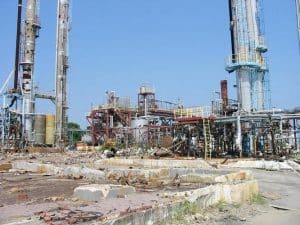
There are over 500,000 brownfields currently in the United States. A brownfield is defined as any land in the United States that is abandoned or underused because redevelopment of said site is complicated by environmental contamination. Brownfield sites are not to be confused with Superfund sites, of which there are over 1,300 in the United States. A Superfund site is a contaminated area of land that has been identified by the United States Environmental Protection Agency (EPA) as needing cleanup due to the risk it poses to environmental and/or human health. Superfund sites are placed on the National Priorities List (NPL) and are eligible for government funding through the Superfund program that was established as the Comprehensive Environmental Response, Compensation, and Liability Act of 1980 (CERCLA). Unlike Superfund sites, brownfields generally do not pose an immediate or serious risk to the environment or human health, as they typically have a lesser degree of contamination. Brownfields do, however, compromise the economic and social viability of our nation by preventing development, which causes numerous problems.

Because site cleanup can be expensive, brownfields are often left in states of ruin and decay. Brownfields disallow redevelopment, forcing communities to find new areas to develop, contributing to the degradation of inner cities and increased urban sprawl. Since we now understand that new urbanism — or the planning and development of compact cities that are walkable with accessible shopping and public spaces — promotes healthier cities and lifestyles, urban sprawl is also understood to be detrimental to the health of both cities and the environment. Cleaning up and redeveloping brownfields is one of the most effective ways to limit urban sprawl and to promote new urbanism, and fortunately, funding is available for brownfield remediation.
The EPA launched the Brownfields Program in 1995 to provide funding for brownfield remediation. The Brownfields Program includes the following grant programs:
- Brownfields Assessment Grants: funding for Brownfields inventories, planning, environmental assessments, and community outreach
- Brownfields Revolving Loan Fund Grants: funding to capitalize loans that are used to clean up brownfields
- Brownfields Cleanup Grants: funding to carry out cleanup activities at brownfield sites owned by the applicant
- Brownfields Area-Wide Planning Grants: funding to communities to research, plan, and develop implementation strategies for cleaning up and revitalizing a specific area affected by one or more brownfields sites
- Brownfields Job Training Grants: funding for environmental training for residents of Brownfields communities
In 2002, the Program was expanded when Congress passed the Small Business Liability Relief and Brownfields Revitalization Act, more commonly known as the Brownfields Law. Since the enactment of the Brownfields Law, the EPA has awarded over 1,000 grants totaling over $200 million to public and private sector organizations.
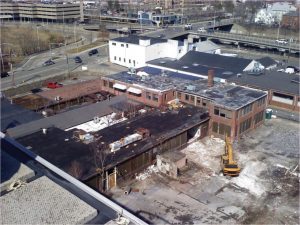
Cleaning up brownfields not only promotes new urbanism by reducing urban sprawl and inner city decay, but also increases surrounding property values, resulting in an increased tax base. These cleaned up sites allow for the utilization of existing infrastructure and transit and therefore contribute to the economic health of cities by eliminating the need for additional municipal infrastructure. Site cleanup also helps to eliminate urban arson, vandalism, and the threat of injury from dilapidated structures and areas. Since site cleanup also reduces the need to develop open land, brownfield remediation contributes to the protection of our natural resources and environment while beautifying urban landscapes. In some instances, brownfield remediation even allows for the preservation of historical landmarks and architecture that would otherwise require demolition.
And let’s not forget about health. Site cleanup eliminates the contamination that threatens our environment. Our water, air, and soil is protected from the initial contamination as well as future contamination. Even when contamination is initially minimal, deteriorating buildings and abandoned property have the potential to increase contamination as degrading building components leach into the soil and water.
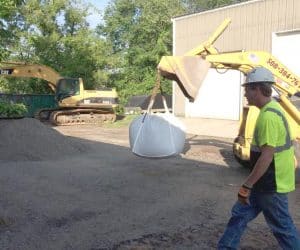
One thing to keep in mind is there is some potential risk associated with brownfield remediation. If not managed or handled properly, contaminated soil could potentially result in further contamination by migrating to surrounding land through groundwater or even runoff into surface water. To significantly reduce these risks, it is recommended and often required to utilize an environmental professional when cleaning up brownfields. In Massachusetts, for example, it is required to have a Licensed Site Professional provide evaluation both before and after cleanup to ensure that all regulations, technologies, and construction best practices were strictly followed and that the contamination has been successfully remediated.
Site cleanup clearly has significant value when it comes to the health of our nation’s environment, economy, and citizens. More and more, communities are seeking to implement new urbanism and the gentrification of cities, forcing developers to seek ways to redevelop previously unusable land. With smart city planning, the availability of brownfield grants, and the utilization of environmental professionals, site cleanup will continue to provide significant value to the economic, environmental, and physical health of communities throughout the country for years to come.
 Municipal water treatment and distribution requires an exorbitant amount of resources, wreaking havoc on the environment and on budgets. And it’s getting worse. Over the past several years, operating costs have consistently been on the rise, while municipal budgets continue to shrink. In addition, regulatory requirements are increasing, forcing municipalities to upgrade treatment processes ahead of schedule. These changes result in limited unsustainable systems and utilities scrambling to find ways to manage their insufficient operational budgets while maintaining levels of service. The good news is that low-cost initiatives exist that can provide quick and significant cost and environmental savings and increase system sustainability.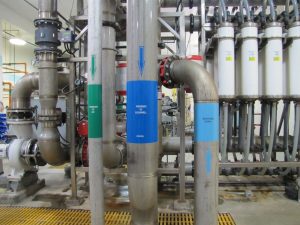

 Efficiency and sustainability are no longer considered luxuries for water systems. Rather, incorporating green initiatives into infrastructure design and operational standards has become crucial to the future sustainability of water systems. And while utilities today value cost-effectiveness over environmentalism due to the criticality of their budgets, there will likely be a shift in thinking as these systems ease the burden of their unsustainable operational costs through effective practices such as efficiency and water loss reduction.
 Pollution Prevention Week takes place each year during the third week in September. This special week celebrates the passing of the Pollution Prevention Act in 1990, and serves as an opportunity for businesses, individuals, governments, organizations, and groups to focus on pollution prevention (P2) by celebrating their sustainability achievements, expanding current practices, and implementing new initiatives. In addition, P2 Week serves to remind individuals and organizations of the myriad ways that pollution can be prevented.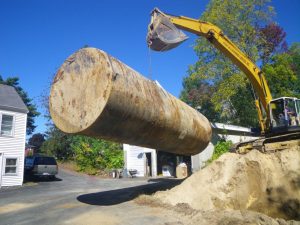

 The term “Lean” has become widely used in the manufacturing sector since the late 1980s when it was first used by James P. Womack, Ph.D. of MIT’s International Motor Vehicle Program to describe Toyota’s highly successful manufacturing process and business model. While its core premise of eliminating waste is quite simple, identification of waste and implementation of best practices takes effort. Waste can be defined as any process or activity without value — such as overproduction, defects, and waiting — and accounts for up to 60% of a typical manufacturing company’s production activities.
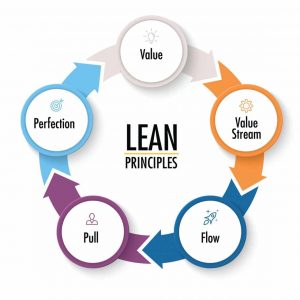 The Lean Enterprise Institute (LEI), long considered the premier resource for lean theory and training, identifies the five key Lean principles as value, value stream, flow, pull, and perfection. Value is always defined through the customer, and addresses such issues as price point, delivery timelines, requirements, and expectations. Value to a water or wastewater utility may include price, quality of water or effluent, reliability of service, and meeting regulatory requirements.
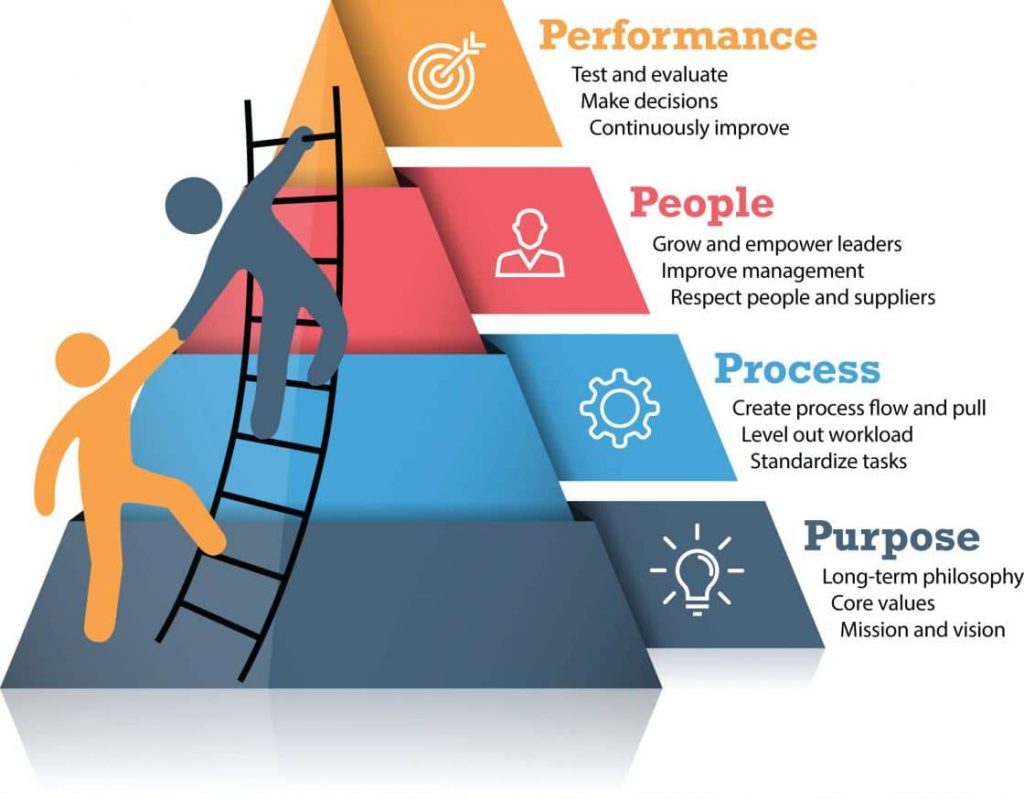 Purpose
 Because it is often referred to as lean manufacturing, there is a misconception that Lean is strictly for manufacturing organizations. In fact, Lean is not a set of tactics or a simple method of cost reduction; rather, Lean is a completely different way of thinking and operating on an organization-wide basis.
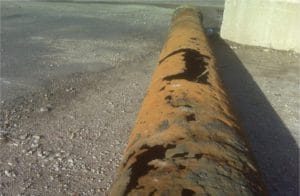
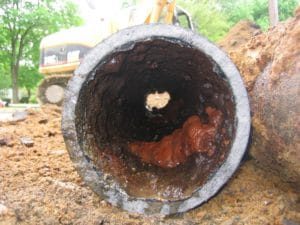
 The truth is, there is too much at stake to keep ignoring our weakening infrastructure. If we do not do something soon, Americans may be in for some serious surprises. Imagine not being able to drink the water that comes out of our faucets or even take a shower without worrying about water borne diseases and bacteria. If we wish to seriously improve our water infrastructure, we need collaboration from all parties, both public and private. Politicians and lawmakers need to take definitive action and commit to a sustainable and reliable plan to make our water systems safe and adequate for the future. We need to make the condition of our country’s water systems a top priority.
 Water poverty has long been considered a global crisis, with over 783 million people worldwide — that’s one in nine people — lacking access to a safe, clean water supply. Over half of the world’s hospital beds are filled with people afflicted with water-related illness, and over 80% of illnesses in sub-Saharan Africa are directly attributable to poor water and sanitation conditions. There are a plethora of charities dedicated to solving the global water crisis, including Tata & Howard’s and AWWA’s charity of choice
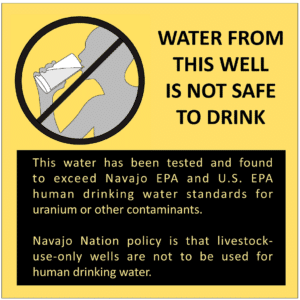


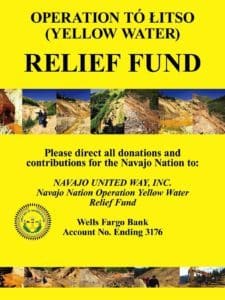 The answer to solving the water crisis of Navajo Nation is not simple. Bringing safe, clean water to the people of Navajo Nation will require both public and private investment. It will also require fair legislation that allows the Navajo to keep rights to water on their land while requiring the federal government to fund the
  Wastewater. It’s something that will always exist, and will always require collection and treatment. Just like improved water, improved sanitation is one of the key contributing factors to a developed nation, significantly improving public health, educational opportunity, and workforce viability. And while the United States boasts nearly 100% improved water and sanitation, there is still cause for concern.
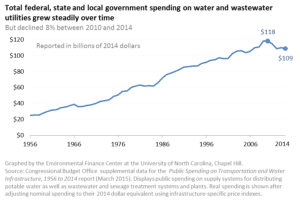 In March of 2015, the Congressional Budget Office (CBO) published a report on annual government expenditures on infrastructure, titled
 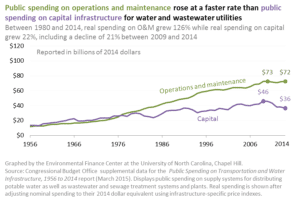 To further complicate matters, capital expenditure has decreased at a faster rate than O&M expenditure. From 1956 to 1980, public spending was basically split between capital expenditures — to build or replace water and wastewater systems — and O&M of the systems. However, since 1980, O&M spending continued to grow at an annual rate of 4%-6% to the 1990s, and then at an annual rate of 1%-3% through 2009, since when it has remained flat. In contrast, capital spending grew at an annual rate of only about 1%-2% since 1980, and has declined at an average annual rate of 4% since 2009. Governments now spend twice as much on O&M of their existing systems than on capital expenditures to repair, rehabilitate, or replace existing assets or for the installation of new infrastructure. In addition, state and local government is now saddled with nearly the full burden of capital expenditure, as federal spending has been steadily on the decline since 1976.
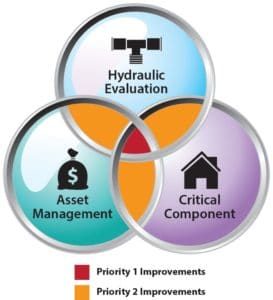 Hydraulic modeling
 To continue as a leading industrialized nation, our wastewater utilities must not only remain safe and functional, but also progressive and up to date with current and future regulations. Because funding is declining while costs and population are increasing, it is more important than ever for wastewater utilities to methodically prioritize and plan all repairs and improvements. Only through the implementation of a well-researched and systematic course of action will utilities be prepared to provide safe and dependable wastewater services both now and in the future.
 In addition to the six Minimum Control Measures included in the original 2003 Permit, the 2016 Massachusetts MS4 General Permit also specifically includes limits to Total Maximum Daily Loads (TMDLs). TMDLs set pollution limits for affected waterways. These pollution limits represent the maximum amount of pollutant a specific body of water can handle before marine life, wildlife, and/or recreational uses become adversely affected. Because stormwater has the potential to have a significantly negative impact on waterways, TMDLs are a necessary protection measure. Unfortunately, addressing stormwater contributions to TMDLs will require that many communities make some structural and treatment modifications to their stormwater systems, and these take both time and money.
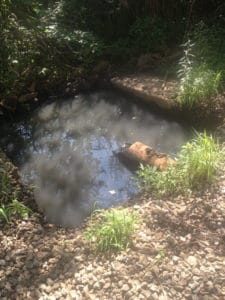 Fortunately, stormwater assessments that are conducted by licensed professional engineers, such as Tata & Howard’s MS4 Compliance Assessments, provide a significant return on investment. As part of the assessment, the entire system is meticulously evaluated for the most budget-conscious ways in which to fully meet compliance. Permit exclusions will also be assessed and all previous stormwater work will be documented to establish proper credit. The assessment also provides a well-planned course of action that is defendable when justifying projects and procuring funding.
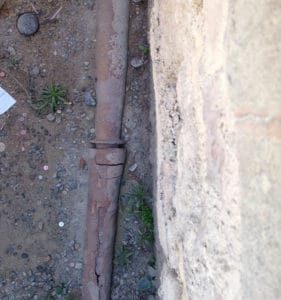 Water mains play a crucial role in modern day civilization and contribute greatly to public health. Water mains have been in use for over 4000 years, and, through the years, huge strides have been made in the engineering and construction of this critical infrastructure.

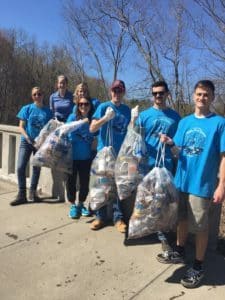
 py by donating both food and money to local food banks to help feed everyone efficiently. On June 5th, Tata & Howard encourages everyone to go through their pantries and donate to a local organization for people who need it. Not only will it help save our environment, but will also help the local people in our own communities.
 the better. On this World Environment Day, let’s all take time to lend a helping hand to our planet. It is up to us as individuals to take action and better our environment. Taking small steps and making an effort to improve the world in which we live is important not only on World Environment Day, but every day. Even if it is a small step, it is still a step in the right direction.