A Culture Guided by Gratitude

As the days grow shorter and the air turns crisp, November offers a gentle reminder to pause and reflect. At Tata & Howard (T&H), this season is a time to express gratitude for the people and partnerships that support us and to recognize the essential work that keeps our communities thriving. Gratitude is at the heart of what we do, inspired by our deep appreciation for the vital natural resource we work every day to protect — from maintaining clean, reliable water systems to fostering a company culture grounded in collaboration, respect, and shared purpose.

This month, we’re embracing a “Month of Gratitude,” a celebration that acknowledges the human and technical sides of what we do. While Thanksgiving often sparks intentional reflection, our gratitude extends far beyond a single holiday. It’s a chance to highlight the unsung heroes, the behind-the-scenes processes, and the people who make our mission possible every day.

Behind the Tap

When people turn on the tap, they rarely think about what it takes to make that possible. At T&H, we’re grateful for not just the systems that deliver clean, safe water to every home and business, but for the dedicated teams who make it happen.

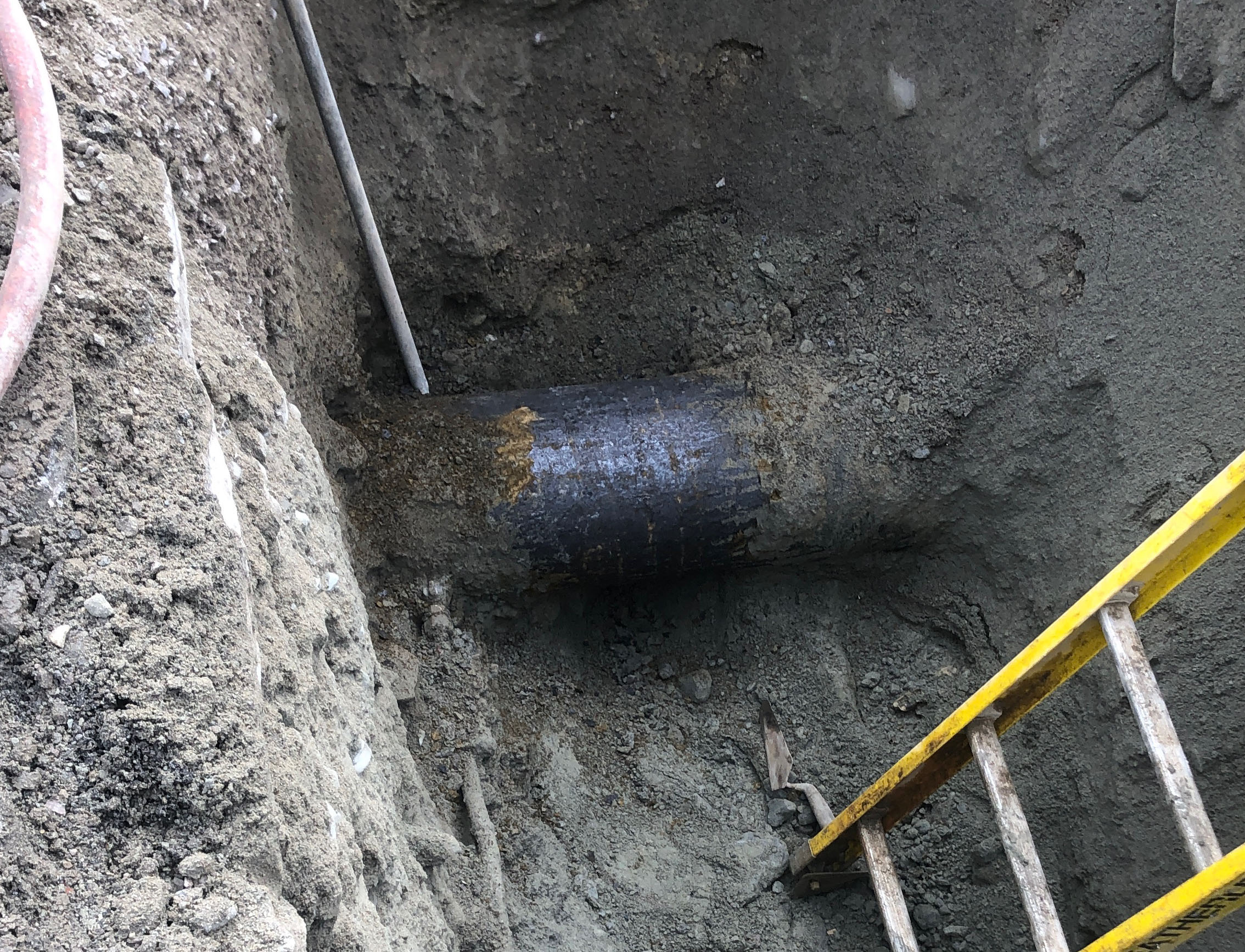
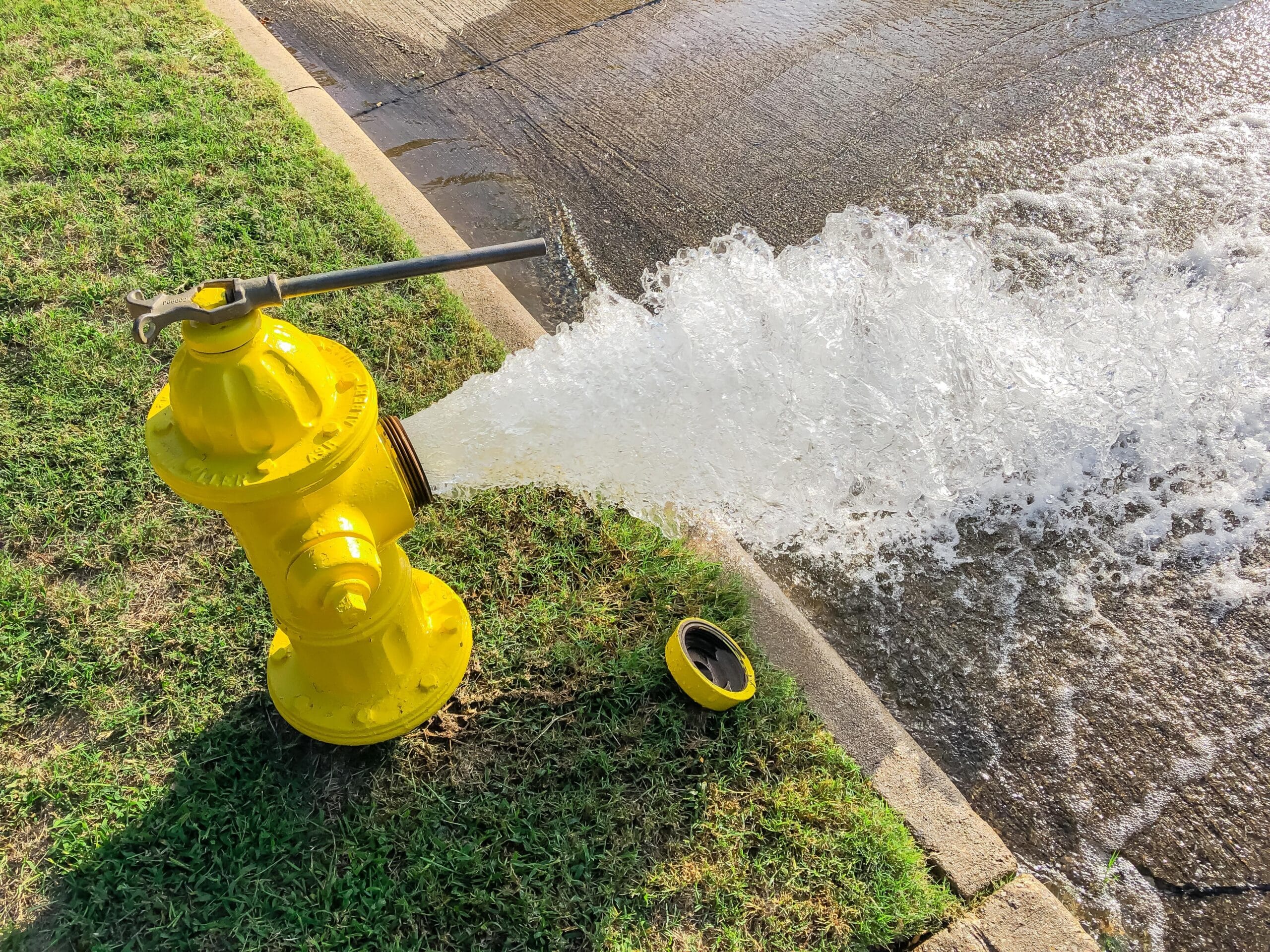
For example, something as routine as unidirectional flushing plays a crucial role in maintaining water quality. This process clears out sediment and improves system performance, keeping distribution networks running smoothly and giving our communities confidence in their water supply. While it’s easy to overlook these technical acts, they represent the behind-the-scenes dedication that defines our industry.

Being grateful for our community’s water infrastructure may sound unusual to most people, but for us, it’s about valuing the systems that keep us healthy and thriving. Each hydrant test, water main replacement, and treatment plant upgrade is a testament to intentional foresight and teamwork. While these efforts often take place behind the scenes, they ensure that clean water remains one of the most reliable and trusted public services.

Our People, Our Strength

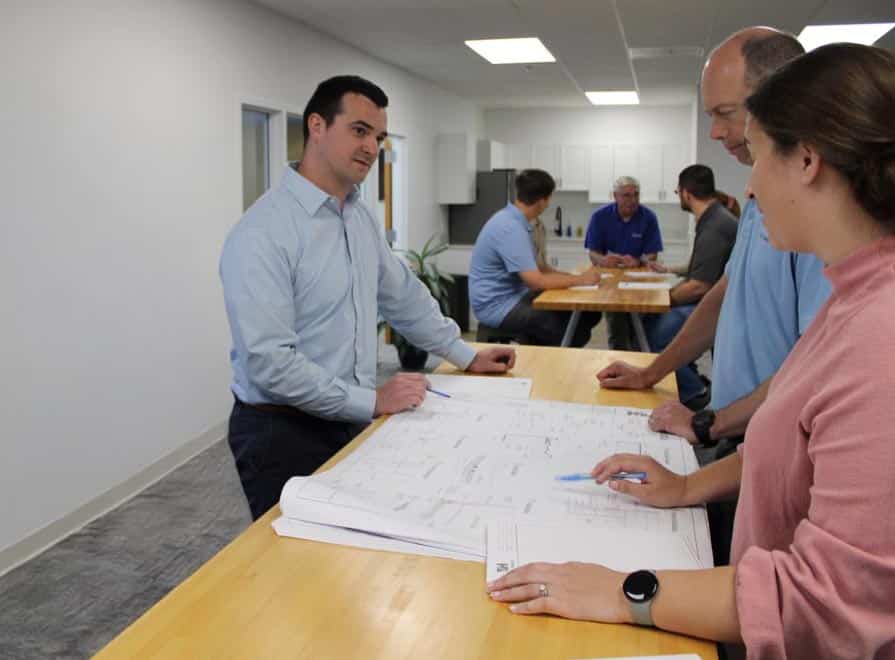
Of course, our gratitude isn’t limited to just pipes and pumps. It also extends to the people who design, build, and maintain these systems, along with the communities that place their trust in us. Our ownership team exemplifies what it means to lead with integrity and shared responsibility. As an employee-owned company, T&H’s success is a collective achievement powered by a team that takes personal pride in its work. This culture of ownership strengthens our organization and also deepens our gratitude for one another.

Throughout November, we also reflect on the many relationships that shape our work. We’re thankful for our clients, whose collaboration and trust allow us to pursue meaningful solutions. We’re grateful for our partners who share our commitment to quality and sustainability. Most of all, we’re thankful for our colleagues — engineers, scientists, technicians, and support staff — who bring creativity, dedication, and heart to every project. Together, we build something greater than the sum of our parts.

Our gratitude also extends beyond our immediate circle to the communities we serve. Whether we’re improving water systems in a small town or enhancing infrastructure for a growing city, we’re reminded that our work has a lasting impact on people’s lives. Knowing that our efforts help ensure safe drinking water for families, schools, and businesses is profoundly rewarding. It’s what motivates us to innovate, collaborate, and keep learning.

Gratitude in Action

This “Month of Gratitude” also reminds us that appreciation and stewardship are interconnected. As we give thanks for the systems that sustain us, we also recognize that our responsibility to care for them goes hand-in-hand. It’s critical to remember that sustainability is not just a professional focus but a moral commitment. By promoting efficient water use, investing in resilient infrastructure, and adopting environmentally conscious practices, we express our gratitude through action, ensuring future generations inherit the same resources and opportunities we enjoy today.

Small Acts, Big Impact

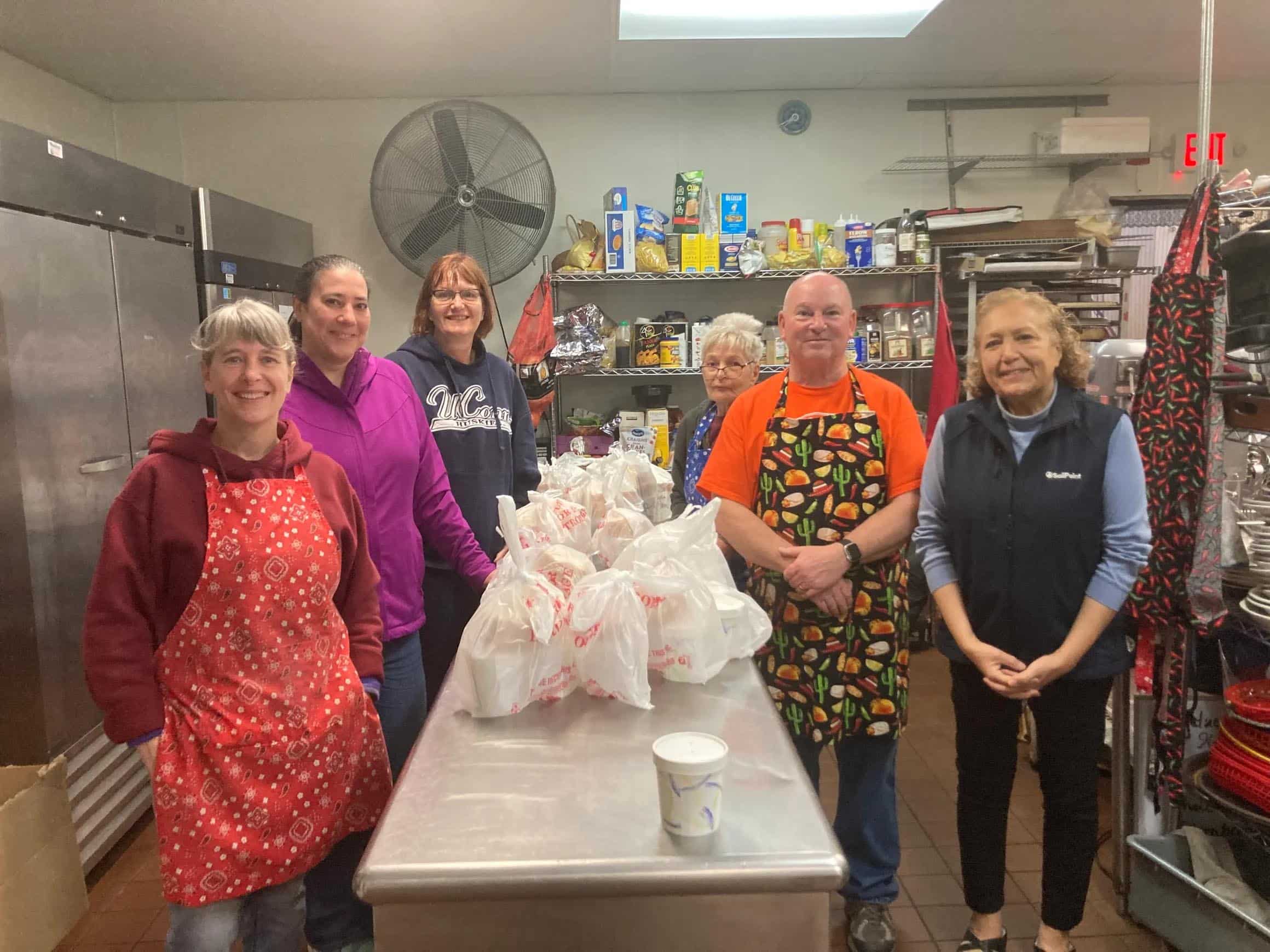
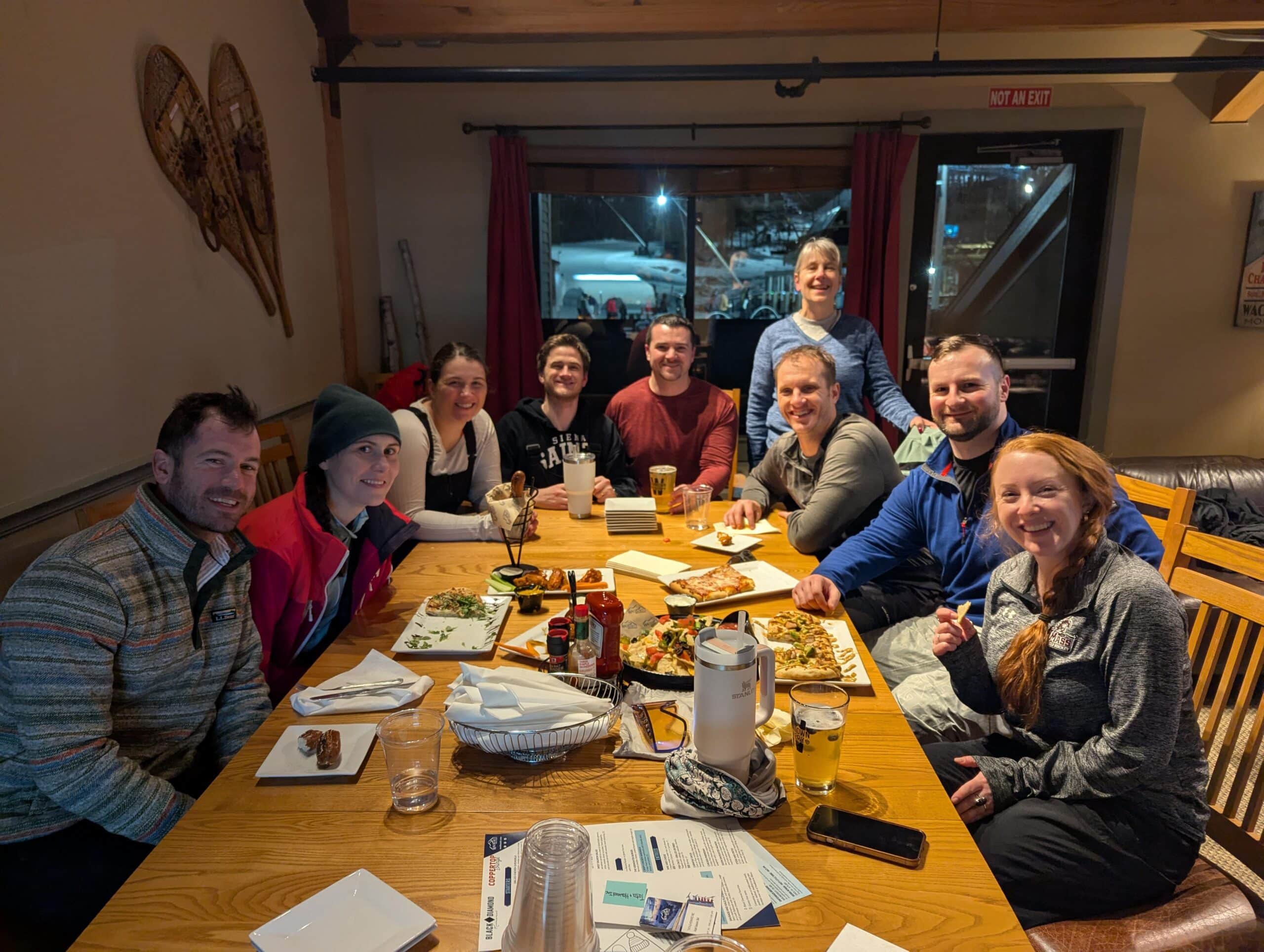
Internally, our culture of gratitude shows up in a number of ways: in morning conversations over coffee, mentoring between colleagues, and shared pride when a project is complete. It’s in celebrating milestones and the collective support when faced with challenges. We believe that gratitude creates connection, and connection strengthens our ability to serve.

As we reflect on this month, we’re reminded that gratitude doesn’t have to be grand to be meaningful. Sometimes it’s as simple as appreciating the clarity of a well-maintained water line, the dedication of a field crew in challenging weather, or the innovation sparked in a brainstorming session. Other times, it’s about recognizing the values that guide us — collaboration, quality, and service — and the people who embody them each day.

Guided by Thanks

At T&H, gratitude is more than a seasonal sentiment. It’s a guiding principle that shapes our relationships, informs our decisions, and inspires our ongoing commitment to excellence. As we move through this month of reflection and thanks, we’re reminded that every drop of effort matters, from the precision of an engineering design to the trust of a lasting partnership.

So, this November, we pause to say thank you to our colleagues, clients, partners, and communities. We’re grateful for your trust, your collaboration, and your shared vision for a sustainable future. Together, we will continue to protect our most vital resource and the people who depend on it.

ESOP Month Fun: Anything but a Cup!

As a 100% ESOP, Tata & Howard fully participates in ESOP Month each October with numerous events focusing on education, teamwork, and fun! One of those fun events focused on water and sustainability, two things near and dear to our water engineers’ hearts.

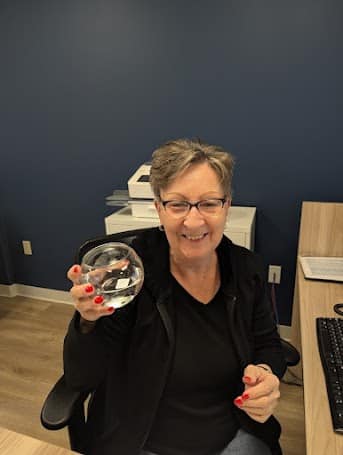
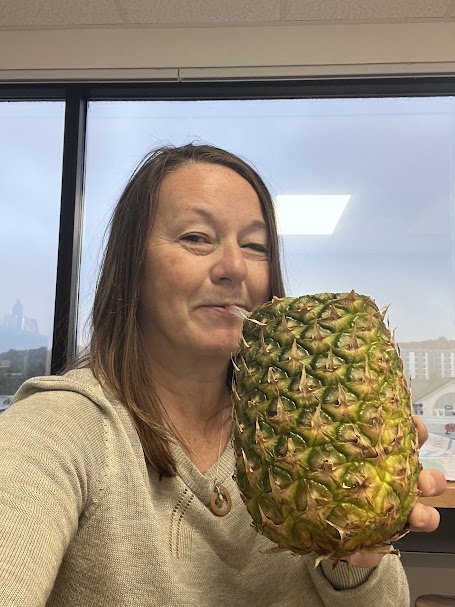
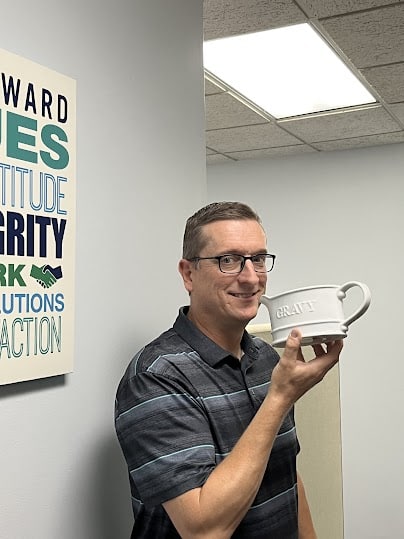
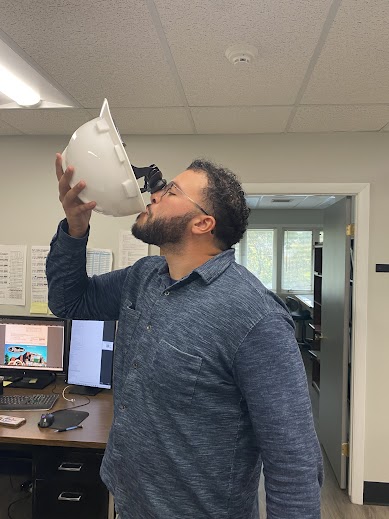
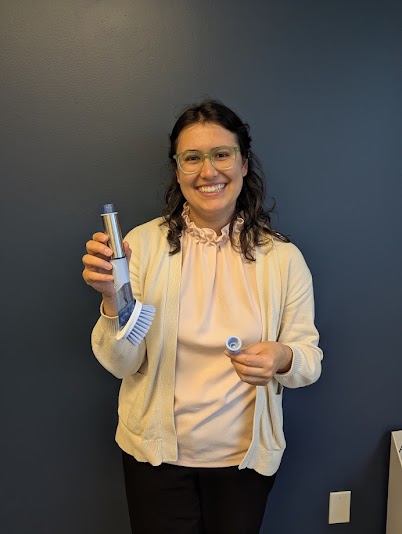
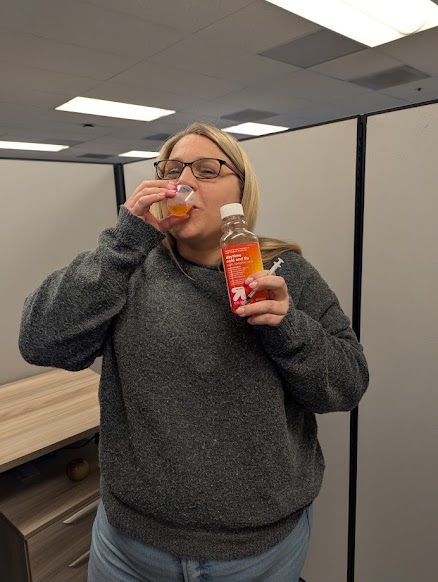
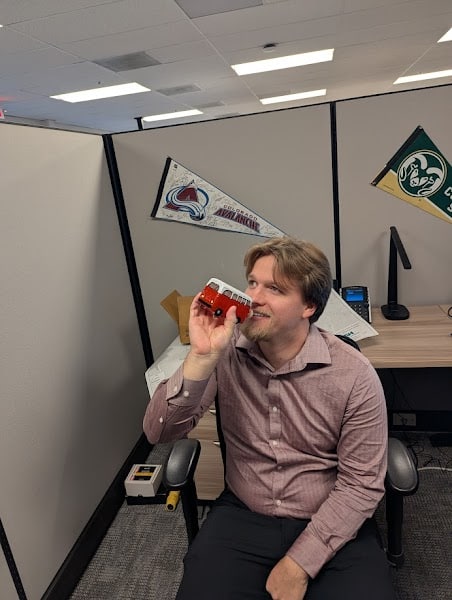
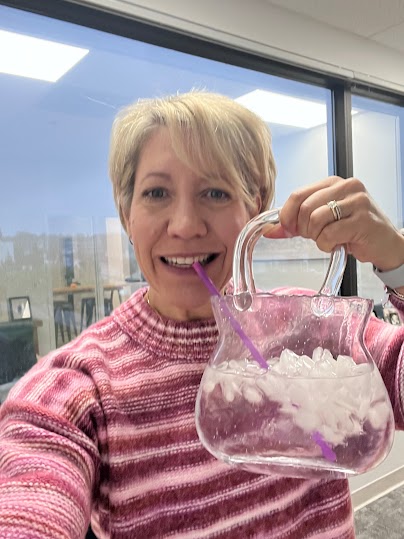
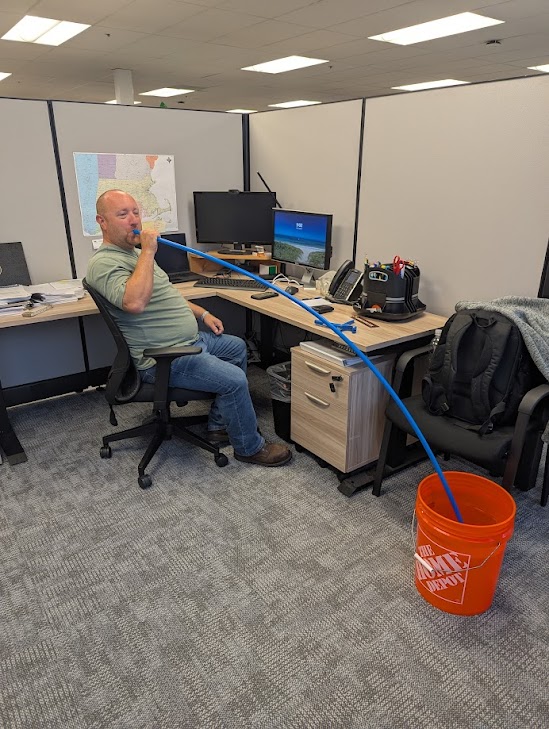
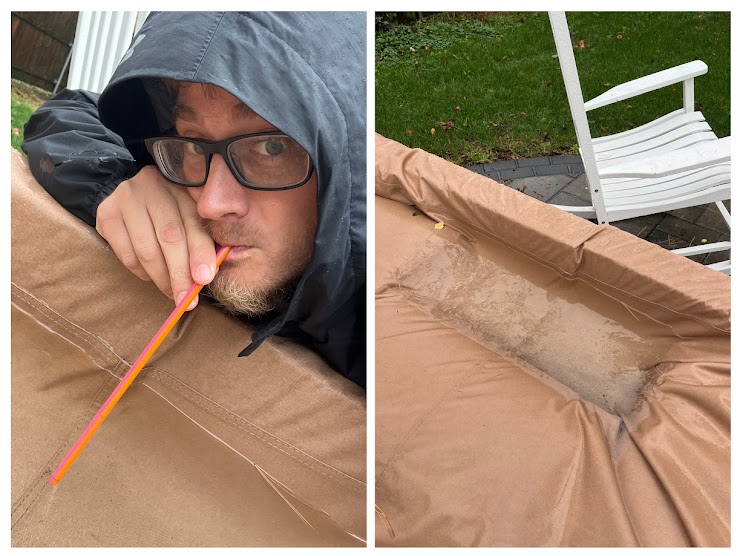
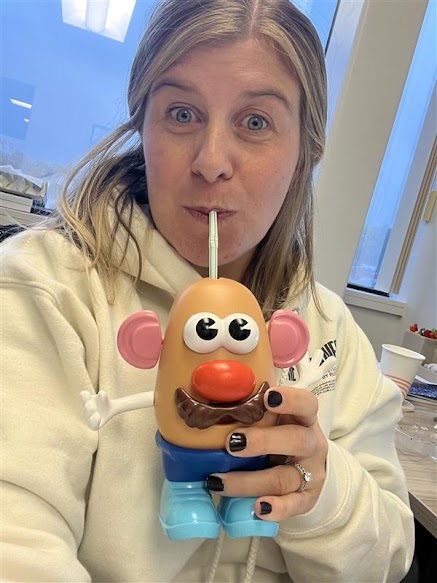
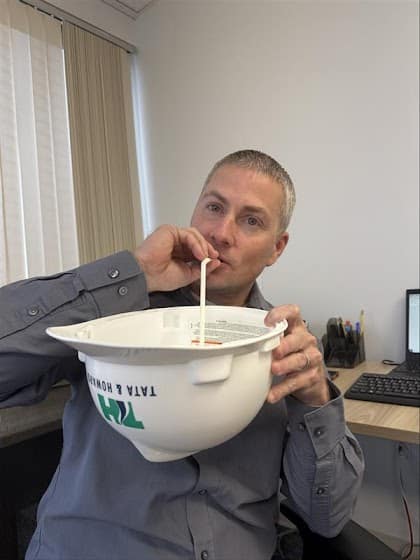
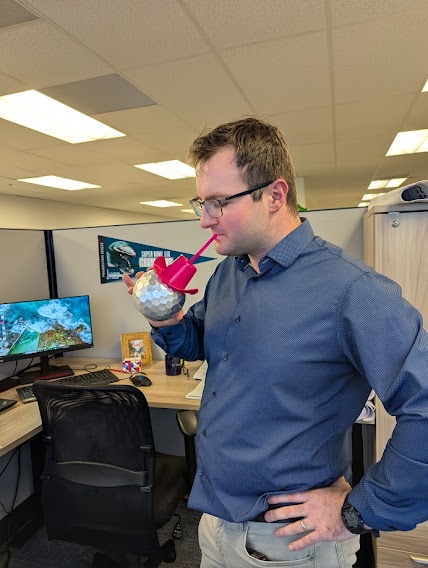
As a professional water engineering firm, we prioritize proper hydration all year long from pure, clean tap water — no plastic water bottles allowed. But during ESOP Month, we decided to create an even bigger challenge: no cups! We were all tasked with drinking our favorite hydrogen and oxygen containing beverage from “Anything but a Cup” — and our employee-owners got super creative. And we just had to share!

Enjoy the slideshow below to see just how creative of a team we have. And we all know that creative minds produce creative solutions. 😎 Happy ESOP Month from the entire Tata & Howard team!

Imagine a Day Without Water — or Water Professionals!

In our line of work, water isn’t just our business, it’s our purpose. Every drop we help deliver carries the weight of public health and safety, sustainability, and trust. Unfortunately, both our water supply and the professionals who manage it are often taken for granted. We often tend to assume the water will always be there: clean, safe, and forever flowing.

But what if that wasn’t the case?

Imagine a day where our access to that water wasn’t available. Now, imagine a day without the people who work tirelessly to make that water safe and accessible.
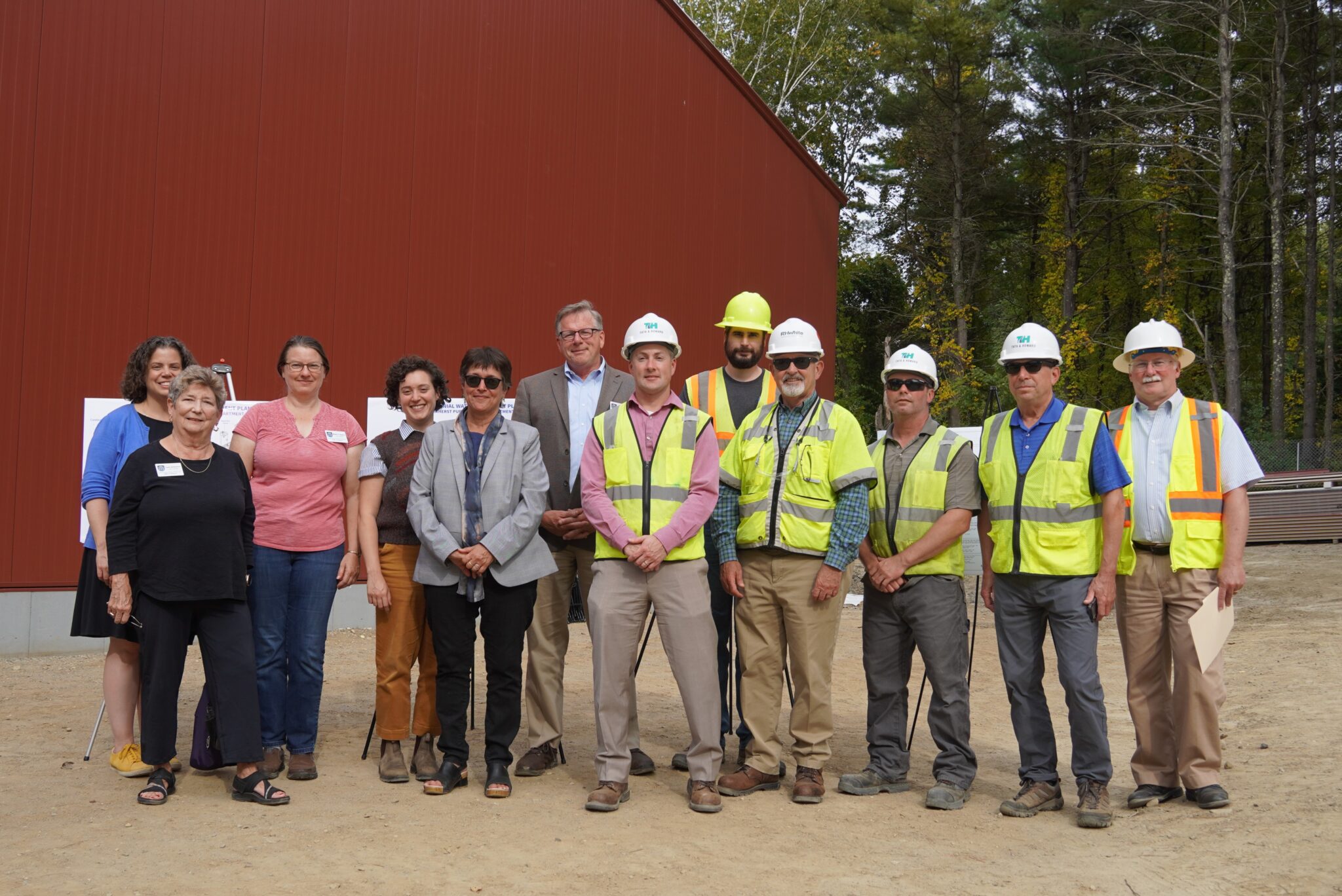
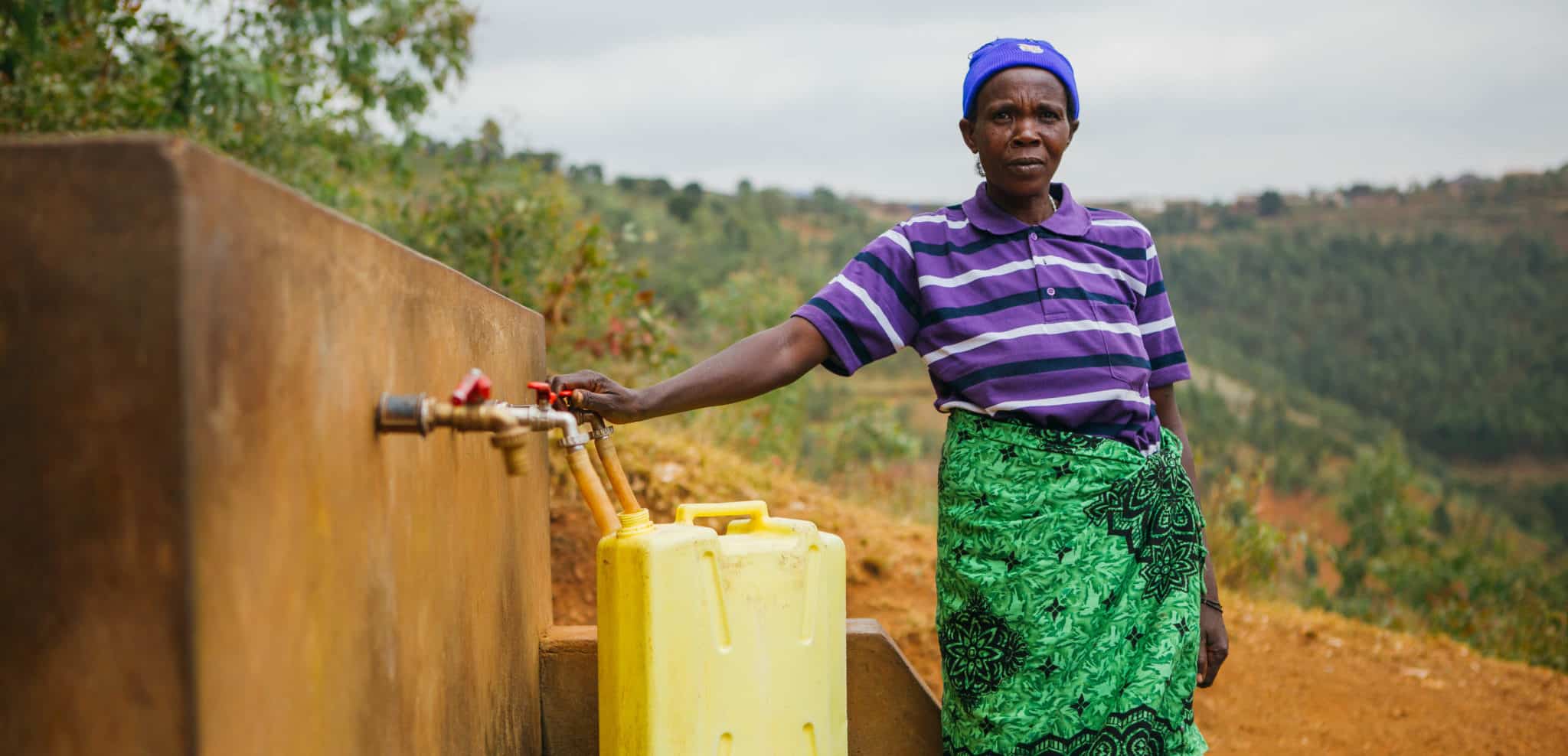
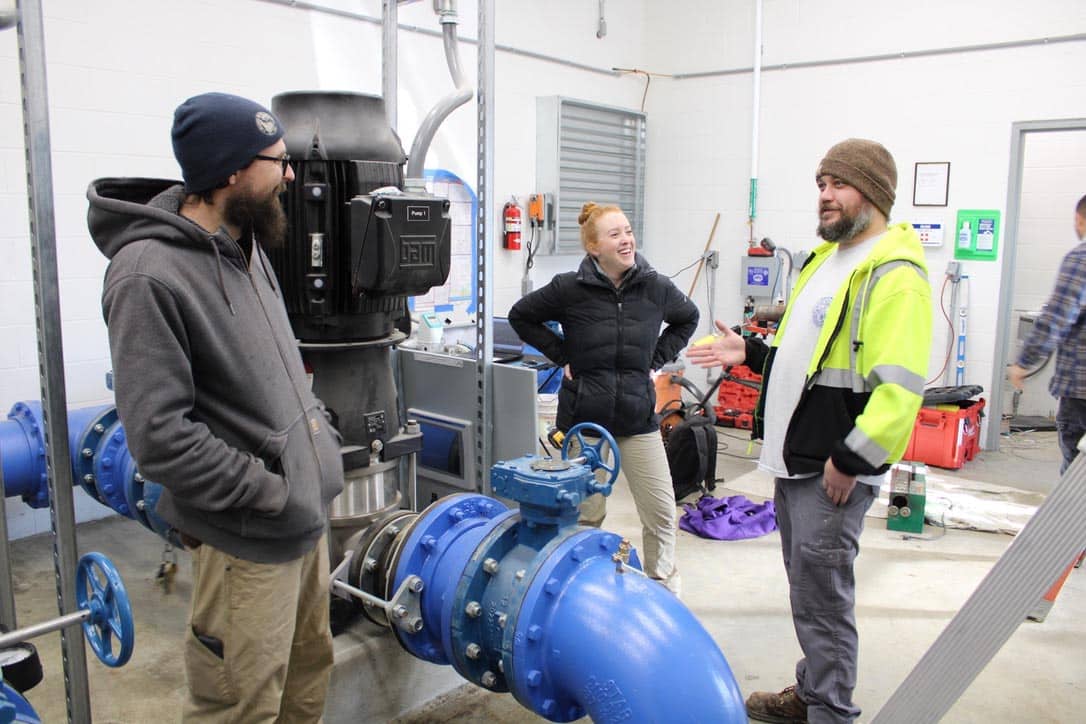
As we celebrate our 33rd anniversary this month, we’re reflecting not only on our legacy, but also on what it means to serve as an employee-owned firm in the water engineering field, and the impact our water professionals have on the communities we serve.

Topping off ceremony at the Amherst Centennial Water Treatment Plant

A Legacy Built on Public Health and Protection

Clean water is the backbone of any healthy society. It is the foundation of sanitation, disease prevention, and economic development. And yet the systems that deliver it are anything but simple. They are aging, increasingly complex, and under stress from climate change, contaminants, and population growth.

That is where water professionals come in.

Engineers, operators, and technicians have long played a quiet but critical role in advancing public health and safeguarding communities. Behind every glass of clean water is an intricate infrastructure that is designed, maintained, and upgraded by these highly skilled professionals. Their work is often invisible to the public eye, but their impact is undeniable. It allows for the removal of harmful pathogens and chemicals from our systems, reliable distribution networks, and paves the way for communities to stay ahead of potential risks and failures.

At its core, water engineering is about people. Every design, operation, or maintenance effort directly impacts lives. When systems fail, the consequences are immediate and can lead to service disruptions and public health emergencies. But when water professionals succeed, their work upholds the clean and safe drinking water standards we all deserve.

Whether in large cities or remote rural areas, water professionals are stewards of public trust. As the pressures these professionals and water systems face continue to grow, so does the need to recognize their contributions and role in keeping communities safe.

More Than a Job: The Power of Employee Ownership

At Tata & Howard (T&H), we are proud to be 100% employee-owned since 2014. Our ESOP structure isn’t just a business model, but a mindset. When every team member is an owner, there’s not only a greater sense of accountability, but there’s also collaboration and pride in the work. Our team comes to work every day knowing that our designs, assessments, and expertise directly affect the health of our community, the resilience of our local municipalities, and the strength of critical infrastructure.

In our industry, the impact we have on the environment and public health is profound. For ESOPs like T&H, there is an understanding of this responsibility and a deep commitment to the initiatives that emphasize ethics, sustainability, and the well-being of the communities served. Most importantly, it keeps the mission personal. When people are able to work with a company and not for it — building it, investing in it, and growing alongside it — they bring their best. And in today’s water industry, that’s exactly what’s needed.

Lessons from Rwanda: A Global Perspective

Our team of water professionals share a commitment to clean water that doesn’t stop at local borders, but extends globally. It’s reflected in our partnership with Water for People (WFP) and participation in their Impact Tour to Rwanda, where we witnessed firsthand how long-term water and sanitation solutions (and a little help from water professionals) can transform communities.

Rwanda, a densely populated and landlocked country in East Africa has been a focal point for Water for People’s work in ensuring that every family, clinic, and school in specific districts have access to clean water and sanitation — forever. Their “Everyone Forever” model not only emphasizes infrastructure, but local empowerment, capacity building, and resilient systems that these targeted communities can manage and maintain on their own over time.

During the tour, select members of the T&H team were given a powerful reminder of how essential water professionals are to local communities. They were also able to see the transformational effect that clean water and reliable sanitation can have when systems are thoughtfully engineered and sustainably managed.

The trip highlighted what we know to be true: water engineering is about more than technical expertise; it’s about people, trust, and long-term impact. Behind every successful water system is a team of professionals solving complex challenges, planning for the future, and ensuring that communities — whether in rural Rwanda or small-town America — have the safe, reliable water they need to thrive.

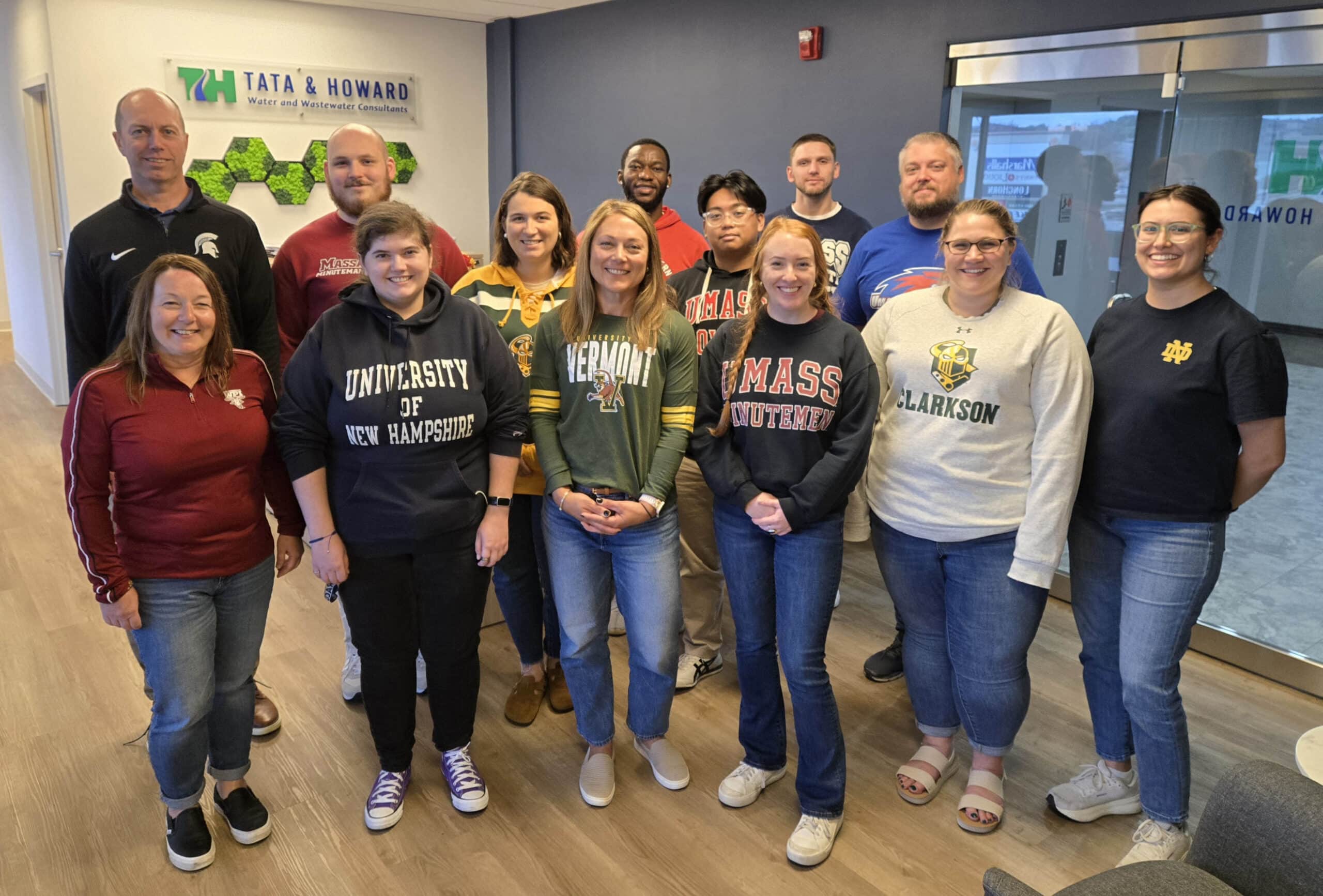
T&H team members proudly wear shirts from their alma maters.

Celebrating Water (and the People Behind It)

 This October, we mark another milestone in T&H’s journey: a company anniversary that is not just another celebration of time, but of impact. It’s a moment to look back on the past 33 years of projects we’ve delivered, the communities we’ve served, and the culture we have built as an ESOP.

It’s also the perfect moment to recognize Imagine a Day Without Water (IDWW), which takes place this year on October 16. This annual day of recognition is led by the Value of Water Campaign and organized by the US Water Alliance. Every year, IDWW asks us to “imagine a day without water” in order to recognize and appreciate just how critical and indispensable this resource is when it comes to not only our daily lives, but to the environment, our communal health, and economy.

But here’s the kicker: you can’t imagine a day without water without also imagining a day without engineers, hydrologists, operators, and technicians. We can’t have reliable, safe drinking water without the people who dedicate their lives to ensuring it. When we reflect on what a day without water would mean, we not only recognize the vital role water plays in our lives, but also the unsung heroes who work every day to keep it flowing.

Conclusion

As we look forward, we know that the challenges facing our industry will only continue to grow more complex. But so will the opportunities to lead, innovate, and make a lasting impact. With every water professional serving as both an expert and an owner at T&H, we are uniquely positioned to meet those challenges head-on.

On this anniversary and while taking part in Imagine a Day Without Water, we celebrate not just what we do, but who does it. To us, water is not just infrastructure; it’s life. And delivering that life, every single day, deserves to be recognized and valued.

2025 PSO Scholarship Winners

Carissa Ashman
Ava Aube

MWWA and Tata & Howard are pleased to announce that Carissa Ashman and Ava Aube were awarded the Patrick S. O’Neale Engineering Scholarship Awards.

Carissa is pursuing an Environmental Engineering/Water Science degree at University of Wisconsin, and Ava is pursuing a degree in Civil Engineering/Environmental from Hofstra University.

Congratulations to both Carissa and Ava on their incredible achievements, and we wish them continued success!

About the Scholarship

Tata & Howard, Inc. is pleased to co-sponsor the Patrick S. O’Neale, P.E. Engineering Scholarship Award through the Massachusetts Water Works Association (MWWA). This award is open to students pursuing a Bachelor of Science degree in Civil or Environmental Engineering at an accredited academic institution in the United States, with preference given to those candidates whose programs of study are related to waterworks practice. 

Water Systems Under Pressure: Planning for Emergencies

When the pressure is high and response time is short, a well-structured emergency response plan (ERP) becomes the foundation of an effective, coordinated action plan. It ensures everyone involved understands their role, knows how to communicate, and has access to the resources they need to restore service quickly and safely.

To build that kind of clarity and coordination, you need to start with the fundamentals.

ERPs: Who, What, Where, When, and Why

When we talk about planning for emergencies, it helps to go back to the basics. Every effective ERP should clearly address the who, what, where, when, and why—not just in theory, but in practice.

  • Who: All those essential to coordinated response, including utility staff, emergency responders, regulators, and local officials;
  • What: Identifies threats and outlines specific emergency response procedures, such as floods, contamination, or system failures;
  • Where: Training and drills can occur onsite, virtually, or in classrooms; the EPA also offers tools and templates online;
  • When: Activated during any threat; must be reviewed regularly and recertified every 5 years; and
  • Why: To protect public health, ensure service continuity, and meet regulatory requirements.

A well-balanced and robust ERP also goes beyond these basics and typically includes, but is not limited to, the following:

  • Utility and personnel information;
  • Communication strategies for notifying the public and stakeholders;
  • Contingency plans for alternative water sources;
  • Distribution and service continuity procedures; and
  • Threat detection strategies and incident response protocols.

Together, these components ensure that when an emergency strikes, utilities can respond swiftly, effectively, and with confidence.

Time is of the Essence

Too often, ERPs are treated as static documents and are only revisited when either required by a regulation or after an incident. However, emergencies rarely occur during convenient moments of downtime, or in line with regulatory deadlines. Given the unpredictable nature of emergencies, ERPs need to be living documents that not only evolve with a team, but with infrastructure and the threats an organization or industry faces.

In fact, the United States Environmental Protection Agency (EPA) agrees. Under the America’s Water Infrastructure Act of 2018 (AWA), all public water suppliers that serve populations of more than 3,300 are required by the EPA to not only develop an ERP, but also to complete a Risk and Resilience Assessment (RRA) — and both the ERP and RRA must be updated every five years at a minimum. Because initial assessments were conducted about five years ago, utilities serving populations over 3,300 are due to update their RRAs and ERPs by the following dates:

  • Over 100,000 population: RRA certification was due March 31, 2025, and ERP certification is due September 30, 2025.
  • 50,000–99,999 population: RRA certification is due December 31, 2025, and ERP certification is due June 30, 2026.
  • 3,301–49,999 population: RRA certification is due June 30, 2026, and ERP certification is due December 31, 2026.

If your utility’s RRA or ERP hasn’t been updated or has yet to be tested through training or drills, we strongly suggest scheduling your review now in order to meet the above deadlines.

What You Need and What That Involves

When it comes to developing or updating an ERP, it requires a methodical approach. While each utility is unique, there are several core components that need to be addressed to ensure a level of preparedness that is fit for a wide variety of emergency scenarios.

To start, there must be a thorough inventory of critical infrastructure. This includes treatment facilities, pump stations, and other essential assets. Each of these should be assessed for potential vulnerabilities and prioritized according to their impact on the operation. This first step is crucial in creating an ERP that ensures not only continuity of service, but minimizes downtime during emergencies and efficiently allocates the necessary resources to protect the water system’s most vital components.

Next is communication planning. An effective ERP will outline how internal teams, external stakeholders, public officials, and the general public will be informed during an emergency. It will also account for any possible disruptions, such as power outages or internet disruptions, and identify communication tools, contact protocols, and responsibilities for the spokesperson that are needed to keep communication flowing.

The communication planning then ties neatly into detailing clearly defined roles and responsibilities. Everyone on a utility’s team, from operators to administrative staff, should understand their responsibilities during different types of incidents. This includes identifying a chain of command, assigning alternates, and maintaining an up-to-date contact list.

Mutual aid agreements should also be reviewed and documented during the ERP-creation process. In many emergencies, collaboration with nearby utilities, contractors, or regional agencies can truly make all the difference between a short disruption and a prolonged service outage. These agreements outline shared resources, personnel, and equipment, and should be maintained as part of your ERP.

Training and exercises are just as essential. Tabletop drills, field exercises, and even partial walk-throughs can greatly help reinforce your team’s familiarity (and confidence) with procedures, identifying areas where the plan may fall short.

An often forgotten component to an ERP is cybersecurity. This aspect has become increasingly important as systems and customer data have moved over to digital platforms. ERPs must account for cyber threats just as seriously as they do physical ones. An ERP should include strategies for isolating affected systems, maintaining operations manually if deemed necessary, and engaging with external support if a breach occurs.

Finally, thorough documentation is key. An ERP should be easy to access in both digital and physical formats, clearly organized, and readily available to anyone who may need it during an emergency.

Facing the Pressure with Confidence

There is no question that today’s water systems are under pressure; however, adequate preparation can greatly affect the outcome. With a well-designed, robust, and up-to-date ERP in place, utilities are equipped to protect public health, minimize service disruptions, and recover quickly from emergencies.

At Tata & Howard, we specialize in helping utilities develop and refine ERPs that go beyond compliance. Our team brings practical insight, regulatory knowledge, and years of hands-on experience to support your emergency planning efforts; from vulnerability assessments to training and implementation. Contact us today to schedule your ERP preparation or training.

ERP in Action

T&H client Cherry Valley recently put their ERP into action when disaster struck. Learn how they were able to successfully navigate the emergency by implementing their ERP.

A Holistic Approach to Water System Engineering

At Tata & Howard, we believe that successful water system projects aren’t defined by individual milestones, but that they’re shaped by how seamlessly each phase connects with each other. That’s why we take a holistic approach to engineering services, ensuring that every step —design, funding assistance, permitting, bidding, construction administration, start-up, and sustainability — functions as part of a fully integrated process.

This approach leads to more efficient projects, better long-term performance, and fewer surprises along the way. Here’s how each element of our process supports the bigger picture and why it works best when everything works together.

Design

Design is at the heart of what we do here at T&H. For us, design is never just about meeting technical specs; it’s about creating solutions that are affordable, highly efficient, and that work seamlessly with the utility as a whole. Our engineers collaborate as partners with our clients to better understand their system needs, operational preferences, and budgets.

Each design includes value engineering to ensure that we’re not just solving today’s problem but setting the stage for long-term performance and resilience. Whether it’s upgrading aging assets or building something entirely new, our goal is always to deliver the most efficient, cost-effective solution possible.

Funding Assistance

Securing funding is one of the most important — and often most challenging — parts of any project. Our team works with clients to identify and apply for funding opportunities such as State Revolving Fund (SRF) loans, USDA Rural Development programs, Emerging Contaminants Grants, and Community One-Stop for Growth applications (to name few).

We know firsthand how to align technical documentation with agency expectations, increasing the likelihood of successful applications. By getting involved early, we can also shape project scopes and timelines to fit available funding, saving time and reducing financial risk.

Permitting

Permitting is more than a regulatory checkbox; it’s a critical link between planning and doing. Our permitting team works closely with local, state, and federal agencies to make sure everything is in order before construction begins.

From the EPA and Army Corps of Engineers to state environmental departments and local conservation commissions, we’ve built relationships that help keep the process moving. And because we understand both the technical side and the regulatory side, we know how to design with permitting in mind to avoid any surprises, and to align with timelines for funding and construction.

Bidding

Bidding isn’t just paperwork; it’s strategy. Our holistic approach ensures that bid packages capture the full intent of the design, comply with permitting constraints, and reflect available funding opportunities. The result is clear: comprehensive documentation that not only protects owners but gives contractors the confidence to submit competitive, well-informed proposals.

Accurate and transparent documents are essential, not only to attract qualified contractors but to maintain scope and budget discipline throughout the project. At T&H, our bid packages are shaped by procurement requirements, regulatory conditions, and design objectives. With clear expectations, detailed scopes, and comprehensive technical details, we give clients a solid foundation on which to build (literally and figuratively).

holistic-approach-water-system-engineeringConstruction Administration

Once shovels hit the ground, things can move fast. Our construction administration team is there to make sure everything stays on track.

We provide on-site resident observation and regular job progress meetings to keep everyone —clients, contractors, and engineers — informed and accountable. We work directly with contractors and clients to answer questions, resolve issues, and avoid any unnecessary delays. Our change order rate is less than one percent and is most often for scope additions requested by the client, not design errors.

Since our project team has been there from the start, we know the project inside and out. That means faster answers, better coordination, and smoother delivery.

Start-Up

Contrary to popular belief, when construction is done, the work isn’t over. Our start-up services help utility staff get comfortable with their new system before it officially goes online.

We stay on-site through commissioning and training to make sure everything works as intended. Operators are shown exactly how to run each part of the system, with documentation and support to back them up. This hands-on approach helps utilities avoid early hiccups and ensures long-term success.

We don’t walk away until everything’s working and everyone’s confident.

Sustainability

The last aspect of our holistic approach is sustainability and it’s a large part of how we design and build. Whether we’re integrating solar panels, optimizing pump performance, or pursuing water conservation goals, we’re always thinking about how to reduce environmental impact and improve long-term efficiency.

We also help clients pursue sustainability grants and funding to make these green choices more affordable. Our team has experience with everything from green building initiatives to source protection and energy efficiency.

These sustainable principles guide our work from the very beginning, so our clients get smarter systems that last longer and cost less to operate.

startup Delivering Synergy from Start to Finish
Each of these services is valuable on its own. But when they’re all part of one connected process, the benefits multiply. Permitting supports design. Design sets up funding. Funding aligns with bidding. Bidding prepares the way for smooth construction. And construction leads directly into successful start-up and sustainable operations.

This kind of integration is what makes Tata & Howard’s holistic approach different. It reduces risk, increases efficiency, and creates better outcomes for our clients and their communities.

The Bottom Line

At Tata & Howard, we see the whole picture. Our holistic approach to water system engineering is about more than just checking boxes; it’s about making sure every step supports the next. The result? Projects that stay on track, within budget, and are built to last.

Whether you’re facing regulatory deadlines, financial constraints, or aging infrastructure, we’re here to help guide you from start to finish with one team, one process, and one shared goal: building smart, sustainable systems for the future.

To see what our comprehensive holistic approach looks like, check out the Falmouth, MA 8.4mgd Long Pond Water Treatment Plant project.

The Three Pillars of Smarter Utility Management

It’s safe to say that today’s water and wastewater utilities have their work cut out for them: daily, they face a complex mix of aging infrastructure, limited funding, climate-related risks, and rising public expectations. And meeting these challenges requires more than reactive fixes — it demands a shift toward strategic and proactive planning and management. That’s where the power of capital planning, comprehensive asset management, and Capital Efficiency Plans comes into focus for smarter utility management.

Together, these three approaches form a closed loop of insight, decision-making, and action, creating a smarter system that allows utilities to do more with less while building sustainable, resilient infrastructure. At Tata & Howard (T&H), we believe that the very future of utility management lies in integrating these strategies into a unified approach, transforming the way utilities operate.

Planning for Performance: Strategic Capital Planning


To start, smart capital planning lays the foundation for utility intelligence. Utility intelligence is a utility’s ability to make informed, data-driven decisions that align operations, maintenance, and investment with long-term goals. It isn’t just about having access to data; it’s about using that data strategically to drive smarter outcomes across an entire system.

T&H’s capital planning framework starts with a deep understanding of a utility’s existing infrastructure, system conditions, and future needs. From there, utilities can identify and prioritize capital projects that align with long-term goals, regulatory requirements, and funding constraints. It’s a holistic process that considers not just engineering data but also demographic trends, risk profiles, and community feedback.

But the real value of strategic capital planning lies in how it connects the big picture to everyday reality. A well-crafted capital plan doesn’t sit on a shelf; rather, it becomes the north star that guides decision-making, funding requests, and operational choices for years to come. It sets utilities on a course toward sustainability, resilience, and fiscal responsibility.

Managing with Insight: Utility Asset Management

If capital planning is the blueprint, asset management is the engine that drives day-to-day performance. It ensures that every pump, pipe, and plant is accounted for, monitored, and maintained to support long-term service delivery.

T&H’s asset management approach empowers utilities to track infrastructure in real time, assess condition and criticality, and make informed maintenance or replacement decisions. Rather than relying on age or guesswork, utilities gain clarity on which assets are most at risk and which offer the best value when upgraded or repaired.

This insight not only improves reliability and reduces unplanned failures, but it also makes budgeting more predictable and defensible. With comprehensive asset data, utilities can align their investments with true need, support regulatory compliance, and extend the life of their critical systems.

In essence, asset management turns raw data into decision-making power, and in doing so, strengthens the backbone of utility operations.

Investing Where It Matters: Capital Efficiency Plans

Capital Efficiency Plans (CEPs) represent the synthesis of smart planning and asset insight, and where strategy and systems intersect to deliver high-impact results. A proprietary methodology developed here at T&H, our CEPs blend hydraulic modeling, condition assessment, and risk analysis into one prioritized, actionable improvement plan.

Unlike traditional capital planning efforts which can be broad and resource-intensive, our CEPs use targeted data collection and modeling to pinpoint exactly where an investment will have the greatest benefit, allowing municipalities the most bang for their budget. The process starts with utility-led workshops to validate data and understand operational challenges. From there, advanced modeling and field assessments inform a ranked list of infrastructure projects.

Our CEP also incorporates innovative methodologies, such as the “Three Circles Approach,” which intersect and overlay physical condition, hydraulic performance, and criticality to identify the most cost-effective upgrades. By aligning capital spending with real-world performance and risk, our CEPs help utilities stretch their budgets further and justify their decisions with confidence.

For many clients, the payoff is almost immediate, with prioritized improvements that reduce emergency repairs, lower lifecycle costs, and improve service reliability.

One Strategy, Three Dimensions

While each of these approaches offers standalone value, their greatest power lies in integration. Together, they form a feedback loop that brings informed decision-making to every level of utility operations.

Let’s break it down:

  • Capital Planning identifies where you’re going;
  • Asset Management keeps your systems aligned with that vision; and
  • Capital Efficiency Planning accelerates progress by directing resources where they’ll do the most good.

This is the foundation of smarter utility systems. It’s not just about spending less or reacting faster — it’s about building an adaptive, data-rich environment where decisions are clear, investments are strategic, and infrastructure is built to last.

Tomorrow’s Utilities Start Today

As infrastructure ages and demands intensify, utilities that invest in strategic utility management today will be best equipped to navigate tomorrow. T&H’s integrated approach, rooted in planning, powered by data, and refined through efficiency, helps municipalities take control of their future.

Whether you’re a small-town system manager or a large regional utility, the principles remain the same: know your system, plan with purpose, and invest with precision. Smarter systems build stronger communities. And with the right strategies in place, every utility can rise to the challenge.

2025 DJT Scholarship Winner

Please join us in congratulating Marlborough High School graduate Dong Ton for being awarded the 2025 Donald J. Tata Engineering Scholarship. Dong will be pursuing a degree in Mechanical Engineering from Brown University in the fall. Congratulations, Dong! 

The Donald J. Tata Engineering Scholarship is an annual scholarship given in honor of Tata & Howard co-founder Don Tata to a deserving senior from Marlborough High School who will be pursuing an engineering degree in college. 

The Quest for Water: Strategies for Public Water Supply Enhancement

Access to clean and reliable drinking water is not only a cornerstone of public health and community resilience, but a right. As municipalities continue to face insurmountable pressures from rapid climate change, population growth, emerging contaminants, and aging infrastructure, the need for innovative strategies to enhance public water supplies has never been more critical.

At Tata & Howard (T&H), we recognize that developing new water sources is not simply a technical endeavor, but rather a comprehensive process that requires thoughtful planning, adherence to regulatory compliance, a deep commitment to sustainability, and the application of industry best practices.

new-sourceComprehensive Services Backed by Regulatory Expertise

At T&H, we approach new water source development with a holistic mindset, emphasizing the interconnectedness of each phase, from initial exploration to long-term operation. Our unique methodology combines technical expertise, environmental stewardship, and community engagement to ensure that new water sources are not only viable but sustainable and beneficial for all.

Our services encompass every aspect of water source development, including test well investigations, pump test proposals, aquifer modeling, permitting, design, and construction. We collaborate closely with clients to navigate the complexities of regulatory requirements, ensuring that each project complies with local, state, and federal standards. This deep understanding of regulatory frameworks ensures that our projects move forward efficiently and without costly delays, while also meeting stringent environmental standards.

At T&H, we have extensive experience in regulatory standards and their respective permits, ranging from the Interbasin Transfer Act, Army Corps of Engineers, the Wetlands Protection Act, the Water Management Act, and more.

new-water-sourceBest Practices in New Water Source Development

Based on our extensive experience, we’ve identified several key best practices that can guide municipalities that are considering the development of new water sources.

Thorough Site Evaluation and Testing

Conducting detailed site investigations, including test wells and pump tests, is essential when assessing the viability of a new water source. These evaluations can provide clear, critical data on water quality, yield, and sustainability.

Comprehensive Permitting and Regulatory Compliance

Navigating the complexities of environmental regulations requires expertise and diligence. Our team has both and regularly assists clients in obtaining the necessary permits and ensuring compliance with all applicable standards.

Sustainable Design and Technology Integration

By incorporating energy-efficient systems, advanced monitoring technologies, and sustainable design principles, municipalities can enhance the performance and longevity of their new water sources, mitigating the need for future repairs or replacements.

Community Engagement and Transparency

Involving the community in the planning and development process fosters trust and ensures that projects align with the best interests of the municipality. Transparent communication and public meetings are vital components of this engagement.

Ongoing Monitoring and Maintenance

After the development of a new water source, continuous monitoring and regular maintenance are crucial to ensure optimal performance and address any emerging issues promptly.

well-site-shrewsburyCase Study: Replacement Wells in Shrewsbury, Massachusetts

A notable project is the Home Farm replacement wells project in Shrewsbury, Massachusetts. This initiative included permitting and design of satellite and replacement wells for the Home Farm Wells No. 6-1 and No. 6-2, Sewell Well No. 5, and Lambert Well No. 3-1. The intent of these projects was to regain lost capacity of the existing sources.

The Home Farm replacement well projects required permitting with the Shrewsbury Conservation Commission, a Water Management Act Amendment, and an Interbasin Transfer Act Request for Determination of Applicability through the Massachusetts Executive Office of Environmental Affairs Water Resources Commission. Each of the replacement well projects required permitting with the Massachusetts Department of Environmental Protection, preparation of bid documents for the installation of gravel packed production wells and pump test, completion of a 24-hour, 48-hour, or 5-day pump test with water quality analysis, preparation of pump test reports, design of necessary infrastructure including submersible pumps, variable frequency drives (VFDs), and piping to connect to the existing water treatment facility.

This project exemplifies the importance of thorough site evaluation and regulatory compliance in developing new water sources. This project also demonstrates the significance of proactive infrastructure maintenance and the role of engineering firms like T&H in facilitating the transition to more sustainable water sources. By replacing outdated wells with modern, efficient systems, the Town of Shrewsbury was able to improve water quality and reliability for its residents.

Conclusion

The quest for reliable and sustainable public water supplies is an ongoing challenge that requires thoughtful planning, innovative solutions, and collaborative efforts. By adhering to best practices in new water source development, municipalities can enhance the resilience of their water systems and ensure that future generations have access to clean, safe drinking water — a core mission here at T&H.

Our team’s commitment to these principles serves as a model for any community that is looking to strengthen their water infrastructure and develop new sources in the face of evolving challenges.

Water and Wastewater Infrastructure Design: Why Niche Expertise Matters

As we celebrate Drinking Water Week and Infrastructure Week in May, we’re reminded of the critical systems that quietly sustain our communities every day. These national observances highlight the importance of reliable drinking water and wastewater infrastructure—services we often take for granted, yet ones that set the very foundation of public health, environmental protection, and economic resilience. Designing and maintaining these systems demands more than general engineering knowledge. It requires focused, niche expertise, and a forward-looking approach.

At Tata & Howard (T&H), water and wastewater are our bread and butter. We’re not a generalist firm splitting attention across various sectors—we are dedicated specialists with a singular mission: to help communities design, manage, and optimize their water and wastewater systems. That niche focus gives us the depth, insight, and precision to deliver exceptional results, stay ahead of the curve, and prepare for the future.

water AND WASTEWATER infrastructureWhy Specialization Matters in Water and Wastewater Design

Water and wastewater systems are among the most complex and critical pieces of municipal infrastructure. They must operate around the clock, comply with ever-evolving regulations, and be able to adapt to population growth and environmental changes. A deep understanding of how these systems function and interact empowers our team to create solutions that are efficient, reliable, and safe.

That’s where our specialized expertise sets us apart.

On the drinking water side, we design transmission and distribution mains, storage tanks, pump stations, and advanced treatment facilities—all tailored to meet specific community needs. On the wastewater side, our work includes sewer mains, pump stations, and treatment plants engineered to meet local, state, and federal regulatory requirements while also operating efficiently and sustainably.

Our designs are built on a robust understanding of hydraulics, chemistry, permitting, and utility operations. But technical design is only one piece of the puzzle—strategic planning is just as important.

Capital Efficiency Plans: A Smarter, Targeted Approach to Infrastructure

At T&H, we help municipalities stretch every infrastructure dollar further. Our trademarked Capital Efficiency Plans (CEPs) are a fast-tracked, highly structured approach to water, wastewater, and stormwater asset management. Designed to identify and prioritize system needs, the CEP empowers communities to take proactive steps, avoiding costly emergency repairs and accelerating much-needed maintenance.

Through a simple, three-step process, our engineers work hand-in-hand with municipalities to assess underground utilities, flag segments needing repair, replacement, or rehabilitation, and create a clear, actionable plan. What makes the CEP unique is its three-circle Venn diagram approach, which evaluates each pipe segment using three key criteria: hydraulic modeling, asset management, and criticality. Where these criteria overlap, infrastructure vulnerabilities are given higher priority. It’s a visual, data-driven method that provides immediate clarity and direction.

Each CEP includes GIS mapping and a detailed asset database that outlines priorities, cost estimates, and phasing strategies. This comprehensive reporting gives municipal leaders the tools they need to confidently budget and plan, year over year.

At a time when state and federal infrastructure funding is limited, and aging systems continue to strain local budgets, the CEP provides a powerful path forward. Communities like Northampton, Worcester, and Melrose, Massachusetts have already benefited from this approach, completing more projects with fewer surprises and stronger long-term outcomes.

water testInnovation in Action: Staying Ahead of Emerging Contaminants

The water industry never stands still, especially when it comes to water quality. As new contaminants of concern emerge and regulations tighten, utilities are expected to respond quickly and effectively. At T&H, we protect public health and earn community trust by staying one step ahead of the curve.

PFAS, or per- and polyfluoroalkyl substances, are a clear example. These persistent synthetic compounds—often called “forever chemicals”—have become one of the most urgent issues facing drinking water systems across the country. With new limits on the horizon and public awareness on the rise, utilities need proven, forward-thinking solutions.

At T&H, we’ve been addressing PFAS head-on for years. Before it became a national focus, we were already helping communities plan for it. One example is our work with the Wading River Water Treatment Plant in Attleboro, MA, where we conducted pilot testing to evaluate treatment options for PFAS removal. By testing a variety of treatment media, we helped identify effective, sustainable solutions tailored to that system’s specific needs, equipping our client with a head start on long-term compliance.

However, PFAS aren’t the first emerging issue we’ve helped utilities manage. When manganese began gaining attention as more than just an aesthetic nuisance, we were already developing dedicated treatment systems to address it. At the Home Farm Water Treatment Plant in Shrewsbury, MA, we piloted the use of Mangazur® biological filtration to remove manganese from groundwater—an approach that proved both effective and cost-efficient for our client.

Whether the challenge is PFAS, disinfection byproducts, or nutrient removal in wastewater, our team is always evaluating new technologies, anticipating regulatory shifts, and delivering solutions that are both forward-looking and practical. For us, staying ahead isn’t just a matter of innovation, but rather, it’s part of the commitment we make to every community we serve.

A History of Firsts and Forward Thinking

Our legacy is built on innovation driven by a commitment to innovation and community partnership. We’ve been early adopters of advanced tools such as hydraulic modeling, GIS-based asset management, water audits, and CEPs, and we were the first to recycle Greensand backwash water in Massachusetts at a water treatment facility in Natick, MA.

By integrating these technologies early, we’ve helped utilities uncover inefficiencies, reduce non-revenue water, improve maintenance schedules, and phase out aging infrastructure in the most cost-effective way possible. We take pride in serving as trusted advisors, not just technical experts.

That support also extends to helping clients secure state and federal funding, including grants, low-interest loans, and SRF (State Revolving Fund) assistance. We align each project’s technical and financial goals with the most appropriate funding mechanisms—unlocking resources that might otherwise go untapped.

Building for the Future, Every Day

The success of any infrastructure project is dependent on more than just technical experience and excellence. It requires clear communication, a shared vision, and a genuine commitment to partnership. Our clients count on us for all of that, and more.

During Drinking Water Week, we celebrate the essential role that clean, safe water plays in our lives. And during Infrastructure Week, we honor the engineers, operators, municipal staff, and public officials who keep those systems running strong.

At Tata & Howard, we’re proud to stand with them. Because to us, water isn’t just an industry; it’s our purpose. And we’re proud to dedicate every day to building the water and wastewater systems that keep our communities healthy, resilient, and thriving.