
 February 21-27, 2016 is very special to Tata & Howard, as it is National Engineers Week. National Engineers Week — or “EWeek” — was first celebrated in 1951 by the National Society for Professional Engineers (NSPE), and since then has been celebrated annually in February during the week that contains the birthday of our nation’s first engineer — George Washington.
EWeek is an opportunity for organizations and individuals to highlight the importance of engineering skills such as math, science, and technical literacy. According to the NSPE, EWeek is a formal coalition of more than 70 engineering, education, and cultural societies, and more than 50 corporations and government agencies. Dedicated to raising public awareness of engineers’ positive contributions to quality of life, EWeek promotes recognition among parents, teachers, and students of the importance of a technical education and a high level of math, science, and technology literacy, and motivates youth to pursue engineering careers in order to provide a diverse and vigorous engineering workforce.
Introduce a Girl to Engineering Day
 Started 15 years ago in 2001 as a joint effort between NSPE, IBM, and the National Engineers Week Foundation, Introduce a Girl to Engineering Day always falls during EWeek, this year on February 25. “Girl Day” is a special opportunity for engineers to introduce more girls and young women to engineering, and to show them the creative side of engineering and how it changes our world.
Engineering has long been a male-dominated profession. In recent years, engineering colleges and universities have focused on increasing enrollment of females, and currently the female undergraduate enrollment at Rensselaer Polytechnic Institute is 31%, at California Institute of Technology is 39%, and at Massachusetts Institute of Technology is 46%. However, the national average of female engineering students remains at a dismal 18%, and the number of employed female engineers is even more alarming: currently, only about 11% of our nation’s engineering workforce is female.
At Tata & Howard, we esteem engineers who embrace our core values of teamwork, efficient solutions, client satisfaction, integrity, and positive attitude, regardless of gender, and currently 25% of our engineering staff is female. Our female engineers are bright, energetic professionals who are valued every bit as much as their male counterparts; in fact, two of the six members of our Board of Directors are women. So in celebration of EWeek and Girl Day, we’d like to introduce you to some of our phenomenal female engineers.
Tata & Howard’s Women in Leadership
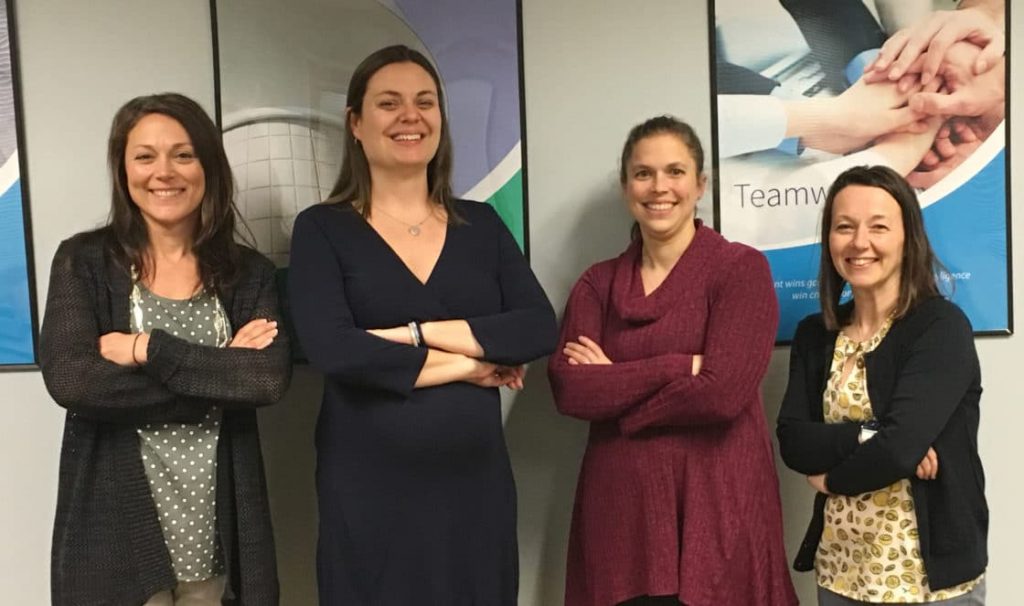
Karen Gracey, Vice President, Manager of Business Development and member of the Board of Directors, has over 17 years of concentrated water system experience. Karen holds a BS in Environmental Engineering from the University of Vermont and has been with the firm since she graduated. She has completing numerous hydraulic modeling projects, and is certified in WaterGems and InfoWater software. Among the projects strengthening her resume are a number of water main designs, Capital Efficiency Plans™, pump stations, and storage tanks designs. Additionally, Karen has concentrated experience in water system evaluations, with the completion of over 30 water distribution system studies and asset management plans.
Jenna Rzasa, Vice President, Manager of Finance and member of the Board of Directors, has over 18 years of concentrated water system experience with specialized expertise in water system design. She holds a BS in Civil Engineering from Worcester Polytechnic Institute and has been with the firm since she graduated. Her experience includes new source development, water system analysis, and water audits using the AWWA M36 methodology.
Justine Carroll, Project Manager, has 10 years of concentrated experience in water system modeling, holds a BS in Environmental Engineering and an MS in Environmental and Water Resource Engineering from Tufts University, and has been with the firm since she graduated. She is the Team Leader for the Hydraulics Group and is certified in WaterGEMS and InfoWater modeling software as well as in ESRI – ArcGIS Desktop II and III. Justine is also actively involved in Special Olympics and volunteers her time as a swim coach.
Amanda Cavaliere, Project Manager, has over 16 years of concentrated experience in water and wastewater engineering and holds a BS in Civil Engineering from Roger Williams University. She has been with the firm for 13 years and she is the Team Leader for the Wastewater Group. A seasoned expert in water and wastewater engineering, Amanda has worked on numerous wastewater treatment plants, water mains, and evaluations throughout New England.
Our Female Engineers
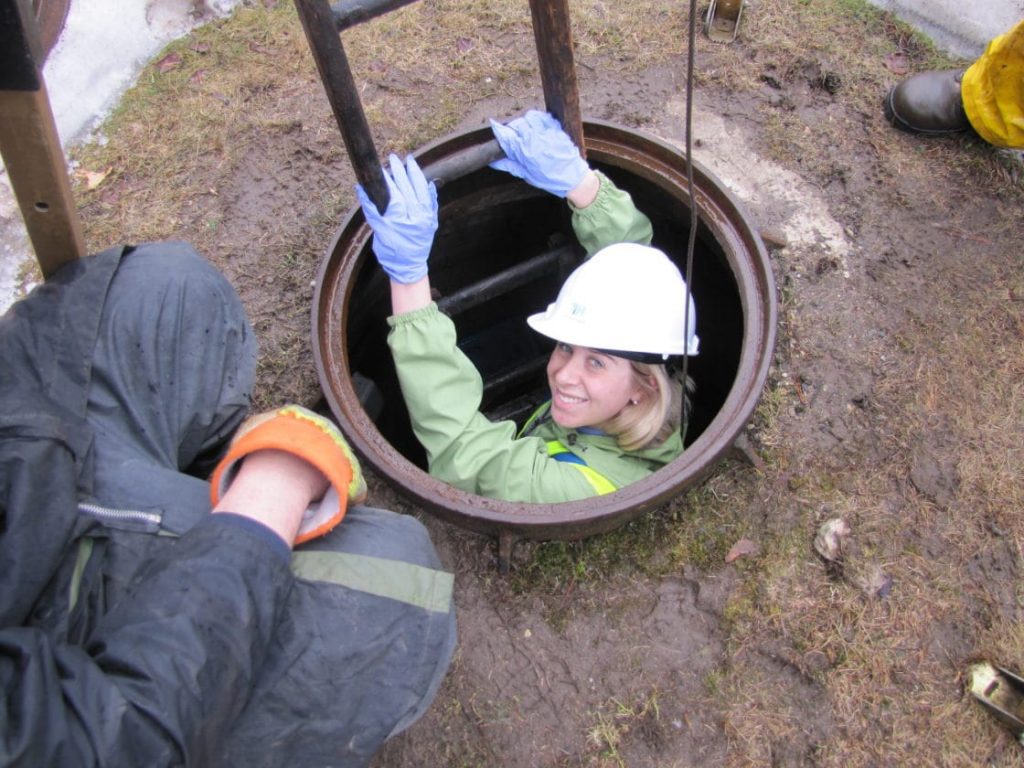
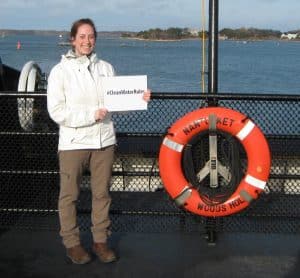
In addition to Karen, Jenna, Justine, and Amanda, we have many other talented female engineers throughout the company. Melissa Leach, Project Manager in our St. Johnsbury, Vermont office, has over 20 years of engineering experience and holds a BS in Civil Engineering from Washington University. Project Engineer Valli Sukuru from our Waterbury, Connecticut office has over eight years of water engineering experience and holds an MS in Civil Engineering from University of Texas at San Antonio and a BS in Civil Engineering from National Institute of Technology in Warangal, India; and Project Engineer Meghan Dineen from our Lakeville, Massachusetts office has been with the firm since 2008, when she graduated from University of Massachusetts, Amherst (UMass Amherst) with a BS in Civil and Environmental Engineering. We also have women at the Assistant Project Engineer and Engineer levels who are valued members of the team and make significant contributions to the water, wastewater, stormwater, and environmental engineering consulting services the firm provides.
Tata & Howard is proud of our extensive engineering talent base, both male and female, and we look forward to meeting — and hiring — the girls and young women of today who will become the engineering stars of tomorrow. Happy National Engineers Week and Introduce a Girl to Engineering Day!

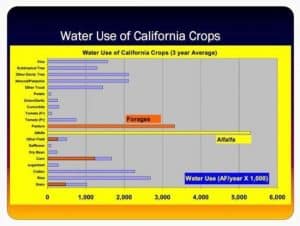


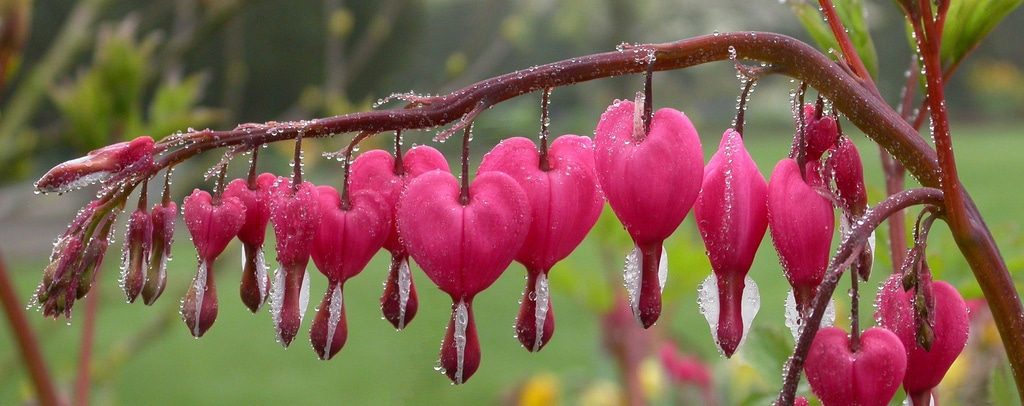
 Chocolate is one of the most traditional Valentine’s gifts — and one of the most disastrous. Cacao — more commonly referred to as cocoa — can only be grown up to 20 degrees north and south of the equator, and most of the world’s chocolate is grown in Africa. Because global demand of chocolate is expected to double by 2050, farmers are struggling to meet demand and have turned to unsustainable farming methods. Planting cocoa trees in full sunlight yields more bountiful, but lower quality crops, and it also encourages weed growth and pest infestation, which requires more pesticide and chemical application. Cocoa farming has led to major deforestation and soil erosion, and has destroyed wildlife habitats. While governments have tried to protect rainforests after witnessing the destruction that cocoa farming has wrought, farmers continue to illegally clearcut forests to plant more cocoa. And if that’s not bad enough, many African cocoa farmers utilize children to harvest the trees. Most of these children are between the ages of 12 and 16, but children as young as 5 have been found working the fields. These children often work 12 hour days, their wages are typically well below the poverty line, and they frequently experience abuse. The safest way to buy chocolate is to buy organic, fair-trade and rainforest certified chocolate. Organic chocolate is grown in Latin America, where there are no documented cases of child labor. Fair-trade certified ensures that the workers earn a fair wage, and rainforest certified ensures that the cocoa was grown using sustainable methods.
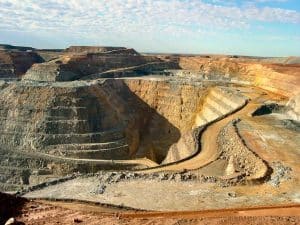 The vast majority of gold mining is an extremely environmentally destructive practice. For each gold ring, over 20 tons of rock and soil are dislodged and discarded, bringing with it cyanide and mercury that are used in the mining process. These toxins enter waterways, polluting our water supply and harming marine life, and elemental mercury is released into the air, compromising air quality. But while the majority of gold mining is done without any regard for the environment, there is a movement to change this practice. When purchasing gold jewelry for your sweetheart this Valentine’s Day, look for gold mined by artisanal and small scale miners. Some safe retailers include
 Shovel early and often. While this may not seem like much of a pollution deterrent, it actually makes a huge difference. Removing the bulk of snow before it is allowed to freeze greatly reduces the amount of deicing products needing to be applied. Consider utilizing a garden hoe to remove that last pesky layer of ice.
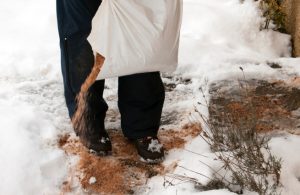 Use only the smallest amounts of sand required for traction control. While admittedly a better option than deicing products, sand has the potential to cause environmental damage as well. Sand can clog storm drains, causing flooding. It can also enter surface waters, clouding the water, burying the ocean floor, and filling in habitats. Due to these environmental concerns, sand should be used only sparingly on icy surfaces and should be swept up promptly at the first sign of spring. Sawdust is an alternative option for traction control that causes less pollution. Still, it should also be swept promptly in the spring.
 Choose a commercial car wash facility over washing your car at home. While those warm winter days may entice you to break out the garden hose and bucket, the residual water has nowhere to go but down the driveway, particularly when there is a lot of snow cover. Bringing with it soap, dirt, and pollutants along the way, this water enters storm drains and waterways untreated. The Clean Water Act requires that car washes to pipe their used wash water directly to water treatment plants or into state-approved drainage facilities specifically designed to protect the environment. In addition, a commercial car wash uses about half the water used during a home wash. The negligible cost of a commercial car wash is well worth the benefit to the environment.
 The first step towards making an informed decision about energy efficiency at a wastewater treatment facility is an
 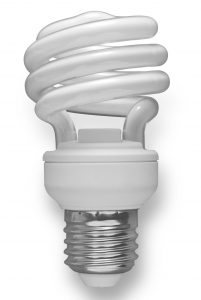 Heating, Cooling, and Ventilation Systems
 While updating equipment is a great way to increase energy efficiency, even more important is training managers and staff to think and operate efficiently. Educating wastewater utilities’ staff on the importance of energy conservation and on best practices yields significant savings for wastewater utilities and the environment.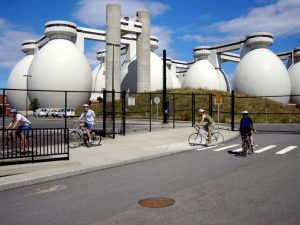
 Water is life. No truer words were ever spoken, for without freshwater, life simply cannot exist. The first civilization in recorded history settled in Mesopotamia, or the “cradle of civilization” which is now modern day Iraq, Iran, Syria, Kuwait, and Turkey, due to its location between the Tigris and Euphrates Rivers. And since the dawn of history, water conflict has erupted when supply has become scarce.
 The first recorded water conflict took place in the “Gu’edena” region, known as the “edge of paradise.” King Urlama, who ruled Lagash from 2450 to 2400 BC, diverted regional water to boundary canals, which dried up boundary ditches and deprived Umma of water. Furthering his father’s work, King Urlama’s son cut off the water supply to Girsu, a city in Umma. Since this first recorded water war,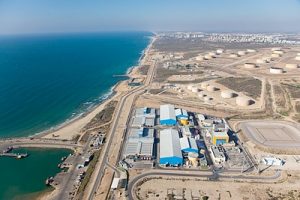
 With the beginning of each new year come all sorts of resolutions – to eat better, spend less, organize the house, and clean the garage. But the most commonly made resolution by far is to exercise to get into better shape. And while we agree with this resolution 100%, it may not be for the reasons you think. You see, we think you DO need to exercise – your fire hydrants!
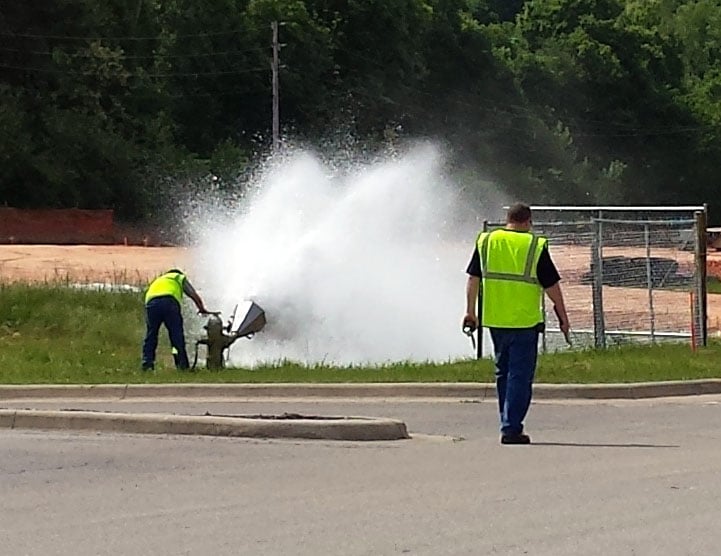 While the primary objective of unidirectional flushing is to clean mains, there are also many secondary goals and benefits. Exercising hydrants and valves prolongs the life of the valves while also locating closed or broken valves. In addition, flushing helps to narrow down a search area when trying to determine the cause of water quality or pressure issues in a specific area of the system. In a best case scenario, the flushing will actually alleviate the water quality issues by flushing out any debris or buildup that is causing the problem. Also, there are often discrepancies between the hydraulic model and the distribution system that can be discovered and addressed during flushing. Lastly, flushing helps to determine or disprove suspected system issues. Frequently, these issues are not of an emergency nature and can either be readily corrected during the flushing process or can be scheduled for repair at a convenient time, BEFORE they require critical attention.
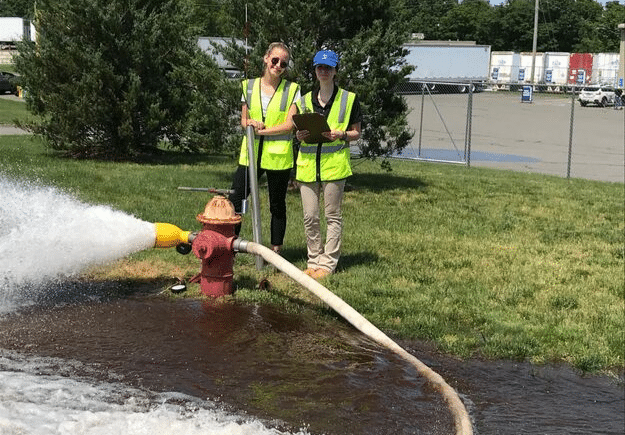 According to The American Water Works Association (AWWA), “distribution system deficiencies continue to be responsible for more then 25 percent of waterborne disease outbreaks in the United States each year, a statistic that underscores the need for water suppliers to effectively control water quality within the distribution system. Flushing is one of the most powerful tools available to a water utility for maintaining this control.” For this reason, AWWA has published a set of guidelines to follow when implementing a unidirectional flushing program. They recommend a minimum velocity of 3.0 feet per second, and also recommend that system pressure in the surrounding area maintain 20 psi, similar to the concept of adequate fire flow availability.
 During the holiday season, we typically hear about gifts on the 12 days of Christmas, eight days of Chanukkah, or seven days of Kwanza. And in the spirit of the season of gift-giving, many people choose this time of year to donate food to shelters or toys to needy children. We here at Tata & Howard love this time of year and the generosity that is so prevalent, but we are also committed to giving back to the local and global community throughout the year. So this holiday season, we have compiled the 12 Months of Giving — a list of 12 philanthropic events in which we have had the honor of participating in 2015.
 Charity of Choice: Water For People
 Racing for the Jimmy Fund
 Food Drive
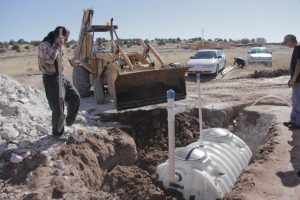 Navajo Nation Water Cistern Donation
 We celebrate Clean Air Day on December 17 each year in honor of the Clean Air Act, which was first passed on that day in 1963. The Clean Air Act, which is a federal law, was originally adopted in an effort to control air pollution. It was one of the first environmental laws in the United States and it helped pave the way for future environmental safeguards, including the Clean Water Act of 1972, which protects our nation’s waters. Both the Clean Air Act and the Clean Water Act are administered by the U.S. Environmental Protection Agency (EPA) in coordination with state and local governments. To this day, the Clean Air Act remains one of the most exhaustive air quality laws in the world.