T&H Engineers Participate in “Fight For Air Climb” 2022

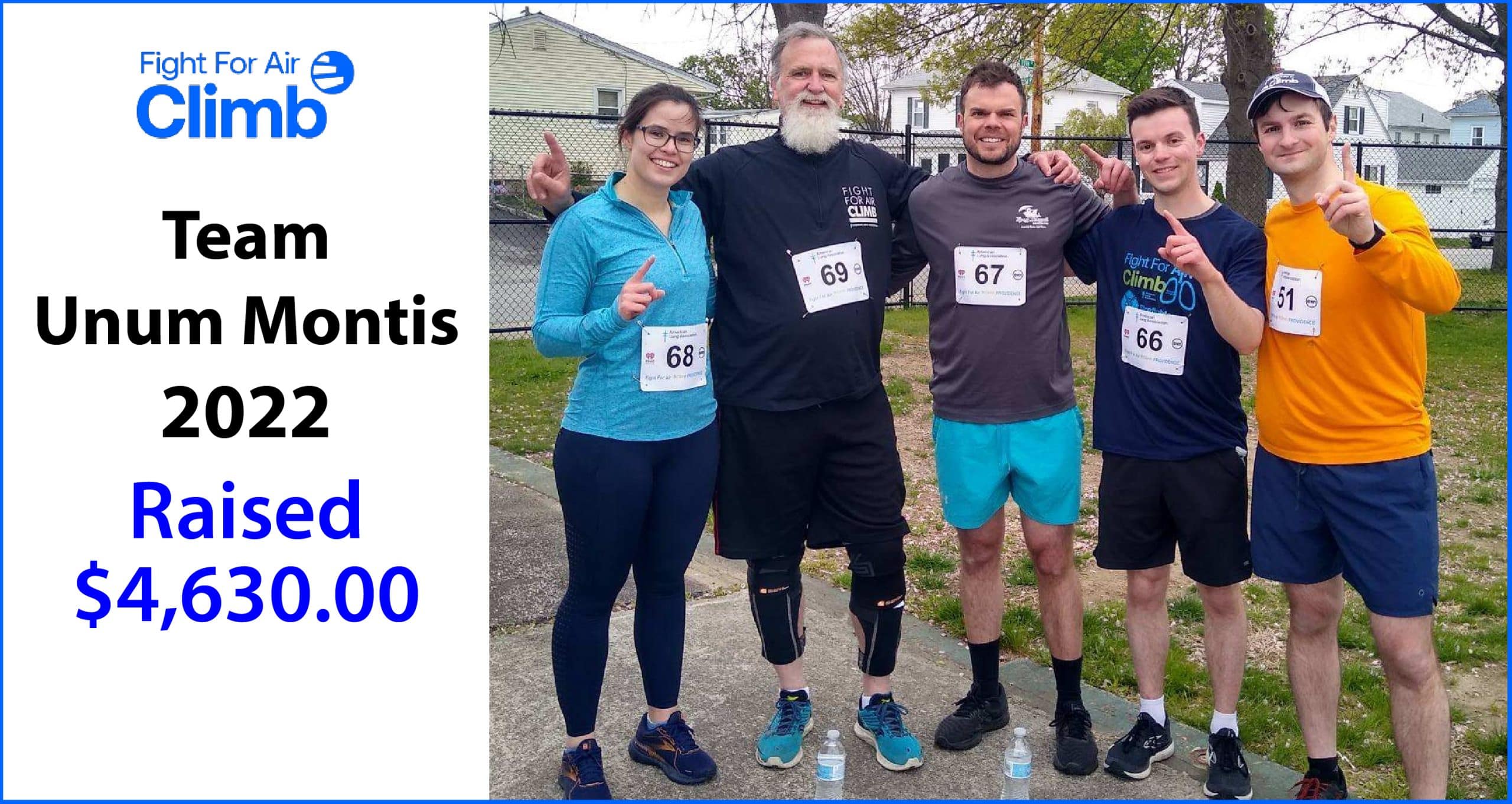
Team Unum Montis Champions "Fight For Air Climb" Competition With
Overall Lowest Time and Second Highest Fundraising Efforts!

Kudos to Team Unum Montis!

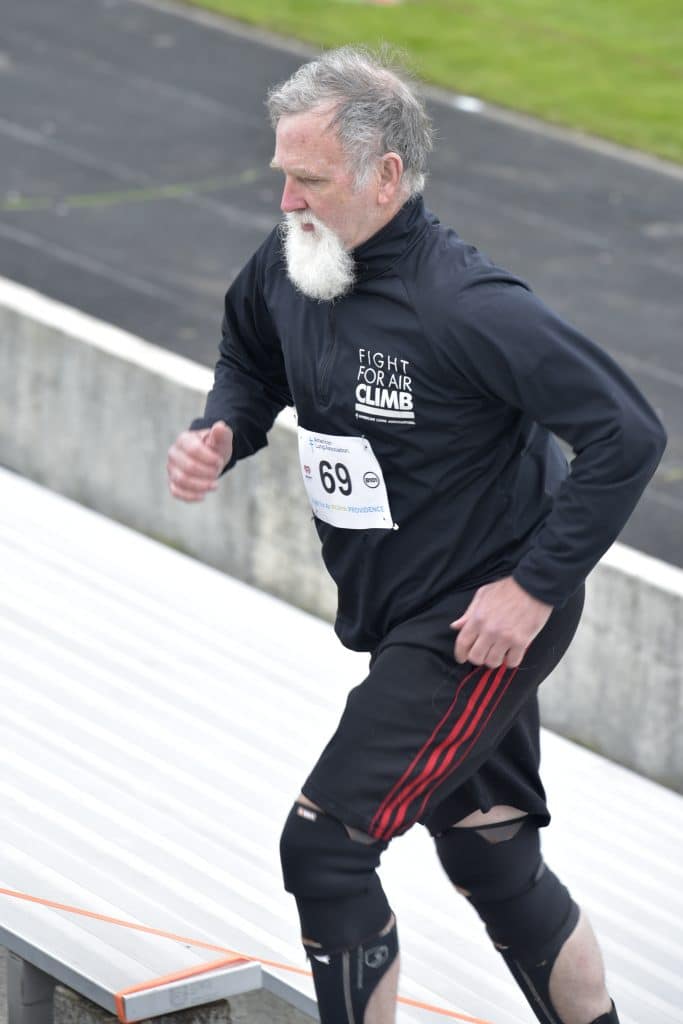
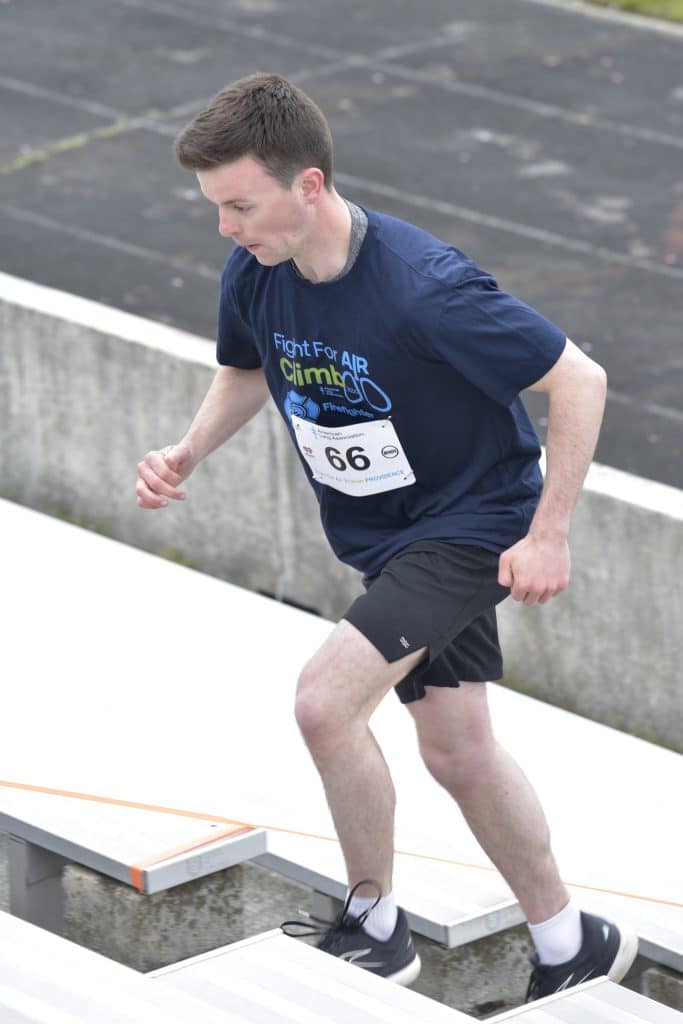
On Saturday, May 7th, Tata & Howard team members Robert Sims and Matt O’Dowd participated in the “Fight For Air Climb” at Pierce Memorial Stadium, Providence, RI. The “Unum Montis Team,” which included Robert and Matt, alongside Meagan Heslin, Shawn Giatas, and Wiktor Tomkiewicz, won the team competition (lowest total time of 5) by over 5 minutes.

In the eighth year of fundraising for the American Lung Association’s (ALA) “Fight for Air Climb,” the Unum Montis Team increased fundraising efforts finishing at $4,630. Congrats Team!

Robert Sims

Matt O'Dowd

For more than 115 years, the American Lung Association (ALA) has been the champion of lung health. The fundraising monies contribute 90 cents of every dollar to program services, impacting more than 20 million Americans each year.

  • Defeating lung disease
  • Championing clean air for all
  • Improving the quality of life for those with lung disease and their families
  • Creating a tobacco-free future.

Let’s Connect

Robert P. Sims, P.E.
Project Manager
rsims@tataandhoward.com
Direct: (508) 219-4017
Cell: (508) 320-4767

Matt O'Dowd

Let’s Connect

Matt O’Dowd
Assistant Project Engineer
modowd@tataandhoward.com
Direct: (508) 386-9352

Employee Spotlight: David Lombardo

Employee Spotlight #7 – It is our pleasure to shine the spotlight on David J. Lombardo, P.E., Associate.

David’s career in engineering began in 1994. Directly out of college, he started a job with Roald Haestad, Inc., learning the water and wastewater aspects of civil engineering with a specific emphasis on Pump Station designs and construction oversight. In 2014, Tata & Howard acquired Roald Haestad, Inc., and David joined the Tata & Howard team.

His experience with Pump Station designs has been extensive, ranging from small to very large and complex. David summed up his experience by saying, “the unique challenges of the modern-day pump station design always comes down to the fact that no two pump station designs are identical; each has its own parameters and challenges.”

He shared that project considerations are many when designing a pump station beyond the water demands and pump capacities; other factors such as space availability, safe access, durability, low maintenance, upgradeability, etc., while balancing the client needs and staying on budget.

David shared that one pump station design project was particularly challenging due to limited land availability; Eventually, a house foreclosure in the area allowed the project to move forward. The design maintained the outer façade of the house with interior modifications that included gutting the inside and casting concrete floors to convert the interior into a potable water pumping station complete with four pumps, associated piping, electrical equipment, instrumentation, and controls.

The design included converting an attached garage into a standby power generator room equipped with acoustic louvers in the walls for cooling and combustion and lined with sound deadening insulation to minimize generator noise from reaching the neighbors. This above-ground replacement pump station allows easy access and enhanced safety while blending in with the neighborhood aesthetics.

David’s passion and experience for pump station designs continue to expand, building upon what he shared at the beginning of this spotlight, “the unique challenges of the modern-day pump station design always comes down to the fact that no two pump station designs are identical.” Thanks for sharing David!

Let’s Connect:
David J. Lombardo, P.E., Associate
37 Brookside Road, Waterbury, CT 06708

E – dlomardo@tataandhoward.com     |     P – 203-528-0263  


T&H Flushing Plan Showcased in Municipal Water & Sewer Magazine

Daniel Rowley, Water and Sewer SuperintendentShrewsbury MA utility boosts water quality with a carefully executed treatment and flushing plan

To combat a long-standing water-quality problem, the Town of Shrewsbury Water and Sewer Division in Massachusetts recently completed a comprehensive unidirectional flushing project aimed at removing manganese from its water mains.

A local contractor performed the flushing using a plan developed by Tata & Howard, a firm that’s been the utility’s consultant since the 1990s. The water system features about 207 miles of mains, mostly made of asbestos cement, ductile iron and PVC pipes. It includes more than 11,000 service connections and serves about 38,000 people. Read more

Charles River Clean-Up 2022

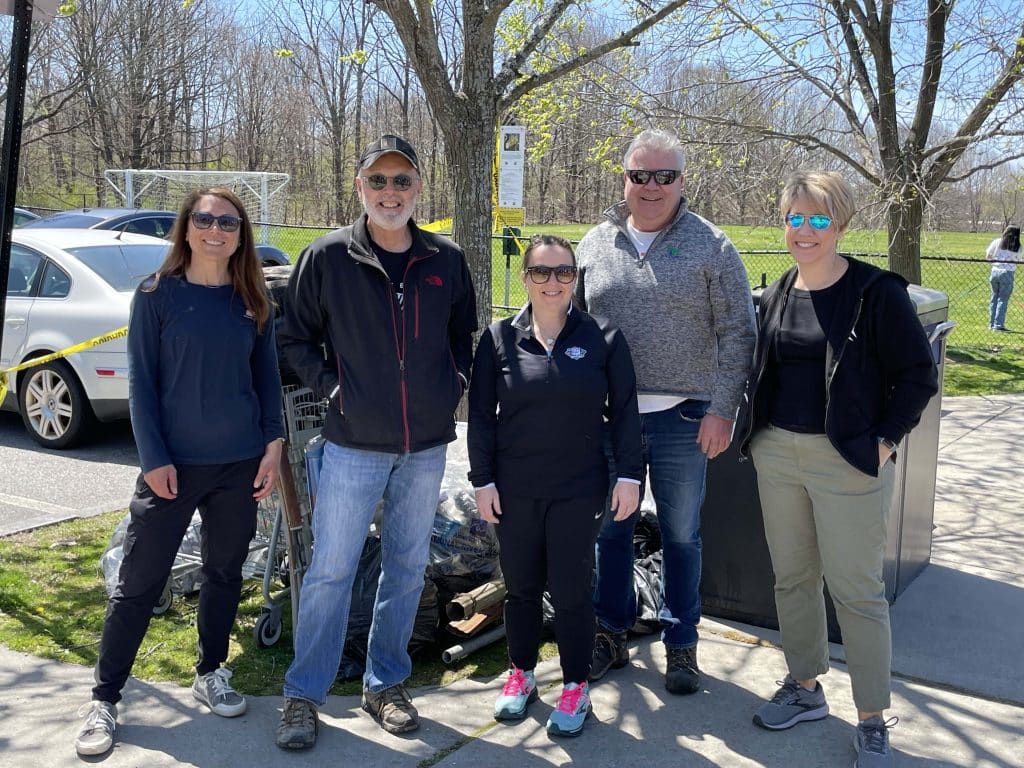
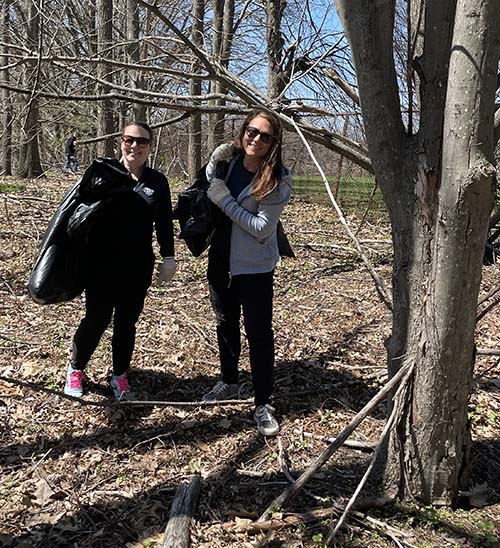
Team Tata & Howard joined 3,000+ volunteers participating in the 23rd Annual Earth Day Charles River Cleanup! It was a beautiful Saturday to get out of the house and lend a helping hand to Mother Nature!

Our team picked, tugged, lugged, and hauled away litter around the Upper Falls Playground. We even made a new friend, neighbor Barry Soroka, who lives close to the park; looking forward to seeing you next year, Barry!

Location: Upper Falls Playground, Newton Upper Falls, MA

2022 PSO Scholarship Winner

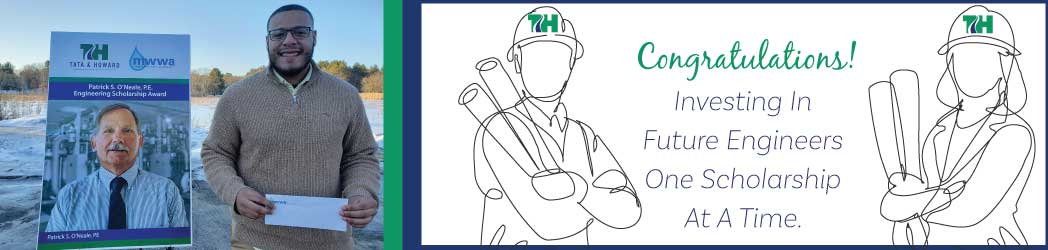
The Massachusetts Water Works Association (MWWA), jointly with Tata & Howard, Inc., (TH) announced Joseph Diaz (JD) as the first recipient of the co-sponsored Patrick S. O’Neale P.E. Scholarship. 

In May 2022, Joseph Diaz will graduate from Merrimack College, embark on a full-time job, and after graduation,  pursue his Master of Science in Engineering Management degree in the evening. His favorite person in the Engineering field, Arthur Casagrande (1902 – 1981); per Joseph, “without him, our understanding of the liquid limit test of knowing the soil’s strength, consistency, and behavior would be limited.” We asked Joseph to share his “Greatest of All Time” experience, sparking his interest in engineering. His response was “a 7th-grade city-wide challenge to repurpose open spaces. My assignment; was to create a self-watering community garden. With a flip of a switch, the garden was self-watered, and so was my curiosity about how things work.” Our interview wouldn’t be complete without asking this last question, “What would you like to accomplish in the next ten years?” His answer: to complete my master’s degree; become a mentor to youth interested in S.T.E.M., and fulfill my dream of returning to my homeland, the Dominican Republic, to assist provinces with my engineering skills.

Joseph, the Tata & Howard and MWWA teams congratulate you and wish you much success!

2021 DJT Scholarship Winners

Donald-tata-scholarshipTata & Howard is pleased to announce that Ryan Pearl and Jacob Byron from Marlborough High School are the winners of the 2021 Donald J. Tata Engineering Scholarship Awards.

Ryan Pearl plan to pursue a Civil Engineering degree from Northeastern University, while Jacob Byron plans to pursue a degree in Computer Science Engineering from the University of Massachusetts, Dartmouth. Congratulations to both of these very deserving graduating seniors!

The Donald J. Tata Engineering Scholarship Awards are annual scholarships given in honor of Tata & Howard co-founder Don Tata to deserving seniors from Marlborough High School who will be pursuing engineering degrees in college.

Employee Spotlight: Paul Howard

Employee Spotlight #6: We are excited to shine this week’s employee spotlight on Senior Vice President, Paul Howard. Paul co-founded Tata & Howard nearly 30 years ago with the late Donald J. Tata, and has been dedicated to the company since day one, October 19, 1992.

Coming from a long line of engineers, Paul’s father, grandfather, and great-grandfather owned Whitman & Howard, Inc., a prominent New England civil engineering firm founded in 1867. Growing up around engineers provided Paul the opportunity to be exposed to the field at a young age, and as early as 5-years-old, he could be found on construction sites with his father. By 14 he was working on a survey crew gaining even more experience before entering Worcester Polytechnic Institute to obtain a degree in civil engineering.

Paul’s favorite types of projects involve water treatment plants and water supply development. The most memorable project worked on, and the second official T&H project, was the Elm Bank Pump Station job, no. 1002. The Elm Bank Pump Station was the culmination of approximately 10 years of work to develop the water supply for the Towns of Natick, Wellesley, Needham, and Dover. Natick was the only Town to move forward with developing the source. At the time, the pump test for the supply was the largest pump test ever conducted in the state of Massachusetts. Four wells were pumped at 4 million gallons per day.  Seven thousand feet of discharge piping was used. The permitting for the project was extensive and in the end limited the Town to 2.2 mgd out of an approval yield of 7.0 mgd.

When he’s not at one of the T&H offices, Paul enjoys golfing and snowboarding, traveling, and spending time with family. A fond travel memory dates back to childhood when he went fishing at the Arctic Circle and the Northwest Territory of Canada. On this special trip he caught a 31.5 pound lake trout, an 11 pound arctic char, saw an albino wolverine, and piloted a six passenger airplane.

T&H Engineers Participate in ‘Fight For Air Climb’

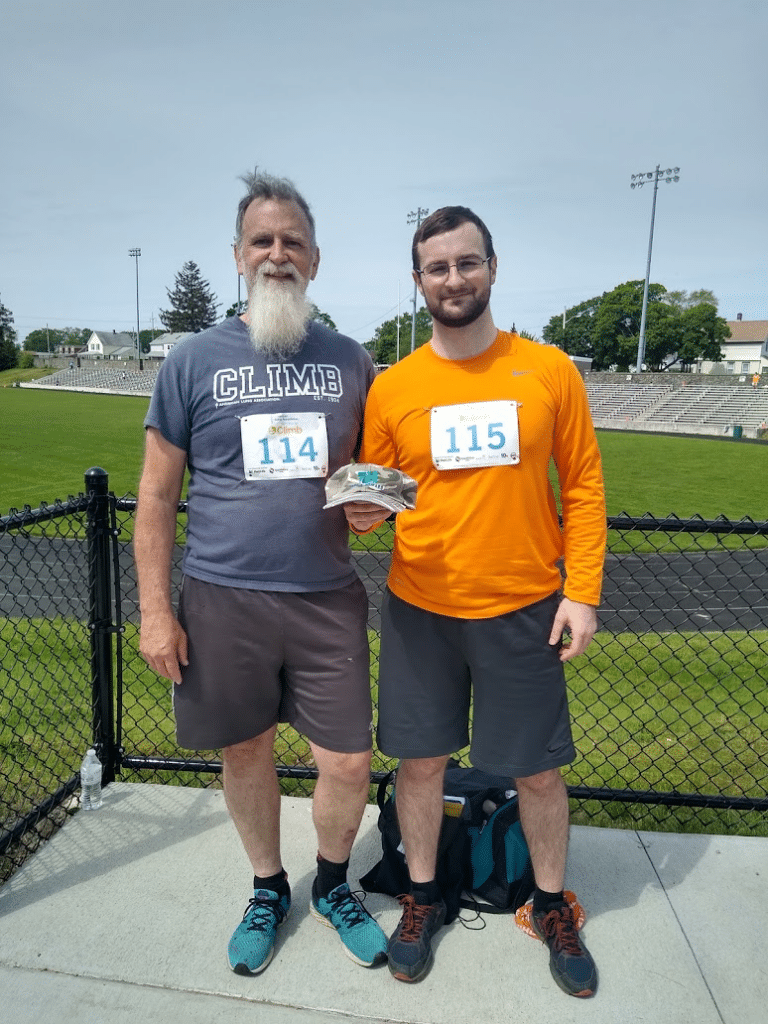
Robert Sims, Project Manager, and Wiktor Tomkiewicz, Engineer recently participated in the American Lung Association’s (ALA) Annual ‘Fight For Air Climb”, an event dedicated to supporting the mission of the ALA.

The American Lung Association works to save lives by improving lung health and preventing lung disease. Originally founded by volunteers 115 years ago with the end goal of eradicating the threat of tuberculosis, the ALA now focuses on defeating other respiratory diseases.

Their main strategic imperatives include:

  • Defeating lung disease
  • Championing clean air for all
  • Improving the quality of life for those with lung disease and their families
  • Creating a tobacco-free future.

By participating in the Fight For Air Climb, supporters are making a positive impact on those whose lives are affected by lung disease.

Robert and Wiktor created a team, Unum Montis, and raised $3,015 to support the ALA and to ‘climb for those who can’t.‘ Unum Montis was the 4th highest fundraising team, helping the organization to reach their $110,000 fundraising goal.

The Event

Team Unum Montis participated in the Providence, RI climb at Pierce Memorial Stadium on May 22, 2021. There were 350 stairs to climb (up and down) at the event, with ~ 700 steps in total, including the flat sections between stair sections, as well as the dash across the field.

The event times were logged by Racewire, and the results can be viewed here .

Training

  • Robert and Wiktor trained for three months leading up to the event. In addition to physical training, the two teammates engaged in some mental preparation – mainly some competitive trash talking as well as lots of conversations about race day strategy.
  • One of Robert’s secrets to preparation was to do a “natural blood doping”, which involved eating lots of red meat and staying away from leafy greens.
  • Although Wiktor was the overall winner, his initial goal was not to win the entire race, but to avoid losing to Robert. Looks like that motivation paid off!

Congratulations to Robert and Wiktor! Tata & Howard appreciates and supports such a great cause.

Emergency Preparedness

Why Staff Needs to Know the Plan Ahead of Time

Benjamin Franklin once said, “by failing to prepare, you are preparing to fail.” While this remains true for all facets of life and community responsibility, the notion of emergency preparedness is critical, particularly within the water sector. Emergency preparedness strategies are designed to ensure that all processes can run smoothly during a crisis, and that clean, safe drinking water and sanitary services will continue to be provided to customers.
The most common (and required) method of emergency preparedness for water suppliers and utilities are Emergency Response Plans (ERP). ERPs are mandatory for all public water suppliers, and public water systems in Massachusetts are required to provide a minimum of 10 hours of Emergency Response training annually for all employees. Trainings help water system managers and staff explore vulnerabilities, make improvements, and establish procedures to follow during an emergency. Preparing and implementing a response plan can save lives, prevent illness, enhance system security, minimize property damage, and lessen liability.

There are many components to an ERP, each playing a key role in mitigating issues.

  • EPA Certification Form
  • Introduction
  • Response Plans
  • Emergency Planning
  • Mitigation
  • Emergency Response Plan Policies
  • Water System Policies
  • Telephone Contact Numbers
  • Critical Customers
  • System Information
  • Emergency Action Plans
  • Incident Specific Emergency Action Plans
  • Safety Data Sheets (SDS)
  • Interconnection Agreements
  • Standard Operating Procedures
  • Comprehensive Flushing Program

Outside of ERPs, many utilities are finding it helpful to implement additional emergency preparedness initiatives into their ERPs. Whether the crisis is a pandemic, a flood, or a natural disaster, keeping staff educated, informed, and in the loop will prevent additional issues from arising during an emergency.
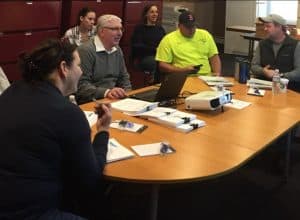
By asking the right questions and preparing in advance, your utility can clarify the roles and responsibilities of personnel and identify any additional mitigation measures and preparedness needs.

Some important questions to raise in implementing additional emergency preparedness measures include:

  • Does the utility have all of the proper written protocols in place?
  • Has the utility defined all critical positions?
  • Have back-ups been identified for each critical position?
  • How do we keep staff safe?
  • Are there opportunities for improvement?
  • Are there gaps in knowledge of personnel, health and safety measures, or security that should be improved upon?

By answering these and other questions, a plan can be developed and easily followed by all staff members. A solid and well thought out plan leaves little room for interpretation and clearly defines roles and responsibilities, as well as the hierarchy of authority.

Once the emergency preparedness measures are in place, be sure that all staff and personnel are informed and properly trained. This will eliminate panic and provide additional assurance should a crisis arise in the future. Additionally, if staff are prepared and aware of their roles and responsibilities, there will be a smaller gap in service for customers.

Benefits to staff in being prepared for emergencies include:

  • Decreased feeling of vulnerability
  • Reduction of fear and anxiety
  • Confidence in roles and responsibilities
  • Increased awareness of utility’s commitment to the safety of the team
  • Knowing what to expect

Interested in implementing additional emergency preparedness training within your utility? Tata & Howard offers several training options and formats including:

  • ERP Training
  • Tabletop Exercises

For more information, please contact Karen Gracey at kgracey@tataandhoward.com or 508. 219.4021.

Current Infrastructure Proposals in the USA

Earlier this year, President Biden announced his American Jobs Plan – a historic investment that will rebuild our country’s aging infrastructure while also providing millions of good jobs.

The nearly 2.3 trillion-dollar investment will aid in reimagining a new economy and positioning America to be the leader in infrastructure and innovation once again.

Within the total investment, 40 percent will target climate issues and clean infrastructure. In terms of improving infrastructure alone, President Biden’s new plan will:

Fix 20,000 miles of highways, roads, and main streets; rebuild bridges in despair; and upgrade airports, ports and transit centers in the areas that need them most.

  • $115 billion to repair roads and bridges
  • $85 billion for public transit
  • $80 billion for Amtrak
  • $25 billion for airports
  • $17 billion for ports and waterways
  • $44 billion for transformative projects
  • $20 billion for safety
  • $20 billion to redress historic inequity (such as reconnecting neighborhoods divided by major roadways)

Rebuild clean drinking water infrastructure by removing all lead pipes and service lines; renew electric grid and cap orphan oil and gas wells; and bring affordable high-speed broadband to all including the 35% of rural Americans who currently lack access.

  • $101 billion to upgrade drinking, wastewater, and stormwater systems
  • $10 billion for PFAS remediation
  • $100 billion for energy grid buildouts
  • $50 billion to improve infrastructure resilience
  • $100 billion to improve rural broadband coverage (includes subsidies to make rates more affordable)

President Biden’s American Jobs Plan will be funded by raising the corporate tax rate, part of his ‘Made in America Tax Plan’, which would hopefully pay for the American Jobs Plan within 15 years (if passed alongside each other).

In response to President Biden’s proposed plan, Senate Republicans offered a counterproposal in efforts to improve the country’s aging infrastructure. This plan is solely focused on infrastructure needs and endorses $568 billion for new spending over five years.

The funds will be allocated in the following ways:


  • $299 billion for repairing roads, highways, and bridges
  • $44 billion for airports
  • $61 billion for public transit
  • $35 billion for drinking water and wastewater systems
  • $14 billion for water storage
  • $20 billion for railways
  • $17 billion for ports and inland waterways
  • $13 billion for safety measures
  • $65 billion for broadband internet access

This infrastructure plan would be fully funded, potentially in part through user fees on electric vehicles as well as repurposing state and local relief passed as part of coronavirus aid bills.

President Biden will be meeting with six Republican senators to hopefully come to a mutual compromise later this week.