From Risk to Resilience: How Asset Management and Pipe Condition Assessment Safeguard Water Utilities

Every day, water utilities across the country quietly work behind the scenes to deliver safe and reliable drinking water. Yet beneath our streets lies an increasingly fragile network of aging infrastructure. Many of our nation’s systems are decades, if not a century, old, with the risks associated with aging infrastructure growing more complex as each day passes. The future of utility reliability lies not just in reacting to problems, but in preventing them before they arise.

The key to unlocking this proactive future lies with asset management and pipe condition assessments. Together, they provide the insight and structure that is needed to safeguard systems, manage risk, and build resilience amid evolving demands.
asset-management

Why Proactive Management Matters

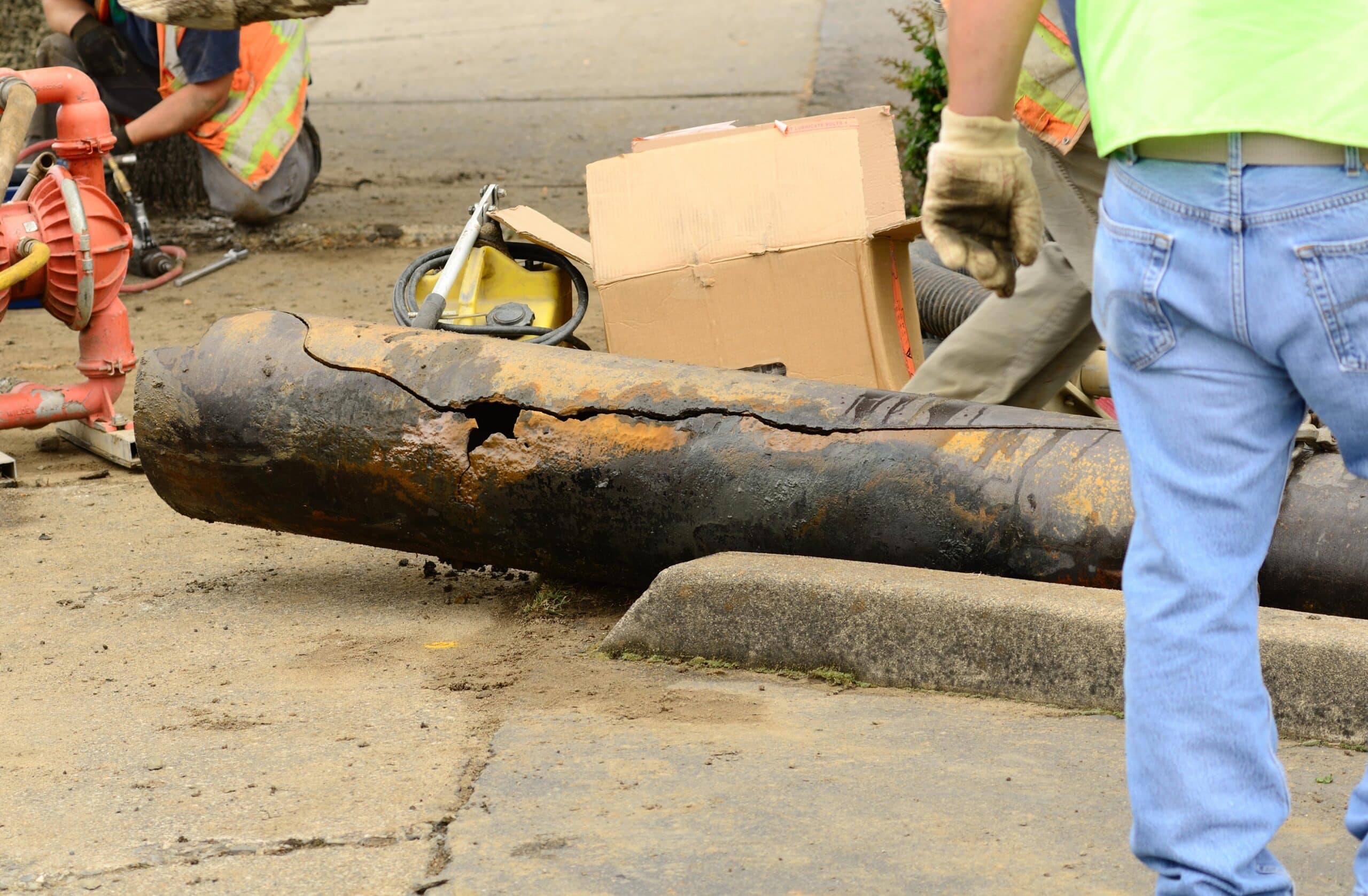
It’s not a secret that water infrastructure in the United States is aging at an unprecedented rate. Pipes installed generations ago are now reaching the end of their shelf life, increasing the likelihood of leaks and contaminations, breaks, and service disruptions. Without a structured plan, utilities often find themselves reacting to emergencies rather than preventing them.

It is critical to remember that in this line of work, reactive maintenance comes at a cost. Emergency repairs are typically more expensive, more disruptive to daily life, and more resource-intensive than planned interventions. These consequences also break down public trust when customers experience repeated service interruptions and a lack of safe and accessible drinking water. Conversely, implementing proactive management allows utilities to anticipate issues, allocate their resources effectively, and maintain consistent service.
asset-management

Role of Asset Management

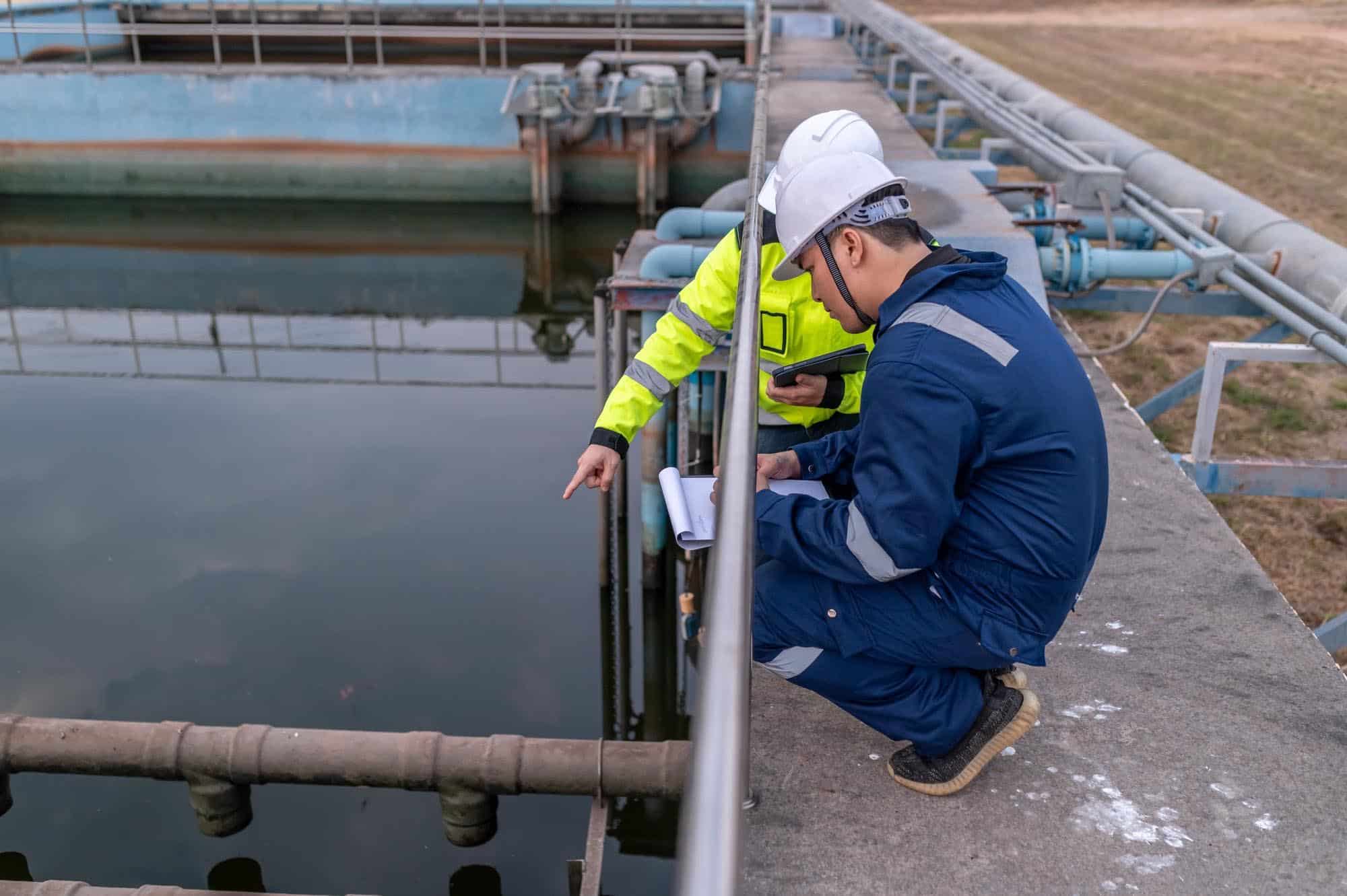
The main advantage of a well-designed asset management program is that it provides a sturdy foundation for smarter, more proactive decision-making. At its core, asset management is about understanding what you have, how it’s performing, and what actions are needed to sustain it over time.

For water utilities, the first step is creating a comprehensive inventory of assets — anything and everything from transmission mains to valves and hydrants. From there, utilities can assess the condition and criticality of each component, helping to prioritize where their investments will have the most impact.

Another key aspect of asset management is that it supports financial sustainability. By aligning capital improvement plans with each system’s needs, utilities can make the most of their limited budgets, avoiding any unnecessary expenses while still addressing their highest risks. Over time, this kind of structured approach not only reduces uncertainty, but also instills confidence in both day-to-day operations and long-term financial planning.

Importance of Pipe Condition Assessment

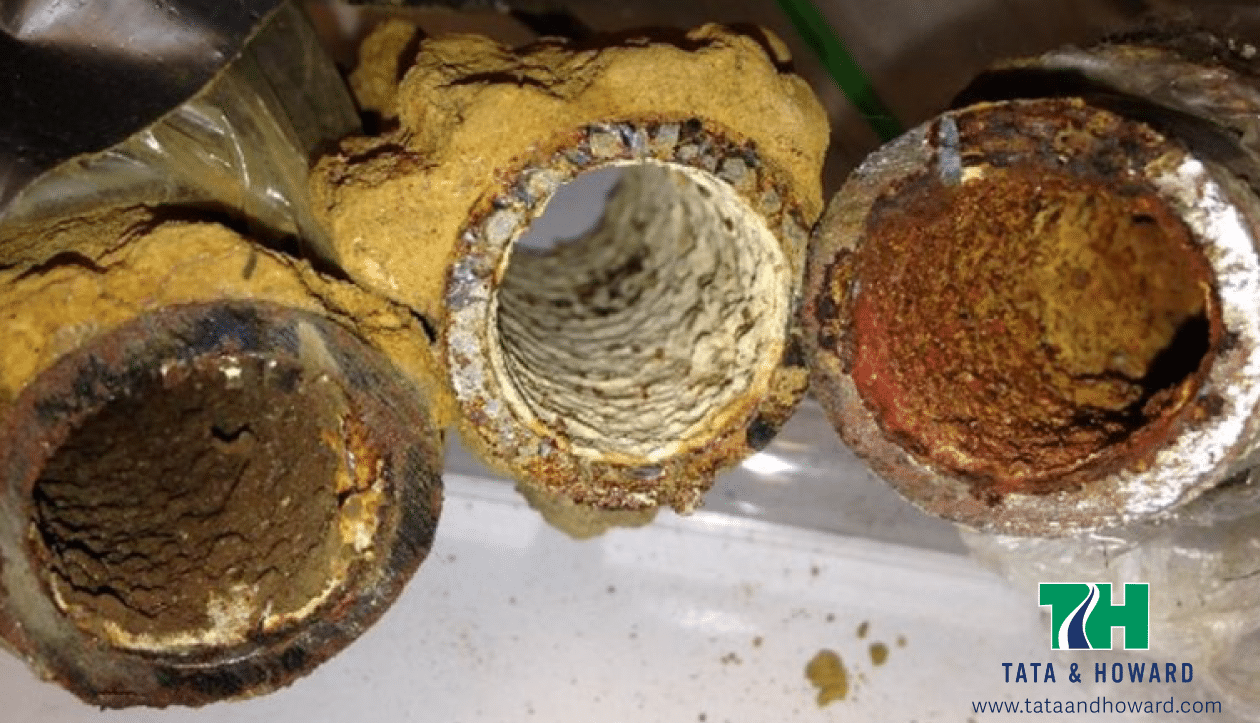
While asset management sets the overall direction, pipe condition assessment provides detailed insights needed to move forward with precision and confidence. Water systems are mostly buried and out of sight, making it difficult to evaluate without specialized tools and techniques. Condition assessment technologies allow utilities to understand the true state of their infrastructure. By identifying corrosion, wall loss, cracks, and other weak points, these assessments reveal which pipes are at risk of failure before a break occurs.

This knowledge is invaluable. Rather than relying on age alone as a rough estimate for condition, utilities can make targeted decisions based on actual data. This leads to more effective rehabilitation programs, fewer unexpected failures, and a longer shelf life for critical assets.

pipe_condition_assessment

Data-Driven Decision Making

In 2026, we are fully immersed in the digital age, and utilities have access to more data at their fingertips than ever before. While the constant influx of data is valuable, the real challenge lies in turning that data into strategic decision-making.

By integrating field data, geographic information systems (GIS), and advanced analytics, utilities can gain a clearer, more complete overview of how their systems are performing. Over time, patterns begin to emerge, highlighting areas of recurring issues or elevated risk. These insights not only support long-term planning, but enable utilities to forecast needs, test different scenarios, and make informed decisions with greater confidence.

Adopting a data-driven approach also improves transparency. When decisions are backed by clear, defensible data, it becomes easier to communicate priorities to stakeholders, regulators, and the public.

Reducing Operational and Financial Risk

One of the most significant benefits of combining asset management with pipe condition assessment is risk reduction. Early detection of potential issues allows utilities to address them before they escalate into costly emergencies.

Planned maintenance and targeted repairs are not only more cost-effective but also less disruptive to daily operations. They reduce the need for overtime labor, minimize damage to surrounding infrastructure, and lower energy use that often comes with inefficient systems. Over time, these savings can become quite substantial.

Just as important, they help keep systems running without interruption. When infrastructure is reliable, water delivery stays consistent, even as systems age and demand shifts.

Enhancing Regulatory Compliance

Regulatory expectations for water utilities are always evolving, with increasing focus on safety, transparency, and resilience. The role of asset management and pipe condition assessment plays a critical one in meeting these requirements.

By maintaining accurate records and up-to-date system data, utilities are better equipped to comply with reporting standards, compliance regulations, and demonstrate due diligence. Condition assessments also give utilities clear, documented proof of how their systems are performing, an incredibly helpful tool with inspections and maintenance compliance.

Just as important, taking a proactive approach lines up with where regulations are headed — toward greater resilience and sustainability — so utilities are better prepared for what’s coming next.

Improving Customer Service

At the end of the day, water utilities are here to serve their communities. Reliable service is not just a goal; rather, it’s what people expect, and rightfully so.

Fewer main breaks and service interruptions translate directly into a better customer experience. When customers can depend on consistent water quality and availability, trust in the utility grows. By avoiding boil-water advisories and unexpected outages, utilities reinforce that trust, strengthening the relationship between themselves and the communities they serve.

Implementing proactive infrastructure management also keeps disruptions out of the public eye, allowing utilities to deliver a steady, dependable service on which people can rely.

Building Long-Term System Resilience

In summary, asset management and pipe condition assessment are more than just operational tools; they’re necessary to help build real resilience. By moving away from reactive fixes and towards strategic planning, utilities can build systems that are not only reliable today but adaptable for the future.

This kind of approach supports sustainable infrastructure management, balancing immediate needs with long-term goals. It enables utilities to respond effectively to evolving challenges such as population growth, climate variability, and changing regulations.

As we recognize Drinking Water Week and Infrastructure Week in May, it’s the perfect time to reflect on the essential role water systems play in our daily lives. These observances highlight both the value of our infrastructure and the importance of investing in its future.

By embracing asset management and pipe condition assessment, water utilities can move confidently from risk to resilience, ensuring safe, reliable water service for generations to come.


ESOP Month Fun: Anything but a Cup!

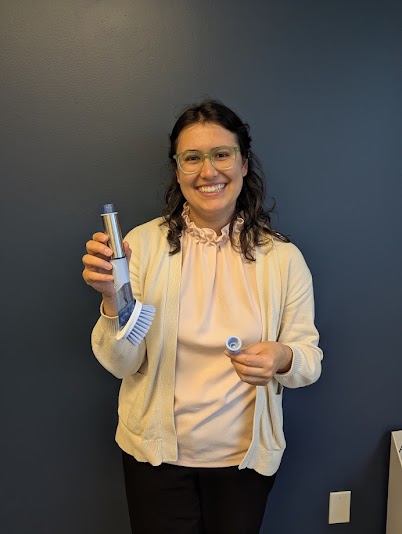
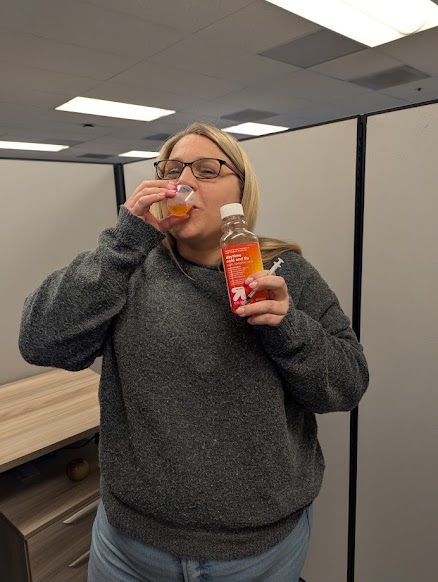
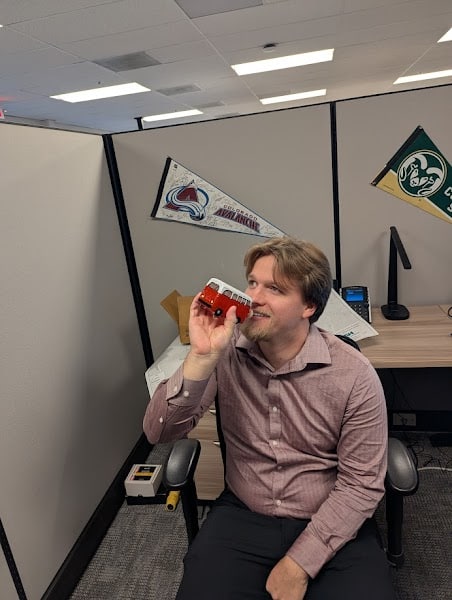
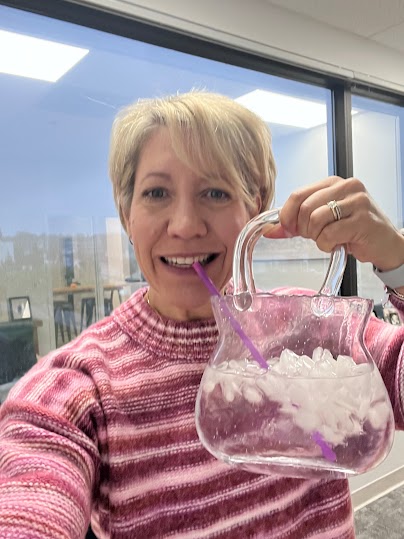
As a 100% ESOP, Tata & Howard fully participates in ESOP Month each October with numerous events focusing on education, teamwork, and fun! One of those fun events focused on water and sustainability, two things near and dear to our water engineers’ hearts.

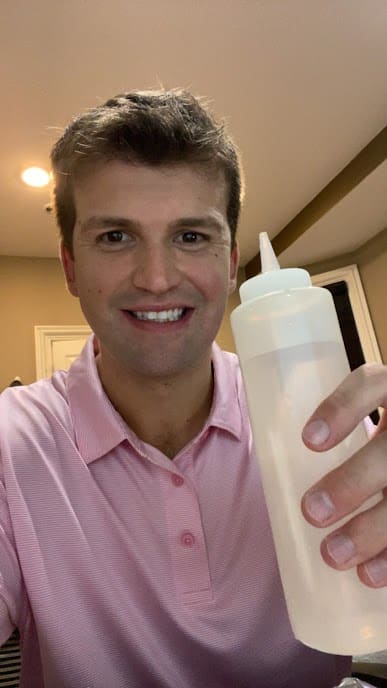
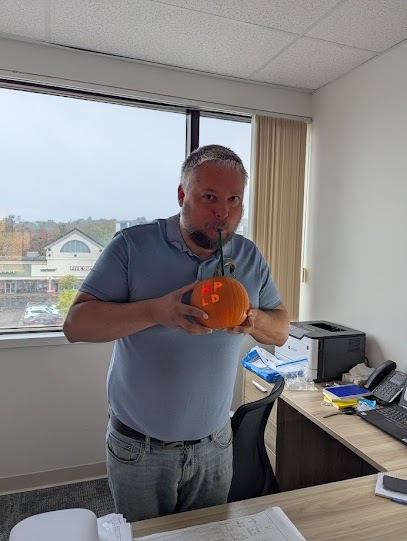
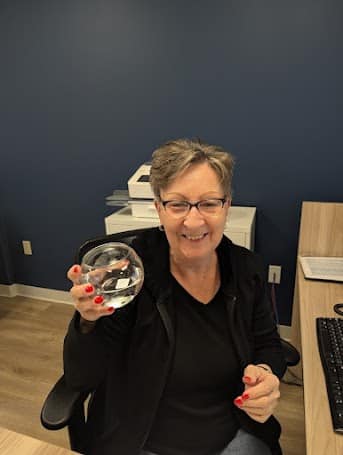
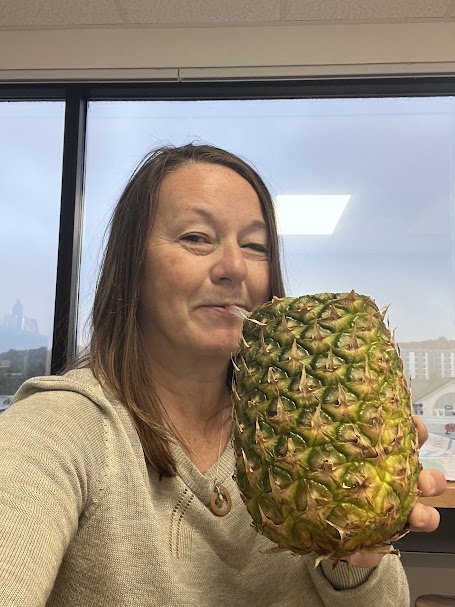
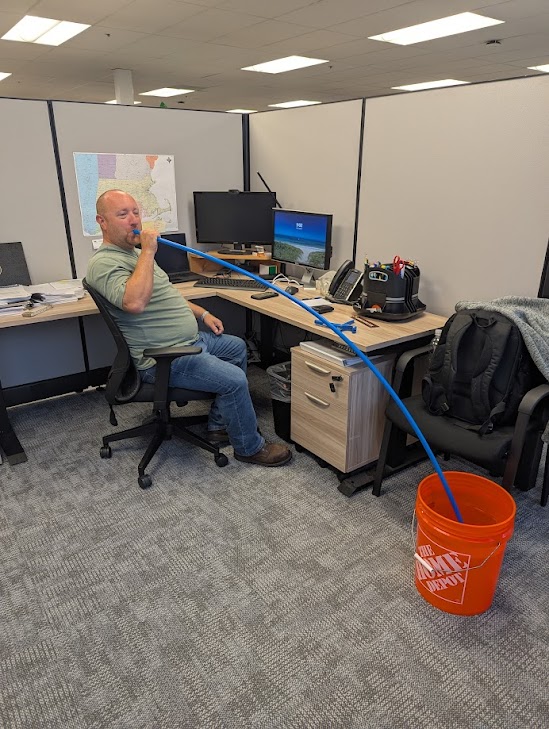
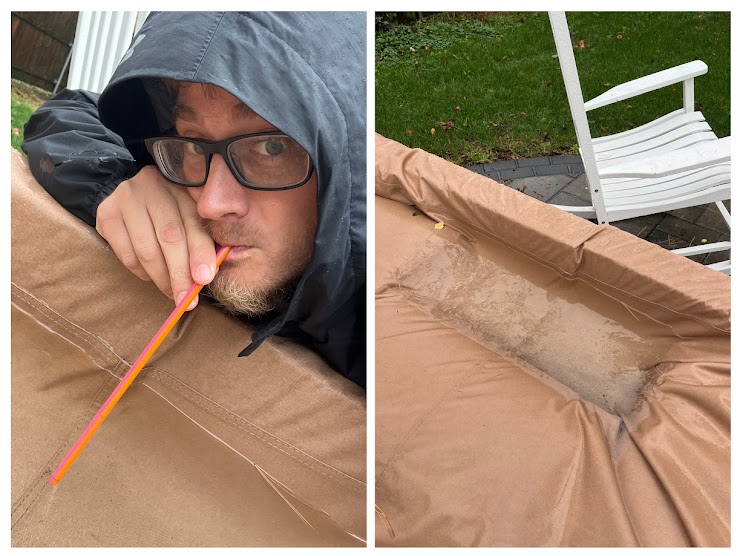
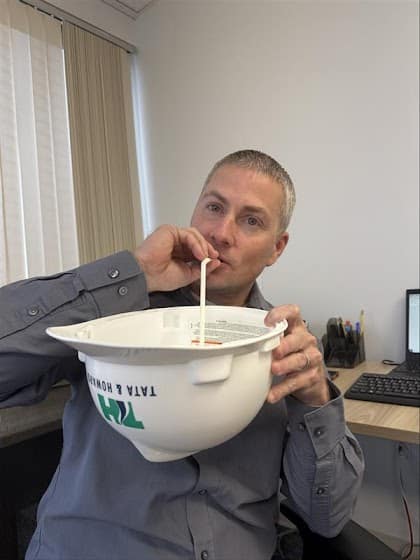
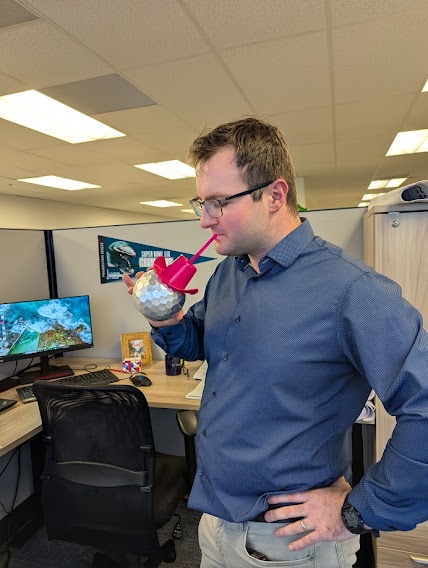
As a professional water engineering firm, we prioritize proper hydration all year long from pure, clean tap water — no plastic water bottles allowed. But during ESOP Month, we decided to create an even bigger challenge: no cups! We were all tasked with drinking our favorite hydrogen and oxygen containing beverage from “Anything but a Cup” — and our employee-owners got super creative. And we just had to share!

Enjoy the slideshow below to see just how creative of a team we have. And we all know that creative minds produce creative solutions. 😎 Happy ESOP Month from the entire Tata & Howard team!

T&H Nominated Sponsor of the Year from NEWWA

Tata & Howard Honored by the New England Water Works Association

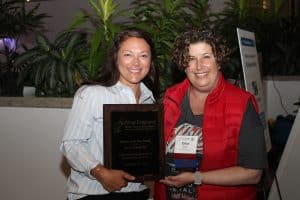
Karen L. Gracey accepts Sponsor of the year award from NEWWA.HOLLISTON, Mass. – Tata & Howard recently received the 2022 Sponsor of the Year Award from the New England Water Works Association (NEWWA), the region’s largest and oldest not-for-profit organization of water works professionals.
The Sponsor of the Year Award was established in 1995 to recognize the outstanding efforts of service provider members who support NEWWA through financial contributions, in-kind materials, and volunteer resources.

Tata & Howard has been a NEWWA member since 2004 and is a NEWWA Gold Sponsor. They are Recycle Sponsors at the Spring Conference, consistently sponsor the Annual Golf Tournament, supported the 2021 Virtual Technology Campaign, and have participated as an advertiser in the Source newsletter.

Tata & Howard supports the involvement of their staff in NEWWA as volunteers, including Co-President Karen Gracey, who has been involved with the Program Committee as a campaign manager and moderator for the Spring and Annual Conferences for the last six years.

Tata & Howard was recognized with this award on September 18, 2022, during NEWWA’s 141st Annual Conference in Newport, RI.

Lead and Copper Rule Revision

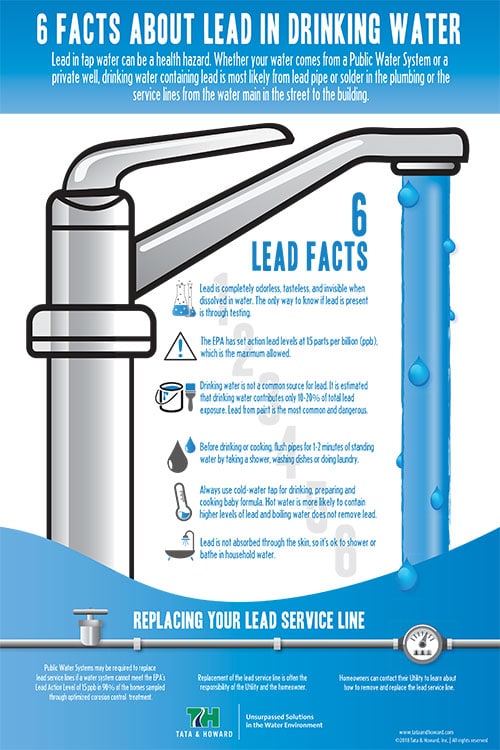
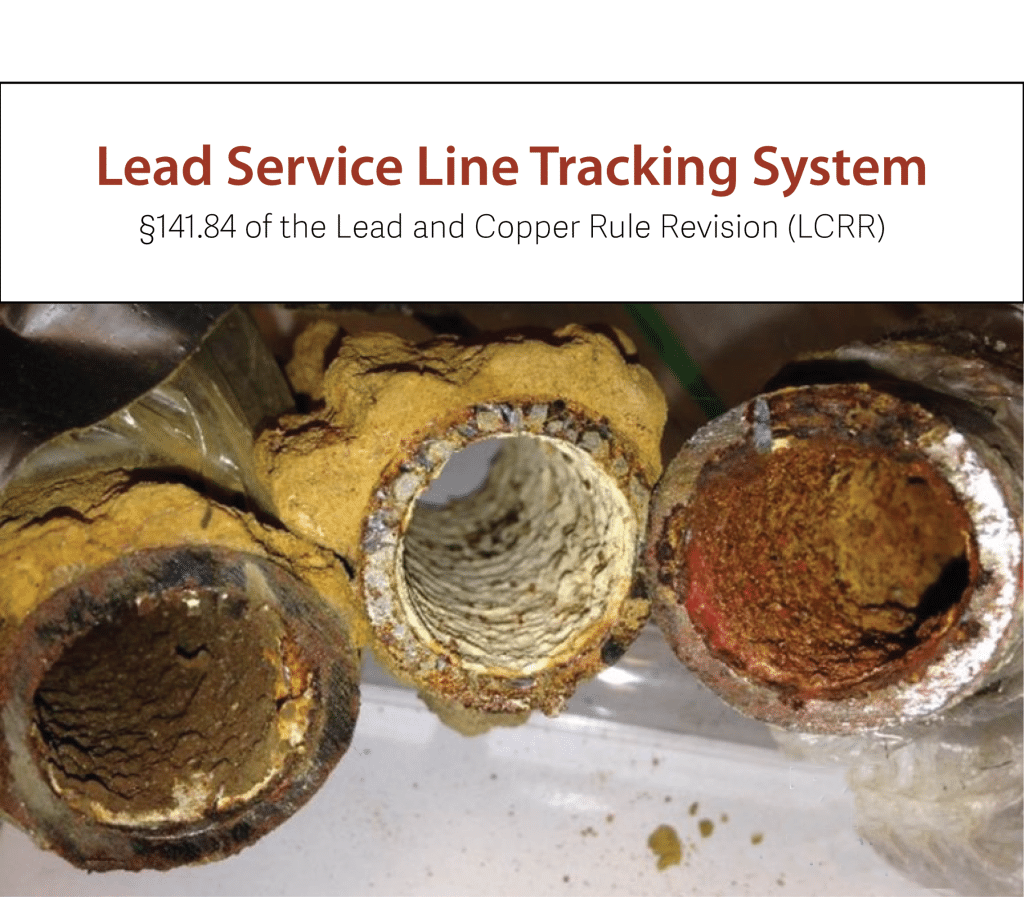
An EPA mandate under section §141.84 of the Lead and Copper Rule Revision (LCRR) requires all municipalities to develop and submit for review a lead service line (LSL) inventory plan, including public and private side, by October 16, 2024.

Over time, lead in drinking water builds up in the body, causing damage to the brain, red blood cells, and kidneys. The most significant risk is to young children and pregnant women, as lead in the body can slow the normal mental and physical development of growing bodies.

With the EPA’s October mandate rolling out in 2024, municipalities across America are working on developing or refining an LSL inventory tracking system to quickly identify and replace lead service lines for public and private water connections.

T&H’s Justine Carroll, Vice President, published an article titled “How to Start an LSL Inventory Tracking System,” which provides guidance on the necessary information that should be collected for a complete database. You may review the full article here. 

LSL Blogs and News

LSL Projects

How to Start an LSL Inventory Tracking System

by Justine Carroll, Vice President, Tata & Howard, Inc., October, 2022

For the first time since the formation of the Environmental Protection Agency (EPA), the agency has mandated all municipalities, under section §141.84 of the Lead and Copper Rule Revision (LCRR), to develop and submit for review a lead service line (LSL) inventory plan including both public and private side. Municipalities’ inventories servicing 50,000+ populations must be available on the municipality’s website, allowing residents and business owners to access information online to determine if the line on public or private land contains lead. The EPA administration is encouraging early plan submissions allowing review and revision time to meet the October 16, 2024, deadline.

The following planning structure serves as a guideline for an LSL inventory plan. The shared information provided is not all-encompassing, allowing individual municipalities to customize their inventory plan to their needs.

Start preparing an LSL Inventory

Find and organize internal data such as metered accounts, assessors’ data, record files, service cards, building permit records, work orders, and field excavations. Create a customer survey using mailings or mobile applications to help identify LSL materials for homes or businesses. Develop public education programs to notify private owners and residents through invoicing, email, and notices.

Structuring the database – Categories, Subcategories, and Service Indicators

The next step in developing an LSL plan is to assign categories and subcategories to identify and report quickly. Data fields can include sampling locations, connection material, current and past service line material, installation date, classification, building type, building installation year, plumbing material, and service line replacement status. Template spreadsheets are available at the state level; using them allows for universal fields and drop-down menus for continuous data input.

The inventory will identify services with service lines categorized as lead, galvanized requiring replacement, or lead status unknown; consider installation and home construction dates, service line size, and water-main installation year when actual dates are unavailable.

Base your starting point with the 1986 EPA Lead Ban and local ordinances to determine when lead installations were not allowed in the public water system. Services with unknown materials should be ranked for verification by indicating high priority of lead, medium priority of lead, or low priority of lead.

Create a public LSL replacement program to eliminate known lead service lines and work with private owners to replace necessary lines; often, monetary incentivized programs are available. Next, develop a verification process consisting of customer surveys, home inspections, water quality sampling, or mechanical excavation.

Lastly, internally link the database to a shapefile in your GIS or other mapping software to identify service line materials quickly; data can be made public for communities with more than 50,000 people.

To contact Justine M. Carroll, Vice President, Tata & Howard, Inc.
jcarroll@tataandhoward.com  |  Direct ((508) 219-4018
Let’s Connect on LinkedIn 

Article featured: MWWA H20 Pump Newsletter, October 2022, Edition N0. 224, featured sponsor, page 9.

Combined Pump Station Chemical Feed Building

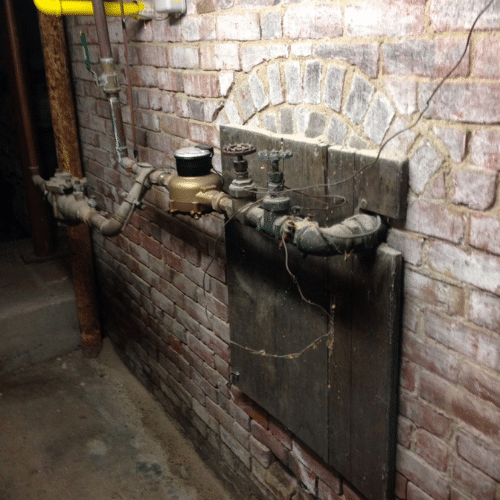
Kirsten Hummel, E.I.T., is performing Resident Project Representative (RPR) responsibilities at the Combined Pump Station Chemical Feed Building for the Town of Marion, MA. The contractor, Barbato Construction Co., is exposing an intersection to tie in the raw and finished water mains.
Anticipated Project Completion Date: September 2022.

LET’S CONNECT

Matthew V. Morganelli, P.E., Project Mgr.
mmorganelli@tataandhoward.com | Phone: (508) 232-6238 

LET’S CONNECT

Kirsten M. Hummel, E.I.T.
khummel@tataandhoward.com | Phone:(508) 232-6252

T&H Engineers Participate in “Fight For Air Climb” 2022

Team Unum Montis Champions "Fight For Air Climb" Competition With
Overall Lowest Time and Second Highest Fundraising Efforts!

Kudos to Team Unum Montis!

On Saturday, May 7th, Tata & Howard team members Robert Sims and Matt O’Dowd participated in the “Fight For Air Climb” at Pierce Memorial Stadium, Providence, RI. The “Unum Montis Team,” which included Robert and Matt, alongside Meagan Heslin, Shawn Giatas, and Wiktor Tomkiewicz, won the team competition (lowest total time of 5) by over 5 minutes.

In the eighth year of fundraising for the American Lung Association’s (ALA) “Fight for Air Climb,” the Unum Montis Team increased fundraising efforts finishing at $4,630. Congrats Team!

Robert Sims

Matt O'Dowd

For more than 115 years, the American Lung Association (ALA) has been the champion of lung health. The fundraising monies contribute 90 cents of every dollar to program services, impacting more than 20 million Americans each year.

  • Defeating lung disease
  • Championing clean air for all
  • Improving the quality of life for those with lung disease and their families
  • Creating a tobacco-free future.

Let’s Connect

Robert P. Sims, P.E.
Project Manager
rsims@tataandhoward.com
Direct: (508) 219-4017
Cell: (508) 320-4767

Matt O'Dowd

Let’s Connect

Matt O’Dowd
Assistant Project Engineer
modowd@tataandhoward.com
Direct: (508) 386-9352

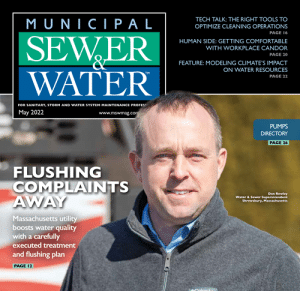
T&H Flushing Plan Showcased in Municipal Water & Sewer Magazine

Daniel Rowley, Water and Sewer SuperintendentShrewsbury MA utility boosts water quality with a carefully executed treatment and flushing plan

To combat a long-standing water-quality problem, the Town of Shrewsbury Water and Sewer Division in Massachusetts recently completed a comprehensive unidirectional flushing project aimed at removing manganese from its water mains.

A local contractor performed the flushing using a plan developed by Tata & Howard, a firm that’s been the utility’s consultant since the 1990s. The water system features about 207 miles of mains, mostly made of asbestos cement, ductile iron and PVC pipes. It includes more than 11,000 service connections and serves about 38,000 people. Read more

Patrick S. O’Neale, P.E. Scholarship

Tata & Howard, Inc. is pleased to co-sponsor the Patrick S. O’Neale, P.E. Engineering Scholarship Award through the Massachusetts Water Works Association (MWWA).

Patrick had a passion for quality control, quality assurance, and the development and protection of Massachusetts water supply and water infrastructure. He held a B.S. in Civil Engineering from Southeastern Massachusetts University and served as president of MWWA. His twenty-year career at Tata & Howard, Inc. served in many leadership roles, with his final position as Sr. Vice President. 

This award is open to students pursuing a Bachelor of Science degree in Civil or Environmental Engineering at an accredited academic institution in the United States,  with preference given to those candidates whose programs of study are related to waterworks practice. 

Click here to learn more about applying for the O’Neale Scholarship Application through MWWA. Deadline: June 1st of each year. 

Donations, if you wish to donate to this fund, please click here.  

Why You Need a Business Practice Evaluation

Have you thought lately about the overall health of your business?  In today’s economy, it’s important to not only deliver your service, but to operate effectively and efficiently. An excellent way to gain insight into this is through conducting a Business Practice Evaluation (BPE). A BPE assesses the health of a utility by developing the framework for a structured approach to managing, operating, and maintaining assets in a more business-like manner. The goal would be to minimize the total cost of operating, managing and maintaining utility assets while still delivering exceptional service to customers. This is accomplished by providing more effective preventive maintenance to reduce capital investment.

The evaluation process will ultimately enable utility managers to assess the efficiency and effectiveness of their business practices in comparison to industry standards. Developing system specific plans, programmatic approaches, and realistic timelines to optimize utility programs are included in this process.

Similar to management consulting services, a BPE has potential to bring incredible value to your utility. While the list of benefits is copious, here are a few of the major advantages of conducting a Business Practice Evaluation.

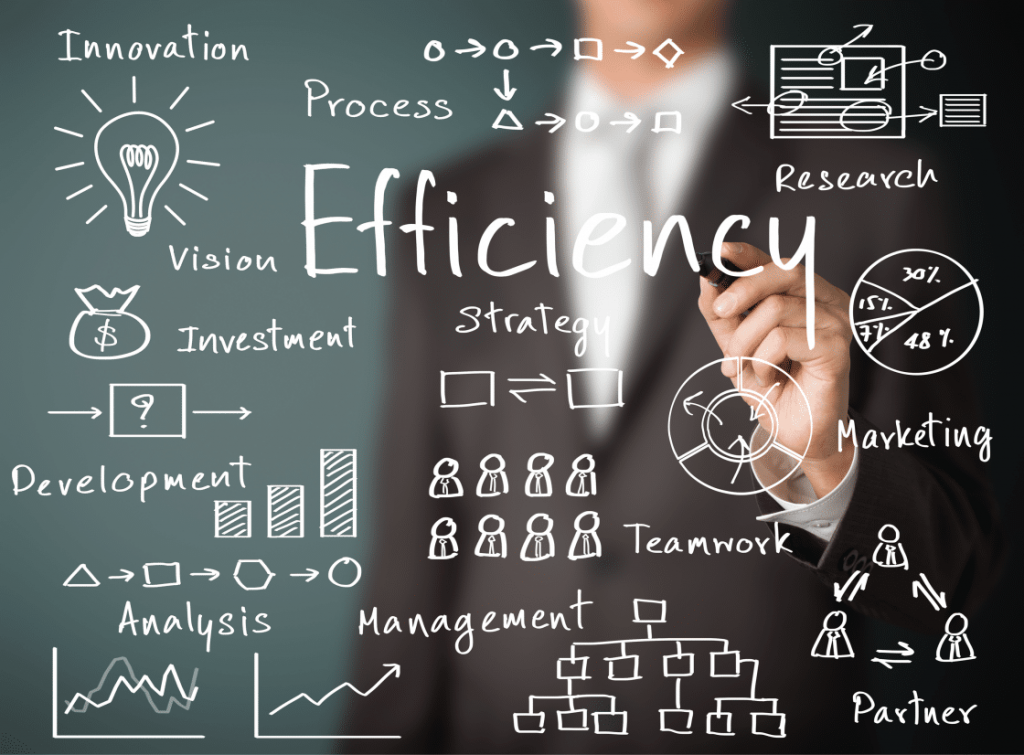
business practice evaluation graphic with words and icons including innovation, process, research, development, management, teamwork, marketing, analysis, strategy and efficiency

Next Level Growth

Firstly, conducting a BPE will provide a baseline of exactly where a utility or company’s business practices currently are. Through a rating criterion, findings report, and subsequent scoresheet, the opportunities for improvement will become clear. A company can then make modifications to their business practices to reach the next level of efficiency and effectiveness.

Objectivity

As a manager, it may be hard to focus on the cause of an issue when you are immersed in it every day. Conducting a BPE will allow for an industry expert to look at a situation objectively and make the best-informed recommendations based on the BPE’s proven history of success.

Cost Reductions

A successful Business Practice Evaluation will help companies cut costs by simplifying and refocusing existing business practices. Expert BPE consultants can look at costs from a different lens and offer insights based on data and effective-practice knowledge.

piggy bank with money falling into it

Improved Communication and Relationships

In big and small companies alike, communication is key. An open line of communication is particularly critical between management and field personnel in water and wastewater utilities. Through field observations of current business practices, valuable insights in reference to efficiency and effectiveness will be provided. Management and field personnel can then identify and prioritize opportunities for improvement, as well as come to a consensus in all business practices. A successful BPE will help to eliminate the fissure between management and field staff, eliminating the ‘us versus them’ mentality.

Staff Accountability

A Business Practice Evaluation is completed through a series of interviews within a diagonal slice of utility staff. Recommendations from the BPE findings report will aid in staff accountability by identifying and implementing realistic performance measures. For example, the report may show within the Administration category that an Emergency Response Plan (ERP) is not in place. Subsequently, a Public Water Supplier could then take the necessary steps to implement an ERP and provide staff with the required ERP training.

A Way Forward

One of the most valuable pieces of information obtained from conducting a BPE is knowing where a business stands from a micro-level view. Once the scoresheet is complete, a company can determine if their primary business functions are being efficiently and effectively managed (or not). Moreover, the risks and consequences of not moving forward with proposed recommendations are identified. Having this information allows management the ability to prioritize business practices and supporting attributes, and sets the business on the right path going forward.

Improved Quality of Life

Changes resulting from the completed Business Practice Evaluation have the potential to improve quality of life and staff morale by communicating and providing a clear management plan to move forward. While improvements may not always be evident prior to the BPE, management and staff alike will be happy when positive changes are made. With more efficient and effective business practices and improved communication, the business continues to thrive.


Image of business people hands on top of each other symbolizing support and power

Interested in the full scope of the Business Practice Evaluation? See the step-by-step process below.

  • Review utility documents and documentation of business practices
  • Develop rating criteria to determine level of performance of business practices
  • Develop business practice categories and supporting attributes scoresheet with the assistance of your utility staff
  • Conduct kick-off, consensus, and findings workshops
  • Conduct interviews within a diagonal slice of the organization
  • Conduct field observations of current business practices (not people)
  • Develop a BPE findings report
  • Develop a BPE scoresheet from the findings report

In conclusion, it is critical to stay on top of internal functionality regardless of the type of business you operate. Keep in mind, no matter how well-oiled a machine is, there is always room for growth and improvements. Organizations that have conducted a BPE significantly improve the management, operations and maintenance efficiency of their utility.