
From Risk to Resilience: How Asset Management and Pipe Condition Assessment Safeguard Water Utilities
Every day, water utilities across the country quietly work behind the scenes to deliver safe and reliable drinking water. Yet beneath our streets lies an increasingly fragile network of aging infrastructure. Many of our nation’s systems are decades, if not a century, old, with the risks associated with aging infrastructure growing more complex as each day passes. The future of utility reliability lies not just in reacting to problems, but in preventing them before they arise.
The key to unlocking this proactive future lies with asset management and pipe condition assessments. Together, they provide the insight and structure that is needed to safeguard systems, manage risk, and build resilience amid evolving demands.
Why Proactive Management Matters
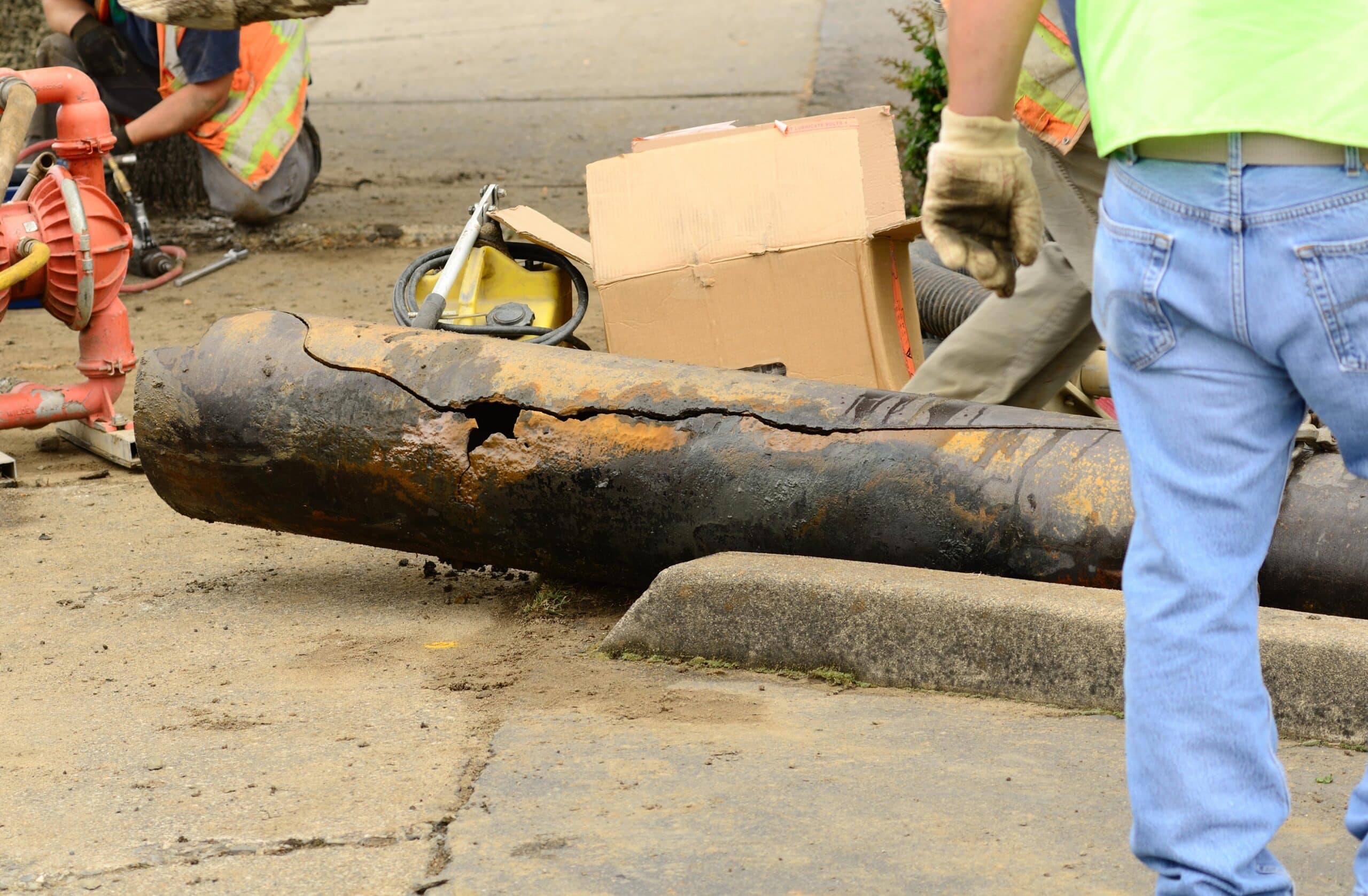
It’s not a secret that water infrastructure in the United States is aging at an unprecedented rate. Pipes installed generations ago are now reaching the end of their shelf life, increasing the likelihood of leaks and contaminations, breaks, and service disruptions. Without a structured plan, utilities often find themselves reacting to emergencies rather than preventing them.
It is critical to remember that in this line of work, reactive maintenance comes at a cost. Emergency repairs are typically more expensive, more disruptive to daily life, and more resource-intensive than planned interventions. These consequences also break down public trust when customers experience repeated service interruptions and a lack of safe and accessible drinking water. Conversely, implementing proactive management allows utilities to anticipate issues, allocate their resources effectively, and maintain consistent service.
Role of Asset Management
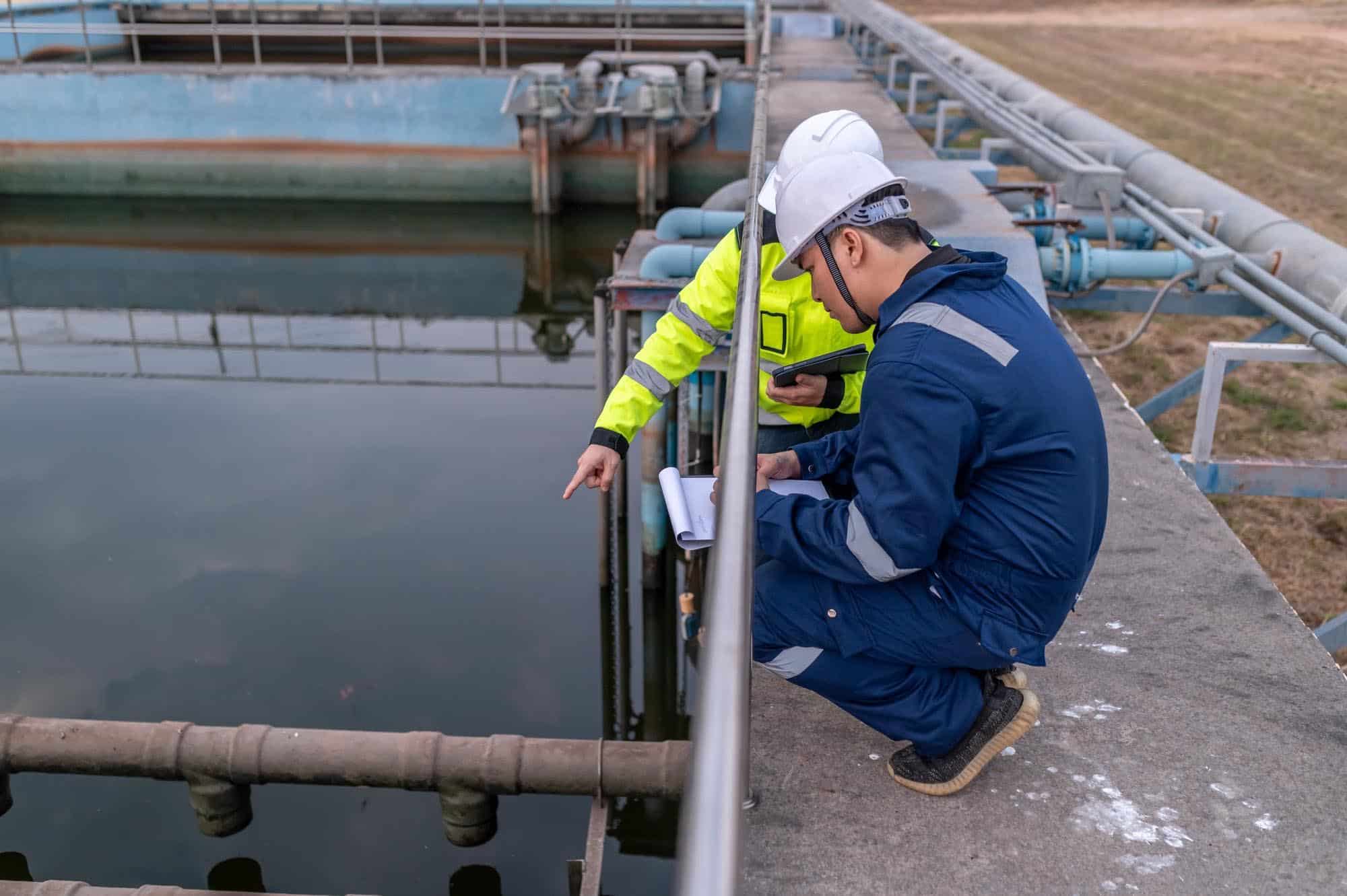
The main advantage of a well-designed asset management program is that it provides a sturdy foundation for smarter, more proactive decision-making. At its core, asset management is about understanding what you have, how it’s performing, and what actions are needed to sustain it over time.
For water utilities, the first step is creating a comprehensive inventory of assets — anything and everything from transmission mains to valves and hydrants. From there, utilities can assess the condition and criticality of each component, helping to prioritize where their investments will have the most impact.
Another key aspect of asset management is that it supports financial sustainability. By aligning capital improvement plans with each system’s needs, utilities can make the most of their limited budgets, avoiding any unnecessary expenses while still addressing their highest risks. Over time, this kind of structured approach not only reduces uncertainty, but also instills confidence in both day-to-day operations and long-term financial planning.
Importance of Pipe Condition Assessment
While asset management sets the overall direction, pipe condition assessment provides detailed insights needed to move forward with precision and confidence. Water systems are mostly buried and out of sight, making it difficult to evaluate without specialized tools and techniques. Condition assessment technologies allow utilities to understand the true state of their infrastructure. By identifying corrosion, wall loss, cracks, and other weak points, these assessments reveal which pipes are at risk of failure before a break occurs.
This knowledge is invaluable. Rather than relying on age alone as a rough estimate for condition, utilities can make targeted decisions based on actual data. This leads to more effective rehabilitation programs, fewer unexpected failures, and a longer shelf life for critical assets.

Data-Driven Decision Making
In 2026, we are fully immersed in the digital age, and utilities have access to more data at their fingertips than ever before. While the constant influx of data is valuable, the real challenge lies in turning that data into strategic decision-making.
By integrating field data, geographic information systems (GIS), and advanced analytics, utilities can gain a clearer, more complete overview of how their systems are performing. Over time, patterns begin to emerge, highlighting areas of recurring issues or elevated risk. These insights not only support long-term planning, but enable utilities to forecast needs, test different scenarios, and make informed decisions with greater confidence.
Adopting a data-driven approach also improves transparency. When decisions are backed by clear, defensible data, it becomes easier to communicate priorities to stakeholders, regulators, and the public.
Reducing Operational and Financial Risk
One of the most significant benefits of combining asset management with pipe condition assessment is risk reduction. Early detection of potential issues allows utilities to address them before they escalate into costly emergencies.
Planned maintenance and targeted repairs are not only more cost-effective but also less disruptive to daily operations. They reduce the need for overtime labor, minimize damage to surrounding infrastructure, and lower energy use that often comes with inefficient systems. Over time, these savings can become quite substantial.
Just as important, they help keep systems running without interruption. When infrastructure is reliable, water delivery stays consistent, even as systems age and demand shifts.
Enhancing Regulatory Compliance
Regulatory expectations for water utilities are always evolving, with increasing focus on safety, transparency, and resilience. The role of asset management and pipe condition assessment plays a critical one in meeting these requirements.
By maintaining accurate records and up-to-date system data, utilities are better equipped to comply with reporting standards, compliance regulations, and demonstrate due diligence. Condition assessments also give utilities clear, documented proof of how their systems are performing, an incredibly helpful tool with inspections and maintenance compliance.
Just as important, taking a proactive approach lines up with where regulations are headed — toward greater resilience and sustainability — so utilities are better prepared for what’s coming next.

Improving Customer Service
At the end of the day, water utilities are here to serve their communities. Reliable service is not just a goal; rather, it’s what people expect, and rightfully so.
Fewer main breaks and service interruptions translate directly into a better customer experience. When customers can depend on consistent water quality and availability, trust in the utility grows. By avoiding boil-water advisories and unexpected outages, utilities reinforce that trust, strengthening the relationship between themselves and the communities they serve.
Implementing proactive infrastructure management also keeps disruptions out of the public eye, allowing utilities to deliver a steady, dependable service on which people can rely.
Building Long-Term System Resilience
In summary, asset management and pipe condition assessment are more than just operational tools; they’re necessary to help build real resilience. By moving away from reactive fixes and towards strategic planning, utilities can build systems that are not only reliable today but adaptable for the future.
This kind of approach supports sustainable infrastructure management, balancing immediate needs with long-term goals. It enables utilities to respond effectively to evolving challenges such as population growth, climate variability, and changing regulations.
As we recognize Drinking Water Week and Infrastructure Week in May, it’s the perfect time to reflect on the essential role water systems play in our daily lives. These observances highlight both the value of our infrastructure and the importance of investing in its future.
By embracing asset management and pipe condition assessment, water utilities can move confidently from risk to resilience, ensuring safe, reliable water service for generations to come.