Water Treatment Plant, Amherst, MA

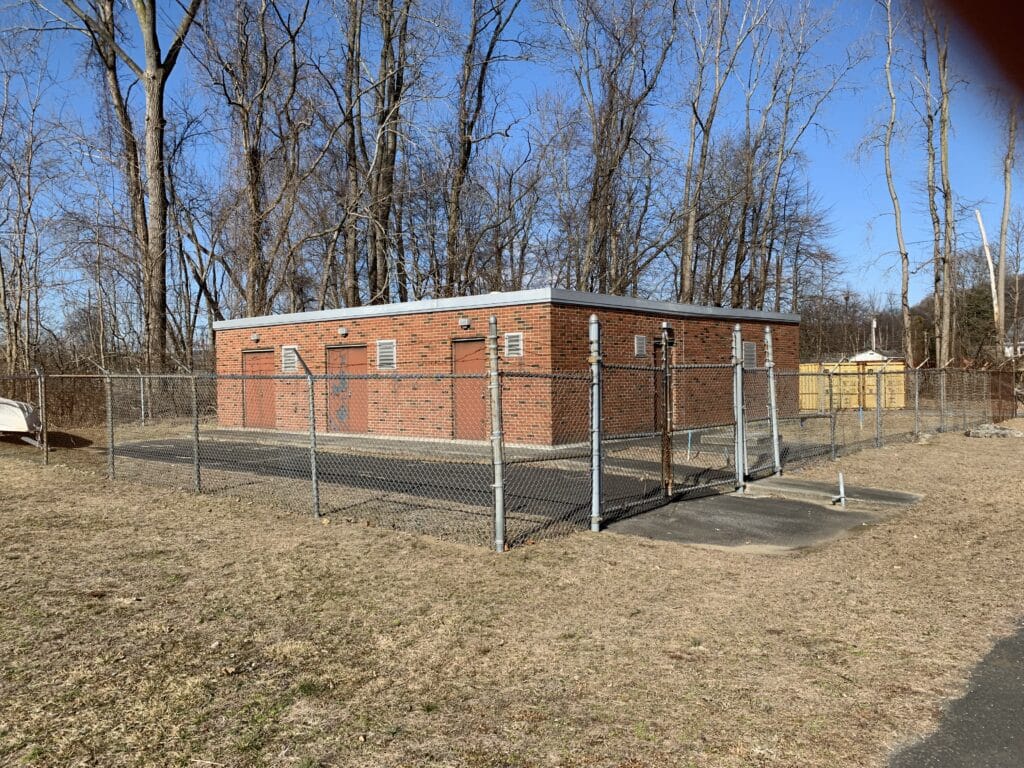
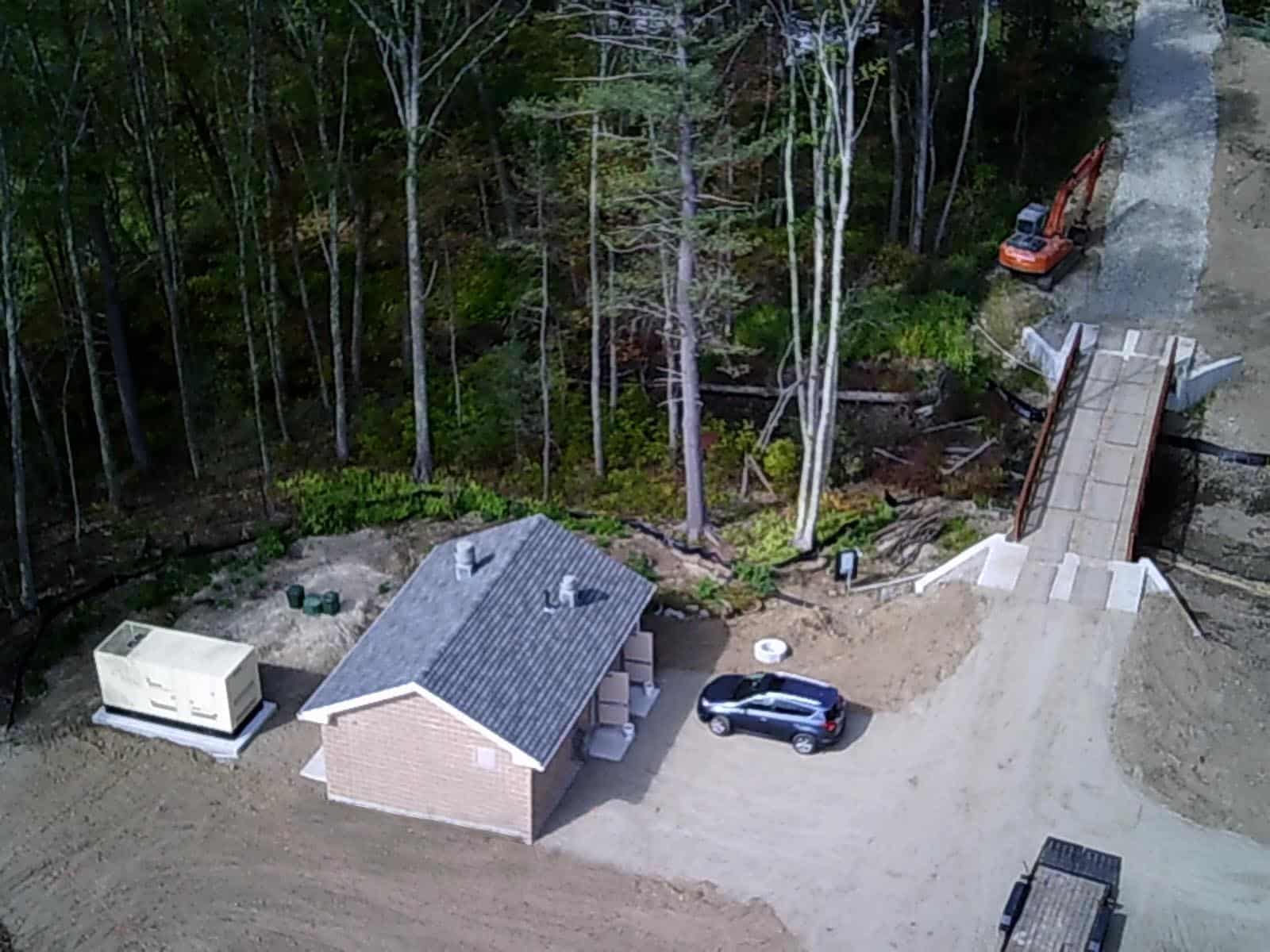
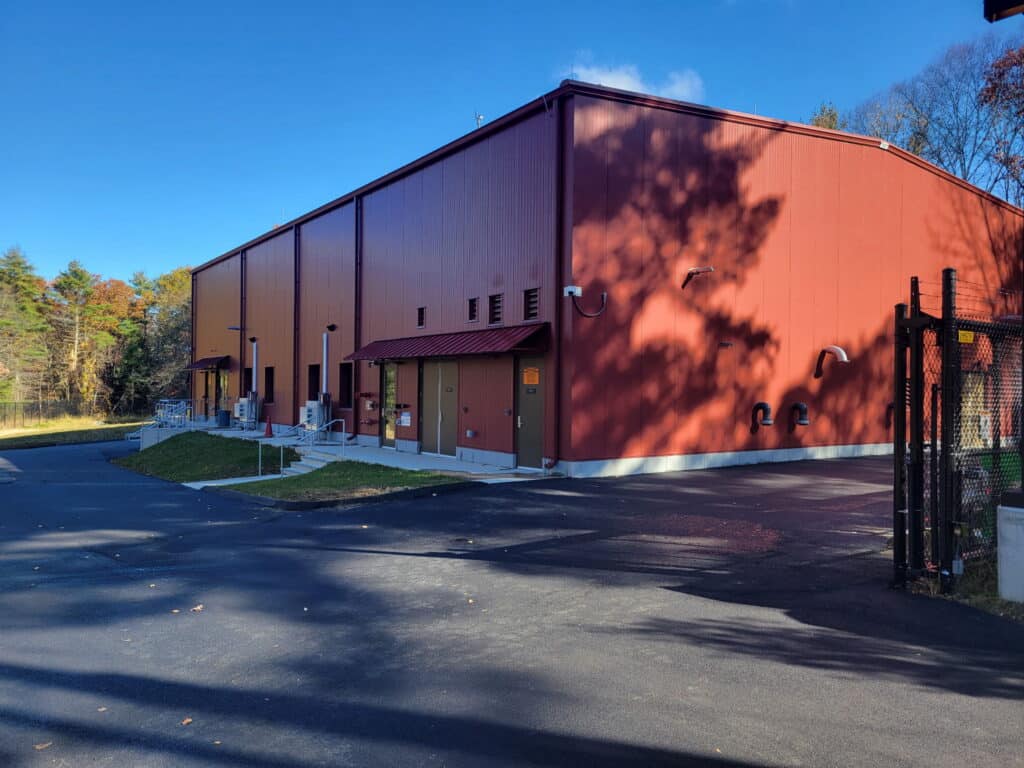
amherst-wtp-exteriorTata & Howard contracted with the Town of Amherst for design, permitting, and bidding of the 1.5 million gallon per day (MGD) Centennial Water Treatment Plant, to treat surface water from the Pelham Reservoir System. The existing Centennial WTP, located in the Town of Pelham but supplying the Amherst Public Water System, has a history of issues with turbidity, color, and disinfection byproducts in the form of total trihalomethanes (TTHM) and haloacetic acids (HAA5) because of high levels of organics in the Pelham Reservoir System. Due to the age and condition of the existing WTP, the filters which were the primary treatment process at the existing WTP were no longer effective at removing organics, leading to a decrease in finished water quality and total WTP capacity.  The existing Centennial WTP has been offline since 2018 due to water quality, as well as infrastructure concerns related to a lightning strike which impacted pumping equipment and communications at the Centennial Water Treatment Plant’s raw water pump station.
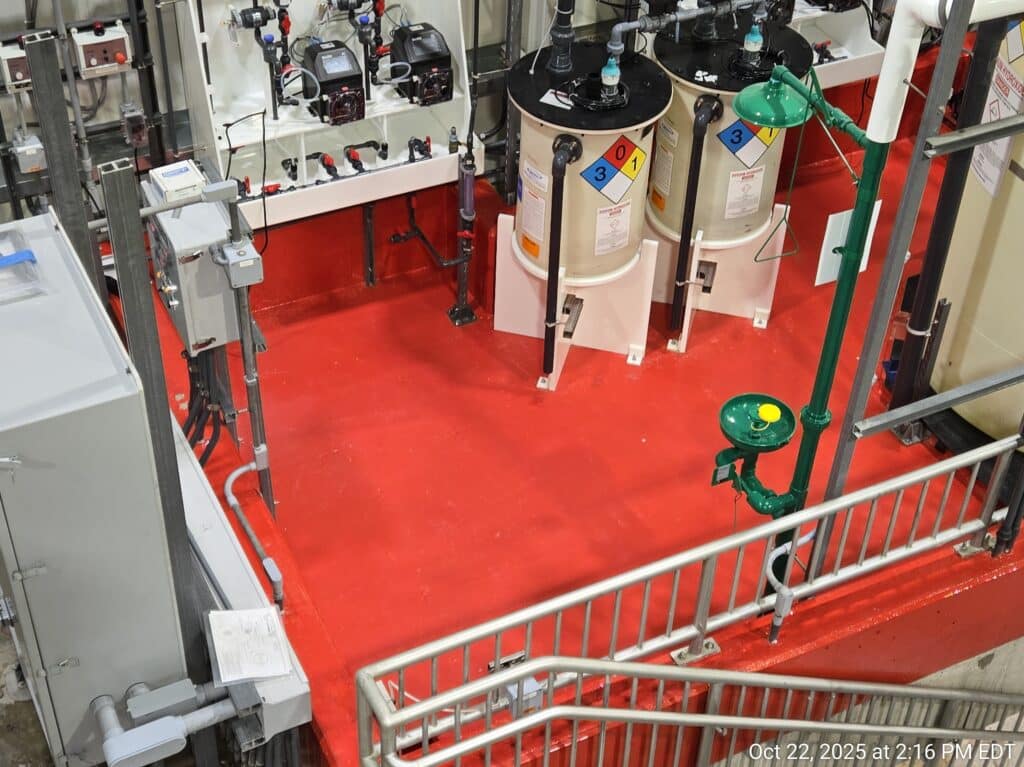
Based on the results of the pilot study performed by the Town of Amherst, Tata & Howard completed design of the new Centennial Water Treatment Plant including dissolved air flotation (DAF) clarifiers and granular activated carbon (GAC) filtration for treatment of organics, color, turbidity, and low levels of iron and manganese. The DAF system includes polyaluminaum chloride for coagulation, two rapid mix chambers, and three package DAF units which each include two high rate flocculation chambers, two low-rate flocculation chambers, a saturation tank, effluent collection system, discharge weir, mechanical skimmers and beach, and associated appurtenances and controls. Three dual media filter chambers with a silica sand/course garnet base layer and GAC above are located downstream of the DAF units, prior to final chemical addition.
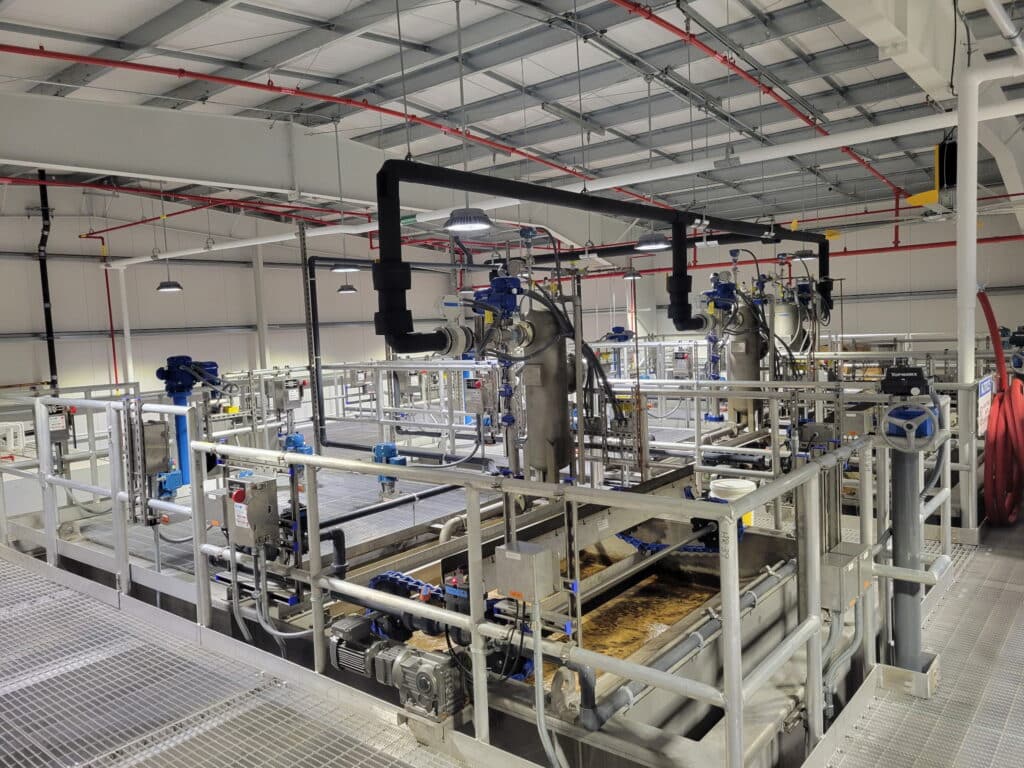
Additional chemical feed includes a gaseous chlorine system for 4-log inactivation of viruses, gaseous ammonia for chloramine formation, sodium fluoride for dental health, and sodium hydroxide for pH adjustment and corrosion control. The new facility also includes an advanced Supervisory Control and Data Acquisition (SCADA) system for automated control of the water treatment plant. Operators for the Town of Amherst will be able to remotely monitor and control operation of the Centennial WTP, through a recently extended town fiber optic cable network.
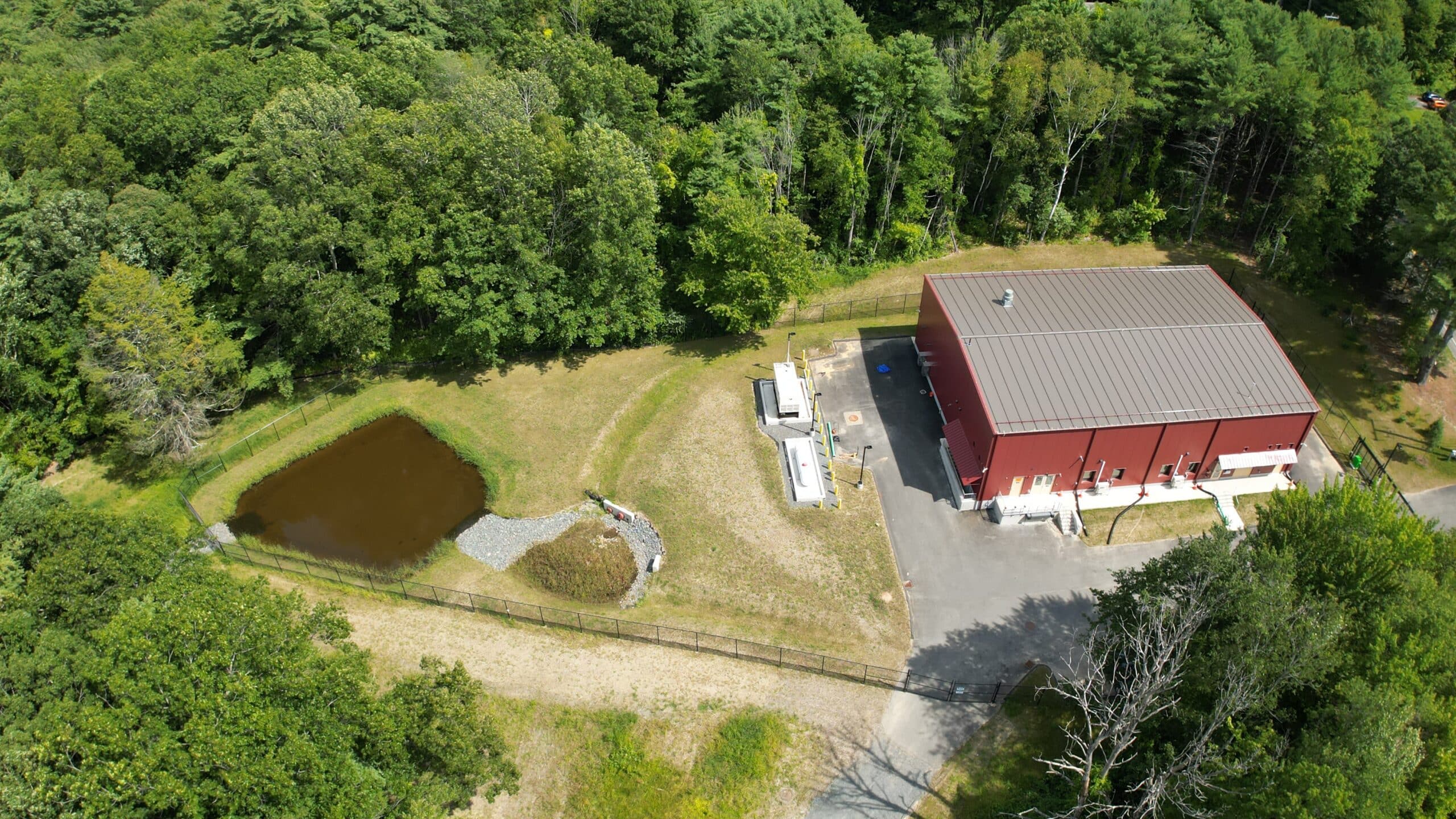
The design of the Centennial WTP included provisions to maintain the Amherst water distribution system, as even with the Centennial WTP offline, the clearwell of the existing facility also serves to maintain pressure in a small portion of the water distribution system between the Centennial WTP and a booster pump station. The Centennial WTP feeds the majority of the water system (excluding the portion between the WTP and the booster pump station) by gravity. Since the existing WTP including the clearwell was demolished prior to construction of the new WTP, design and construction of the new WTP included a temporary water storage tank to maintain pressure and keep all connections active in the high service area of the Amherst Public Water System.

Permitting for this project included a BRP WS 24 New Treatment Plant application with MassDEP, Site Plan Review with the Pelham Zoning Board of Appeals, and a Request for Determination of Applicability (RDA) with Pelham Conservation Commission.

The Centennial Water Treatment Plant was bid and awarded to R.H. White Construction Co. of Auburn, MA for a contract amount of $18,876,000, and the project received funding though the Drinking Water State Revolving Fund program. Construction was completed and a ribbon cutting ceremony was held in October 2025.

Emergency Response Plan in Action at Cherry Valley & Rochdale Water District

While Emergency Response Plans (ERPs) are mandated by the EPA for most water supplies, the reality is that an ERP is a critical component whether mandated or not. The goal of an ERP is to guide and assist a water utility through emergencies, natural disasters, and articulated terrorist acts, and the intent is to present a methodical, sequential process to identify, investigate, and respond to an emergency.

ERPs are divided into two categories: Emergency Action Plans (EAPs) and Incident Specific Emergency Action Plans (ISEAPs). EAPs are broken down into five levels of emergency: 

  • Level I – Routine
  • Level II – Minor
  • Level III – Major
  • Level IV – Natural Disaster
  • Level V – Nuclear Disaster / Terrorist Threat

ISEAPs are designed to “RIP and RUN,” outlining a specific action plan response:

  • Description of the event
  • Facilities affected
  • Initial notifications
  • Response actions
  • Follow-up actions

Water District Background 

Cherry Valley & Rochdale Water District (CVRWD) is in the Town of Leicester, Massachusetts. It was originated by a Legislative Act in 1910 and the current population served is 3,700. It is staffed by three operators who also act as a superintendent, clerk, and treasurer. The District receives water from Worcester, MA via an automated interconnection and an 8” transmission main supplying Cherry Valley service area and maintaining operational levels in Cherry Valley storage tanks. Water is conveyed through 8-inch transmission mains from the booster pump station to supply the Rochdale service area and to sustain operational levels in the Greenville water storage tank. 

While the transmission main route through the Cherry Valley service area is mainly public roads, most of the transmission mains servicing the Rochdale service area are through wetlands. 

The Incident

The CVRWD suffered an incident on Sunday, October 27 in which the District’s ERP came into effect. At 3:30am, the On-Call Operator received a Low Water Storage Tank Alarm at the Greenville Water Tank. The Operator immediately notified the Superintendent. They compared SCADA trends of Greenville and Cherry Valley Tanks to confirm the alarm was for the Greenville Tank and that normal operational levels remained at the Cherry Valley Tank. At this point, they believed there was a leak in the Rochdale service area.

Sunday, October 27, 3:30am: Response and Notifications
  • Performed leak detection survey from booster pump station towards Rochdale service area, sounding a combination of hydrants and gate valves
  • Sounded triple gate just prior to the transmission main reentering the wetland and got a hit
  • Superintendent called first of the emergency contractors, Hydra Tech, to respond and stage at the Town’s Highway Department
  • Contacted Prowler Leak Detection Services to conduct a survey to pinpoint the leak
  • Continued to monitor the Greenville Tank level to confirm that Rochdale service area maintained positive pressure
  • Worked to pinpoint the leak while the Superintendent expanded the notifications
  • Superintendent of the Leicester Water Supply District (LWSD) discussed establishing a hydrant-to-hydrant (H-T-H) interconnection
  • Contacted the Town of Leicester Emergency Manager with regard to the evacuation of a Critical Care Facility and Dialysis Facility
  • Notified Leicester Fire Department to let them know that they had no use of hydrants in the Rochdale service area
  • Contacted Leicester DPW for permission to use the highway yard to stage equipment
  • Contacted EJ Prescott to deliver 300 feet of 2-inch water service line for H-T-H interconnection
  • Contacted Leicester Con Com and explained the emergency and the need to enter wetlands to repair transmission main; permission was granted and they prepared to deliver the Emergency Certificate on Monday, October 28
  • Superintendent contacted additional contractors to support operations

Sunday, October 27, 12:30pm: Wetland Road Construction 
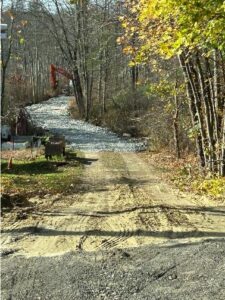
  • Began constructing road into wetlands to access leak
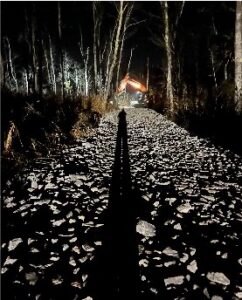
  • Road construction consisted of placement of 5’ x 18’ swamp mats which were covered with trap rock to allow construction equipment to build a 600-foot access road to leak location
  • Construction crews worked through the night to complete the road

Sunday, October 27, 1pm: Interconnection/Notification

  • Prior to activating H-T-H interconnection, contacted MassDEP (left message) 
  • Activated H-T-H interconnection 
  • Secured police detail to detour traffic
    (2-inch water line temporarily ran on top of pavement through intersection)
  • Met with Emergency Manager and Deputy Fire Chief 
  • Issued a reverse 911 to all three water districts advising of emergency and urging residents to conserve water
  • MassDEP called at 7pm, provided update, and agreed to call for another update the following morning (Monday)
  • Leak detection and road building ongoing with difficulty pinpointing leak; believed the leak was further into the wetland than originally expected
  • Correlation and road building went on through the night and into the next day
  • Even with H-T-H interconnection, Greenville Tank dropped to an uncomfortable operational level 

Monday, October 28: Tanker Shuttle 

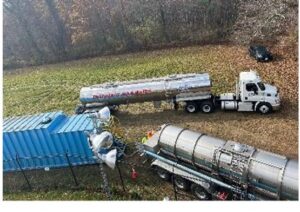
  • T&H assisted with response and bulk tanker shuttle to fill the Greenville Tank
  • Calls to tanker companies posted on the MassDEP approved list resulted in securing three tankers from two companies 
  • Booster pumping system had to be developed to fill Greenville Tank 
  • Contacted Rain-for–Rent for a 21,000-gallon transfer tank, pump, generator and 4-inch quick connect hose which allowed for two tankers to off-load into the transfer tank at the same time 
  • First day, two tankers operated 2pm-9pm
  • Tankers refilled using designated hydrant in Cherry Valley service area and unloaded at Greenville Tank
  • While tanker shuttle was in operation, MassDEP required bacteria and HPC samples from all approved coliform sample sites
  • District required to maintain a 1.0 ppm chlorine residual at the tank during tanker shuttle
  • Emergency light towers provided by Paxton  and Holden Fire and Leicester Police Department
  • Tanker shuttle ran for 3.5 days and delivered ~300,000 gal of water to Greenville Tank
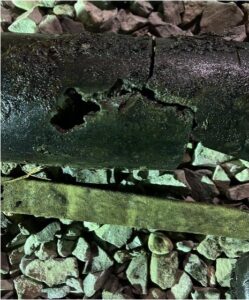
The culprit

Tuesday, October 29, 12am: Repair/Return to Normal 

  • Leak located, excavated, and repaired
  • Transmission main remained isolated and a tap was installed to allow for the addition of a sodium hypochlorite dosage of 300 mg/l
  • Dosage remained in contact for 24 hours
  • Main was flushed, water dechlorinated and sampled when achieved residual of 0.5 mg/l
  • Samples collected and analyzed for bacteria and HPC
  • All samples passed

Conclusion

The transmission main was back in service at 7:00am on November 1, and the total cost of the repair was $253,000. 

There were some lessons learned from CVRWD’s emergency that the District plans to address for greater efficiency in the future: 

  • Design and install fixed piped interconnection between LWSD and CVRWD for future use instead of the H-T-H connection
  • If necessary, start the Tanker Shuttle sooner
  • Evaluate options for replacement of 8-inch transmission main from the Booster Pump Station to the Greenville Tank; select best option, design, secure funding, bid, and replace

All in all, the District’s ERP provided the roadmap for a rapid response, clear notification system, and timely repair.

Need help creating or updating your ERP or RRA? We can help! Contact us today.

Well Field PFAS and PCE/TCE Removal, Danbury, CT

PFAS-treatmentTata & Howard is providing design and bidding of a treatment system for PFAS and PCE/TCE removal from three groundwater wells at the Kenosia Well Field. 
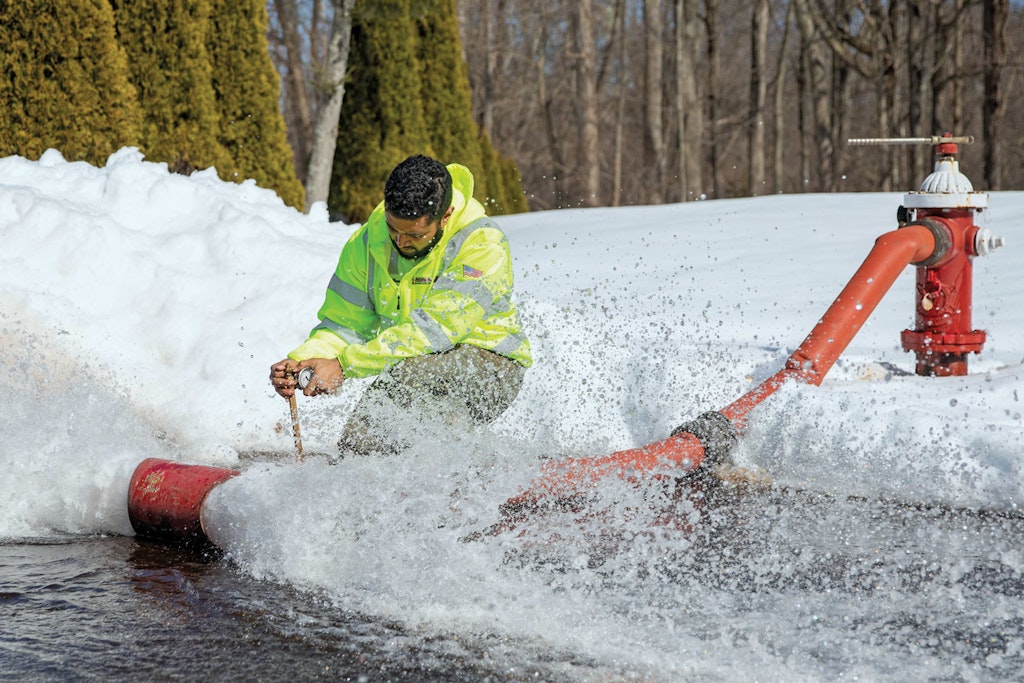
PCE/TCE treatment includes using two 37 ‘H air stripping tower which will discharge into the new aerator wet well.  Water will then be conveyed from the wet well to the four 12’W granular activated carbon vessels for PFAS treatment.  Treated water will be pumped to the West Lake Reservoir for additional treatment.

The project also includes site work, electrical, HVAC and rehabilitation of the three existing groundwater wells. 

Capital Efficiency Plan and Asset Management, Shrewsbury, MA

Tata & Howard has been providing engineering services for the Town of Shrewsbury since 2001. In 2014, Tata & Howard provided engineering services associated with the completion of a Capital Efficiency Plan. The hydraulic model was used to identify hydraulic deficiencies, critical customers were identified by the Town through a series of workshops held with utility staff, and the criteria combined with an asset management rating system were used to prioritize improvements to the distribution system.

The topography of the system causes many areas to have very high or very low pressures. In addition to prioritizing water main improvements, the study evaluated areas that should be incorporated into different service areas in order to reduce or increase pressures as needed. 

As a result of the 2014 CEP and Asset Management Plan, the Town of Shrewsbury has been able to successfully utilize their budget in the most effective manner, prioritizing critical components and maintaining safe, clean drinking water for their residents. Additional services related to the CEP included a water distribution system study, hydraulic model update, water audit, and alternate water supply study.

Since the completion of the CEP, improvements and upgrades have included a booster pump station, water storage tank, replacement wells, a unidirectional flushing plan, a new water treatment plant for manganese removal, and a PFAS pilot study and design of a PFAS water treatment plant. 

Leverett, MA Water Mains

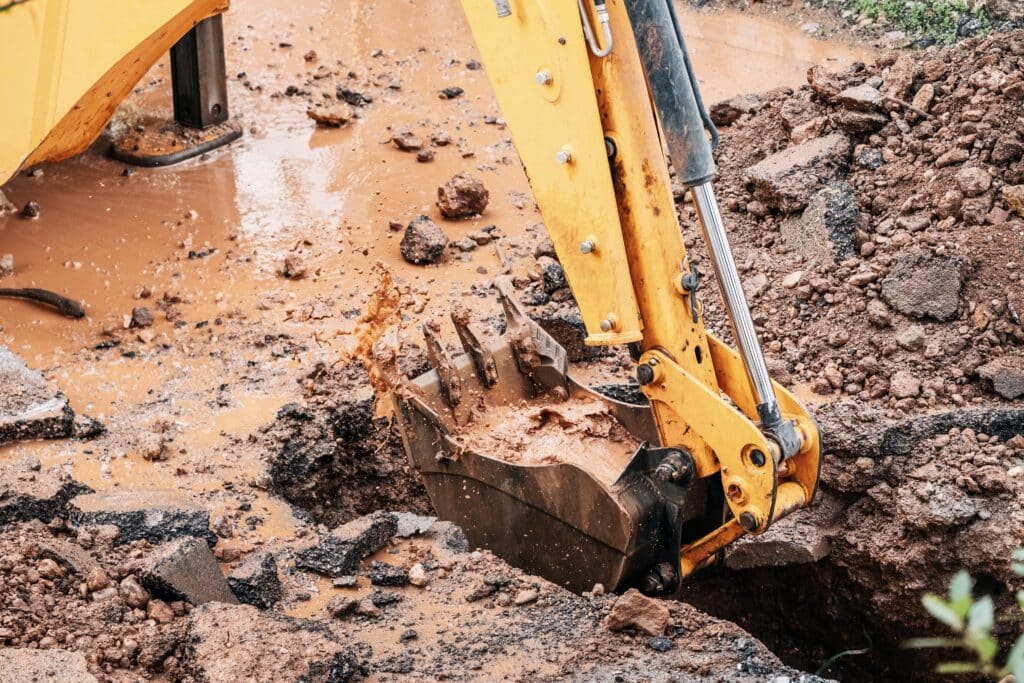
Tata & Howard was retained by the Town of Leverett for design and permitting engineering services to expand the Amherst water distribution system into the Town of Leverett.  The project involved the extension of the existing 8-inch water main in East Leverett Road, approximately 1.8 miles, to provide service to homes at the intersection of Cushman Road and Teawaddle Hill Road in Leverett with wells that have been contaminated by the Town of Leverett Landfill.  
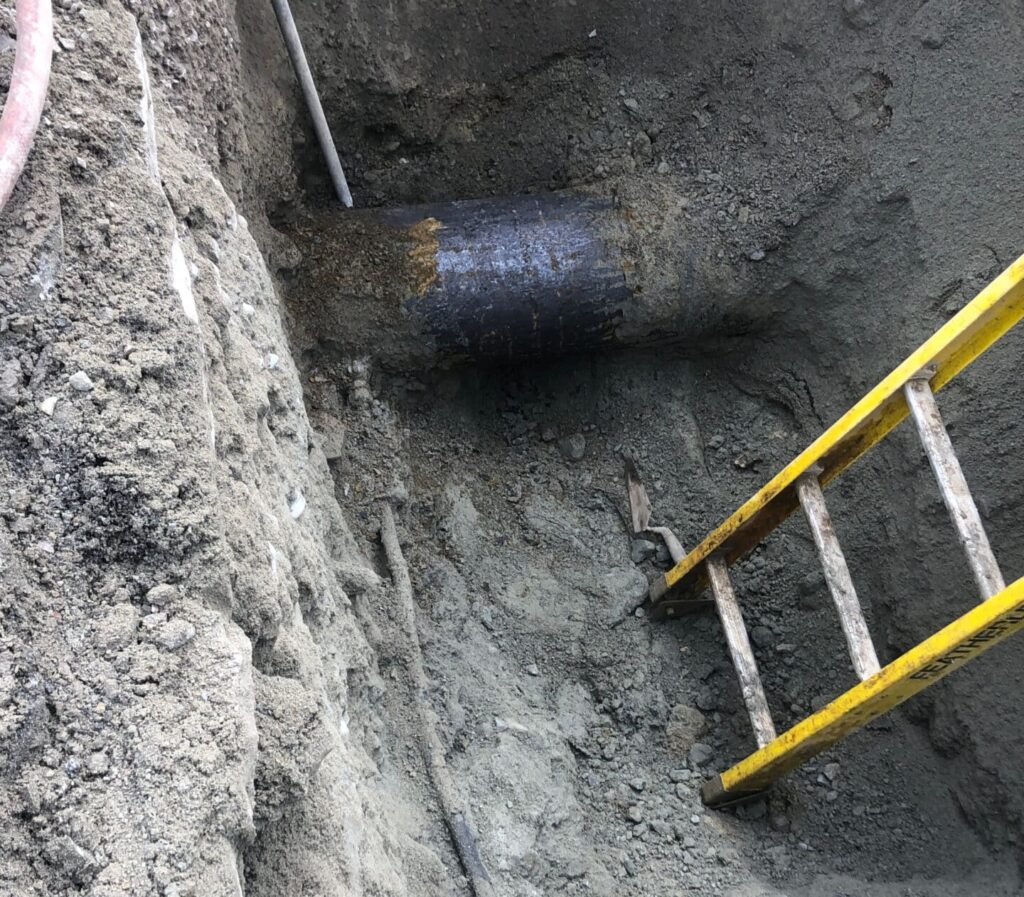
Tata & Howard reviewed available data with the Town for use in this project including existing GIS mapping, existing utilities, Town specification standards for materials and products, and boiler plate specification sections.  Base plans for the project were developed utilizing the Town’s GIS data.   

Borings were completed along the project route to determine existing soil conditions and the extent of rock/ledge, if any.  In addition, soil borings assisted in determining the amount of needed polyethylene wrapping of the new ductile iron water main due to corrosive soils.   

The design included the installation of water service connections to existing homes within the project area from the water main up to and including the curb stop at the property line. New hydrants were spaced every 500 feet and in-line gate valves were spaced no more than 1,000 feet apart.  Surface preparation included temporary trench pavement and permanent trench pavement in accordance with the Town of Amherst and Town of Leverett standards. The draft design plans and specifications underwent a series of internal reviews for quality control.  Tata & Howard provided the Amherst Public Works with a 50% and 90% draft for review prior to finalizing the project documents. 

Barnstable, MA Maher WTP Upgrades

Photo courtesy of Waterline Industries Corporation

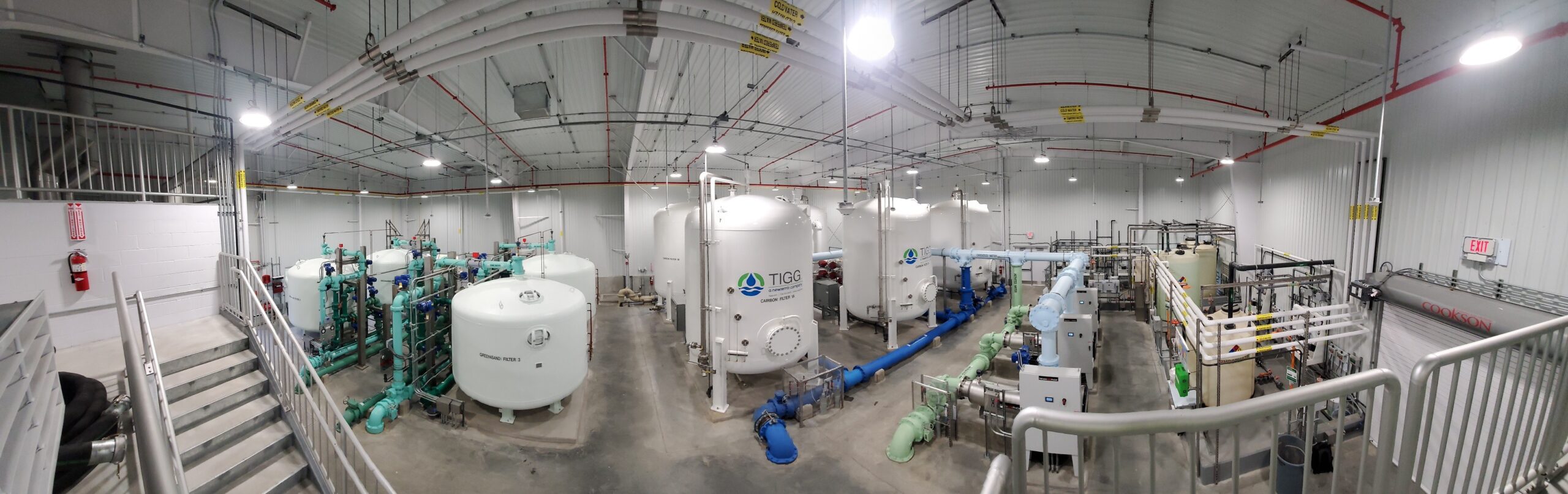
Tata & Howard provided engineering services for a completion of a pilot test proposal, pilot testing, and pilot test report to evaluate the use of granular activated carbon (GAC) to treat PFOS/PFOA, advanced oxidation to treat 1,4 dioxane, and LayneOx and greensand pressure filtration to remove iron and manganese from the source waters (Well No. 1, Well No. 2, and Well No. 3) at the existing Maher Water Treatment Plant. Pilot testing was performed, submitted, and approved by MassDEP in July 2017. The pilot test report was prepared and submitted in January 2018 to MassDEP.

Tata & Howard also provided engineering design, permitting, bidding, and construction services for the expansion of the existing Maher Water Treatment Plant. Upgrades include a new 90’ x 90’ pre-engineered metal building, GAC treatment, chemical feed upgrades, electrical upgrades at the existing plant including a new stand-by generator, and miscellaneous piping and site work. The new carbon filtration building include granular activated carbon (GAC) filters designed to remove PFAS. In addition to PFAS, the facility will include treatment processes to treat 1,4 dioxane and iron and manganese in the drinking water.

This project involved Massachusetts public construction laws and procedures.

Everett, MA Lead Service Line Replacement

Tata & Howard assisted the City of Everett, MA with their Lead Service Replacement Project from 2018-2024. Phases 1 and 2 included replacement or material confirmation of approximately 580 services between spring 2019 and fall 2022. Phase 3 of the project addressed an additional 300 services. Tata & Howard provided design, construction administration, and resident project representative services for all three phases of the project.

lead-service-line-replacementDesign services included attending the kickoff meeting with City and reviewing existing information including tie-cards, the City’s existing GIS database that includes service material, and the City’s master list of services with service material.  Each service was field verified to confirm exterior conditions. Each design phase included completion of 50% and 95% design documents, preparation of probable cost estimates, preparation of bid documents and coordination with purchasing agent, attending meetings with City, and providing recommendation to award contract to the lowest qualified bidder. 

Construction Administration services for each phase included attendance at progress meetings and site visits, review of submittals, request for information, and purchasing change orders and payment applications. As-built record tie-cards were completed for each address and the master inventory of service material was updated as construction on each phase progressed.  

Resident Project Representation services included full time on-site observation during construction, reviewing schedules, serving as Engineers’ liaison with Contractor, completing reports, reviewing pay apps, and issuing certification of substantial completion.

HVWP Water Distribution and Storage Improvement Project

Background

Hooksett Village Water Precinct (HVWP) Phase I Water Distribution and Storage Improvement Project is the first of three major drinking water components of the RTIA Tax Increment Financing (TIF) District economic development initiative sponsored by the Town of Hooksett. The project consisted of the construction of 1,800 linear feet of distribution system improvements in the Vista Drive area, a new 0.40 million gallon capacity glass-fused-to-steel tank, and 350 linear feet of associated transmission main from Daniel Webster Highway to Main Street.

The Precinct has been partnering with the Town, Sewer Commission, local businesses, committees, residents and area developers to encourage TIF-based infrastructure projects. TIF can be used to fund improvements that benefit the whole community by attracting new development, revitalizing blight, and/or enacting quality of life projects. This can significantly expand the tax base and provide more or easier access to services for residents with less financial impact.

Project Details

Hydraulic modeling studies completed in 2020 as part of the Precinct’s asset management program showed that distribution improvements were needed in the Vista Drive area to relieve a bottleneck that was critically restricting flow from the existing Quarry Tank and nearby wells. The Vista Drive area water main replacement/extension was listed as a Top Priority in the Precinct’s March 2021 Asset Management Plan Update. This area is the closest and primary source of water and fire protection for the TIF District, and a direct connection to the area is imperative to efficiently transmit water to the TIF District.

The Thompson Comer Tank is critical to water system hydraulics, not only for fire flow purposes but also for redundancy, emergency resiliency, and operational flexibility. It is inextricably linked to the operation of the Quarry Tank and the TIF District. Unfortunately, it had deteriorated to the point where it needed replacement. The new, slightly larger capacity replacement tank allowed the Quarry Tank to be taken offline as needed for O&M or emergencies; provide backup storage for the TIF district; allow the Quarry Tank to operate at 100% capacity; and improve overall energy efficiency by increasing off-peak operations. 

water storage tankReplacement of the existing Thompson Corner Tank also served as the permanent action plan to address a Significant Deficiency outlined by the New Hampshire Department of Environmental Services (NHDES) in October 2020. The deficiency identified was severe deterioration of the coating on the inside and outside of the tank. NHDES required that funding be authorized by March 2022 and a tank construction contract be awarded by October 2022.
The cost to replace the Thompson Corner tank and install the Vista Drive area water main and associated transmission main was $2,464,000 and was funded by 2021-22 NH Drinking Water & Groundwater Trust Fund (DWGTF) and NHDES American Rescue Plan Act (ARPA) Funds. 

And the Winner Is…

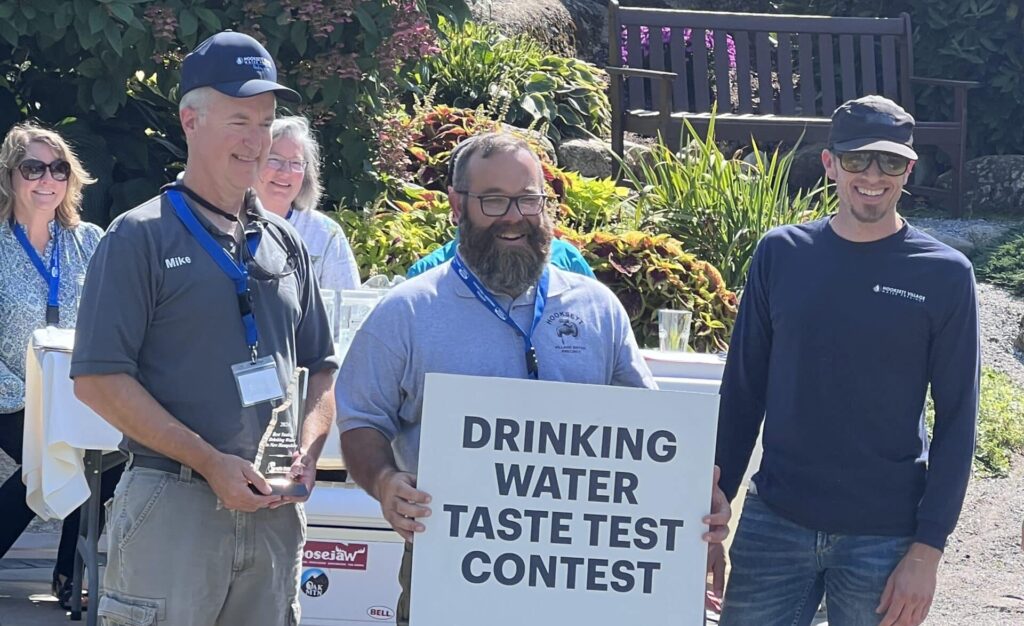
Each fall, the Granite State Rural Water Association holds a drinking water taste test at its Annual Operator Field Day and Exhibit. In fall 2024, just after the completion of the project, HVWP had the honor of winning the contest!

Since Hooksett Village Water Precinct  won the water taste test contest at Granite State Rural Water Association Operator Field Day this fall, they were able to represent New Hampshire in the National Rural Water Association’s  The Great American Water Taste Test, where they  won second place out of 43 systems in the National Rural Water Association’s “The Great American Water Taste Test” in Washington D. C. in February 2025.  Mike Heidorn, P.G., Superintendent, represented HVWP and accepted the award.

We are very proud of the collaboration and efforts of both HVWP and the Tata & Howard team for the incredible success of our partnership. 

Grafton Water District, Trinity Avenue Well Site and Pump Station

Tata & Howard provided engineering services for permitting, design, and bidding of the Trinity Avenue Pump Station at the Trinity Avenue Wellfield (new source) and provided assistance with permitting, design, and reporting to the Massachusetts Department of Environmental Protection (MassDEP) for the proposed Trinity Avenue Well site. 
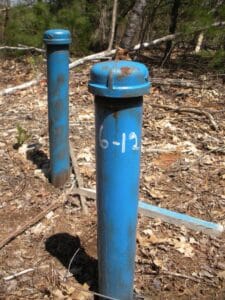
The property was owned by the Massachusetts Division of Fisheries and Wildlife (DFW), and the Grafton Water District swapped land with the DFW to obtain ownership and control of the Trinity Avenue site. Test wells were installed and short-term pump tests were completed on each of the wells. Based on the results of the tests, it was recommended to install a three well configuration of 18-inch x 12-inch gravel packed wells resulting in approximately 840 gallons per minute (gpm). The work under this contract included the completion of the Request for Site Exam and Pump Test Proposal for submission to MassDEP, installation and development of three (3) 18” x 12” gravel packed wells and pitless adapters, installation and development of approximately five 2-1/2” diameter observation wells, installation of two staff gages and piezometers, performing a five-day pump test, and collection and analysis of water quality.
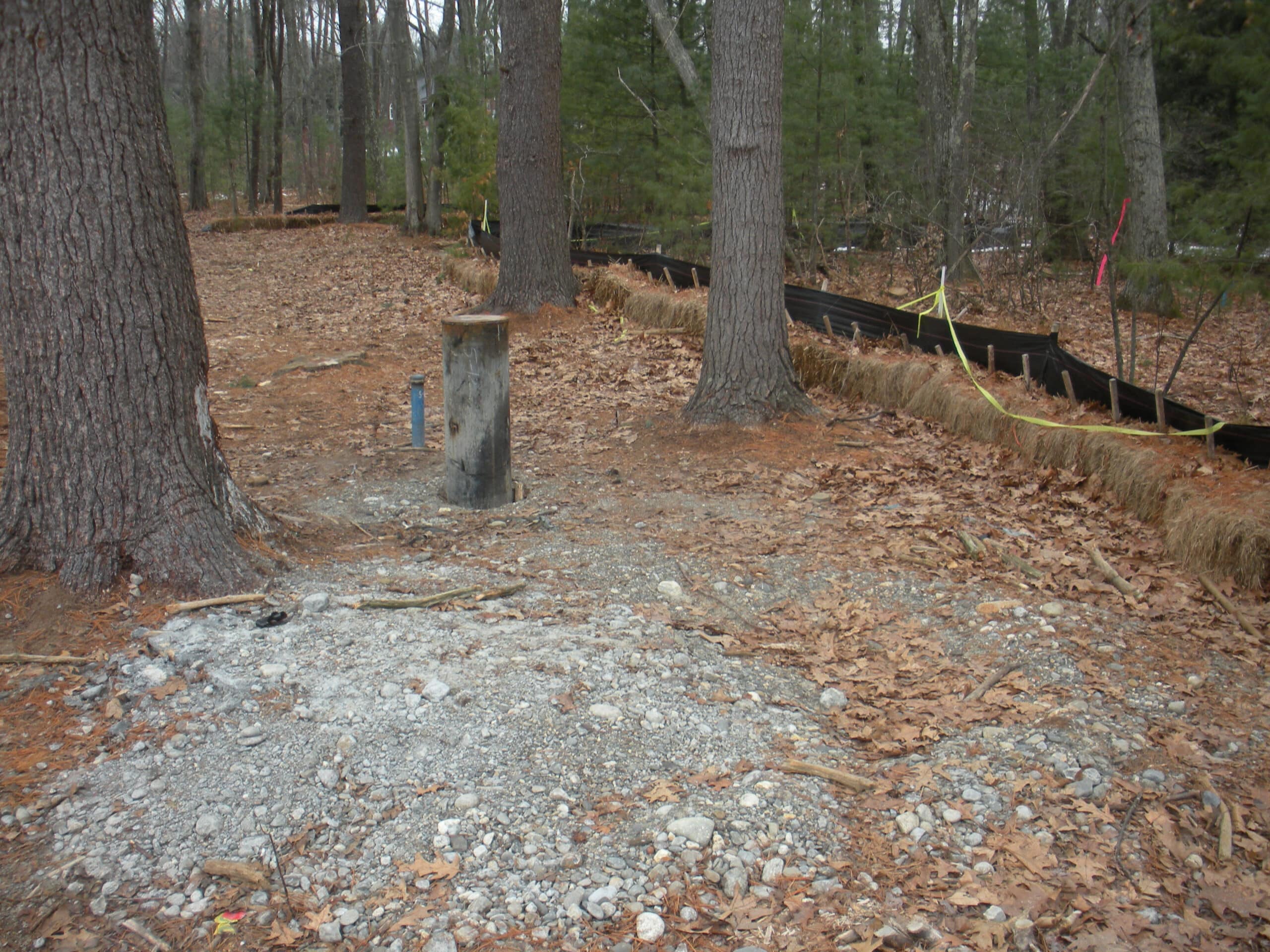
The project also included an evaluation of alternatives for the access road including installation of a bridge or an open bottomed culvert, and Tata & Howard assisted with the preparation of permanent easements for the installation of utilities and roadway to the well site. In addition, Tata & Howard prepared and submitted an NOI to the Grafon Conservation Commission.
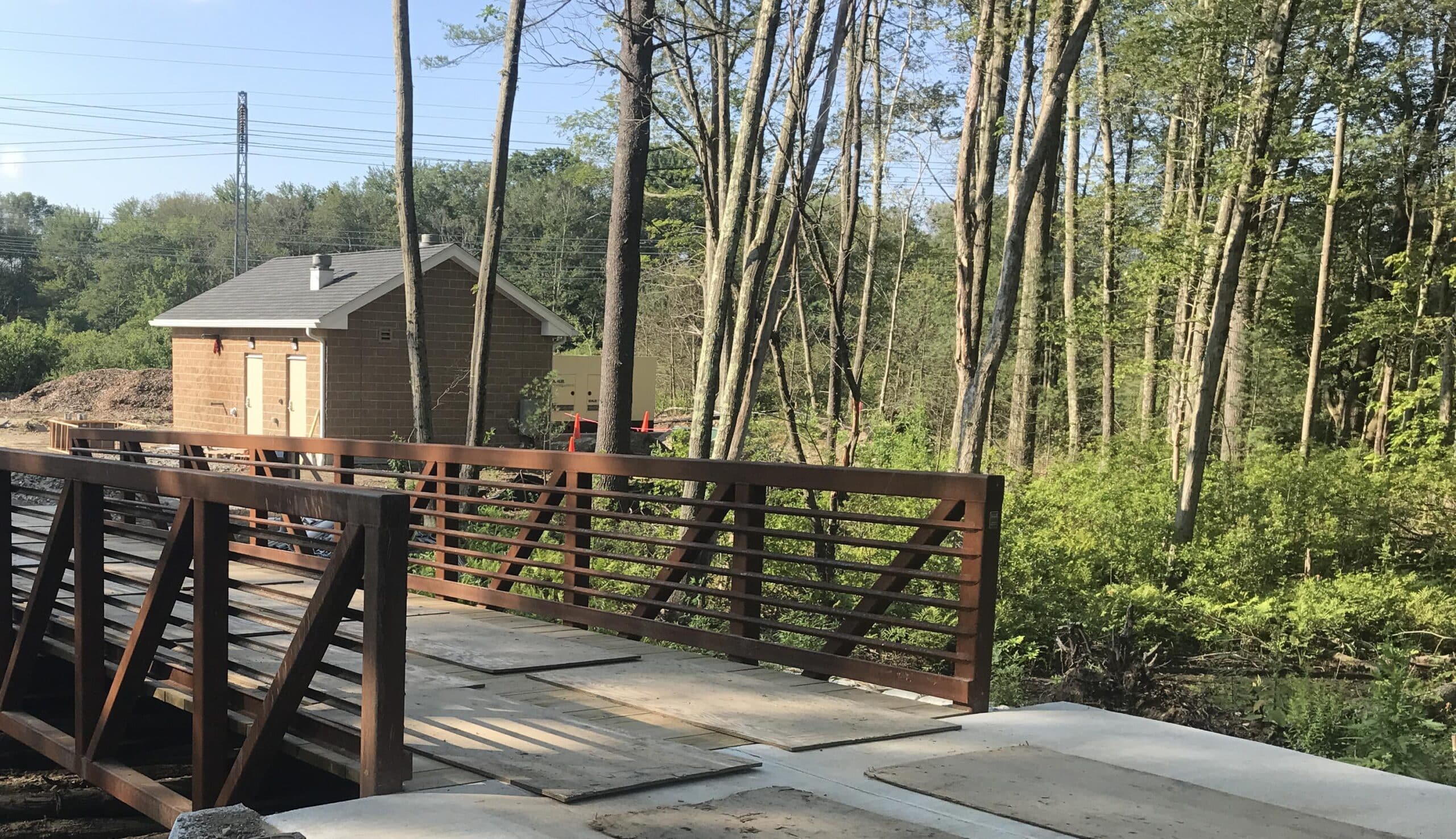
Design included double wythe block and interior concrete painted block with wood truss roof and asphaltic shingles. Security included chain link fence, gates, locks, intrusion alarms, and lighting. Tata & Howard also assisted with the coordination of the installation of three-phase power to site. Chemical feed at the station includes KOH for pH adjustment and chlorine gas for disinfection. Standby power was included in an outdoor enclosure. The design also included 900 feet of new 12-inch water main for 4-log removal.

Tata & Howard also provided construction administration and resident observation services.

Rehabilitation of a 130 Year Old Tank, Newton, MA 

About the System

The water distribution system in the City of Newton, MA (City) serves approximately 90,000 people and includes 319 miles of water main ranging from 2-inches up to 30-inches. There is a southern pressure zone, a northern pressure zone, and three additional high service areas. All water is supplied by Massachusetts Water Resources Authority (MWRA) and the system utilizes two tanks, the Waban Hill Reservoir and the Oak Hill Tank. 

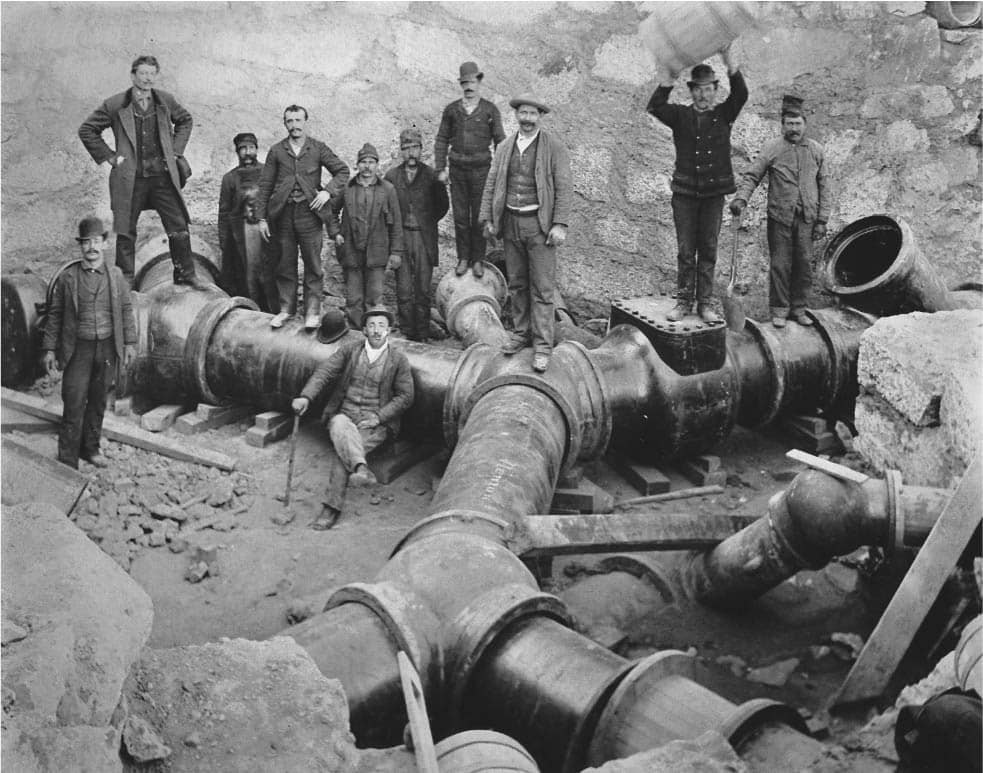
Installation of the 24-inch cast iron piping in 1890

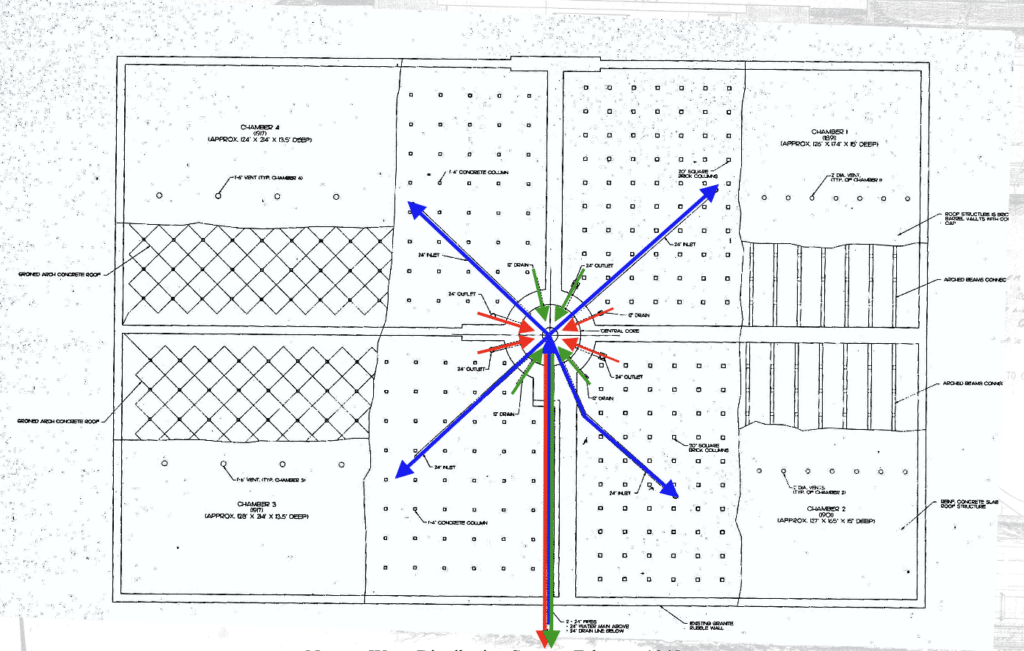
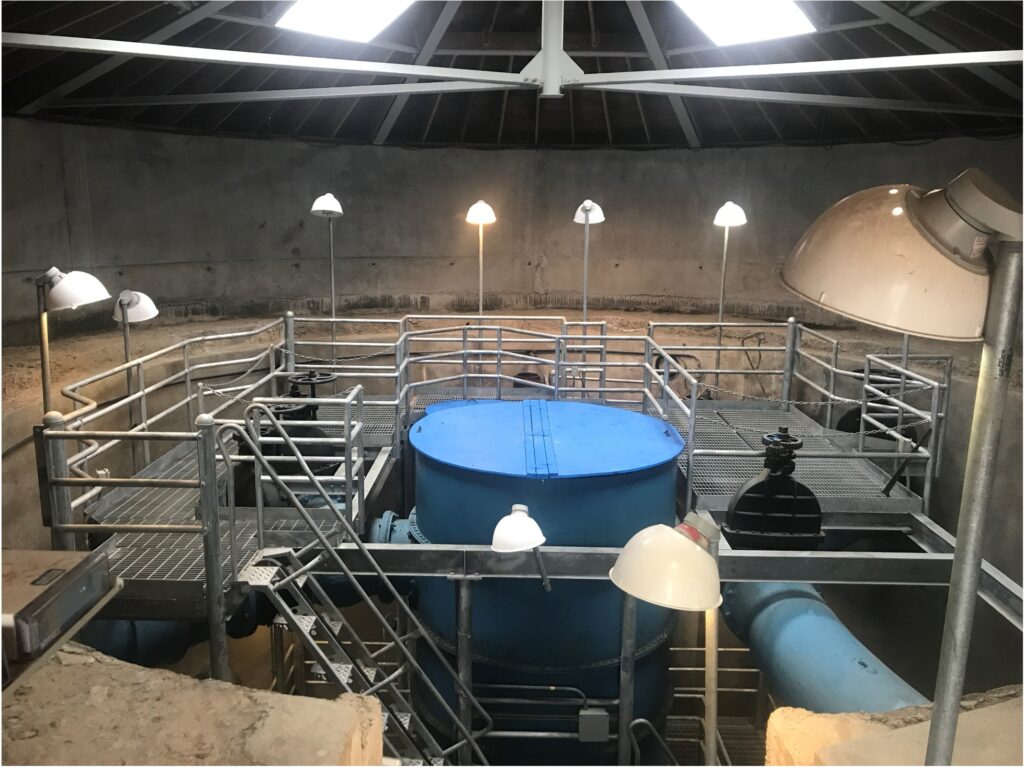
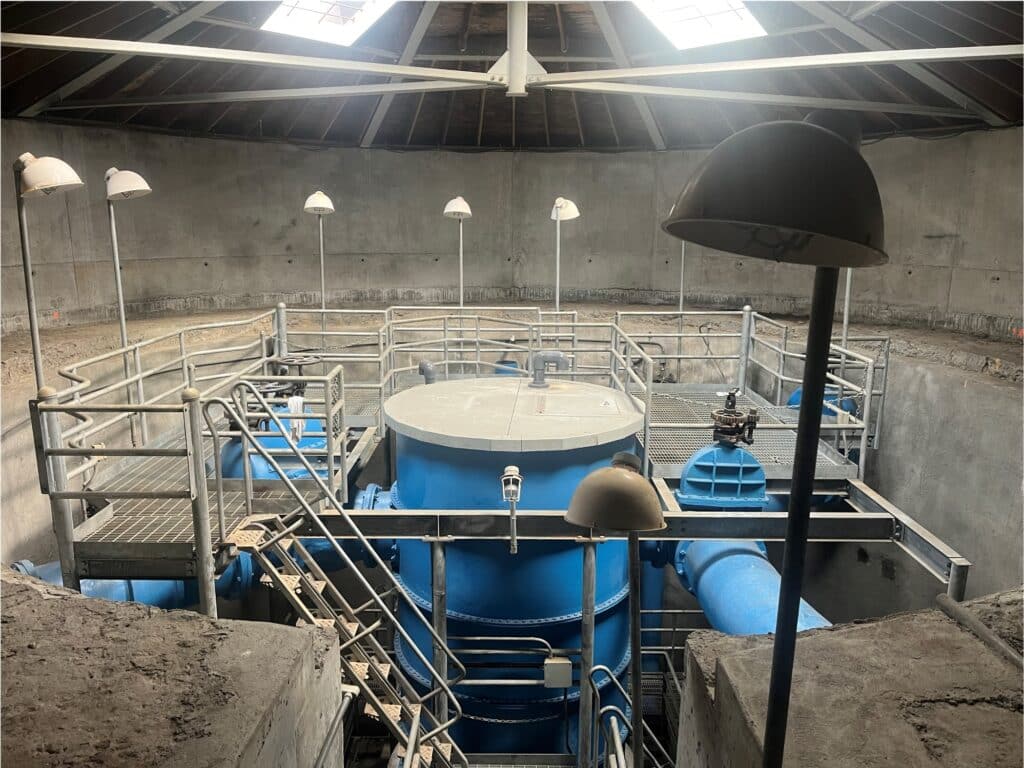
The Waban Hill Reservoir (Reservoir) is located in the Chestnut Hill area of Newton and serves the southern pressure zone.  The Commonwealth Avenue Pump Station, operated by the MWRA, serves Newton’s southern pressure zone and fills the Reservoir. The Reservoir has a capacity of approximately 10 million gallons (MG) with four chambers that were built in stages: Chamber 1 was constructed in 1891, Chamber 2 in 1901, and Chambers 3 and 4 in 1917.  Each chamber is approximately 2.5 MG.  At the center of the reservoir is a gate chamber building that houses the influent and effluent valves and piping to each of the chambers as well as the 90-inch diameter central core standpipe.

Figure 1

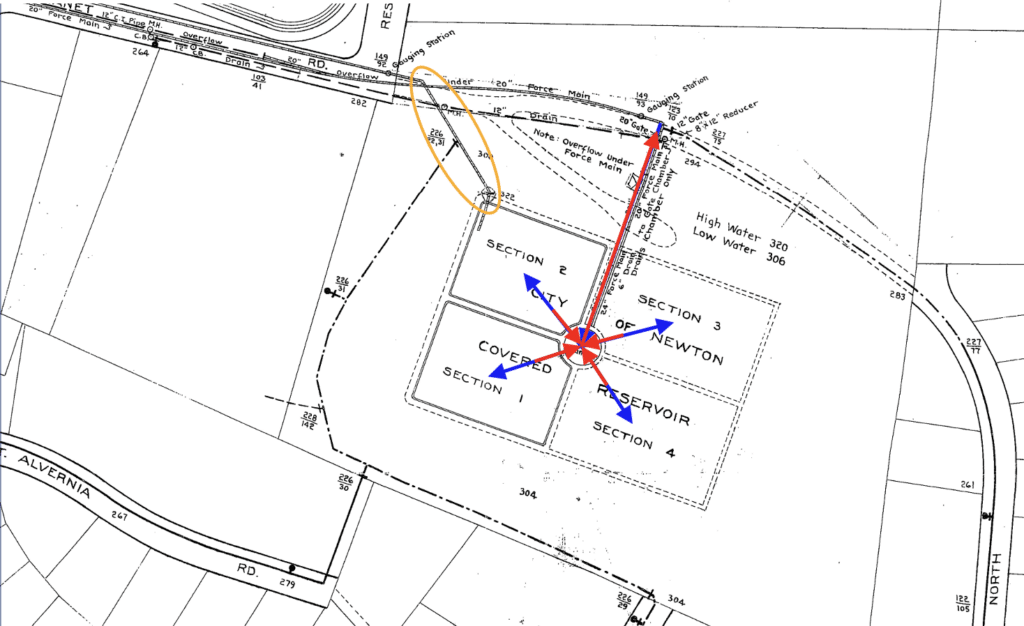
As shown in Figure 1, there is a 24-inch diameter common inlet/outlet line that fills the interior standpipe and then overflows equally into all four chambers. When drawing, the 24-inch diameter check valve opens and draws through the effluent lines and out the common inlet/outlet. An additional 24-inch diameter inlet/outlet pipe is located in the corner of Chamber 2 that operates Chamber 2 only if needed. During construction, Chamber 2 was used to feed the system through the secondary inlet/outlet pipe while work was completed on the effluent valves for all chambers.  During construction, the effluent pipe from Chamber 2 to the core was plugged so that work could be performed on the piping and valve while keeping Chamber 2 in service.

All chambers have a drain line and valve that manifold into a 24-inch diameter drain line that runs under the existing common inlet/outlet pipe. The bottom of the interior standpipe as well as the standpipe overflow both drain into the 24-inch drain line. 

Design

The original scope of the repair project included rehabilitating the 90-inch diameter standpipe, replacing four 24-inch effluent valves, and replacing the asphalt shingle roof. 

Figure 2

Prior to construction, it was important to review the impacts of removing Chambers 1, 3, and 4 from service on the distribution system.  The existing hydraulic model for the City was used to evaluate pressures and available fire flow throughout the system with just Chamber 2 online.  The inlet/outlet pipe for Chamber 2 runs down Commonwealth Avenue to the Pump Station (blue line in Figure 2) while the main inlet/outlet pipe from the Central Core runs down Ward Street to the Pump Station (red line in Figure 2). Changing the location of where water enters the system from the Reservoir in turn impacted the hydraulics at certain areas of the system, specifically at higher elevations north of the Reservoir.  A recently installed 12-inch diameter interconnection between the two feed lines was opened, reducing the overall headloss in the system.  

The design required a contingency plan, addressing potential challenges such as losing the entire Reservoir due to a water main break on the inlet/outlet pipe to Chamber 2. Through close coordination with T&H, the City, and MWRA, an emergency response plan was created that added enhanced scenarios.  T&H evaluated the model for the best location of a mobile pumping unit and location of pressure relief valves. The City installed additional hydrants so the City could use MWRA’s mobile pumping unit if needed to pump from the northern pressure zone to the southern pressure zone, which required coordinating availability of equipment with MWRA.

Following a review of the challenges, the design scope was revised. Final design and bidding on the project included standpipe rehabilitation, effluent valve and piping replacement, drain valve replacement, check valve replacement, and asphalt shingle roof replacement as well as the standpipe cover and man-way, interior lighting improvements, and instrumentation. 
Construction Challenges 

There were many construction challenges to overcome as part of the design. Record drawings indicated an isolation valve was located on the common inlet/outlet pipe; however, the valve was unable to be found. A new valve was installed as a change order for the project.

The construction contractor was limited to light loads due to the uncertainty of the structural integrity of the roof to support specific loads, meaning no cranes or heavy equipment could be used, and spanning a crane from the access road to the gate chamber was cost prohibitive. 

The existing valves were embedded in concrete and the flanges were severely deteriorated.  Because of the age of the pipe, angles and bolt patterns were not easily matched with modern piping.  Therefore, stainless steel piping was used to fabricate the needed angles to connect the new valves to the common inlet/outlet pipe.

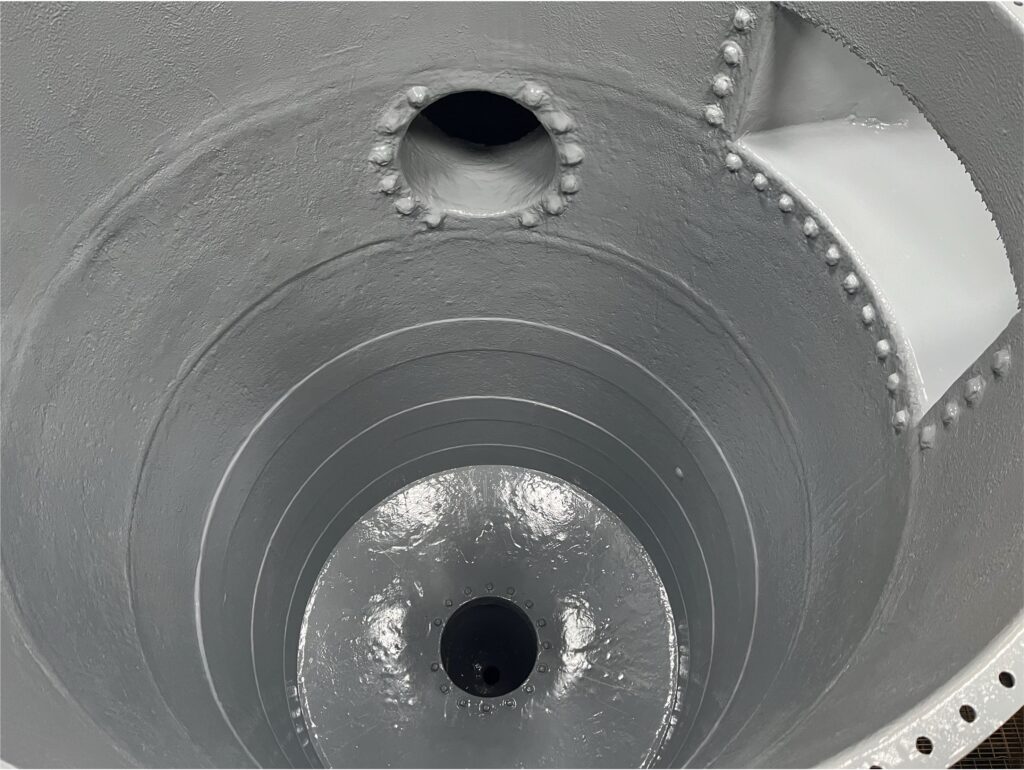
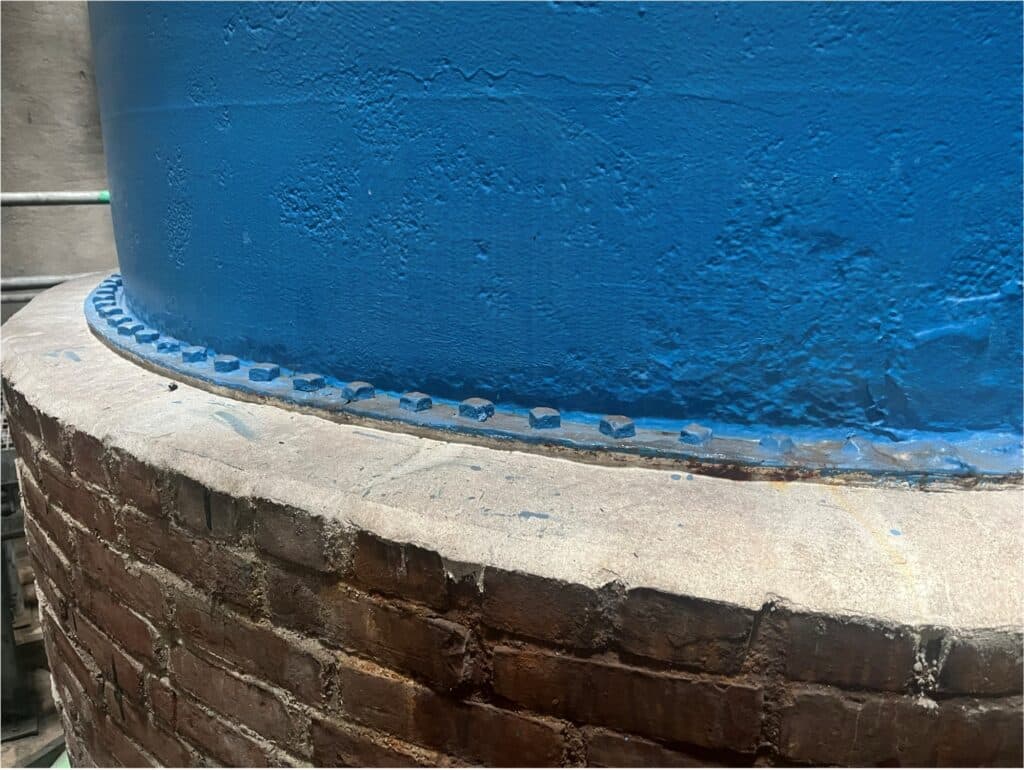
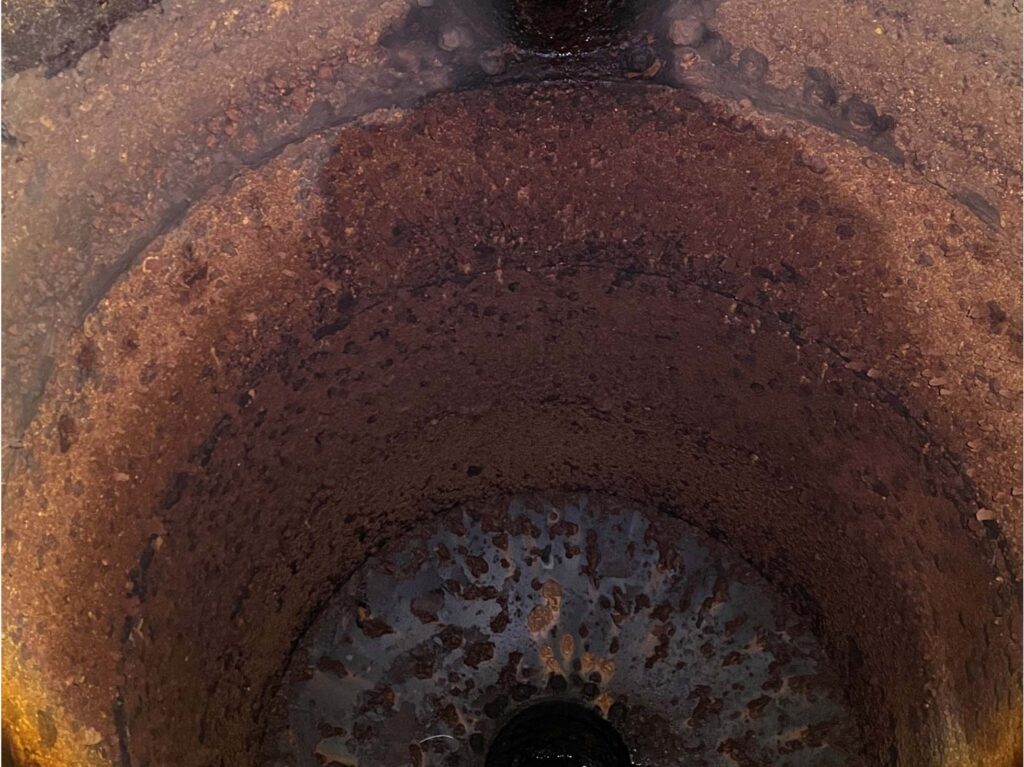
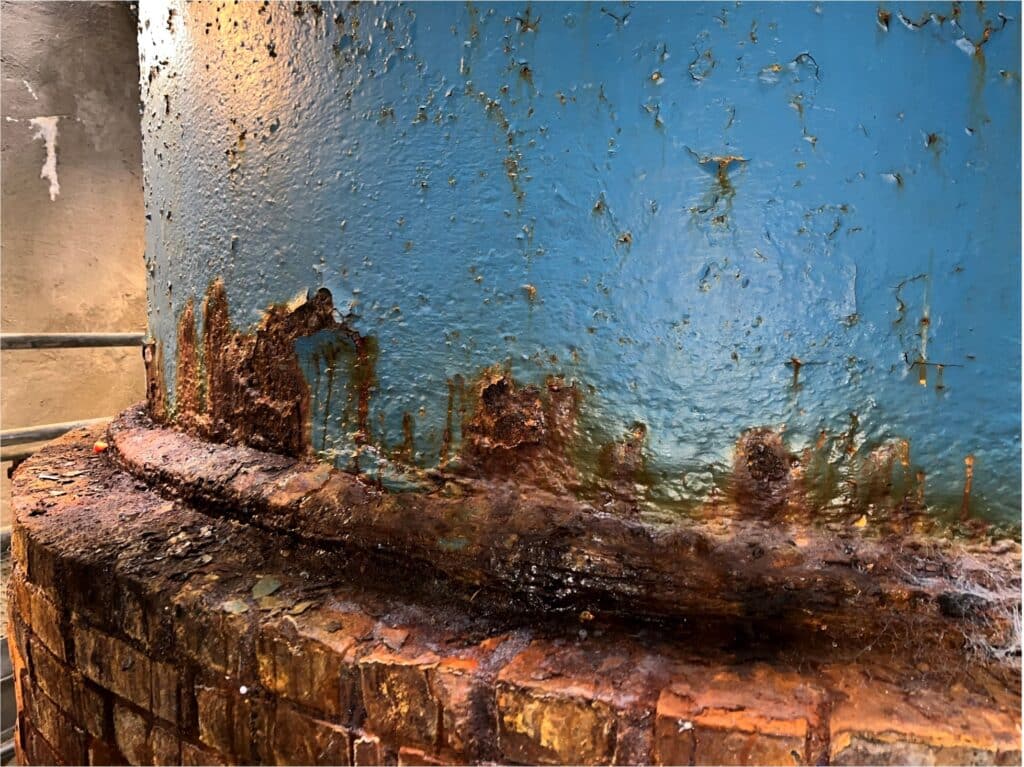
The standpipe was showing signs of severe deterioration.  Under recommendations from MassTank, specialty repairs were required to prolong the life of the standpipe. Steel plates were installed at the joints within the standpipe, both interior and exterior surfaces were sand blasted, a 200 mil epoxy coating was installed on the interior surfaces, and a 10 mil coating was applied to all exterior surfaces.

Initial filling of the reservoir caused Chamber 2 to fill faster than Chambers 1, 3, and 4 which caused the Commonwealth Ave. Pump Station to shut down.  Therefore, the MWRA mobile pumping unit was relocated to the Waban Hill Reservoir and water was pumped from the hatch in Chamber 2 through the hatch in Chamber 1 which was connected to Chamber 3 and 4 through the central core.

Conclusion

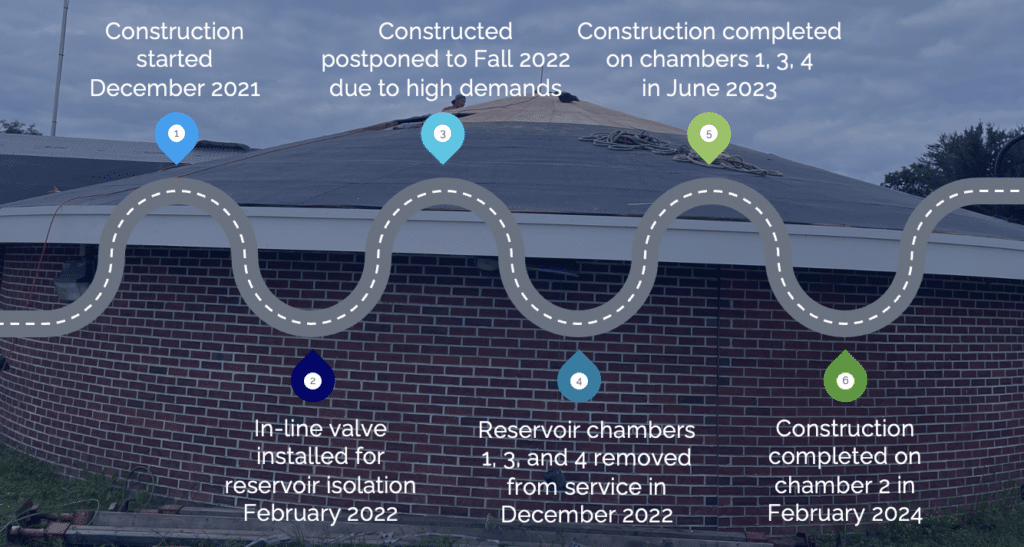
Construction was completed in February 2024 and the project was highly successful with minimal service interruption due to a close working partnership with Tata & Howard, the City of Newton (client), and MWRA.

Before
Before
Before
After
After
After