
As we celebrate Drinking Water Week and Infrastructure Week in May, we’re reminded of the critical systems that quietly sustain our communities every day. These national observances highlight the importance of reliable drinking water and wastewater infrastructure—services we often take for granted, yet ones that set the very foundation of public health, environmental protection, and economic resilience. Designing and maintaining these systems demands more than general engineering knowledge. It requires focused, niche expertise, and a forward-looking approach.
At Tata & Howard (T&H), water and wastewater are our bread and butter. We’re not a generalist firm splitting attention across various sectors—we are dedicated specialists with a singular mission: to help communities design, manage, and optimize their water and wastewater systems. That niche focus gives us the depth, insight, and precision to deliver exceptional results, stay ahead of the curve, and prepare for the future.
 Why Specialization Matters in Water and Wastewater Design
Water and wastewater systems are among the most complex and critical pieces of municipal infrastructure. They must operate around the clock, comply with ever-evolving regulations, and be able to adapt to population growth and environmental changes. A deep understanding of how these systems function and interact empowers our team to create solutions that are efficient, reliable, and safe.
That’s where our specialized expertise sets us apart.
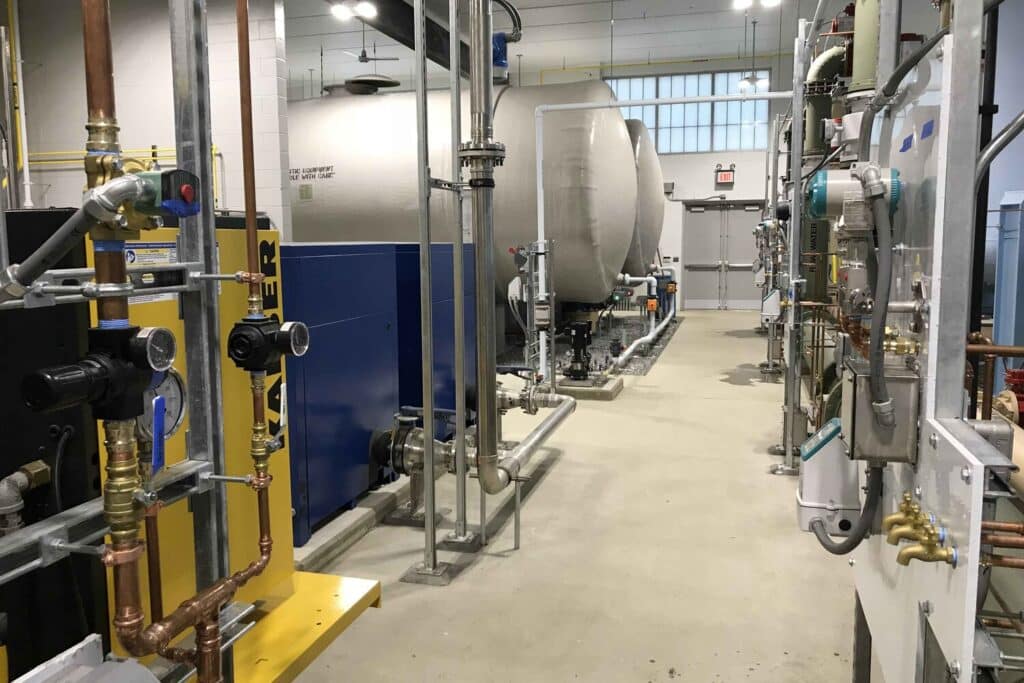
On the drinking water side, we design transmission and distribution mains, storage tanks, pump stations, and advanced treatment facilities—all tailored to meet specific community needs. On the wastewater side, our work includes sewer mains, pump stations, and treatment plants engineered to meet local, state, and federal regulatory requirements while also operating efficiently and sustainably.
Our designs are built on a robust understanding of hydraulics, chemistry, permitting, and utility operations. But technical design is only one piece of the puzzle—strategic planning is just as important.
 Capital Efficiency Plans: A Smarter, Targeted Approach to Infrastructure
At T&H, we help municipalities stretch every infrastructure dollar further. Our trademarked Capital Efficiency Plans (CEPs) are a fast-tracked, highly structured approach to water, wastewater, and stormwater asset management. Designed to identify and prioritize system needs, the CEP empowers communities to take proactive steps, avoiding costly emergency repairs and accelerating much-needed maintenance.
Through a simple, three-step process, our engineers work hand-in-hand with municipalities to assess underground utilities, flag segments needing repair, replacement, or rehabilitation, and create a clear, actionable plan. What makes the CEP unique is its three-circle Venn diagram approach, which evaluates each pipe segment using three key criteria: hydraulic modeling, asset management, and criticality. Where these criteria overlap, infrastructure vulnerabilities are given higher priority. It’s a visual, data-driven method that provides immediate clarity and direction.
Each CEP includes GIS mapping and a detailed asset database that outlines priorities, cost estimates, and phasing strategies. This comprehensive reporting gives municipal leaders the tools they need to confidently budget and plan, year over year.
At a time when state and federal infrastructure funding is limited, and aging systems continue to strain local budgets, the CEP provides a powerful path forward. Communities like Northampton, Worcester, and Melrose, Massachusetts have already benefited from this approach, completing more projects with fewer surprises and stronger long-term outcomes.
 Innovation in Action: Staying Ahead of Emerging Contaminants
The water industry never stands still, especially when it comes to water quality. As new contaminants of concern emerge and regulations tighten, utilities are expected to respond quickly and effectively. At T&H, we protect public health and earn community trust by staying one step ahead of the curve.
PFAS, or per- and polyfluoroalkyl substances, are a clear example. These persistent synthetic compounds—often called “forever chemicals”—have become one of the most urgent issues facing drinking water systems across the country. With new limits on the horizon and public awareness on the rise, utilities need proven, forward-thinking solutions.
At T&H, we’ve been addressing PFAS head-on for years. Before it became a national focus, we were already helping communities plan for it. One example is our work with the Wading River Water Treatment Plant in Attleboro, MA, where we conducted pilot testing to evaluate treatment options for PFAS removal. By testing a variety of treatment media, we helped identify effective, sustainable solutions tailored to that system’s specific needs, equipping our client with a head start on long-term compliance.
However, PFAS aren’t the first emerging issue we’ve helped utilities manage. When manganese began gaining attention as more than just an aesthetic nuisance, we were already developing dedicated treatment systems to address it. At the Home Farm Water Treatment Plant in Shrewsbury, MA, we piloted the use of Mangazur® biological filtration to remove manganese from groundwater—an approach that proved both effective and cost-efficient for our client.
Whether the challenge is PFAS, disinfection byproducts, or nutrient removal in wastewater, our team is always evaluating new technologies, anticipating regulatory shifts, and delivering solutions that are both forward-looking and practical. For us, staying ahead isn’t just a matter of innovation, but rather, it’s part of the commitment we make to every community we serve.
A History of Firsts and Forward Thinking
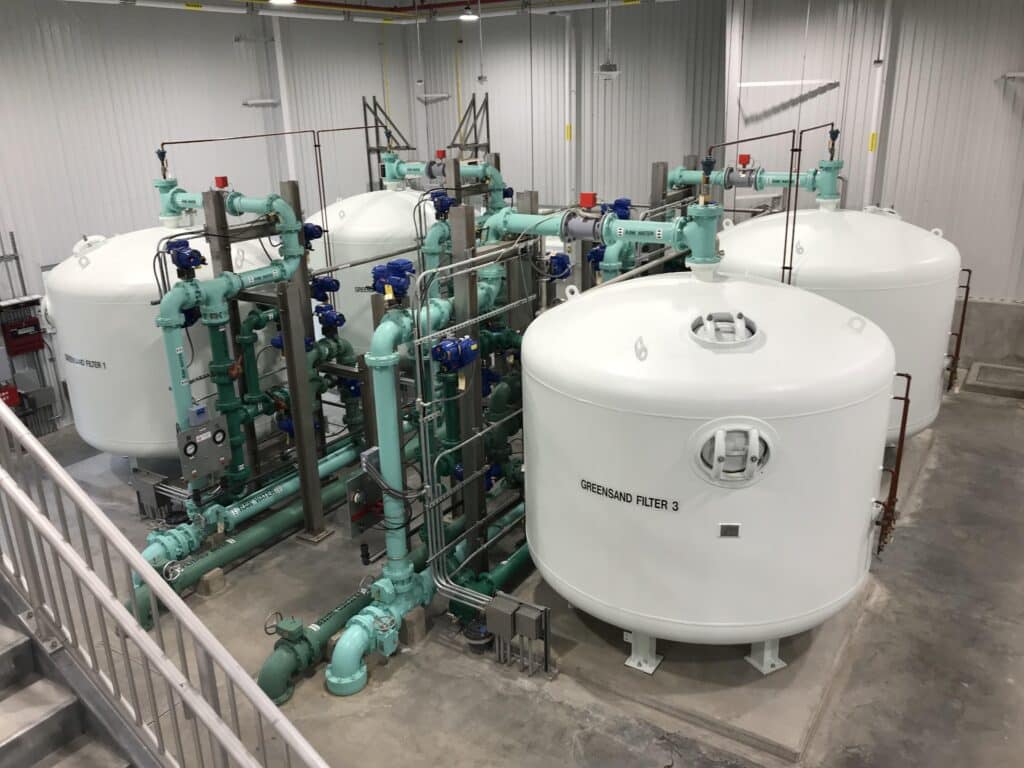
Our legacy is built on innovation driven by a commitment to innovation and community partnership. We’ve been early adopters of advanced tools such as hydraulic modeling, GIS-based asset management, water audits, and CEPs, and we were the first to recycle Greensand backwash water in Massachusetts at a water treatment facility in Natick, MA.
By integrating these technologies early, we’ve helped utilities uncover inefficiencies, reduce non-revenue water, improve maintenance schedules, and phase out aging infrastructure in the most cost-effective way possible. We take pride in serving as trusted advisors, not just technical experts.
That support also extends to helping clients secure state and federal funding, including grants, low-interest loans, and SRF (State Revolving Fund) assistance. We align each project’s technical and financial goals with the most appropriate funding mechanisms—unlocking resources that might otherwise go untapped.
 Building for the Future, Every Day
The success of any infrastructure project is dependent on more than just technical experience and excellence. It requires clear communication, a shared vision, and a genuine commitment to partnership. Our clients count on us for all of that, and more.
During Drinking Water Week, we celebrate the essential role that clean, safe water plays in our lives. And during Infrastructure Week, we honor the engineers, operators, municipal staff, and public officials who keep those systems running strong.
At Tata & Howard, we’re proud to stand with them. Because to us, water isn’t just an industry; it’s our purpose. And we’re proud to dedicate every day to building the water and wastewater systems that keep our communities healthy, resilient, and thriving.
 In recent years, water systems have been faced with challenges that are unique to modern times. Our nation’s buried infrastructure is reaching a critical juncture in that it is nearing or has reached the end of its useful life, or is in dire need of replacement due to the presence of lead. At the same time, climate change is affecting supplies, while a burgeoning population is creating a larger demand. And as we increase our knowledge about the dangers of additional contaminants in our drinking water, utilities are saddled with increased regulations that require strict compliance by specific deadlines. Obtaining compliance often requires extensive upgrades or completely new infrastructure, all of which come with a high price tag.
 The proposed 2018 budget also budget cuts the Environmental Protection Agency (EPA) by 31%, or $5.7 billion. The EPA provides funding to water systems through its Drinking Water State Revolving Fund (DWSRF) and Clean Water State Revolving Fund (CWSRF) programs, both of which “provide communities a permanent, independent source of low-cost financing for a wide range of water quality infrastructure projects.”2 Considering that almost all spending on critical infrastructure such as drinking water, wastewater, and transportation is provided by the public sector, these cuts are expected to make a huge impact on available funding for critical water infrastructure projects.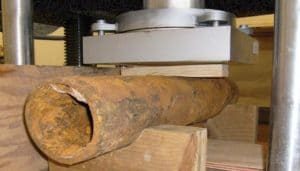
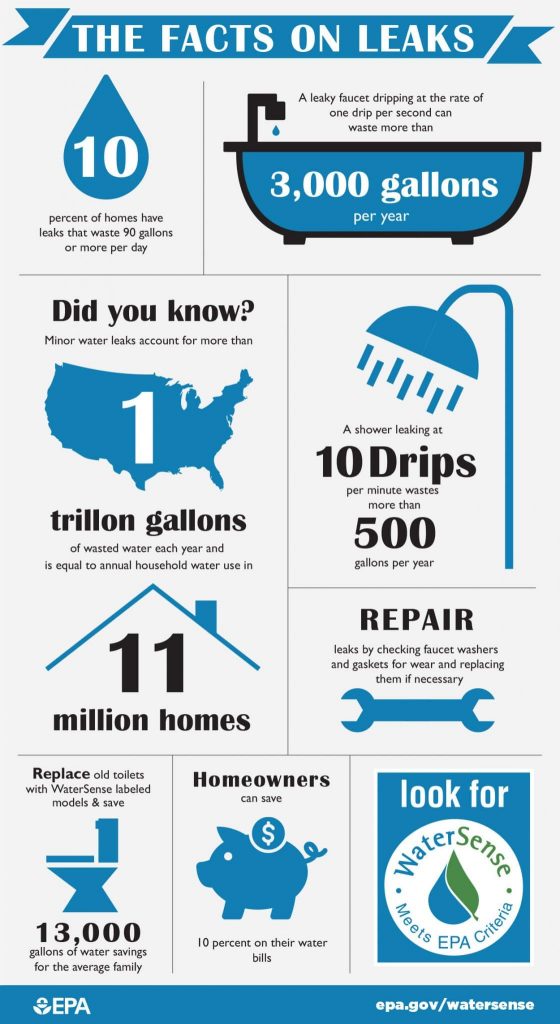
 A good method to check for leaks is to examine your winter water usage. It’s likely that a family of four has a serious leak problem if its winter water use exceeds 12,000 gallons per month.
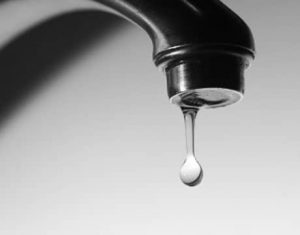 A leaky faucet that drips at the rate of one drip per second can waste more than 3,000 gallons per year. That’s the amount of water needed to take more than 180 showers!
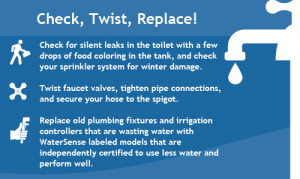
 An irrigation system should be checked each spring before use to make sure it was not damaged by frost or freezing.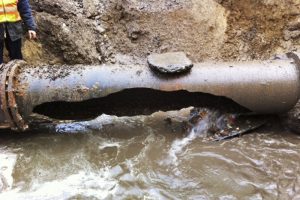
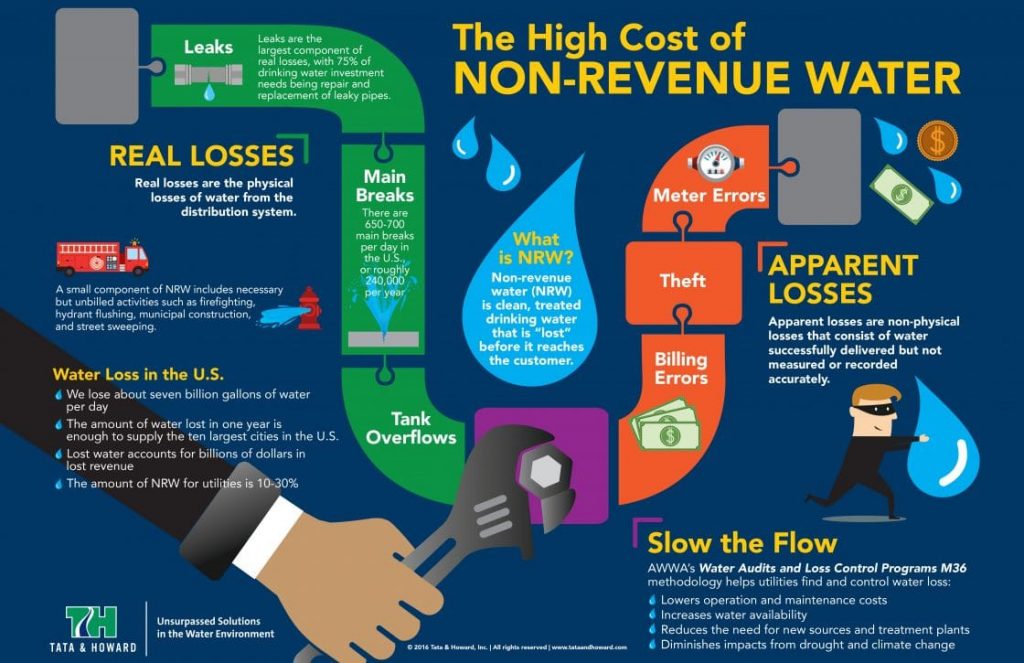 Feel free to share the above infographic (with attribution),
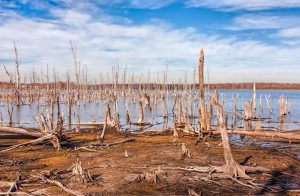
  Water systems today face a set of problems that are unique to this generation. While our nation’s buried infrastructure is crumbling beneath our feet as it reaches the end of its useful life, supplies are dwindling, budgets are shrinking, and federal and state funding is drying up. At the same time, regulatory requirements continue to increase as emerging contaminants are identified. Water systems often find themselves in the quandary of whether to upgrade treatment systems to comply with these new regulations or update assets that are long overdue for replacement or rehabilitation.
 In addition to addressing capital efficiency, water utilities of today must also address operational efficiency. Because water systems are required to do so much with so little, efficiency in all aspects of water system management is critical. Tata & Howard appreciates the unique set of challenges faced by water systems today, and we have experts on staff who understand the inner workings of a water utility – and how to improve them.
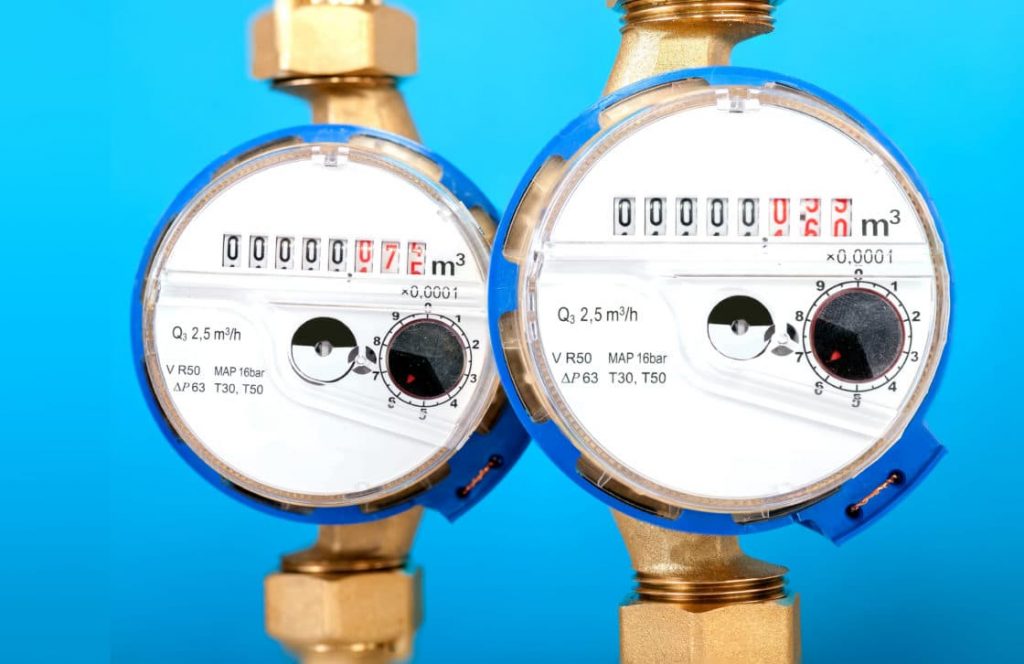 Besides improving operational and capital efficiency, water systems of today must reduce non-revenue water. Non-revenue water is treated drinking water that has been pumped but is lost before it ever reaches the customer, either through real losses such as leaks, or through apparent losses such as theft or metering issues. In the United States, water utilities lose about 20% of their supply to non-revenue water. Non-revenue water not only affects the financial health of water systems, but also contributes to our nation’s decreasing water supply. In fact, the amount of water “lost” over the course of a year is enough to supply the entire State of California for that same year. Therefore, the AWWA recommends that every water system conduct an annual water audit using M36: Water Audits and Loss Control methodology to accurately account for real and apparent losses.