
You know what they say; April showers bring May flowers. While the start of spring and warmer days to come is certainly exciting, it’s important not to oversee what else comes with an increase in seasonal rain – stormwater pollution. Stormwater is water that comes from precipitation and snow/ice melt. The water either soaks into exposed soil or remains on top of impervious surfaces like pavement or rooftops. Most stormwater will eventually evaporate, but often times it will flow as runoff to another location. As the water runs it picks up pollutants along its path including debris, sediment, pesticides, fertilizers, pet waste and more. This polluted stormwater can cause soil erosion, stream impairment, flooding, fish and wildlife habitat loss, and reduced groundwater levels. Although stormwater pollution cannot be eliminated completely, you can do your part in preventing it. Check out these six ways to help prevent stormwater pollution this spring.
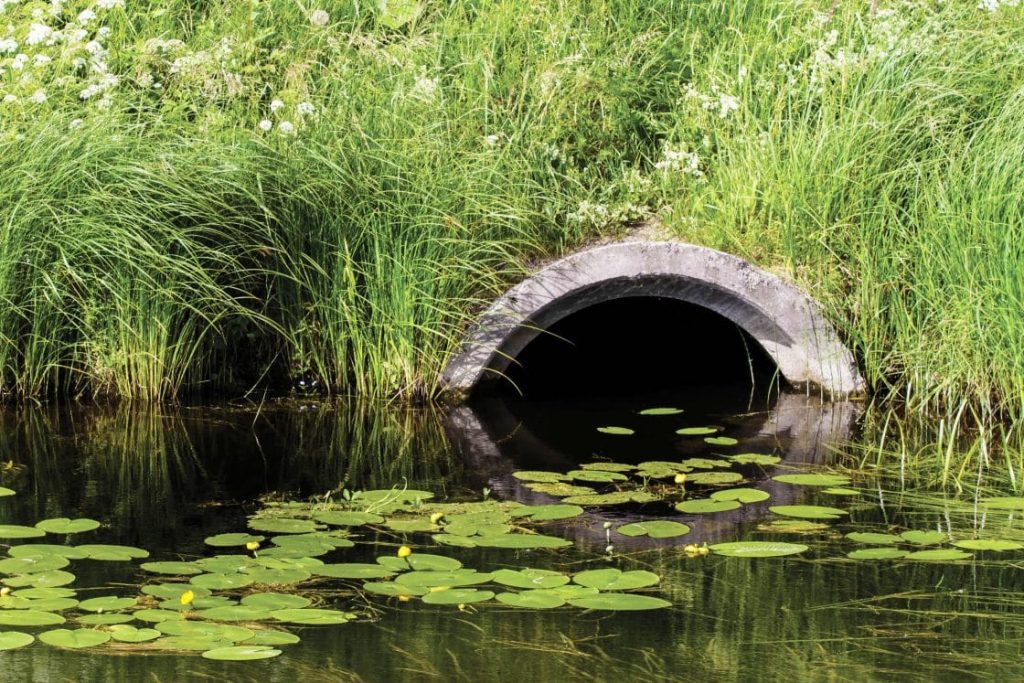
1. Only Rain Belongs in the Drain
As you start a spring cleanup in your yard, it’s important to remember that storm drains are not garbage disposals. Substances including leaves, yard waste, and other debris should be disposed of properly, and not released into neighborhood drains. Do your part to ensure that the only thing flowing into the storm drains are rain and snow/ice melt.
2. Use Lawn Chemicals Sparingly
With the arrival of warmer weather and outdoor summer fun on the horizon, now is the time when people start getting their lawns in tip-top shape. When it comes to fertilizer, remember that a little goes a long way. While a 20-pound bag of lawn fertilizer may seem small, do note that it will typically cover up to 4,000 square-feet of space (bigger than a tennis court). When spreading the fertilizer, use it sparingly to assure the excess does not overflow into runoff when rain comes. Choosing an organic fertilizer will also be less detrimental to the environment.

3. Avoid Over-Watering Your Lawn
While fresh, green grass is the end-goal for most yards come springtime, be sure not to over-water your lawn. In addition to the risk of fertilizer flowing over and out into the streets, it’s not good to have pools of water collecting in your grass. Avoid this by scheduling times each week to water your lawn, or by turning on sprinkler timers.
4. Wash Your Car Over Grass or Gravel
If you plan to wash your car at home, find an outdoor surface such as gravel, stone or grass to wash it on. Soapy water and grime will have an easier time neutralizing if it is filtered out before it reaches our streams and creeks. Try using a non-toxic or biodegradable soap as well to allow fewer chemicals to get into the water. An even safer alternative would be heading over to your local car wash where they will have a system in place for recycling or removing wastewater.

5. Pick Up Pet Waste
Although this sounds like a given, there are still many folks who do not pick up their pet’s waste. Pick up, bag, and dispose of pet waste properly to assure that unhealthy bacteria is not flowing into local waterways.
6. Plant Low-Maintenance Grasses and Plants
When it comes time to choose either grass seeds for your lawn or decorative plants, go with a low-maintenance, native (ones that occur naturally in a region in which they evolved) option. Because native plants adapt to local environmental conditions, they require far less water and are a lot better for the environment. Curious about what types of native plants are in your area? Check out this Native Plants Database to find out!
Interested in learning more about eco-conscious stormwater management to avoid stormwater pollution? Check out our infographic here and keep these tips in mind as you get going on your spring activities.





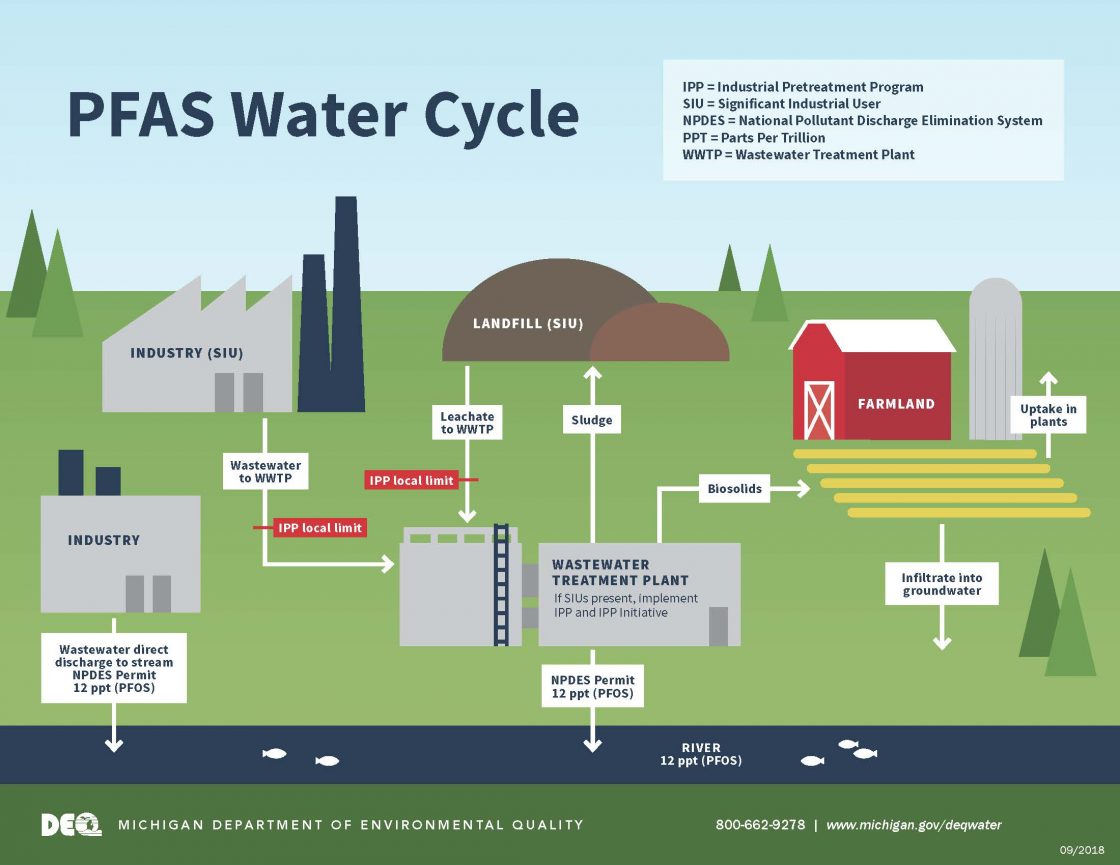





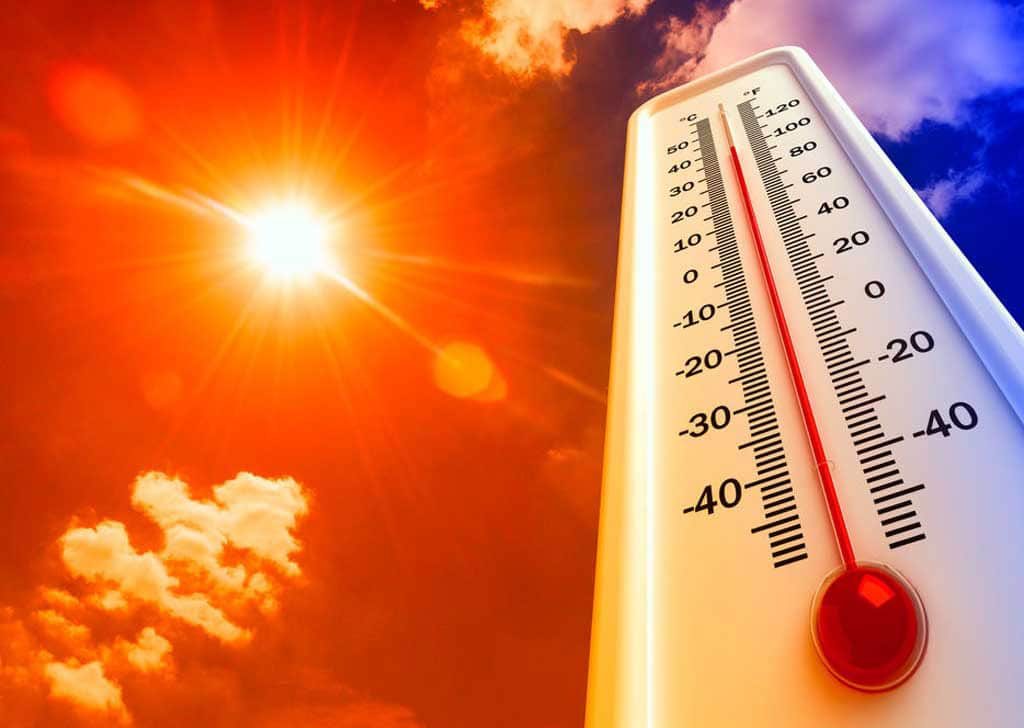 The most alarming news is the hottest temperature ever reliably recorded reached 124.3 degrees in Algeria this July.
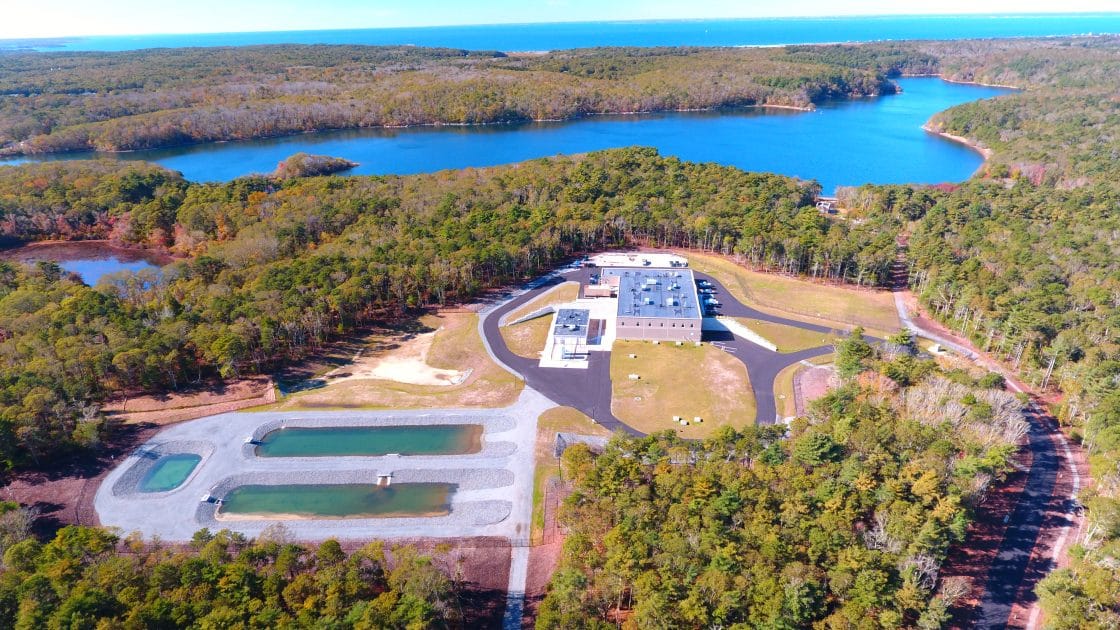
 Wastewater treatment plants that use aerobic bacteria must provide oxygen with huge and costly electrically powered blowers for these microorganisms to survive. Anaerobic bacteria treatment processes do not need oxygen and use considerably less energy, making the wastewater treatment process more economical to operate. In addition to saving money, engineers believe these anaerobes can filter household and industrial chemicals better than conventional treatment plants.


 When NASA recently announced the discovery of liquid water flowing under an ice cap on Mars, it opened the exciting possibility that life may exist outside our earthly abode. While it is conceivable scientists may eventually discover life somewhere in our galaxy, a reliable source of water outside earth is fundamental for the possibility of establishing a colony on Mars, exploring the universe and even visiting distant planets in search of life outside earth.
 But hauling tons of supplies and materials to the International Space Station (ISS) is inefficient and extremely expensive. Sustaining a crew of four astronauts on the ISS with water, power and other supplies, costs nearly one million dollars a day. Even with the reusable SpaceX rocket which regularly provides supplies to the ISS, it costs $2,500 per pound to launch into space. With four astronauts living on the ISS needing approximately 12 gallons of water a day, it is impractical to stock the ISS with the tons of water needed for long periods of time.
 If the idea of drinking reclaimed water from mice urine and other waste sources sounds unappetizing, consider this, the water the astronauts drink is often cleaner that what many earthlings drink. NASA regularly checks the water quality and it is monitored for bacteria, pollutants and proper pH (60 – 8.5).
 Recently, NASA invested in a new, lower cost solution to biologically recycle and reuse water developed by
  Pancopia is currently working on a similar system used on the ISS for municipal wastewater facilities. Using the technology developed for the Space Station, other areas in the world with limited access to clean drinking water, will soon be able to utilize this advanced water filtration and purification system.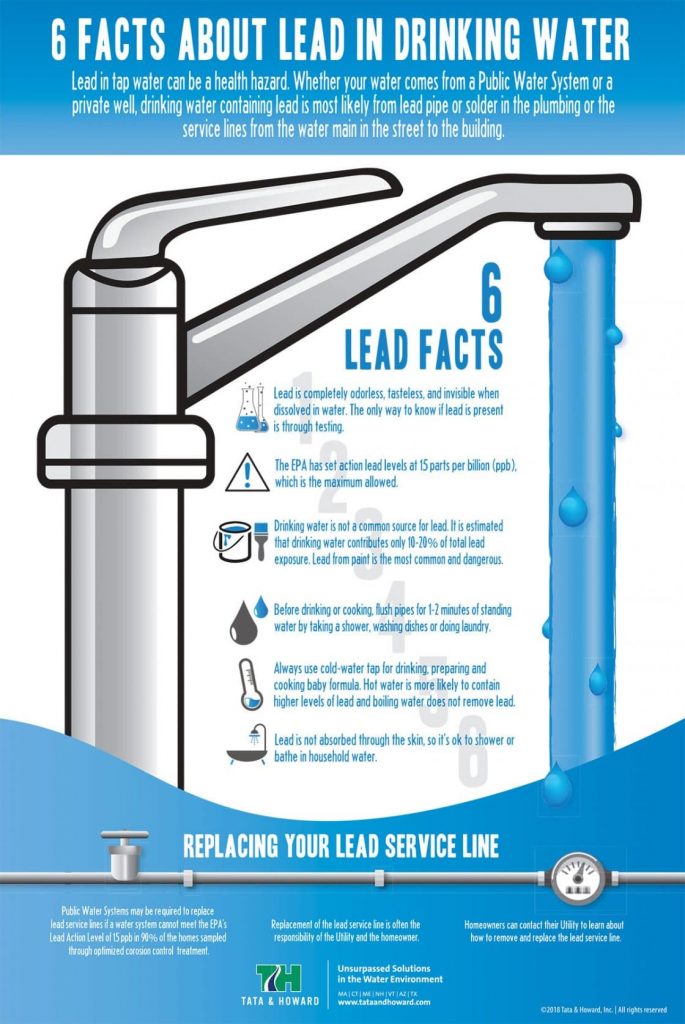
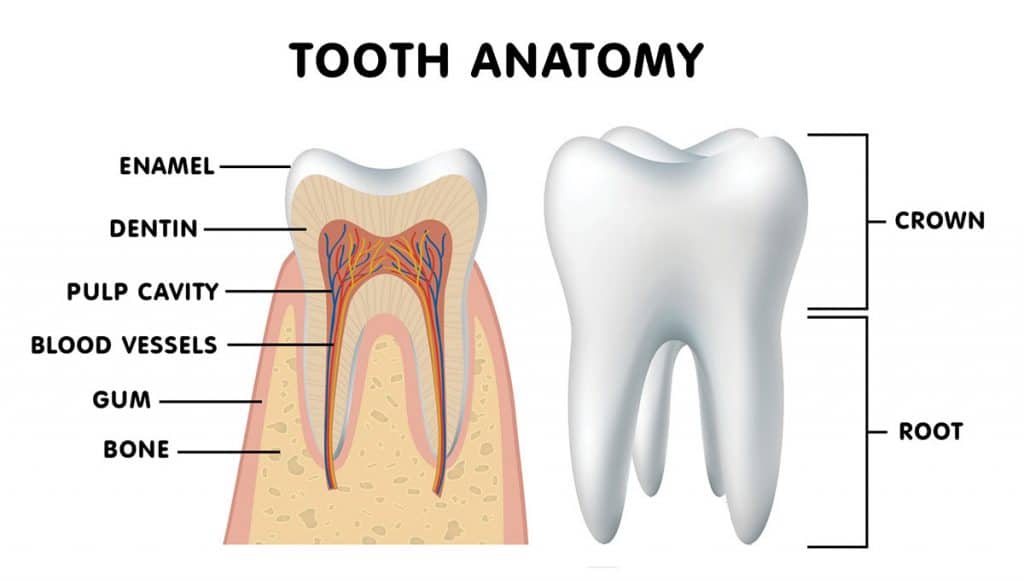 Even so, that millimeter of enamel making up the outer part of the tooth is the hardest substance of the human body and can outlast even the human skeleton when interred. In fact, the oldest vertebrate fossil relics going back 500 million years are teeth. Despite these details, teeth can be surprisingly fragile and prone to decay.
 Still, with these advances in dentistry, tooth loss and decay persisted. Since ancient times, it was widely thought that toothaches were caused by worms that destroyed teeth. It wasn’t until 1890, when a dentist named Willoughby Miller identified that tooth decay was caused by a certain type of bacteria that thrives on sugar, creating an acid that ate away at tooth enamel.

 Financing for The Clean Water SRF Program helps municipalities with federal and state compliance water-quality requirements, focusing on stormwater and watershed management priorities, and green infrastructure. The Drinking Water SRF Program, provides low-interest loans to communities to improve their drinking water safety and water supply infrastructure.