On May 31, 1889, the South Fork Dam near Johnstown, Pennsylvania collapsed during a large storm. The failure of this dam claimed 2,209 lives as 20 million tons of water flooded the town. Prior to the dam failure, dam safety awareness was minimal and was not widely recognized. Now, 131 years later, strong dam safety programs, investment in America’s critical infrastructure, and dedication to public-private partnerships are just as crucial. The importance of Dam Safety Awareness must continue growing to assure America’s dams are safe, resilient, and operational.
Dams in America
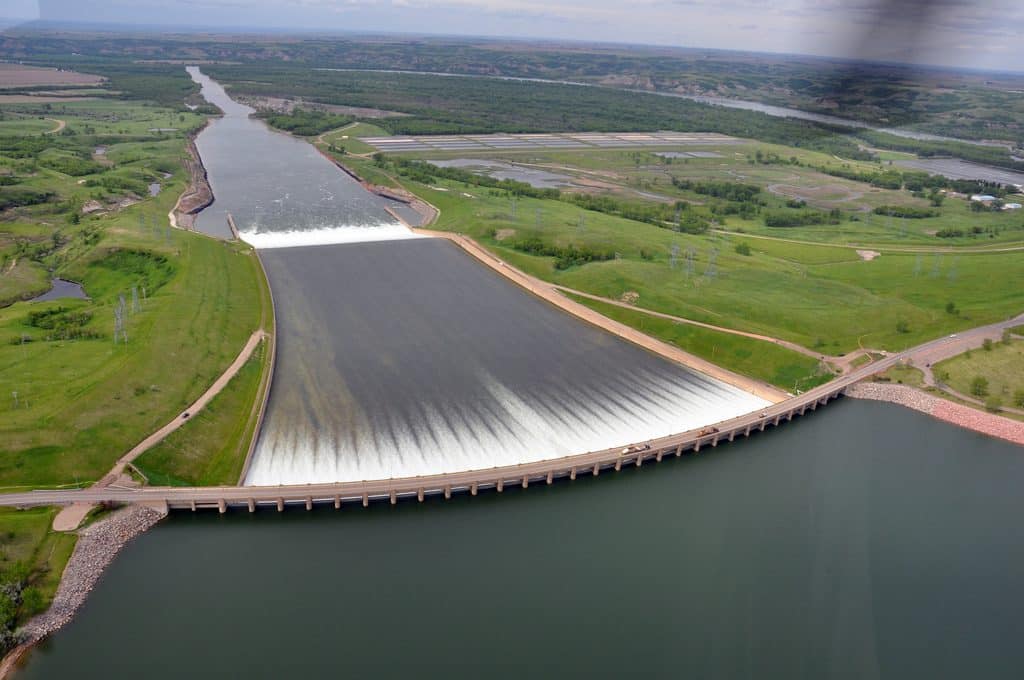
There are more than 90,000 dams in the United States that have been built to maximize the use of our most valuable resource – water. They serve several functions including water supply for agricultural, community, domestic, and industrial use; flood control; recreation; and renewable energy.
Water Storage – Dams create reservoirs that supply water for irrigation, domestic and commercial water supply, recreation, fire control, and more.
Flood Control – Damns aid in reduced flooding and erosion.
Irrigation – Ten percent of the water used by American cropland is stored behind dams.
Renewable Energy – Dams produce 8-12 percent of the nation’s power needs via hydropower. Without hydropower, the United States would have to burn an additional 121 million tons of coal, 27 billion barrels of oil, and 741 billion cubic feet of natural gas.
Recreation – Boating, fishing, swimming, and camping are just some of the recreational activities that take place as a result of hydropower created by dams.
Dam Safety Issues in America
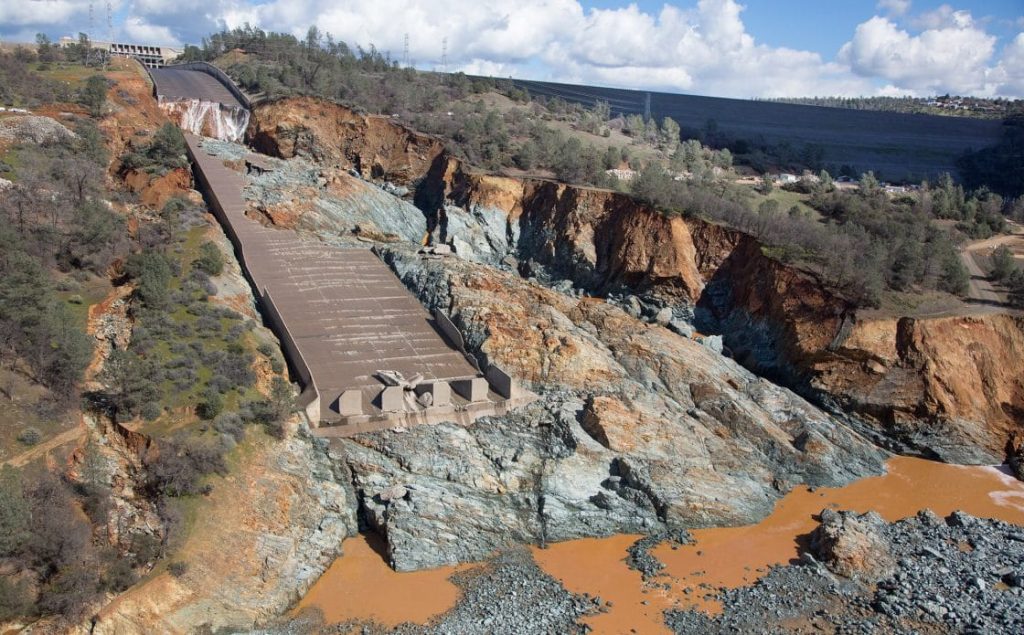
Safe operation and maintenance of dams are critical when it comes to avoiding potential dam failure and disaster. With tens of thousands of dams across the country, many of which are approaching their life expectancy, it’s important to be on the lookout for dams with high-hazard potential. High-hazard potential dams climbed to more than 15,000 in 2018, and only continue to grow due to growing populations. This increase is known as ‘hazard creep’. Hazard creep describes the growth of development such as people, buildings, and businesses, that moves closer to dams.
Investing in Dams
Dams are a major piece of our country’s critical infrastructure, and investment is needed to rehabilitate those that are deficient.
Why do dams need upgrading?
- Deterioration
- Changing technical standards over time
- Improved techniques for building
- Increases in population
- Better understanding of precipitation patterns in areas
- Changing land use
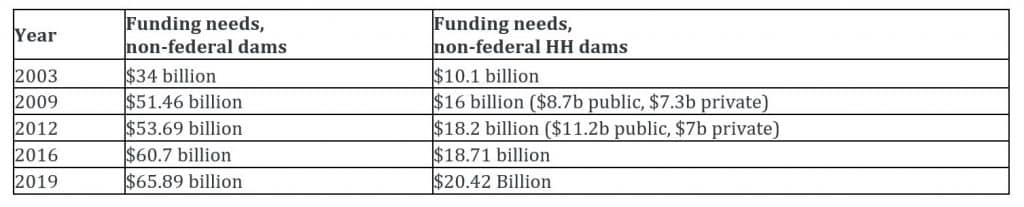
Upgrading a dam when it reaches an increased hazard potential is critical for the integrity of the dam structure as well as the safety of those living in the vicinity. The problem that dam owners have (especially on the private side) is the difficulty in funding the upgrades.
The Association of State Dam Safety Officials have tracked dam rehabilitation costs for non high-hazard and high-hazard dams since 2004.
Recreational Dam Safety Awareness
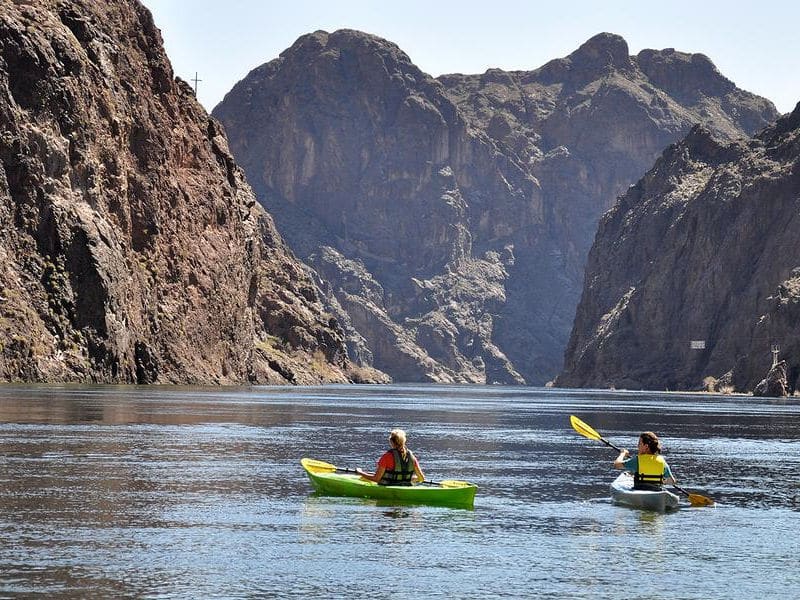
Outside of critical infrastructure, dams provide recreational opportunities for boaters, swimmers, kayakers and more. Unfortunately, there are dozens of deaths on American waterways each year that take place at structures called ‘low-head’ dams.
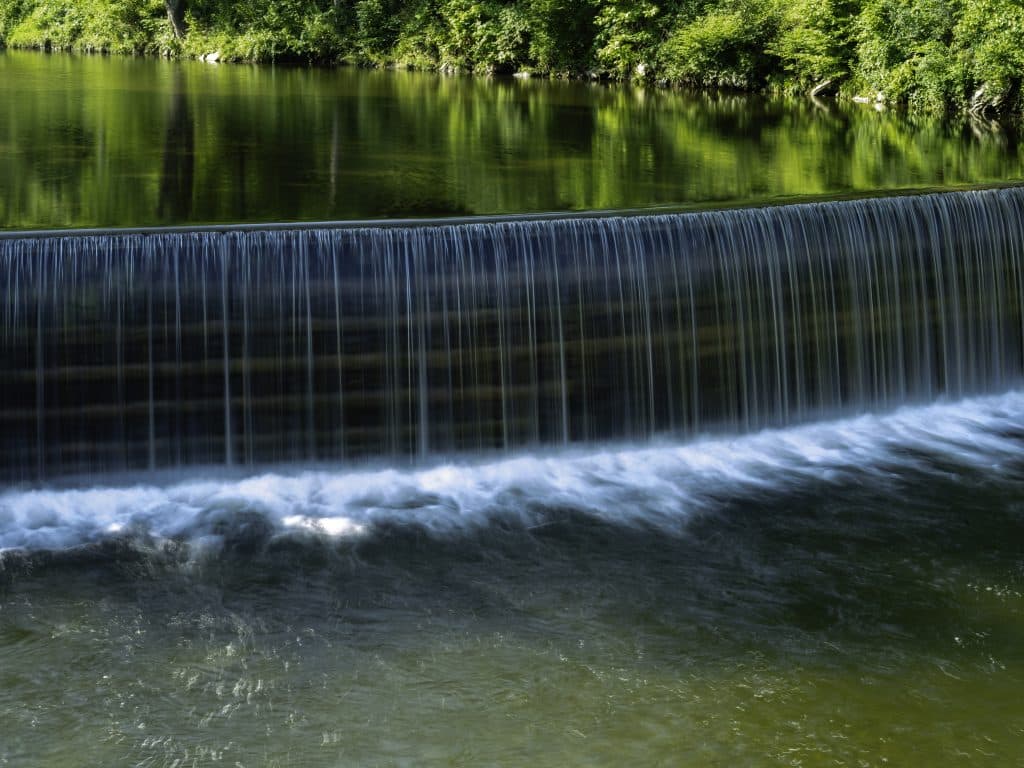
Low-head dams are low in height and typically have a 1-15 foot drop off, allowing water to flow off the dam. Below the drop off, water falling from the dam can create circulating currents that can trap people and objects underwater against the face of the dam. The force of the water is extremely strong, and these structures have earned the title of ‘drowning machines.’
Many people are unaware of the dangers associated with dams which is why it is so important to educate communities of dam safety.
Click here to learn more about public safety around dams.
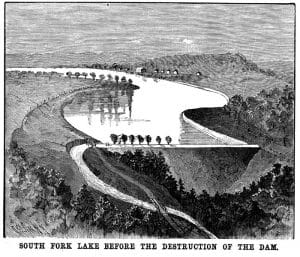 As the spring rains continued, life was about to change for the working-class city of 30,000 and other communities beneath the South Fork Dam.
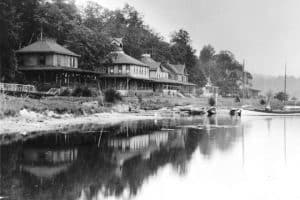 For the pleasure of their private members, club owners soon began modifications to the dam. Fish screens were installed across the spillway to keep the expensive game fish from escaping. The dam was lowered by a few feet so that two carriages could navigate the carriage road to the clubhouse. Relief pipes and valves that controlled the water level and spill off from the original dam were sold off for scrap, and rustic cottages were built nearby.
 Club officials struggled to reinforce the earthen dam, but it continued to disintegrate. When the lake’s water began to pour over the top, it was apparent that a catastrophic collapse was inevitable and imminent. Frantic riders were sent down the valley to alert the local communities and tell them to evacuate. Sadly, few residents heeded the alarm being so often used to the minor seasonal flooding from the Little Conemaugh river.
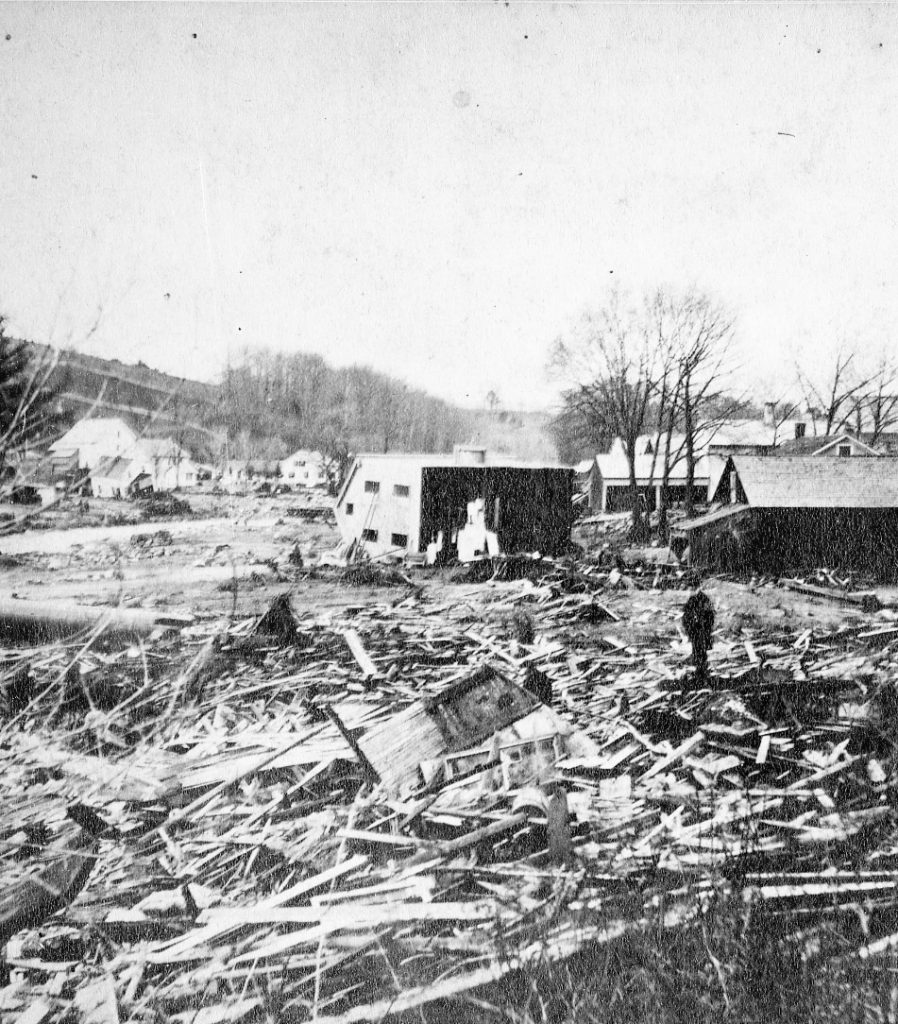
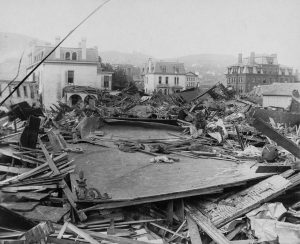
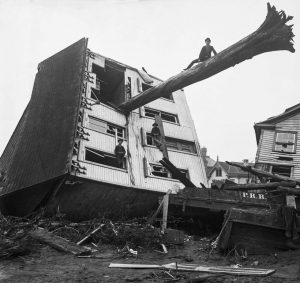 Along the way, the deluge accumulated everything in its path, including all sorts of debris—from city buildings, houses, and barns. Piles of boulders, trees, farm equipment, rolls of barbed wire, horse carriages, and railroad cars churned in the turmoil. Embroiled in the devastation were also animals and people—both dead and alive.
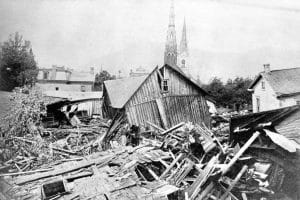 It would take months to sift through all the wreckage to find the bodies and years to fully recover from the aftermath.
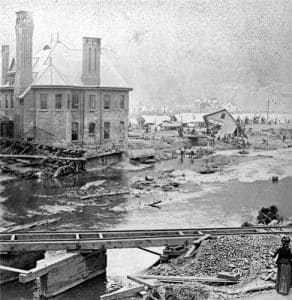 A hydraulic analysis published in 2016 confirmed what had long been suspected, that the changes made to the dam by the South Fork Fishing and Hunting Club severely reduced the ability of the dam to withstand major storms.1