In our line of work, water isn’t just our business, it’s our purpose. Every drop we help deliver carries the weight of public health and safety, sustainability, and trust. Unfortunately, both our water supply and the professionals who manage it are often taken for granted. We often tend to assume the water will always be there: clean, safe, and forever flowing.
But what if that wasn’t the case?
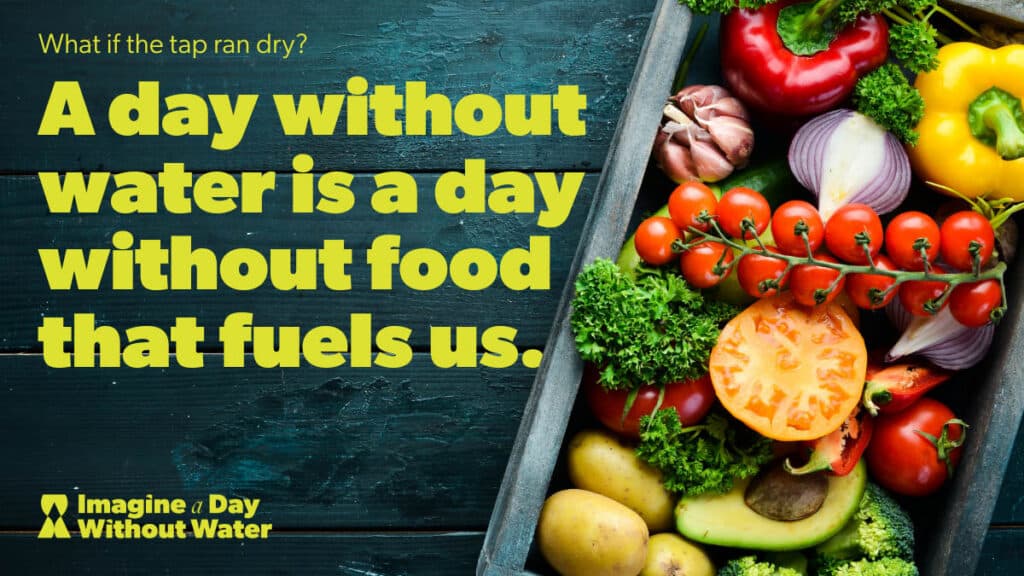 Imagine a day where our access to that water wasn’t available. Now, imagine a day without the people who work tirelessly to make that water safe and accessible.
As we celebrate our 33rd anniversary this month, we’re reflecting not only on our legacy, but also on what it means to serve as an employee-owned firm in the water engineering field, and the impact our water professionals have on the communities we serve.
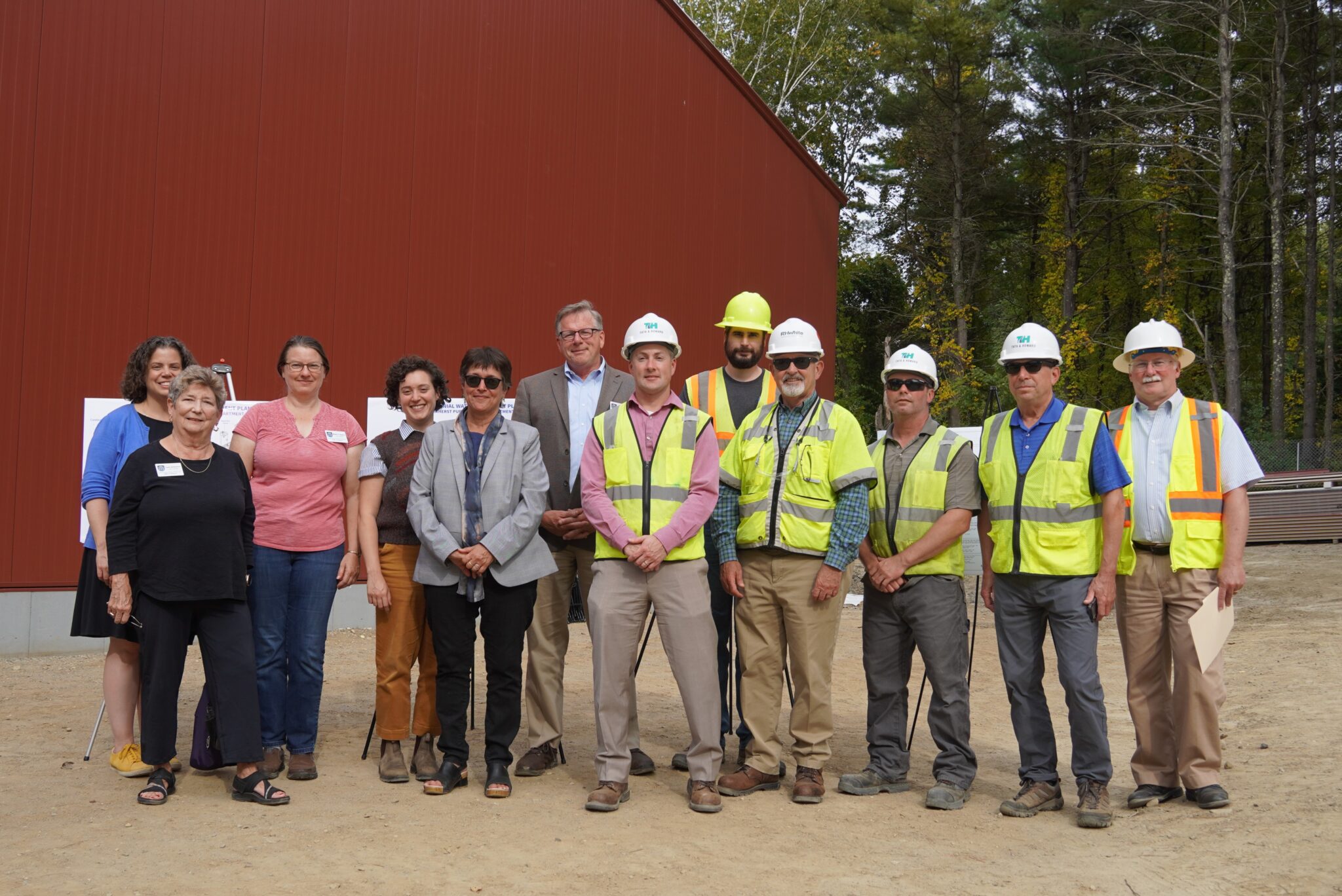
A Legacy Built on Public Health and Protection
Clean water is the backbone of any healthy society. It is the foundation of sanitation, disease prevention, and economic development. And yet the systems that deliver it are anything but simple. They are aging, increasingly complex, and under stress from climate change, contaminants, and population growth.
That is where water professionals come in.
Engineers, operators, and technicians have long played a quiet but critical role in advancing public health and safeguarding communities. Behind every glass of clean water is an intricate infrastructure that is designed, maintained, and upgraded by these highly skilled professionals. Their work is often invisible to the public eye, but their impact is undeniable. It allows for the removal of harmful pathogens and chemicals from our systems, reliable distribution networks, and paves the way for communities to stay ahead of potential risks and failures.
At its core, water engineering is about people. Every design, operation, or maintenance effort directly impacts lives. When systems fail, the consequences are immediate and can lead to service disruptions and public health emergencies. But when water professionals succeed, their work upholds the clean and safe drinking water standards we all deserve.
Whether in large cities or remote rural areas, water professionals are stewards of public trust. As the pressures these professionals and water systems face continue to grow, so does the need to recognize their contributions and role in keeping communities safe.
More Than a Job: The Power of Employee Ownership
At Tata & Howard (T&H), we are proud to be 100% employee-owned since 2014. Our ESOP structure isn’t just a business model, but a mindset. When every team member is an owner, there’s not only a greater sense of accountability, but there’s also collaboration and pride in the work. Our team comes to work every day knowing that our designs, assessments, and expertise directly affect the health of our community, the resilience of our local municipalities, and the strength of critical infrastructure.
In our industry, the impact we have on the environment and public health is profound. For ESOPs like T&H, there is an understanding of this responsibility and a deep commitment to the initiatives that emphasize ethics, sustainability, and the well-being of the communities served. Most importantly, it keeps the mission personal. When people are able to work with a company and not for it — building it, investing in it, and growing alongside it — they bring their best. And in today’s water industry, that’s exactly what’s needed.
Lessons from Rwanda: A Global Perspective
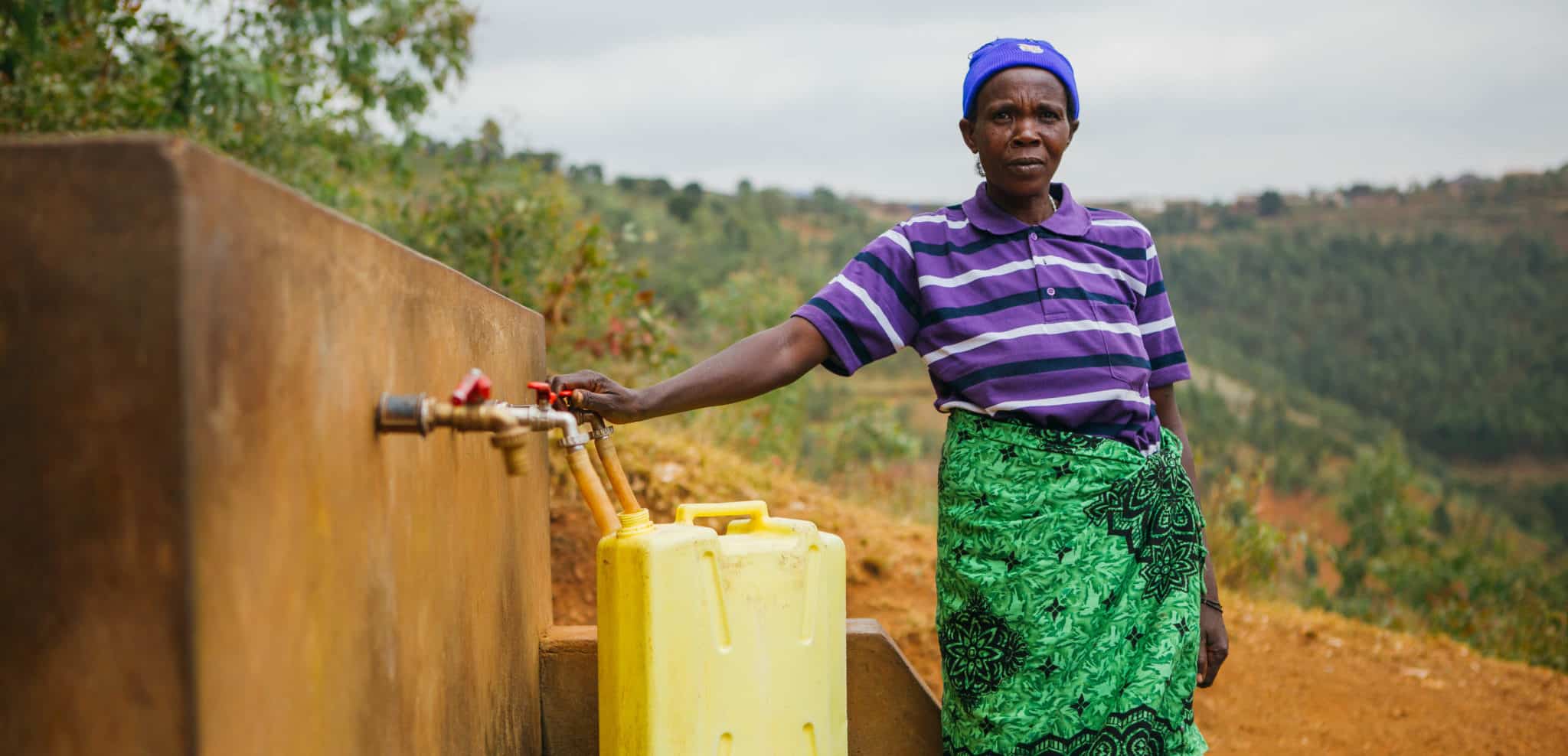
Our team of water professionals share a commitment to clean water that doesn’t stop at local borders, but extends globally. It’s reflected in our partnership with Water for People (WFP) and participation in their Impact Tour to Rwanda, where we witnessed firsthand how long-term water and sanitation solutions (and a little help from water professionals) can transform communities.
Rwanda, a densely populated and landlocked country in East Africa has been a focal point for Water for People’s work in ensuring that every family, clinic, and school in specific districts have access to clean water and sanitation — forever. Their “Everyone Forever” model not only emphasizes infrastructure, but local empowerment, capacity building, and resilient systems that these targeted communities can manage and maintain on their own over time.
During the tour, select members of the T&H team were given a powerful reminder of how essential water professionals are to local communities. They were also able to see the transformational effect that clean water and reliable sanitation can have when systems are thoughtfully engineered and sustainably managed.
The trip highlighted what we know to be true: water engineering is about more than technical expertise; it’s about people, trust, and long-term impact. Behind every successful water system is a team of professionals solving complex challenges, planning for the future, and ensuring that communities — whether in rural Rwanda or small-town America — have the safe, reliable water they need to thrive.
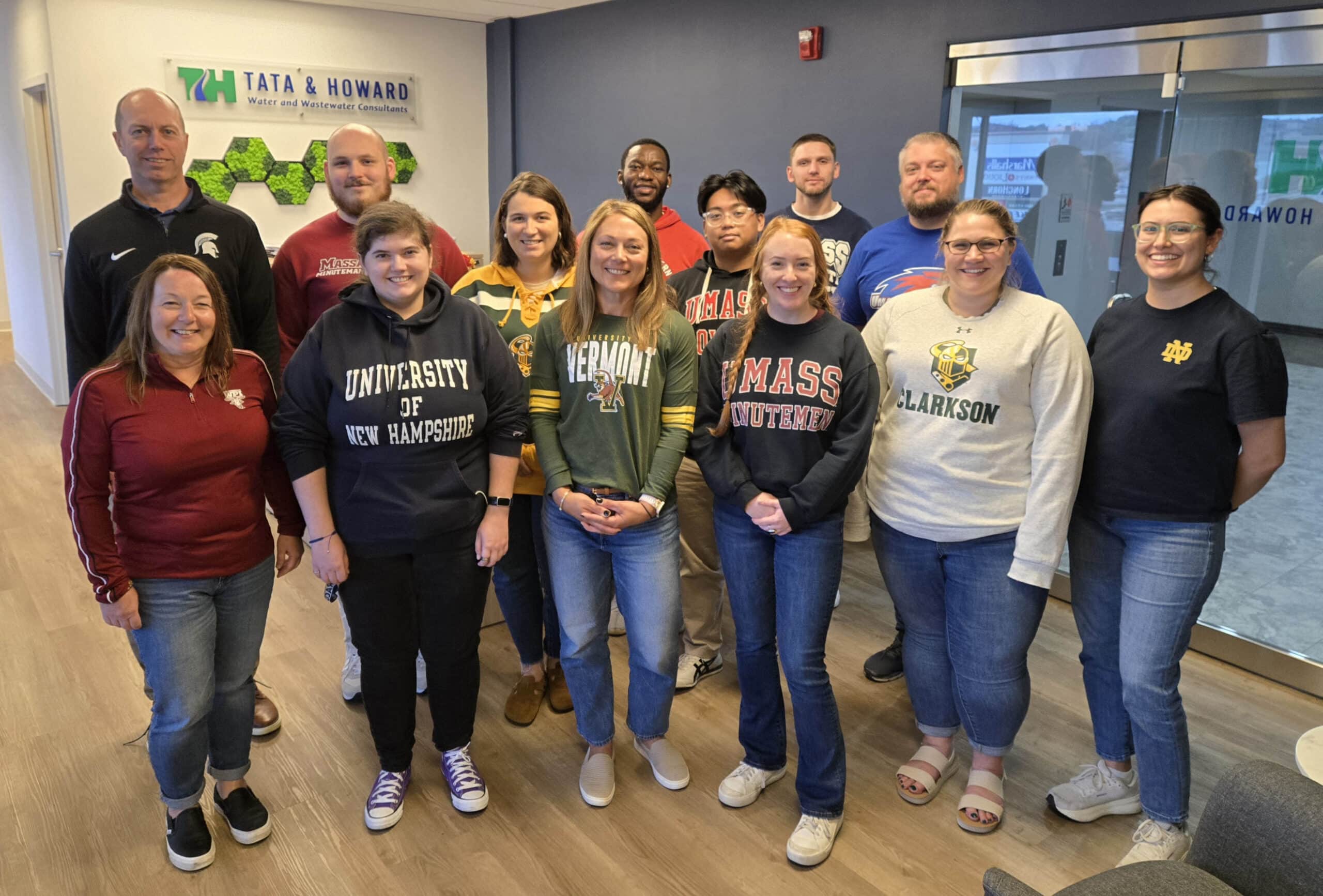
Celebrating Water (and the People Behind It)
This October, we mark another milestone in T&H’s journey: a company anniversary that is not just another celebration of time, but of impact. It’s a moment to look back on the past 33 years of projects we’ve delivered, the communities we’ve served, and the culture we have built as an ESOP.
It’s also the perfect moment to recognize Imagine a Day Without Water (IDWW), which takes place this year on October 16. This annual day of recognition is led by the Value of Water Campaign and organized by the US Water Alliance. Every year, IDWW asks us to “imagine a day without water” in order to recognize and appreciate just how critical and indispensable this resource is when it comes to not only our daily lives, but to the environment, our communal health, and economy.
But here’s the kicker: you can’t imagine a day without water without also imagining a day without engineers, hydrologists, operators, and technicians. We can’t have reliable, safe drinking water without the people who dedicate their lives to ensuring it. When we reflect on what a day without water would mean, we not only recognize the vital role water plays in our lives, but also the unsung heroes who work every day to keep it flowing.
Conclusion
As we look forward, we know that the challenges facing our industry will only continue to grow more complex. But so will the opportunities to lead, innovate, and make a lasting impact. With every water professional serving as both an expert and an owner at T&H, we are uniquely positioned to meet those challenges head-on.
On this anniversary and while taking part in Imagine a Day Without Water, we celebrate not just what we do, but who does it. To us, water is not just infrastructure; it’s life. And delivering that life, every single day, deserves to be recognized and valued.
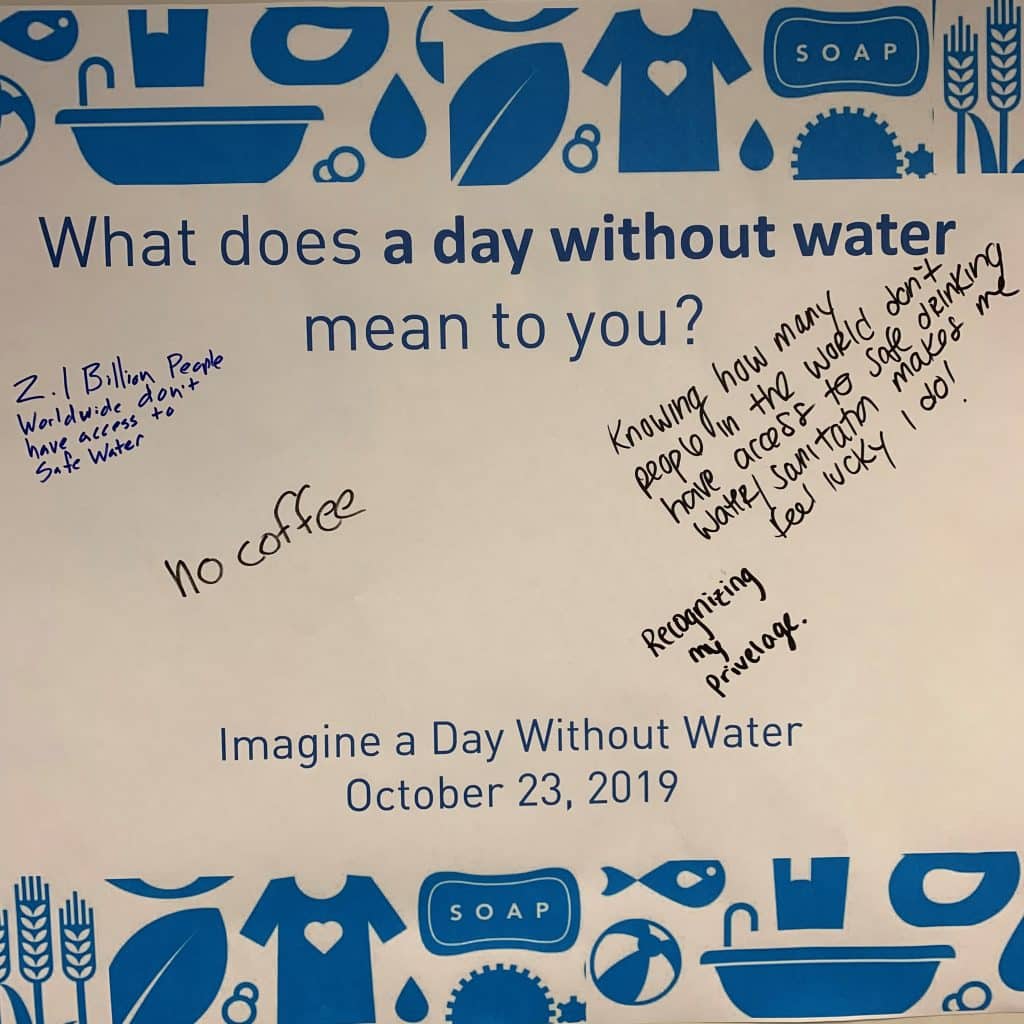
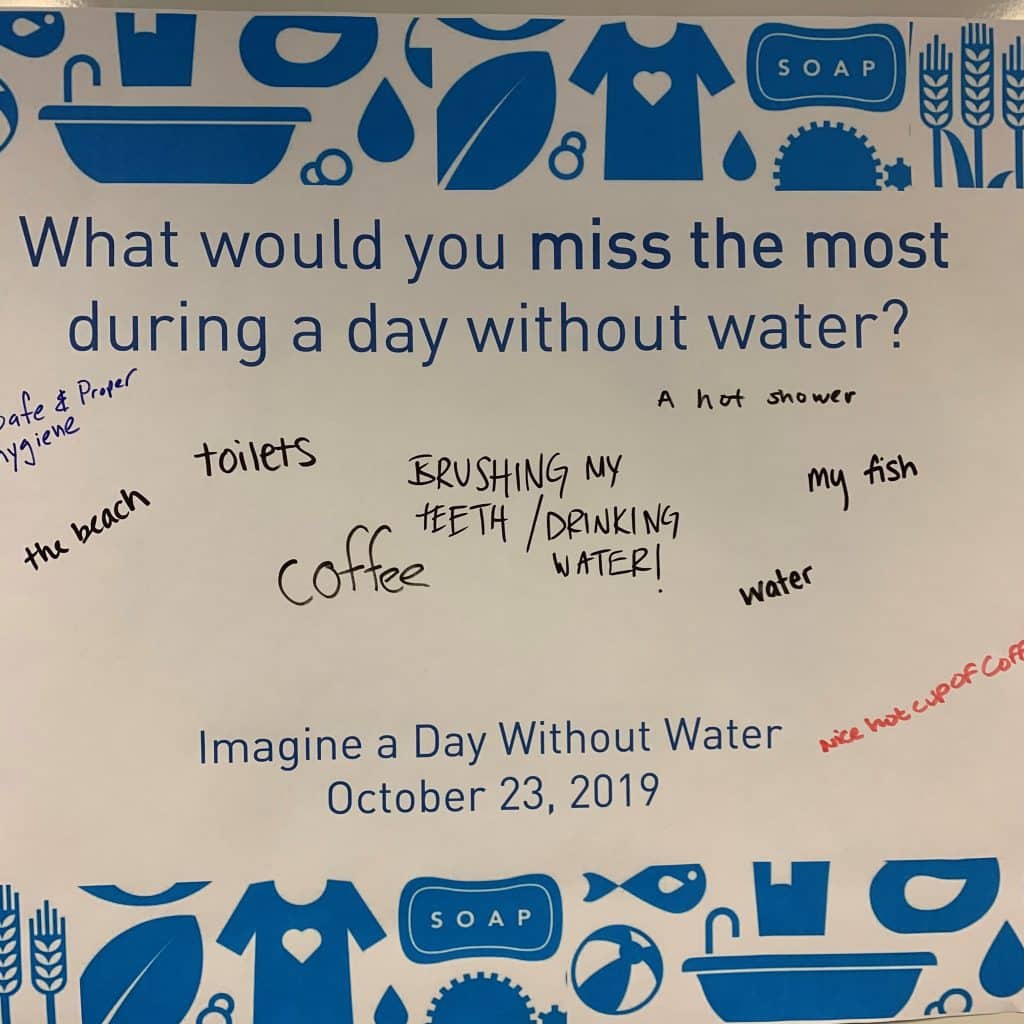
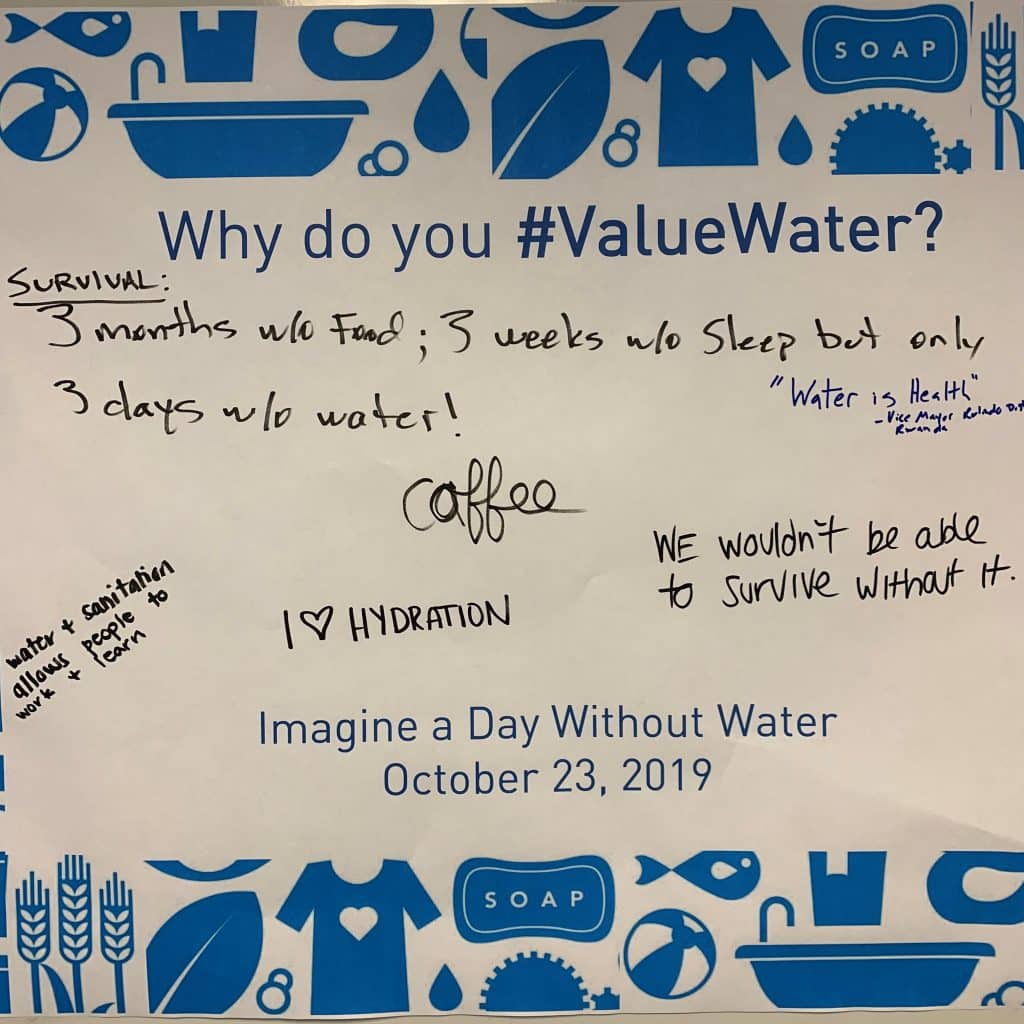
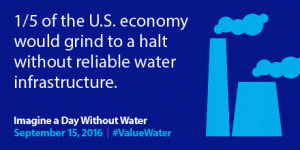 Imagine a day without water. Nearly every single thing we do is reliant on water. Right at the start of our day, we would not be able to use the bathroom, take a shower, brush our teeth, or make a cup of coffee. There would be no cleaning dishes, mopping floors, or cooking food. Water is something we use constantly throughout the day without even thinking about it, and has therefore become something we take for granted. For that reason, Imagine a Day Without Water was first introduced in 2015 in order to bring awareness to the value of water.
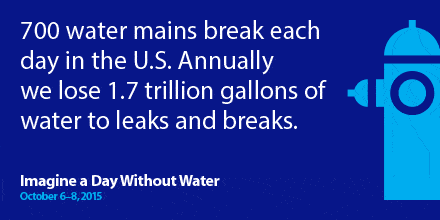
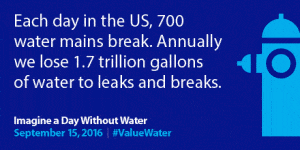 Think about the way water enters our homes and businesses, and of how our wastewater leaves it. There are literally thousands of pipes underground that we never see, and many of these pipes are approaching the end of their useful life. After all, most of our infrastructure was built around the time of World War II, and is now over 70 years old. In fact, much of the infrastructure in New England is well over 100 years old. These pipes and treatment plants are in desperate need of repair and replacement. In addition, our drinking water is treated to meet increasingly stringent regulations that protect our health. Bacteria, toxins, metals, and other harmful substances are all removed from the water prior to it entering the distribution system, and this treatment is expensive. In the same way, the wastewater that leaves our homes and businesses is highly treated and cleaned before it is returned to the environment, protecting public health from the myriad toxins and diseases found in untreated wastewater.
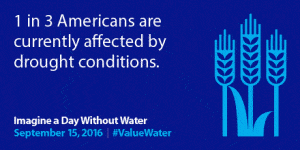 Another challenge faced by utilities today is our growing national population combined with historic drought and climate change. This increased demand in the wake of a dwindling supply is placing extra pressure on our water and wastewater systems, and requires thoughtful, long-term solutions if we are going to be able to meet current and future demands. Add to that the recent focus on our nation’s lead service lines and the fact that they absolutely need to be replaced, and it becomes clear that our water and wastewater systems are in desperate need of attention — and investment.
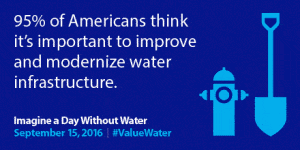 We have reached the point where we must proactively address and invest in our nation’s water and wastewater infrastructure — before it is too late. Imagine a Day Without Water is a day in which we can all spread the word about the value of water by encouraging friends, family, and colleagues to imagine what their lives would be like without water. With proper planning and smart investment from both consumers and our legislators, living without water is something that will never come to fruition in our nation. Join the movement today by participating in Imagine a Day Without Water. For the many no-cost ways in which you can participate, including signing a petition, joining a Thunderclap, and becoming involved on social media, please visit