When it comes to drinking water, safety should always be the top priority. At Tata & Howard, we take great pride in our work to ensure that every community has access to clean, lead-free water. Our dedication runs especially deep when it comes to addressing the issue of lead exposure. Lead in drinking water is an issue that affects millions of people across the country—and we’re committed to helping change that.
Whether you’re looking to replace aging infrastructure or take advantage of available funding programs, we’ve got the expertise and experience to help municipalities take action.

Why Lead Is a Big Deal (And Why We Need to Act Now)
Lead exposure is not something we can afford to ignore, especially when there are no safe levels of lead in the blood. (Let that sink in: no safe levels.) Even small amounts of lead in drinking water can cause major health issues, especially for children, pregnant women, and other vulnerable populations. Long-term exposure can lead to brain and nervous system damage, kidney issues, developmental delays, and, in extreme cases, death. The CDC estimates that nearly 500,000 U.S. children have some level of lead in their blood.
Historically, lead was commonly used in service lines and plumbing materials, even in our paint. While lead-based paint was banned in 1978 and the Safe Drinking Water Act was amended in 1986 to prohibit the use of lead pipes, millions of lead service lines still exist today. In fact, there are an estimated 31 million homes in the United States that still have lead paint on the walls. The EPA estimates that there are up to nine million lead service lines still in use across the country, putting millions of households at risk for lead exposure every day.
That is a lot of lead. And as we know, lead is not our friend.
Lead Service Line Replacement: The Only Long-Term Solution
The only way to truly protect communities from lead exposure is by replacing lead service lines with safer materials, like copper or PVC. Lead pipes simply need to go. The process of replacing these lines is straightforward, but it’s crucial—and it’s the only real way to ensure that drinking water remains safe over the long term.
 The deadline for submitting Lead Service Line (LSL) inventories was October 16, 2024. The next step is to create a baseline inventory and service line replacement plan due no later than November 1, 2027.
The inventory should include information on addresses and connectors as well as total number of lead and Galvanized Requiring Replacement (GRR) full and partial replacements. The plan should be comprehensive and include such critical items as a strategy for identifying any unknown service line materials, a standard operating procedure for service line replacements, a communication plan for customers and stakeholders, review of laws and regulations regarding the replacement, and a funding strategy. Utilities must replace all identified lead lines within 10 years.
At Tata & Howard, we’ve been helping communities replace lead service lines for years—even in our home base of Marlborough, MA. We’ve partnered with municipalities to identify lead pipes, develop replacement plans, and help them navigate funding opportunities to get the job done. This is a critical effort, and one that we’re passionate about.
How Funding Programs Can Help
Here’s some good news: there are resources available to help municipalities replace lead service lines — and historically some of these programs have offered 100% reimbursement for planning costs and no interest loans for replacement costs with the help of the Biden-Harris Bipartisan Infrastructure Act. With this assistance, municipalities were able to access funds to identify unknowns, as well as design, replacement, and improvement of water safety for their residents—without breaking the bank.
In addition, many states have established funding programs, similar to the federal Clean Water State Revolving Fund, that offer financial assistance for lead service line replacement. It’s important to note that these programs are available on a first-come, first-served basis, so it’s best to act quickly.
Of note: with the new administration, the future of these funds is unclear at this time. What we do know is that federal funding has been halted as of January 27, 2025. Tata & Howard will continue to monitor progress on how this affects any state funding and will share updates at that time.
Municipalities serving larger populations often have access to additional resources, such as grants and technical support, that can also help make the process smoother. Meanwhile, smaller communities may be eligible for technical assistance to help with planning and implementation, often at no cost at all. These programs make it possible for municipalities of all sizes to tackle lead contamination head-on, regardless of their budget or resources.
 Why Transparency and Timeliness Matter
For municipalities, timing is critical. If your city or town is eligible for funding, the clock is ticking. Municipalities are required to submit detailed inventories of their lead service lines and replacement plans. In some cases, transparency is a big part of the equation: larger utilities are often required to make their lead service line inventories publicly available, so residents can see the status of their community’s infrastructure.
It’s essential for municipalities to act fast and get their plans in motion. The sooner you can identify lead service lines, the quicker they can be replaced, meaning the safer your community will be. And, with funding programs and technical assistance available, there’s no reason to wait.
Tata & Howard Is Here to Help
We know that replacing lead service lines can feel like a daunting task, but with the right support, it doesn’t have to be. At Tata & Howard, we’ve helped multiple cities and towns navigate this process and secure the funding needed to get the job done. From lead service line inventories to planning and implementation, we’re here to guide you through every step.
At the end of the day, we believe every community should have access to safe, clean drinking water. Replacing lead service lines isn’t just about infrastructure—it’s about protecting public health and ensuring a better future for everyone. Together, we can remove lead from our drinking water systems and create a healthier, safer environment for all.
Want to learn more or need help getting started? Get in touch with our team today!
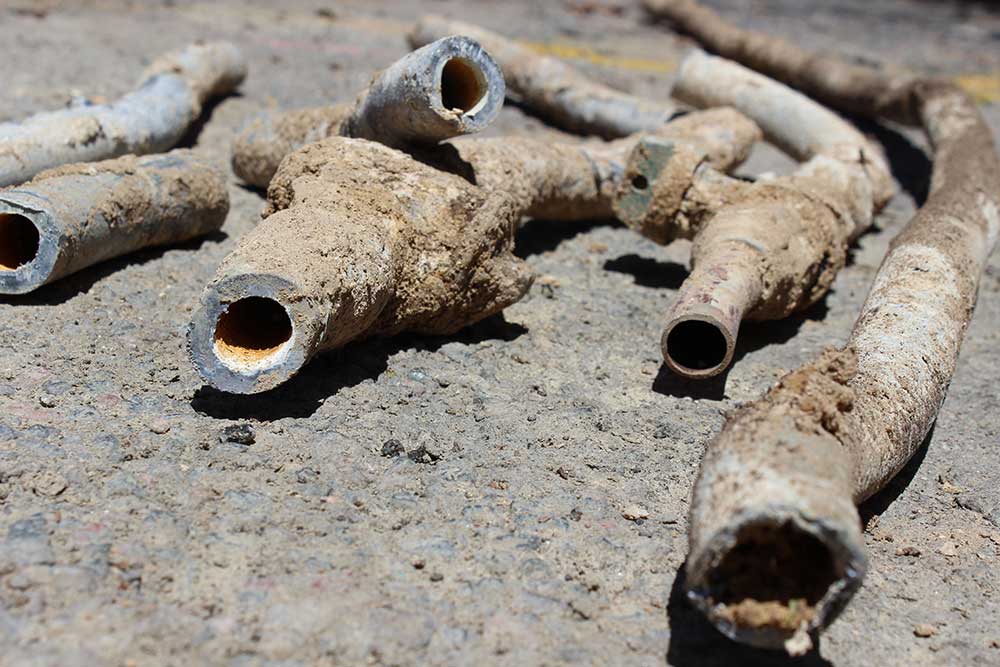 For example, in an effort to help remove lead pipes from Massachusetts turf, in the past we have partnered with the city of Marlborough, MA and
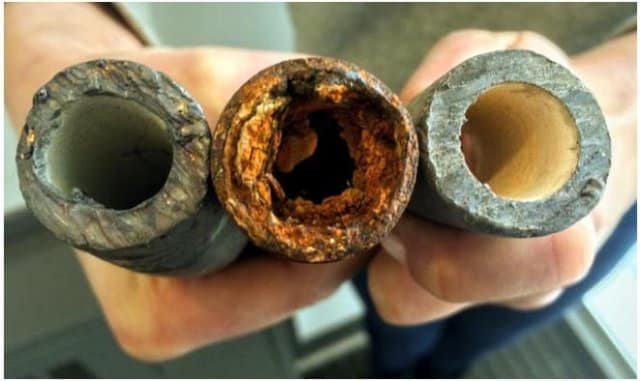 For starters, let’s start with why lead is bad for us. Exposing one to lead, whether by contaminated drinking water or ingestion, can lead to severe brain and nervous system damage, kidney damage, can drastically affect children and those who are pregnant, and can cause death.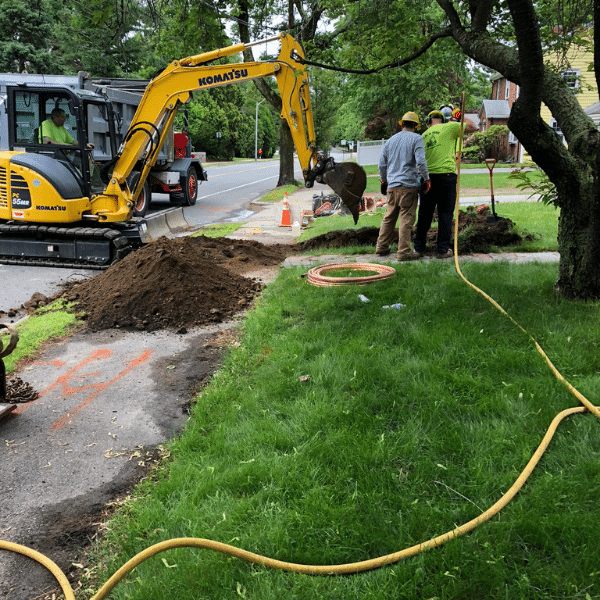

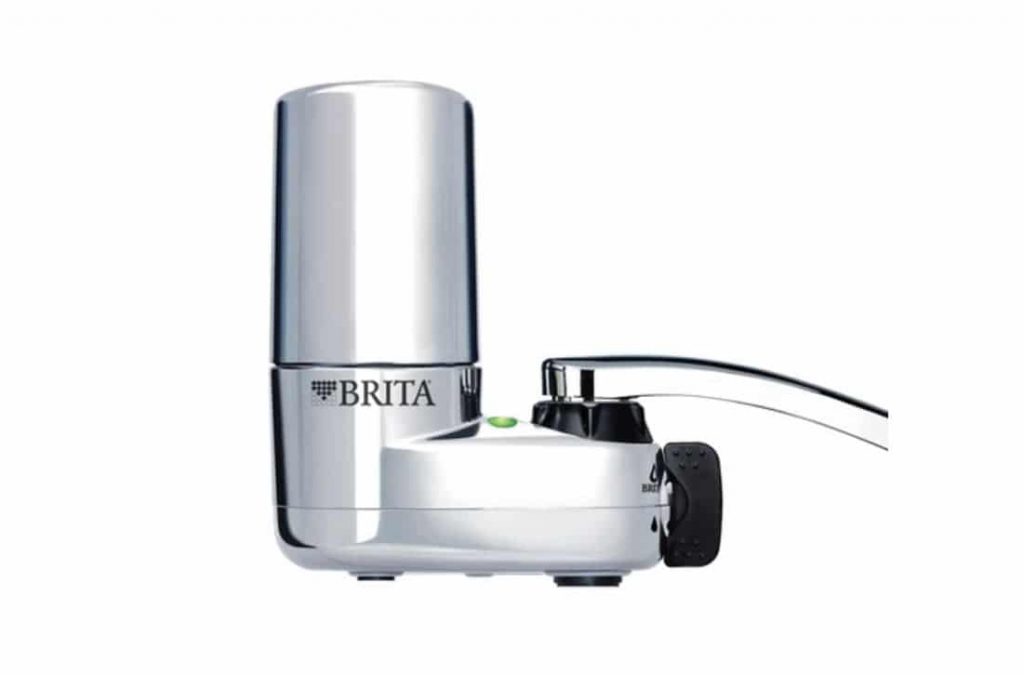
 As Drinking Water Week continues, Tata & Howard joins the American Water Works Association and water professionals across North America in encouraging households to identify and replace lead-based water pipes and plumbing. Lead presents health concerns for people of all ages, particularly pregnant women, infants, and young children. In children, low exposure levels have been linked to learning disabilities, behavioral problems, and other issues.
 While utilities are working diligently to keep our nation’s water lead-free, public schools have recently come under fire, as schools from cities across the nation — including Boston, Massachusetts; Ithaca, New York; Portland, Oregon; and Tacoma, Washington — have found lead in their drinking water above the EPA’s action level of 15 parts per billion. Surprisingly, this contamination is the result of a legal loophole that many states are looking to close: schools are mandated by the EPA to be connected to a water supply that is regularly tested for lead and other contaminants; however, these utilities are not typically required to actually test the water inside the schools themselves. Considering that the average age of a school in the United States is 44 years old, it should come as no surprise that there are elevated levels of lead in the drinking water of public schools. After all, lead pipes were legal until about 30 years ago, and faucets and fixtures were allowed to contain up to 8% lead until 2014.
 Many states have introduced legislation this year that would require public schools to regularly test their water. Bills on the table in Michigan, New Jersey, North Carolina, and Rhode Island would require regular testing, as would a New York bill that takes it one step further by providing funding for said testing. In addition, the New York bill would require schools to notify parents and to provide an alternate supply of safe drinking water to students if elevated lead levels are found. In Massachusetts, all community water systems are required by Massachusetts drinking water regulations to collect lead and copper samples from at least two schools or early education and care program facilities that they serve in each sampling period, when they collect their Lead and Copper Rule (LCR) samples. In addition, in April of 2016, it was announced that $2 million from the Massachusetts Clean Water Trust (MCWT) will fund cooperative efforts to help Massachusetts public schools test for lead and copper in drinking water. The funds, to be used by the Massachusetts Department of Environmental Protection (MassDEP), will provide technical assistance to ensure that public school districts can sample the taps and water fountains in their schools, and to identify any results that show lead and copper contamination over the action level. On a federal level, legislation has been introduced to Congress that would requires states to assist schools with testing for lead; however, it does not provide funding.
 Part three of our four-part series on water crises in America is on lead contamination. Instances of lead in drinking water, such as the situation in Flint, Michigan, have become a hot topic in the media. Lead in drinking water is a problem that reaches far beyond the disaster in Flint, with the Environmental Protection Agency (EPA) stating that roughly 10 million American homes and buildings still receive water from service lines that are at least partially lead. When water has high acidity or low mineral content, it can cause these service lines to corrode and leach lead into the water supply. Without mitigation, water from lead service lines has the potential to cause adverse health effects,