
For water utilities across the country, the Lead and Copper Rule Improvements (LCRI) is one of the most significant regulatory shifts towards mitigating lead exposure through drinking water in recent years. While a lot of attention is on the final deadline of replacing all lead service lines by December 31, 2037, utilities that are focusing only on that date are missing the bigger picture.

LCRI compliance is required for all community water systems and non-transient non-community water systems that have lead or galvanized requiring replacement (GRR) service lines. It was designed to drive steady, documented progress over time — not a mad dash at the finish line. Utilities that put off this critical work will risk falling behind a schedule that leaves very little room to catch up.
In fact, the first major milestone has already passed. Service line inventories were due in October 2024, requiring utilities to identify their lead service lines, galvanized lines in need of replacement, and non-lead lines across their distribution systems and report unknown service line materials. For many utilities, this work revealed gaps in their historical records, uncertainty surrounding private-side ownership, and a larger overall scope of work than previously expected. Those inventories will now form the baseline for measuring all future progress.
Key Deadlines on the Path to Compliance
While the first deadline has already passed, the next critical one is quickly approaching. By November 1, 2027, utilities must submit their lead service line replacement plans and an updated service line inventory to their primacy agencies. This upcoming deadline will mark the beginning of the federally mandated replacement period for most water systems. From then, the expectation is crystal clear: utilities have a ten-year window — from 2027 to 2037 — to replace all of their lead service lines. Throughout the decade, utilities are also required to replace an average of 10% of their lead service lines per calendar year.
Then, annual reporting will begin in 2029, with utilities required to document their progress, replacement rates, and verify all non-lead service lines on an annual basis. Additionally, they are required to verify their sampling results to the EPA. By 2034, they must validate the accuracy of their inventories for non-lead service lines, further emphasizing the need for reliable data and consistent field verification.
The final and most critical deadline is, of course, December 31, 2037. By that date, all community water systems and non-transient non-community water systems must have successfully identified all unknown service line materials and replaced all the lead service lines under their jurisdiction, unless they qualify for a deferred deadline.
Deferred Deadlines: A Narrow Exception, Not the Rule
While the LCRI does allow for delayed compliance, it is far more limited than many utilities initially assumed. According to the EPA, only about one percent of water systems nationwide are expected to qualify, and eligibility for a deferred deadline depends solely on replacement speed. If meeting the requirement to replace 10% of known lead and GRR service lines would mean replacing more than 39 lines per 1,000 connections each year, the water system may receive a deferred deadline. However, even in those cases the approval isn’t automatic. The utility would still need to submit their documentation to the EPA showcasing that the required pace would be impractical and burdensome for them.
The EPA has made it clear that deferrals will be granted sparingly and on a case-by-case basis. For most utilities, planning around a delayed deadline simply isn’t realistic, and it carries real risk. Of course, the safest assumption is full compliance by the end of 2037.
What’s Required Beyond Construction
It’s important to note that replacing pipes is only one piece of the puzzle. The LCRI stresses that utilities must follow the four main guidelines: identify, plan, report, and verify. Utilities must maintain a detailed inventory of lead and GRR lines, including those located on private property where they have legal access. Replacement plans must outline their prioritization strategies, funding methods, and realistic schedules that align with the 10% annual replacement expectation.

Annual reporting is another main component of this effort. Systems must document their progress, report replacement numbers, and continue verifying non-lead lines year after year. And more importantly, the rule requires utilities to offer replacement regardless of ownership — public or private — so long as access is available. This adds layers of careful coordination with property owners and introduces another layer of administrative and financial complexity.
Challenges Utilities Will Face
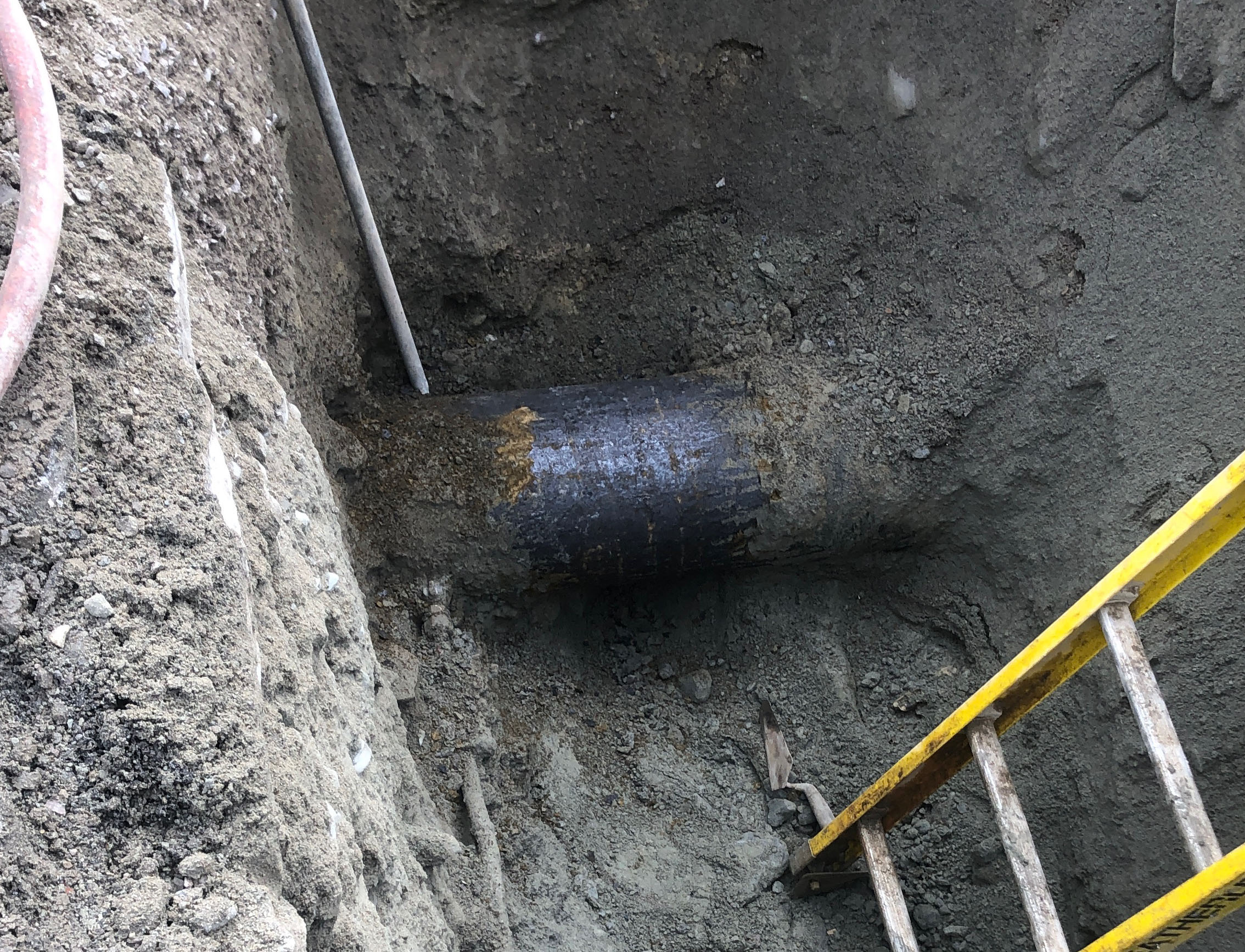
The scale of this effort cannot be overstated. Some utilities are being tasked with replacing tens or even hundreds of thousands of lead service lines. Meeting a 10% annual replacement rate at that scale requires a significant ramp-up in construction capacity, workforce availability, and program management. This will undoubtedly leave utilities to compete with one another for qualified contractors, inspectors, and materials, especially as more utilities move from the planning stage and into active replacement.
As with most replacement projects, funding will remain another major hurdle. While the Bipartisan Infrastructure Law made historic federal funding available for lead service line replacement, it sunsets in 2026 and is unlikely to be renewed by the current administration.. Many utilities will need to supplement federal and state funds with local capital investments or customer charges, especially for private-side replacements. Early financial planning will be a critical tool to avoid slowing down progress.
Why Acting Now Is Essential
The way the LCRI is structured leaves little room for procrastination. Utilities that wait until 2027 to fully mobilize these replacement programs will find themselves under immediate and immense pressure to meet the annual targets while still building internal capacity. Early action allows them to spread costs out over time, refine their replacement methods, secure contractor relationships, and engage their communities before construction ramps up.
Most importantly, acting now reduces future risk. Falling behind early in the ten-year period makes compliance exponentially harder later on, especially as labor markets tighten and costs rise. The 2037 deadline may appear distant, but the path to get there is already mapped out — and it’s not forgiving.
At the end of the day, the message from the EPA is clear: inventories are complete, replacement plans are due soon, and progress will be measured year by year. For nearly every utility, the countdown has already begun, and the time to act is now.
As a niche water and wastewater engineering firm, Tata & Howard has the targeted expertise to efficiently assist utilities with every aspect of lead service line replacement. Contact us to learn more or to help your utility meet this critical deadline.

 The deadline for submitting Lead Service Line (LSL) inventories was October 16, 2024. The next step is to create a baseline inventory and service line replacement plan due no later than November 1, 2027.
 Why Transparency and Timeliness Matter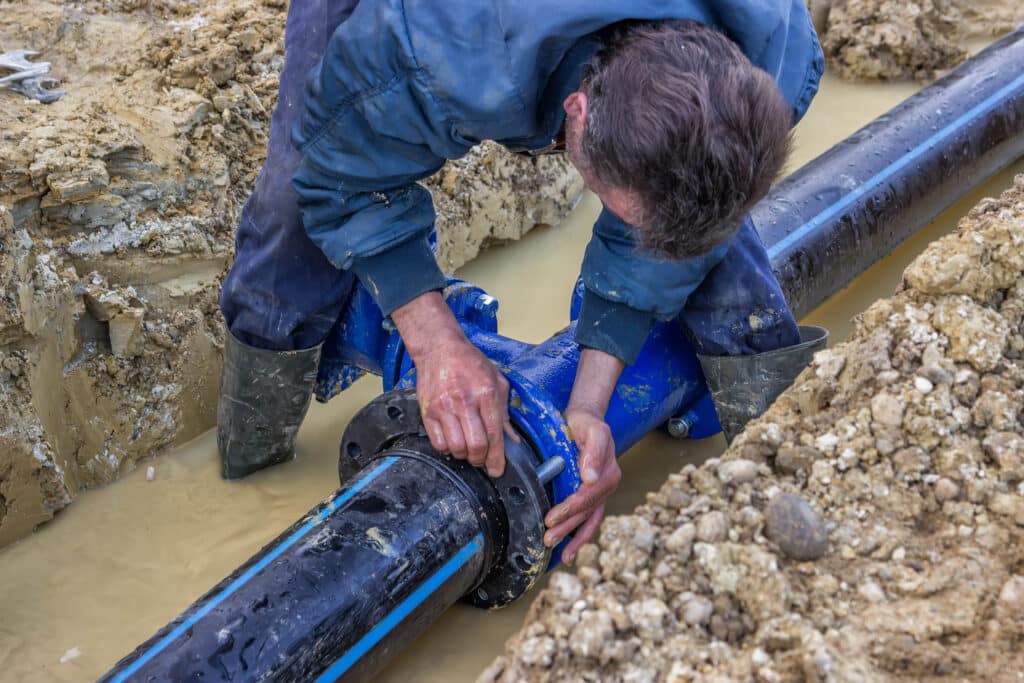


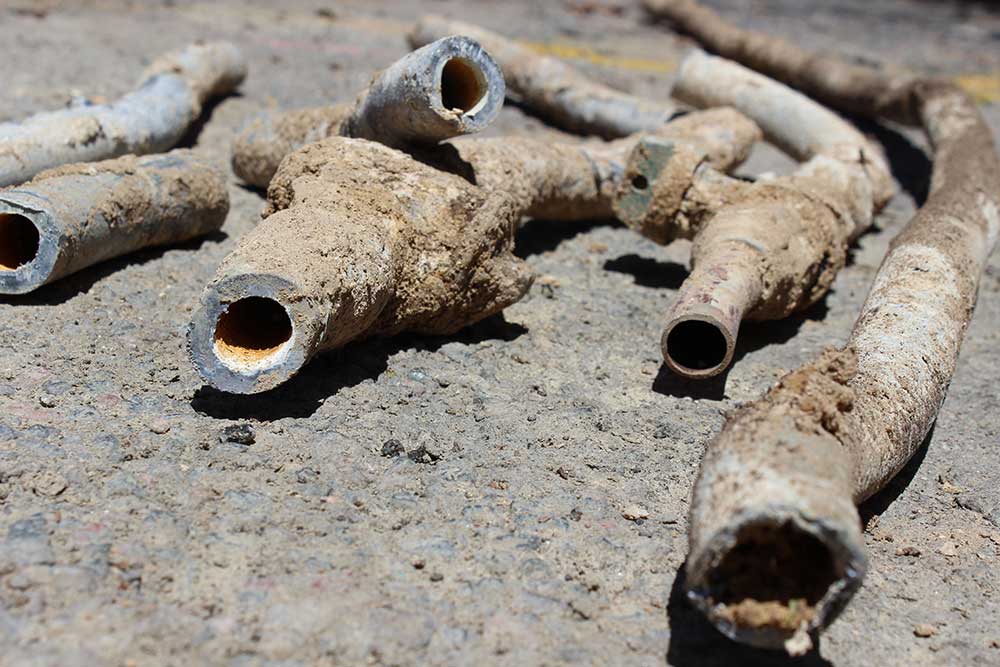 For example, in an effort to help remove lead pipes from Massachusetts turf, in the past we have partnered with the city of Marlborough, MA and
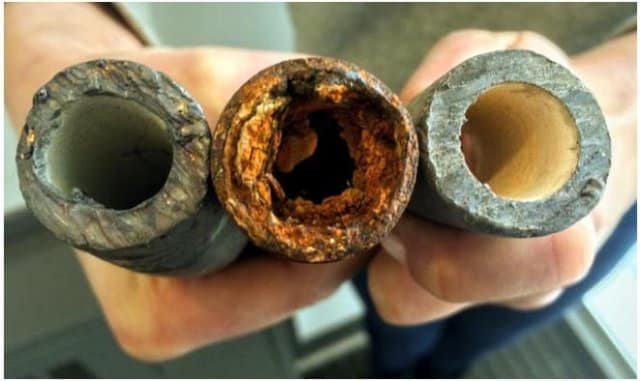 For starters, let’s start with why lead is bad for us. Exposing one to lead, whether by contaminated drinking water or ingestion, can lead to severe brain and nervous system damage, kidney damage, can drastically affect children and those who are pregnant, and can cause death.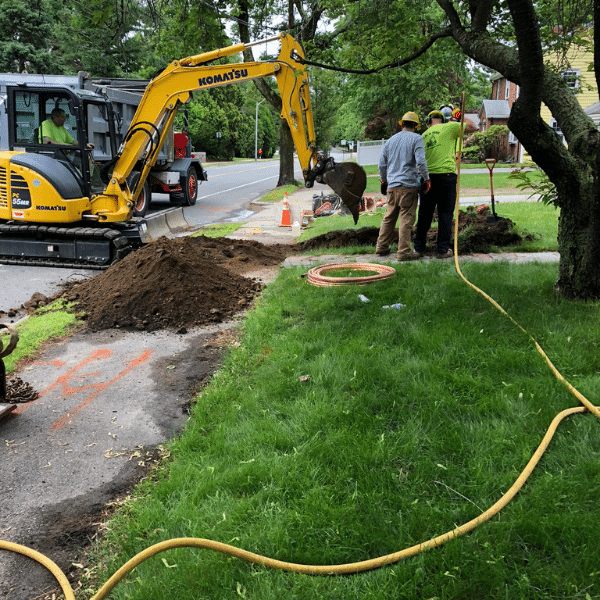

 October 23-29 is National Lead Poisoning Prevention Week 2016. Established in 1999 by the U.S. Senate, National Lead Poisoning Prevention Week (NLPPW) occurs every year during the last week in October and is now supported by the U.S. Environmental Protection Agency (EPA), the Centers for Disease Control and Prevention (CDC), the U.S. Department of Health and Human Services (HHS), the U.S. Department of Housing and Urban Development (HUD), and the World Health Organization (WHO). This year’s NLPPW theme of “Lead-Free Kids for a Healthy Future” underscores the importance of protecting our future by educating the public about the dangers and sources of lead poisoning and what can be done to prevent it. While lead-based paint is arguably the most common and hazardous source of lead exposure for young children,
 Lead in drinking water cannot be detected through taste or smell, and the only way to know for certain if your drinking water has elevated lead levels is to have your water professionally tested. Typically, lead pipes are found in homes that were built prior to 1986 and in older cities. Older homes with private wells are also at risk of having lead in drinking water. While
 While utilities are working diligently to keep our nation’s water lead-free, public schools have recently come under fire, as schools from cities across the nation — including Boston, Massachusetts; Ithaca, New York; Portland, Oregon; and Tacoma, Washington — have found lead in their drinking water above the EPA’s action level of 15 parts per billion. Surprisingly, this contamination is the result of a legal loophole that many states are looking to close: schools are mandated by the EPA to be connected to a water supply that is regularly tested for lead and other contaminants; however, these utilities are not typically required to actually test the water inside the schools themselves. Considering that the average age of a school in the United States is 44 years old, it should come as no surprise that there are elevated levels of lead in the drinking water of public schools. After all, lead pipes were legal until about 30 years ago, and faucets and fixtures were allowed to contain up to 8% lead until 2014.
 Many states have introduced legislation this year that would require public schools to regularly test their water. Bills on the table in Michigan, New Jersey, North Carolina, and Rhode Island would require regular testing, as would a New York bill that takes it one step further by providing funding for said testing. In addition, the New York bill would require schools to notify parents and to provide an alternate supply of safe drinking water to students if elevated lead levels are found. In Massachusetts, all community water systems are required by Massachusetts drinking water regulations to collect lead and copper samples from at least two schools or early education and care program facilities that they serve in each sampling period, when they collect their Lead and Copper Rule (LCR) samples. In addition, in April of 2016, it was announced that $2 million from the Massachusetts Clean Water Trust (MCWT) will fund cooperative efforts to help Massachusetts public schools test for lead and copper in drinking water. The funds, to be used by the Massachusetts Department of Environmental Protection (MassDEP), will provide technical assistance to ensure that public school districts can sample the taps and water fountains in their schools, and to identify any results that show lead and copper contamination over the action level. On a federal level, legislation has been introduced to Congress that would requires states to assist schools with testing for lead; however, it does not provide funding.