
As Earth Day approaches, it serves as an essential reminder to recognize the tireless efforts taken behind the scenes to protect our planet’s most precious resource: water. Our work at T&H isn’t just a profession, nor does it end once we clock out; it’s a calling and a duty. It’s a passion and responsibility to uphold the very principles of environmental stewardship and sustainability every day.
But how exactly do we uphold environmental values year-round?
Striving for Sustainable Solutions
As we continue to experience rapid environmental transformations due to climate change and pollution, we have no other option than to make the fight for economic and resource conservation take on a more aggressive approach. At Tata & Howard, we continue to be industry leaders on sustainability, placing environmentalism at the forefront of every project we take on. Whether it’s providing an innovative and effective water and wastewater Capital Efficiency Plan™ (CEP), providing site stormwater management and funding assistance, designing efficient solutions that incorporate green initiatives with the future in mind, or any one of our many services, our goal remains to minimize environmental impact while meeting societal needs.
 Compliant with Environmental Regulations
However, we can’t do our part successfully without recognizing the pivotal role environmental standards and regulations play. By fostering a deep understanding of the intricacies of environmental regulations and standards, we are able to meticulously navigate this maze and ensure that every project is compliant. Since we’re conducting thorough environmental assessments, like water audits or utility asset management, monitoring pollutant levels, and implementing best practices, we are able to better safeguard water quality and environmental health while checking each mandated box.
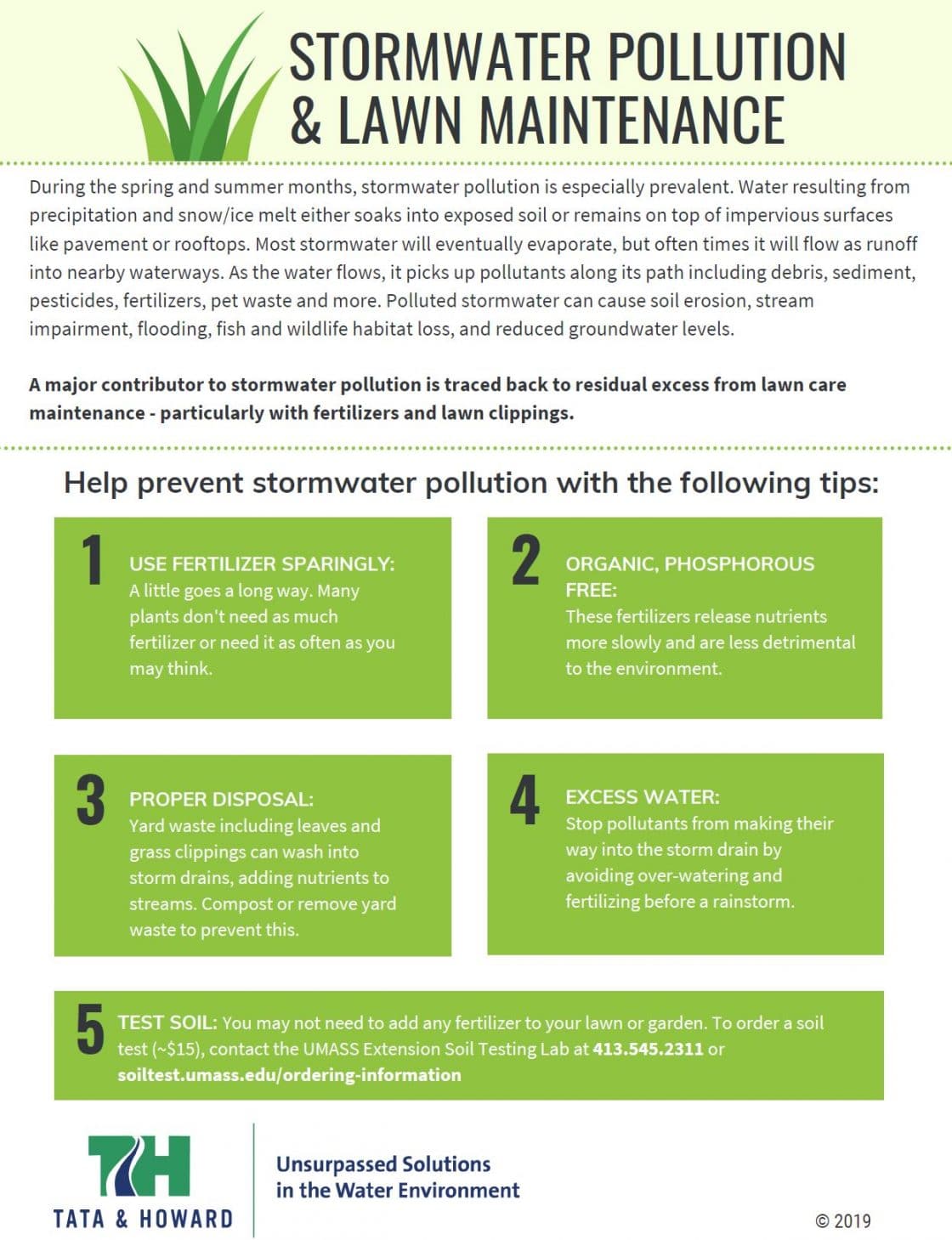
T&H also continues to be proactive in implementing federal and state stormwater management programs, such as the United States Environmental Protection Agency’s NPDES Small Municipal Separate Storm Sewer Systems (MS4) program and its Multi-Sector General Permit (MSGP).
Conservation Advocacy
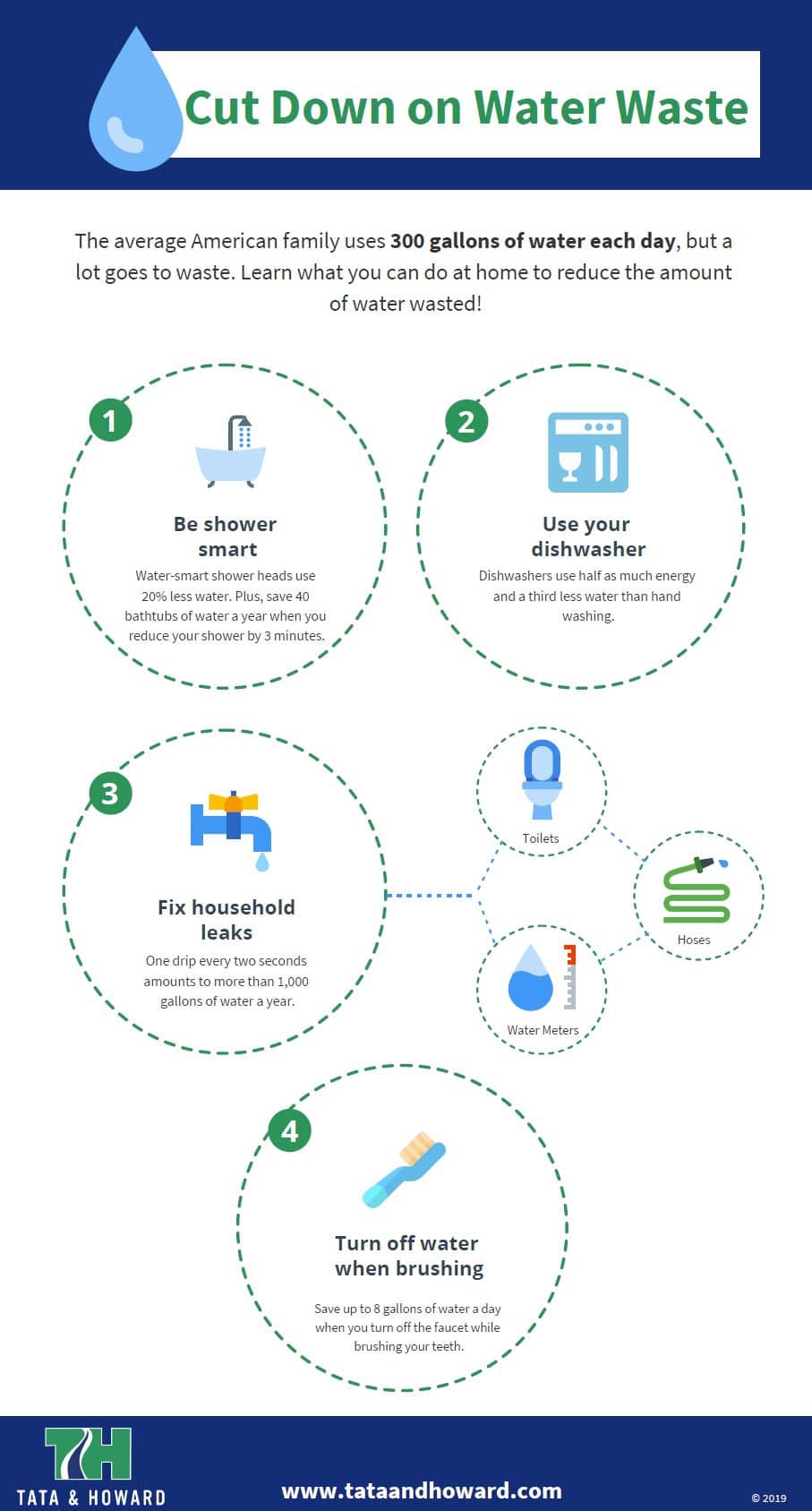
As it stands today, the world loses approximately seven billion gallons of water a day. (Yes, a day.) So while we know that striving for sustainable solutions and compliance with environmental regulations both play large roles in our environmental efforts, we recognize that conservation advocacy is also crucial.
Given our tenure in the industry, we’re able to use our experience to create efficiency plans for businesses and communities, support water preservation and accessibility campaigns, and educate our community on the value of water conservation efforts, among other things. Through educational programs, community projects, and collaborative partnerships, we have the power (and duty) to empower communities to embrace water-saving behaviors, implement water-efficient technologies, and promote mindful resource usage.
Conservation advocacy isn’t just one component of our work; it’s a cornerstone that drives our efforts to protect our planet’s most precious resource for future generations.
ESOP Culture
At T&H, we wholeheartedly believe that together, we can build a brighter, more sustainable future for all. It’s why we are proud to be 100% employee-owned. Our status as an ESOP gives our approach to environmental efforts a bit of an edge. Each and every one of our team members is invested in our success and long-term viability as employee-owners. Because of this shared ownership, departments are able to collaborate and communicate openly, exchanging ideas and insights. As a result, we have an abundance of collective knowledge and experience that we use to our advantage when developing more creative and practical solutions for the communities we serve. Employees with ESOP status are encouraged to go above and beyond in their job and increase our potential to implement greener initiatives that meaningfully contribute to protecting the future of our world by leveraging the power of knowledge and collaboration.
 Water Engineers’ Role as Guardians of Public Health
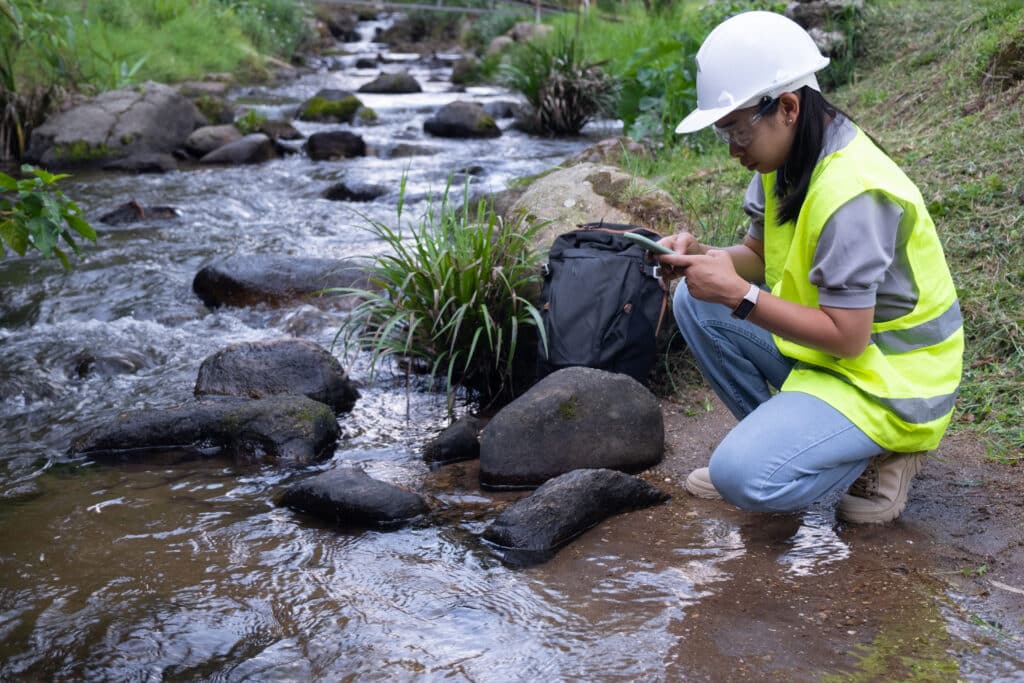
While water engineers are the backbone of ensuring safe and sustainable water management practices, they’re also most likely to be some of the more passionate environmentalists you’ll meet. Every day, water engineers work tirelessly to preserve and defend our waterways, taking painstaking care to ensure each drop is protected and used responsibly.
Given that they spend their careers preserving our waterways, it’s fair to say that water engineers embody environmentalism at its core. Water engineers are exceptional at sourcing, designing, and implementing sustainable solutions and systems that not only meet the needs of our communities but also minimize environmental impact. Whether it’s implementing cutting-edge water treatment technologies, integrating green infrastructure to manage stormwater, or advocating for water reuse initiatives, their goal remains the same: to provide clean and accessible water to all.
 Conclusion
As we continue to plan for the future of our water systems, we remain committed to our mission of supporting Earth Day and its principles every day. Through our dedication to sustainability, advocacy for conservation, and adherence to regulatory compliance, we strive to make a positive impact on the health of our planet and the well-being of future generations.
At T&H, we know that together, we can ensure that every drop of water is treated with the respect and care it deserves. Water is the essence of life, and our commitment to preserving it and making it accessible for all guides everything we do. From designing state-of-the-art water treatment plans to implementing innovative stormwater management solutions, our projects are driven by a deep-seated calling (call it destiny) to play our role as global citizens.




 The most alarming news is the hottest temperature ever reliably recorded reached 124.3 degrees in Algeria this July.
 Wastewater treatment plants that use aerobic bacteria must provide oxygen with huge and costly electrically powered blowers for these microorganisms to survive. Anaerobic bacteria treatment processes do not need oxygen and use considerably less energy, making the wastewater treatment process more economical to operate. In addition to saving money, engineers believe these anaerobes can filter household and industrial chemicals better than conventional treatment plants.

 When NASA recently announced the discovery of liquid water flowing under an ice cap on Mars, it opened the exciting possibility that life may exist outside our earthly abode. While it is conceivable scientists may eventually discover life somewhere in our galaxy, a reliable source of water outside earth is fundamental for the possibility of establishing a colony on Mars, exploring the universe and even visiting distant planets in search of life outside earth.
 But hauling tons of supplies and materials to the International Space Station (ISS) is inefficient and extremely expensive. Sustaining a crew of four astronauts on the ISS with water, power and other supplies, costs nearly one million dollars a day. Even with the reusable SpaceX rocket which regularly provides supplies to the ISS, it costs $2,500 per pound to launch into space. With four astronauts living on the ISS needing approximately 12 gallons of water a day, it is impractical to stock the ISS with the tons of water needed for long periods of time.
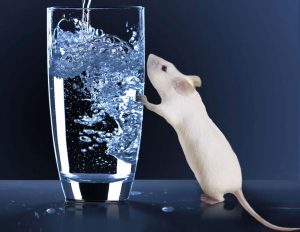 If the idea of drinking reclaimed water from mice urine and other waste sources sounds unappetizing, consider this, the water the astronauts drink is often cleaner that what many earthlings drink. NASA regularly checks the water quality and it is monitored for bacteria, pollutants and proper pH (60 – 8.5).
 Recently, NASA invested in a new, lower cost solution to biologically recycle and reuse water developed by
  Pancopia is currently working on a similar system used on the ISS for municipal wastewater facilities. Using the technology developed for the Space Station, other areas in the world with limited access to clean drinking water, will soon be able to utilize this advanced water filtration and purification system.
 Financing for The Clean Water SRF Program helps municipalities with federal and state compliance water-quality requirements, focusing on stormwater and watershed management priorities, and green infrastructure. The Drinking Water SRF Program, provides low-interest loans to communities to improve their drinking water safety and water supply infrastructure.
 Don not only supported the Water For People organization individually, he also shared his passionate support with the employees of the firm he co-founded, Tata & Howard, Inc. Employees continue to support WFP through a payroll deduction program, which Don initiated. At the end of each year, the company matches the employee’s donations.