
Supply & Distribution System Studies
Water distribution systems are critical infrastructure, delivering treated potable water reliably and safely to homes, businesses, and emergency responders every day. At Tata & Howard, we leverage advanced hydraulic modeling and data-driven analysis to evaluate existing systems, anticipate future needs, and develop strategic, cost-effective solutions that help utilities and water providers optimize performance and plan for long-term sustainability.
Our engineers have conducted comprehensive water supply and distribution system analyses for municipalities, water districts, and private water companies. Using state-of-the-art modeling tools and real system data, we assess your distribution network under both current and projected demand scenarios to identify capacity limitations, pressure concerns, storage needs, and opportunities to improve service reliability.

What We Do
Our studies are rooted in hydraulic simulation and field-verified data, giving communities a solid technical foundation for decision-making. Analyses may include:
- Developing accurate base maps of existing water system infrastructure using GIS.
- Model calibration using field flow tests and c-value evaluations.
- Projecting future population growth and water demand to support planning and system expansion.
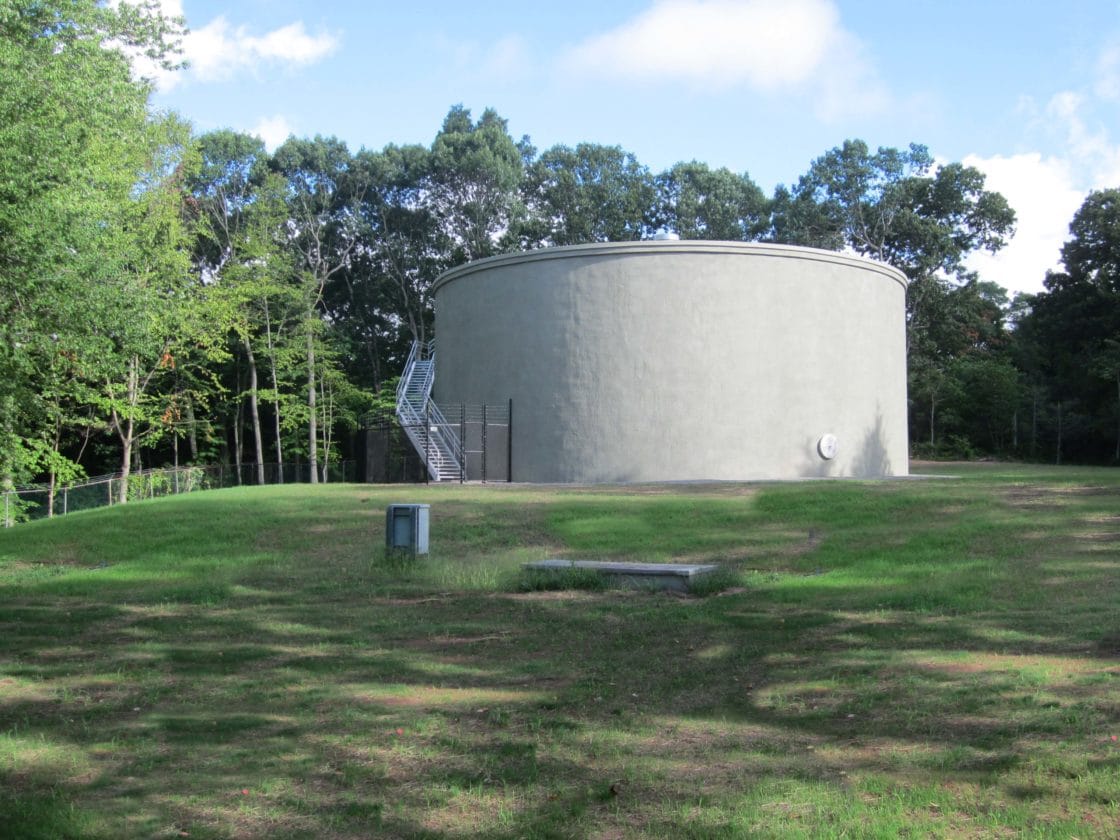
- Assessing storage capacity and distribution system hydraulics to ensure adequate supply and fire flows.
- Evaluating current and future water supply capabilities to meet service levels.
- Delivering phased, prioritized recommendations — from short-term operational improvements to long-term capital planning.
By applying extended period simulation (EPS) modeling, we account for dynamic system behavior over time, including changes in tank levels, pump operations, and demand patterns, giving you a more realistic picture of how your distribution system performs around the clock.
Why It Matters
Understanding how water moves through your distribution network — including pressure zones, storage utilization, and demand centers — is essential for:
- Supporting water quality goals and minimizing water age.
- Planning for growth and regulatory compliance.
- Reducing operational costs and avoiding unnecessary capital investment.
- Enhancing system resilience against failures and peak demand events.
Whether you’re planning improvements, preparing funding applications, or proactively managing aging infrastructure, a distribution system study provides the technical insight you need to make informed decisions with confidence.
Ready to Improve Your Water Distribution System?
Our experienced engineers are here to help you evaluate, optimize, and plan with confidence. Contact us to discuss your project.