There’s more to celebrate during the month of October than pumpkin spice lattes and leaf peeping…it’s ESOP Month!
Employee Stock Ownership Plans (ESOPs) are more than just a financial arrangement. They represent a unique and modern take on retirement plans through a highly tax-advantaged plan in which employees own shares through a trust funded by the company. Studies have shown that companies with ESOPs grow almost three times as fast as non-ESOP companies and are able to provide employees with approximately two times the retirement assets.
Beyond the financial aspect, ESOPs promote a rich culture of collaboration and commitment, where employees have a genuine interest in the company’s success, driving them to contribute their best efforts and feel empowered by their commitment.
ESOPs have been an integral part of the Tata & Howard journey as we have been 100% employee-owned since 2014. Since doing so, we have created four dedicated ESOP committees: the ESOP Communications Committee, the Green Committee, the Wellness Committee, and the Philanthropy Committee. Together, these committees work tirelessly, both independently and together, to bring team building and bonding, a sense of community, lighthearted entertainment, and a positive change to the T&H environment.
This month, we want to take this opportunity to recognize their significance and the wonderful people who make them work – our amazing team!
How does T&H embrace ESOP culture?
For starters, outside of ESOP Month, we have monthly planned team activities that focus heavily on philanthropic initiatives and client-centric special events, including a time capsule planting, an annual scholarship, and other team-bonding focused activities like poker nights, and more — all thanks to our ESOP committees!
This month, we have a multitude of fun-packed events that have been perfectly curated for our ESOP family, all based on at least one of our core values.
Month-Long Food Drive
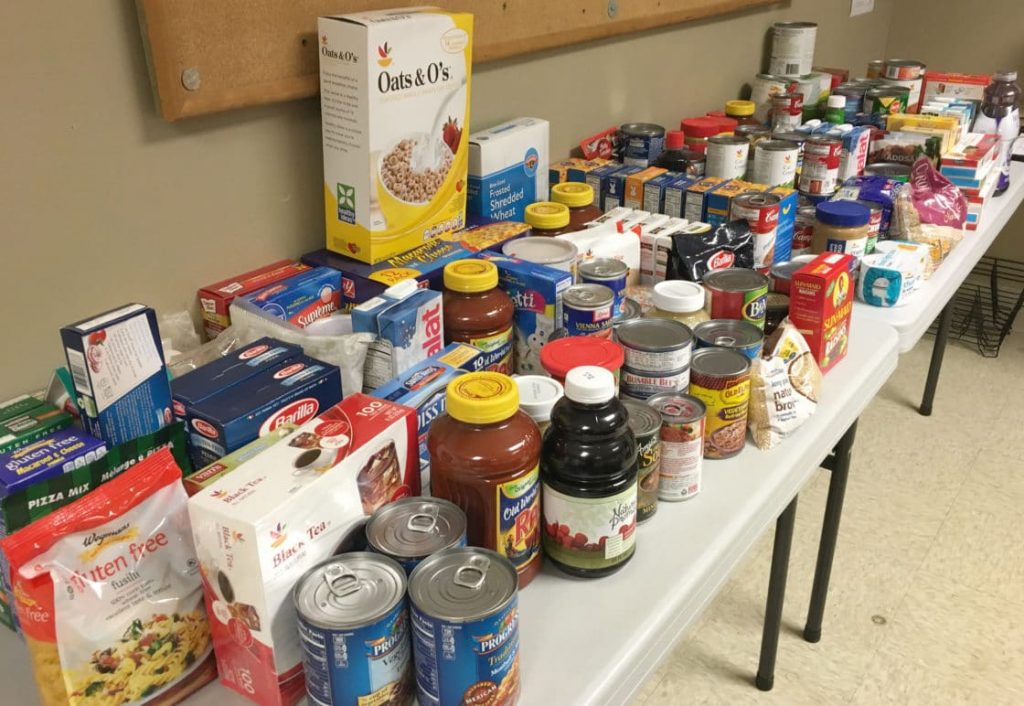 The first week of the month saw the start of our month-long food drive to the Worcester County Food Bank (WCFB). The WCFB is one of only three Feeding America member food banks in the entire state of Massachusetts, providing food to tens of thousands of people every year. At the end of the month, we will weigh the collected donations to see just how much our team was able to rally together for the members of our local community that are experiencing food shortages, all the while demonstrating T&H’s commitment to social responsibility.
Family Feud Competition and Level 99 Adventure
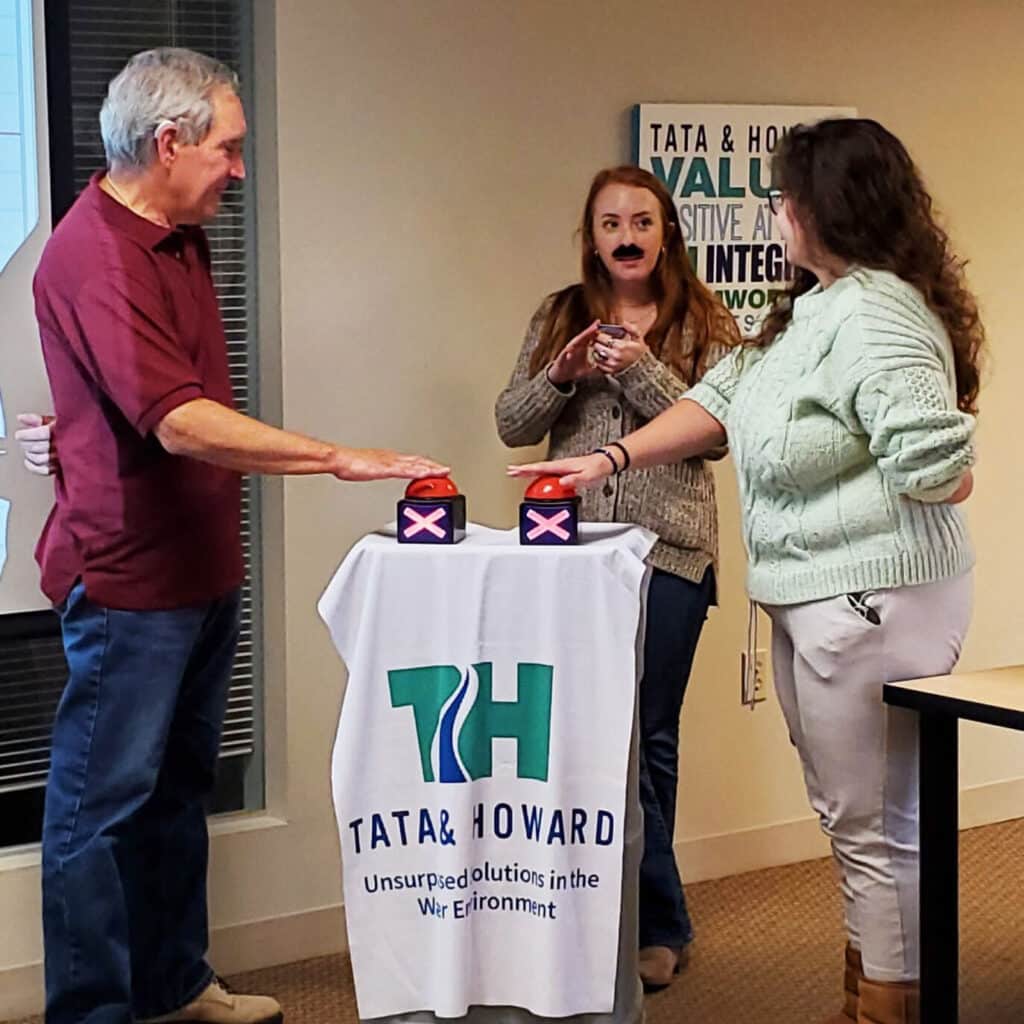 Every Tuesday this October, the T&H crew will break out into teams for the month-long Family Feud competition. We even have our very own Steve Harvey! (pictured below). Not only will the weekly competition serve as a sure-fire cure for any lingering post-Monday blues, it will also foster friendly competition, a sense of togetherness, communication, and of course, a lot of laughter and light hearted entertainment! The competition started on October 3 and the final round will be held on October 24.
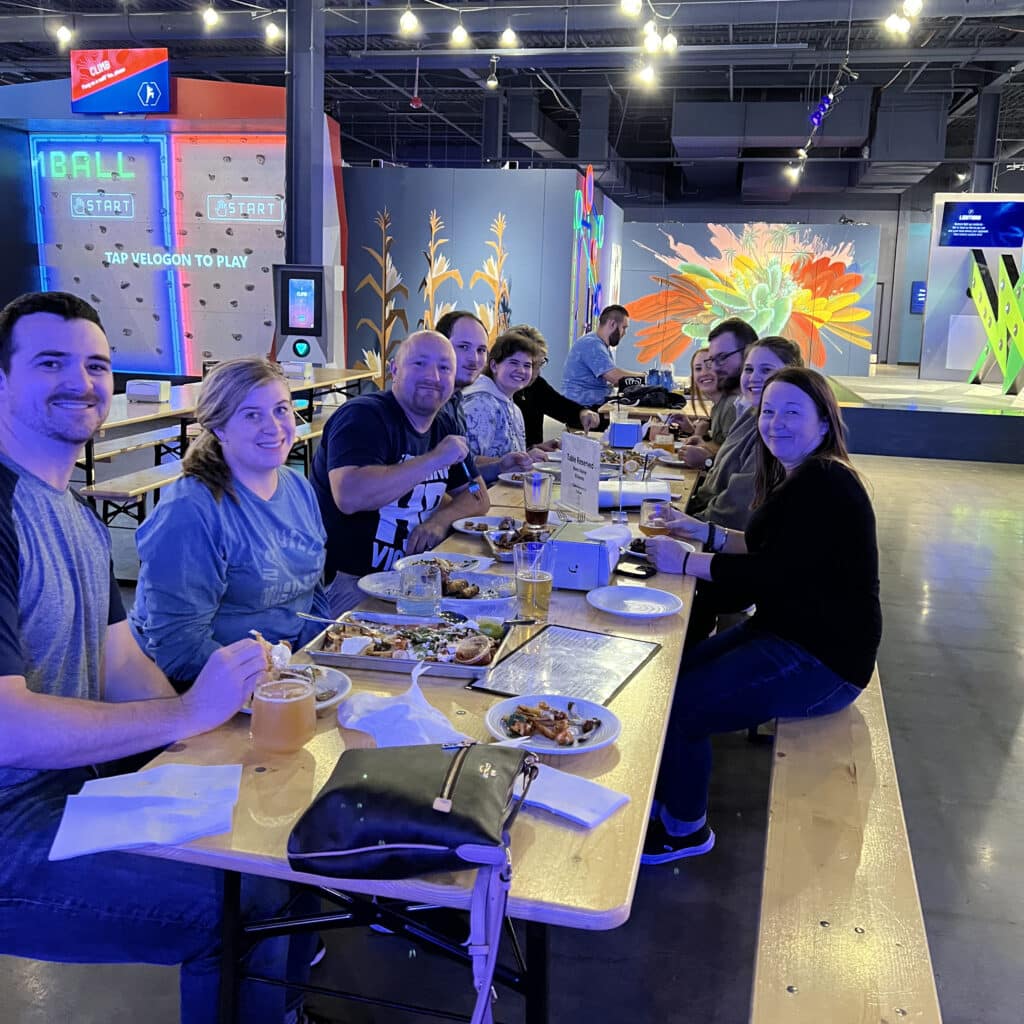 As we cannot seem to get enough friendly competition, our team brought their A-game at October 12’s Level 99 event. Level 99 is a one-of-a-kind destination where patrons have access to over 40 themed challenge rooms that are designed to test both their physical and mental capabilities in an effort to win challenges and collect rewards. (Again, have we mentioned just how much the T&H team loves some friendly competition?)
Anniversary Lunch and Website/Movie Premiere
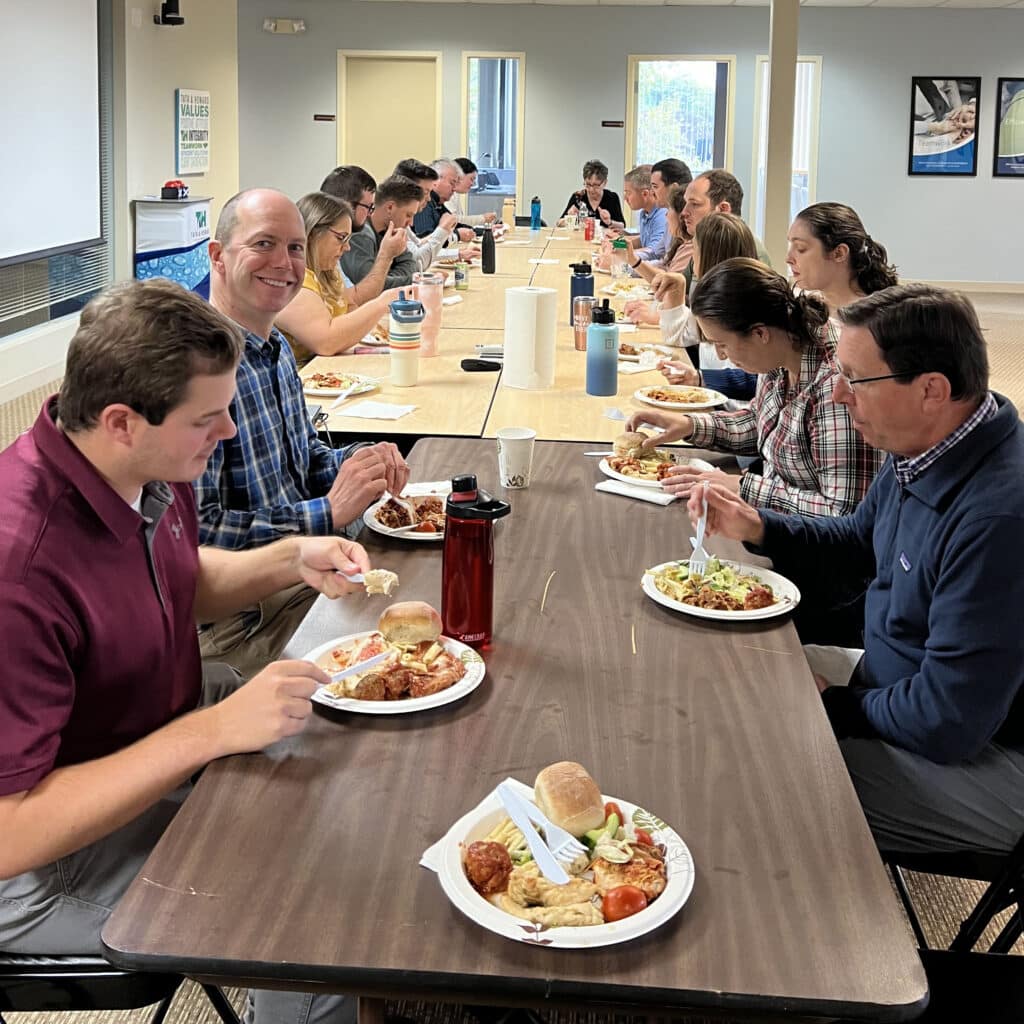 On October 19, 2023, T&H turned 31 years old, so cue the “happy birthday” song! We were founded on October 19, 1992 by Donald J. Tata and Paul B. Howard. This exciting anniversary was celebrated by a company-wide catered lunch where we also discussed important company initiatives. Once the business portion of the day was completed, it was time for the party to start. The company hosted a premiere of both our new website (click around and check it out!) and new corporate video, both in-person and virtual for our team.
Other Planned ESOP Month Events
- Represent Your Alma Mater Day where our team is encouraged to don a shirt or item of clothing representing their colleges.
- An Owners Meeting followed by a suspenseful, immersive, and exciting Murder Mystery party.
- A Halloween-themed party, and more!
This ESOP Month, let’s celebrate the power of shared ownership, dedication, and teamwork. Thank you for being part of our journey and for helping make our company the success that it is today.
 AMR and AMI: What’s the Difference?

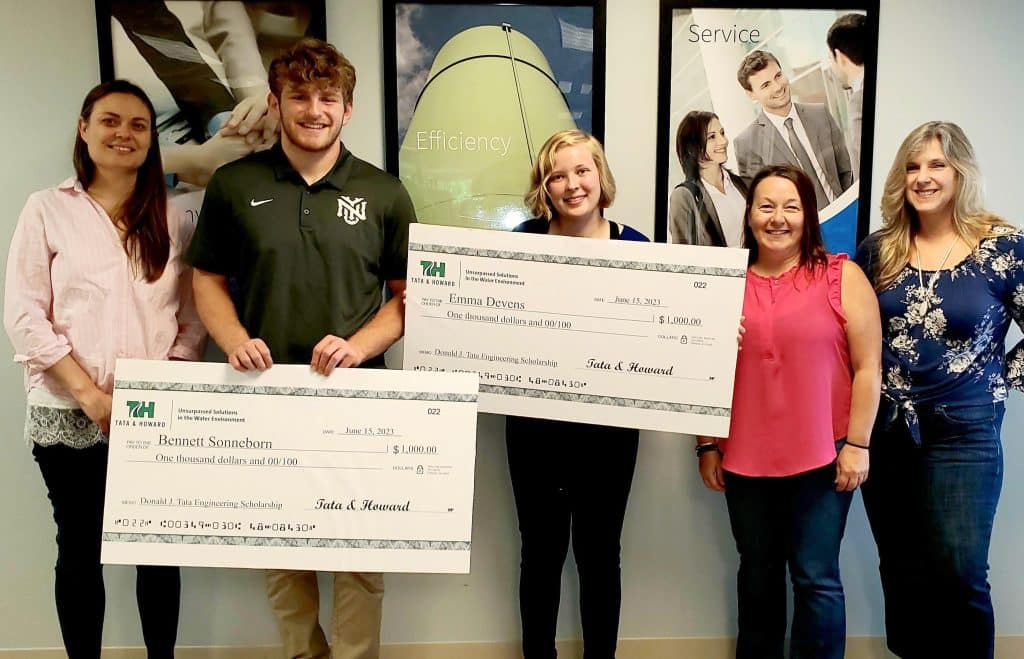 Tata & Howard presented the Donald J. Tata Engineering Scholarship Award to two deserving high school seniors this spring: Bennett Sonneborn from Natick High School and Emma Devens from Marlborough High School. Both are pursuing engineering degrees and exhibited not only exemplary GPA and grades in their classes, but were also involved in extracurricular activites and philanthropic initiatives. We had so much fun presenting them their big checks, and we wish them all the best on their college journeys. In the fall, Bennett is attending New York University and Emma is attending the Rochester Institute of Technology.
 Every year during the first week of May, the American Water Works Association (AWWA) and members of the water community celebrate Drinking Water Week, a week-long campaign dedicated to educating the public about the critical role clean water plays in our daily lives.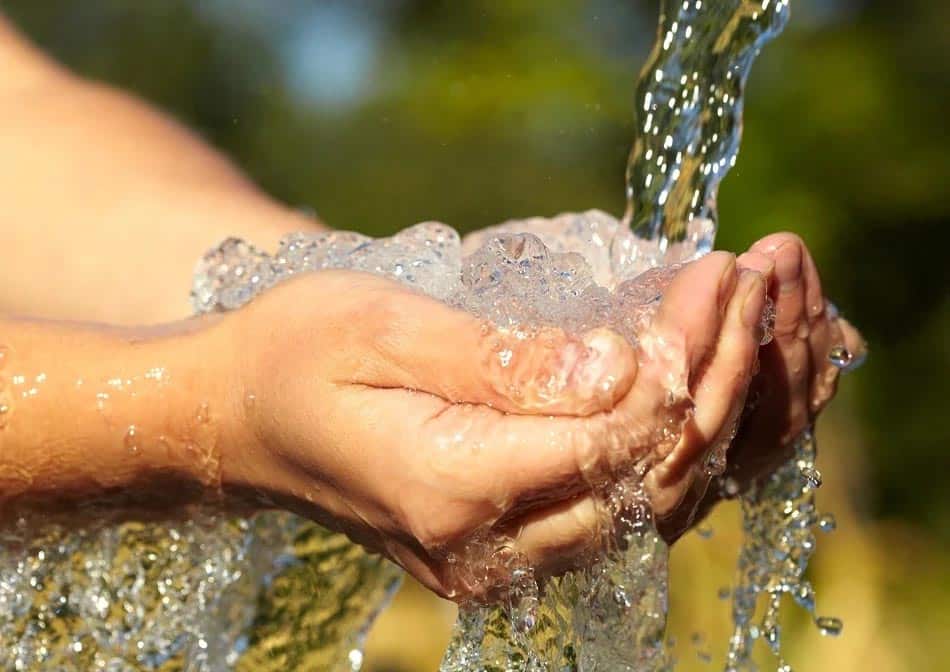
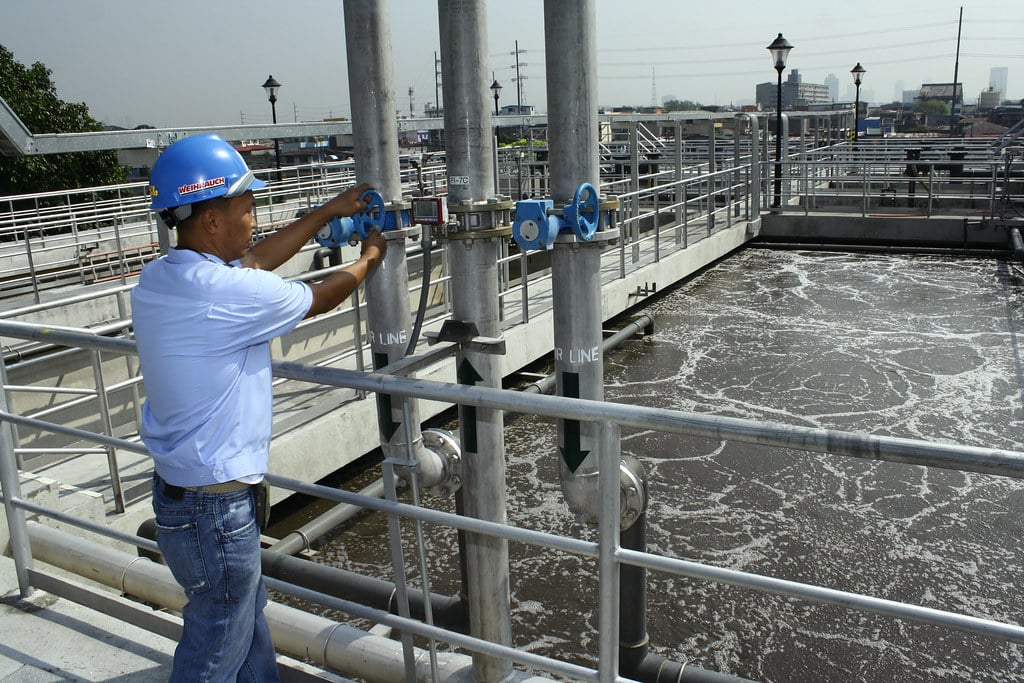 The Tata & Howard Capital Efficiency Plan (CEP) helps you do just that. Our CEP method is an accelerated and progressive approach to asset management. Our program allows municipalities, with the assistance and guidance of expert field staff and project managers, to do the following: (1) identify areas of their water, stormwater, and wastewater systems that are in need of repair, replacement, and/or rehabilitation; and (2) create a prioritized plan of action that is easily justified. In addition, the entire plan is conducted and completed in a way that makes the most bang out of municipalities’ limited infrastructure bucks.
 Once the plan is completed, systems receive their CEP report, complete with Geographic Information System (GIS) representation for each pipe segment within their individual underground piping system, along with a database. Each report will detail what issues are critical and should be prioritized, and includes estimated costs for the repairs, replacements, or rehabilitations that need to be made, so critical and less-critical projects alike can be part of the conversation when preparing annual budgets.
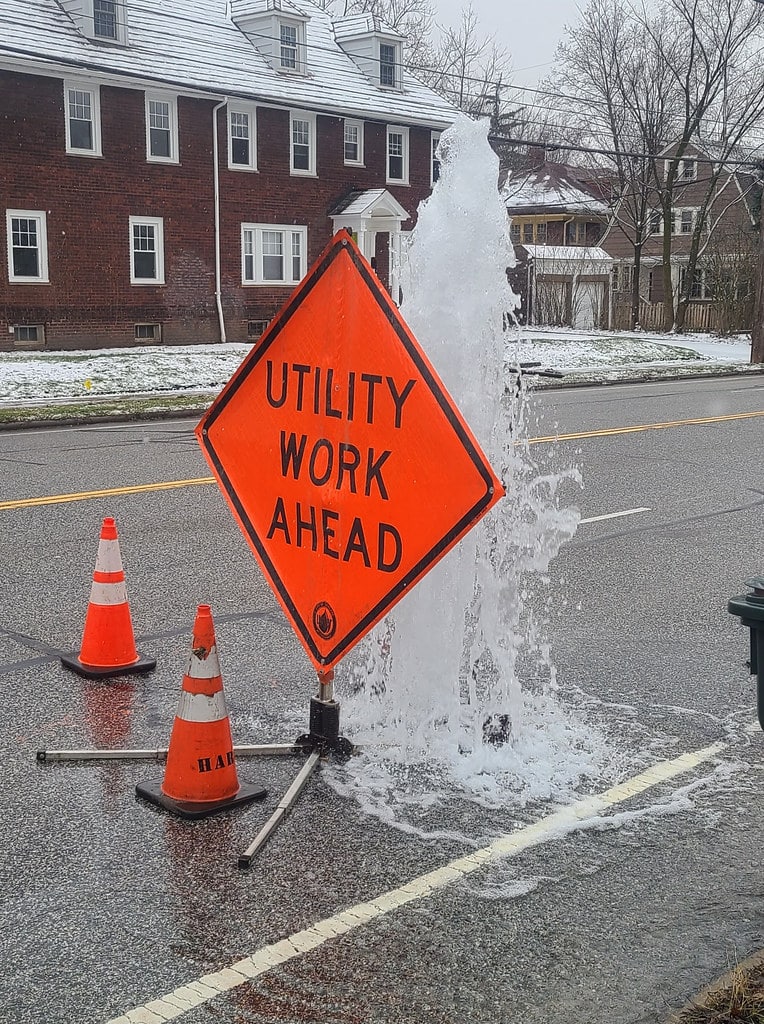 It has been no secret that federal and state funding has been on a steady decline for several decades now, starting in the mid-1970s. With already limited funding, state and local governments are unable to meet full capital expenditures and to prioritize projects, and are frankly falling behind, leaving their residents to bear the burden of crumbling infrastructure.
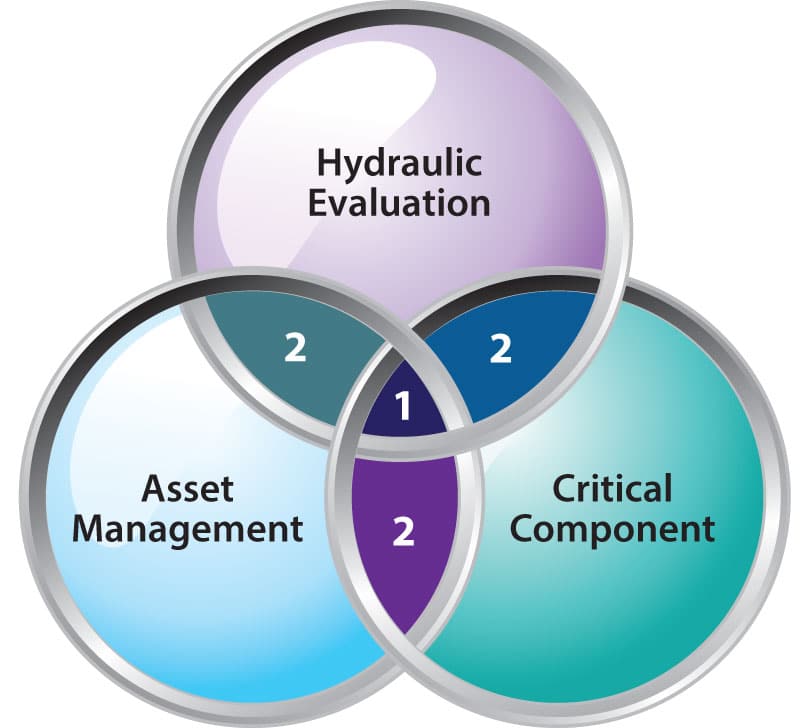
 Asset management planning is absolutely critical to the current and future health and maintenance of our water supplies. This highly structured, three-circle approach to capital planning is one of the most effective ways for systems to conclusively prioritize those that are in most need of repair, replacement, or rehabilitation. Each CEP approach is specifically tailored to each project, as each system and project have varying needs.
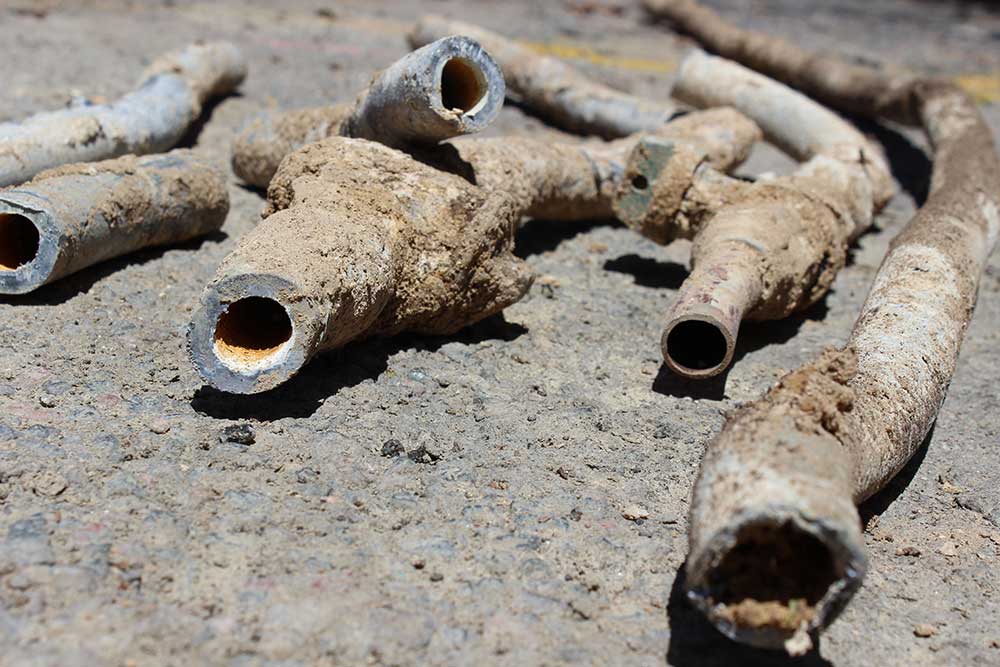 For example, in an effort to help remove lead pipes from Massachusetts turf, in the past we have partnered with the city of Marlborough, MA and
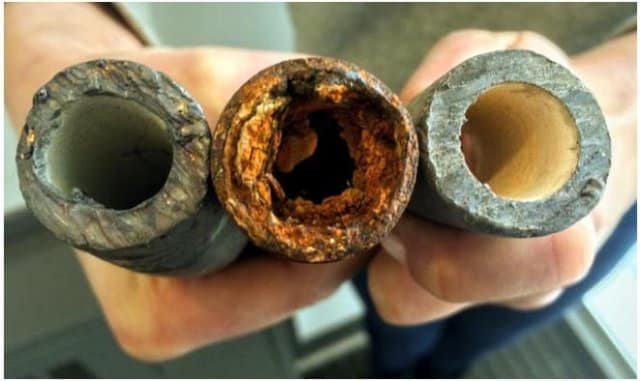 For starters, let’s start with why lead is bad for us. Exposing one to lead, whether by contaminated drinking water or ingestion, can lead to severe brain and nervous system damage, kidney damage, can drastically affect children and those who are pregnant, and can cause death.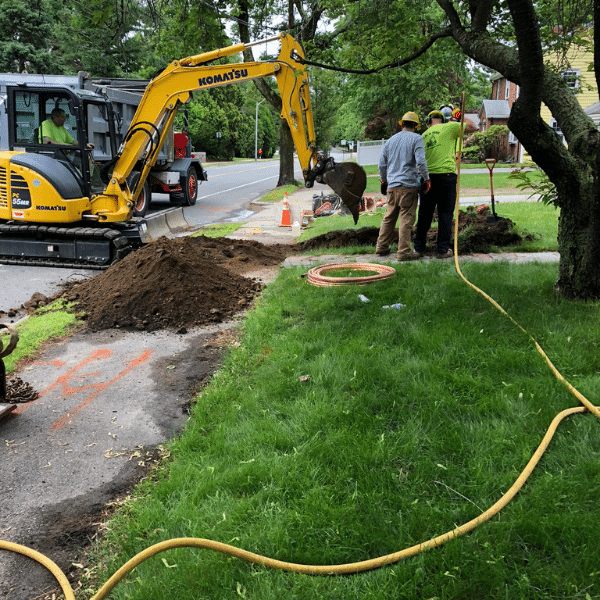
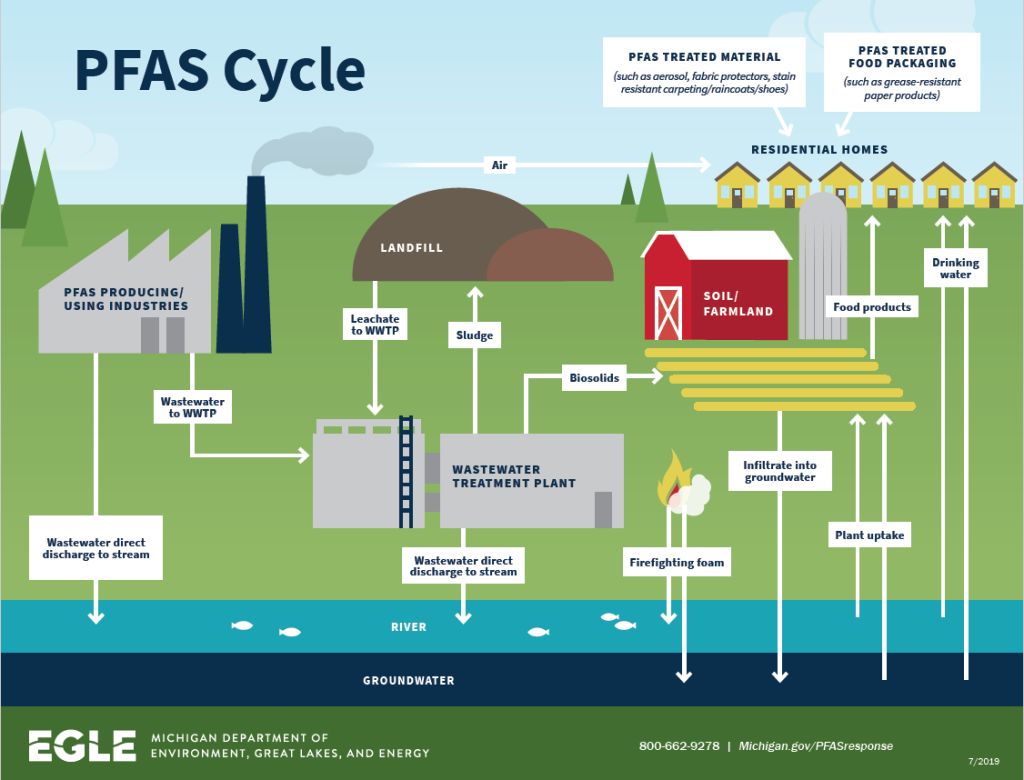 PFAS have been on the Environmental Protection Agency’s (EPA) radar for quite some time now. The question is, why is the EPA so focused on these compounds? Well, for starters, they are human-made, widely used, and nearly impossible to dissolve and break down, which means that over time they start to spread and grow, more and more, both within the human body and in our environment. These compounds are also resistant to heat, oil, grease, and water, and —what’s worse — is that the EPA has found traces of all the Unregulated Contaminant Monitoring Rule 3 (UCMR 3) (i.e., the long p-words mentioned earlier) in our country’s water supply in recent years.
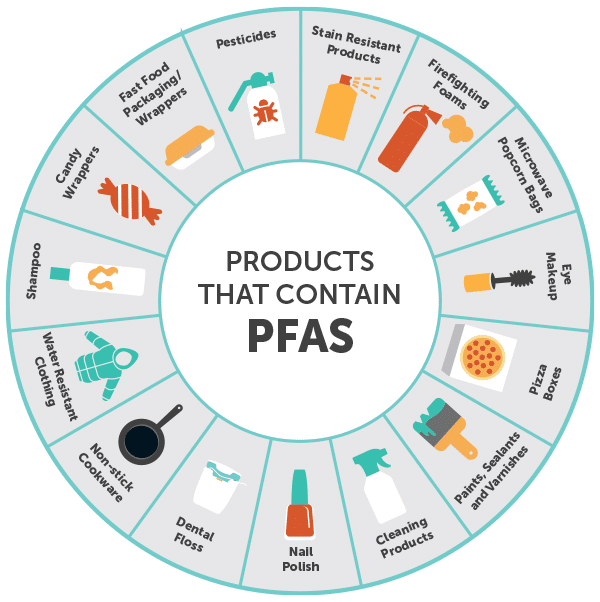 Today,
 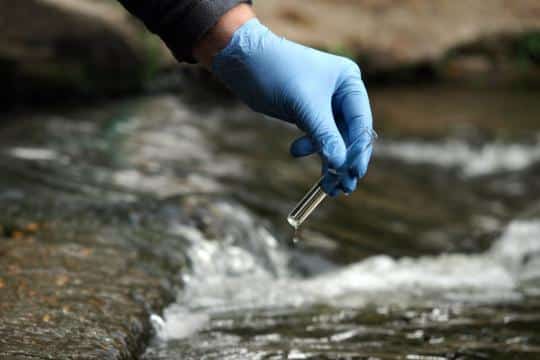 At the end of the day, our planet’s drinking water has been affected on a national and global level thanks to the work of PFAS manufacturers. People, animals, and our entire ecosystem have been tainted. Now, water utilities are tasked with cleaning up the mess (literally). Grants are helpful but they’re not guaranteed and, frankly, $1-5 billion isn’t nearly enough for testing on a national scale, which is necessary due to the almost 100 years of damage PFAS have caused.