Proposed Legislation to Exclude Fire Hydrants from the Reduction of Lead in Drinking Water Act

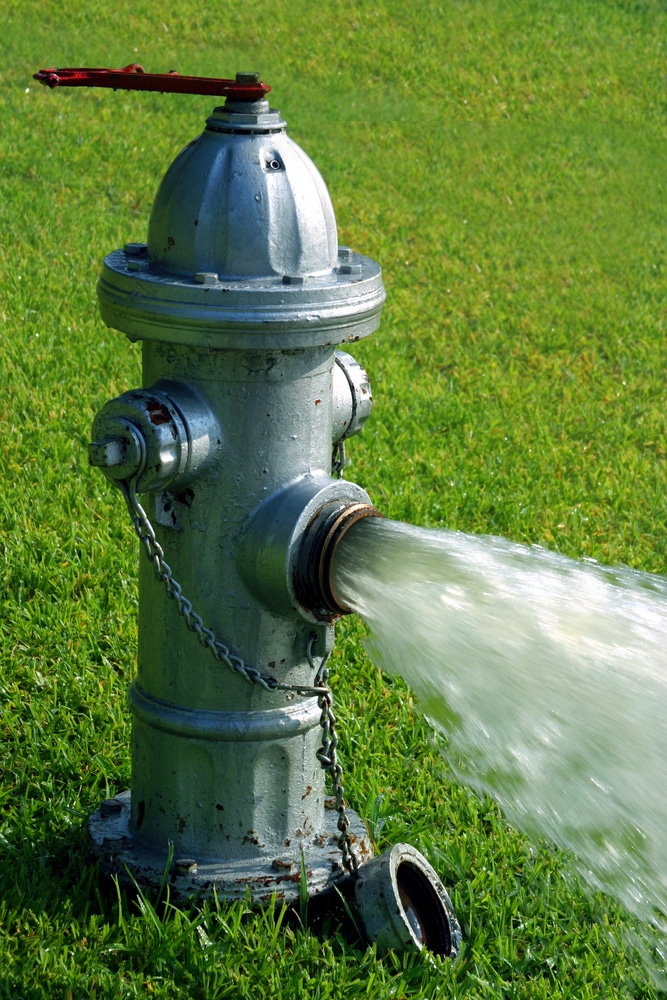
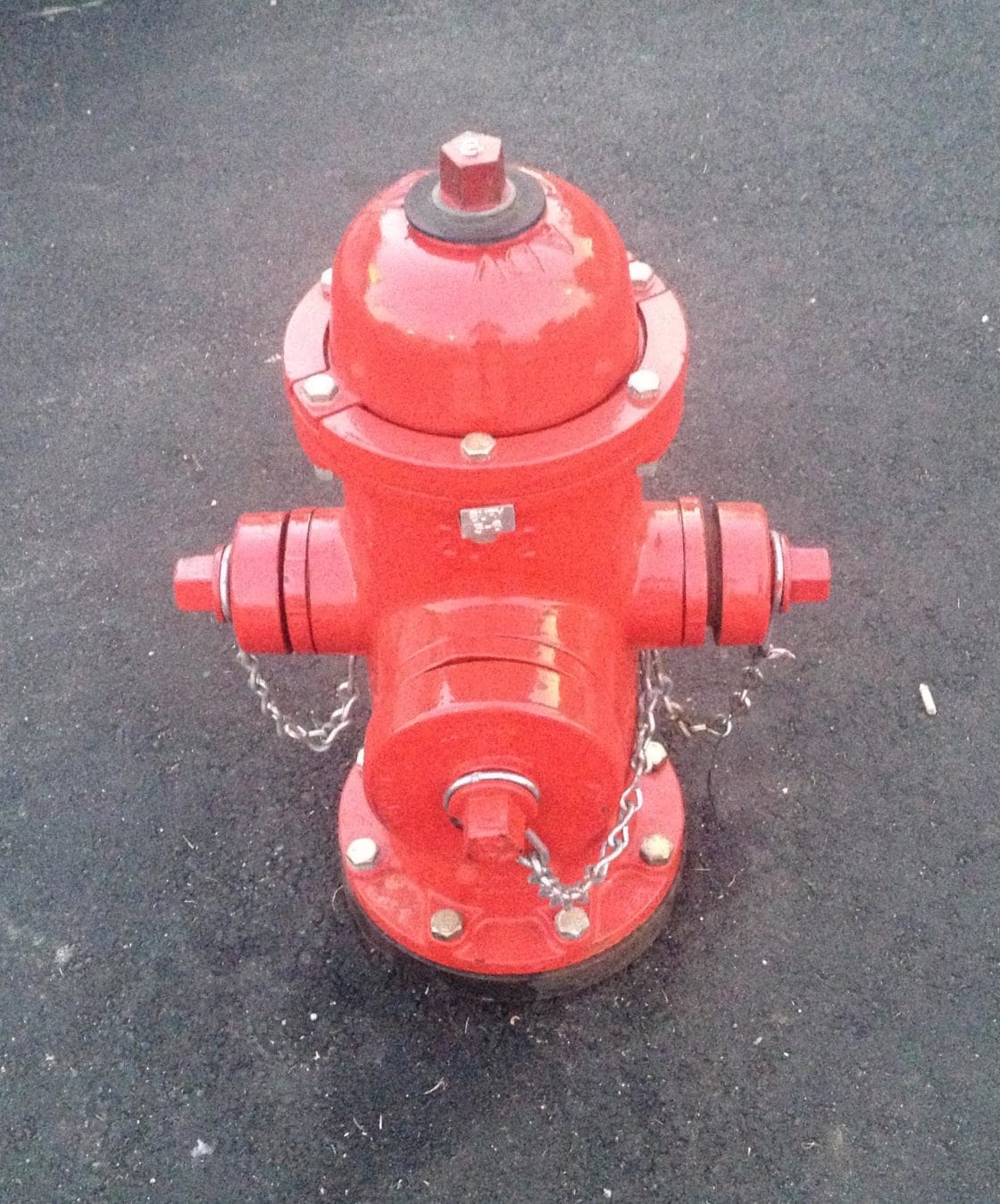
hydrantOn Monday, December 2, the US House of Representatives unanimously voted to override a controversial October 22, 2013 EPA ruling that included fire hydrants in the Reduction of Lead in Drinking Water Act. This Act, slated to take effect January 4, 2014, would require all new fire hydrants and their accompanying pipes, fixtures, and fittings to be lead-free.

The bill, cosponsored by Congressmen Paul Tonko (D-NY) and Bill Johnson (R-Ohio), garnered sweeping bipartisan support, an unusual occurrence when it comes to EPA rulings. Named the Community Fire Safety Act, HR 3588, the bill also received broad support from the water industry, including the American Water Works Association, Association of Metropolitan Water Agencies, Association of California Water Agencies, National Association of Water Companies, and National Rural Water Association.

“This commonsense legislation eliminates an unintended consequence of a recent law enacted to enhance public health. No one is getting a steady supply of drinking water from the fire hydrant at the end of their street, so we should not add to the heavy burden our local governments with constrained budgets already experience,” said Rep. Tonko. “We need to remove lead from our drinking water, but we do not need to regulate fire hydrants to achieve this worthy and important goal,” he continued. “When Congress passed the amendments to the Safe Drinking Water Act three years ago, I doubt anyone intended to have EPA regulate hydrants.”

Advocates of the Community Fire Safety Act are strongly urging individuals to contact their senators in support of this legislation, and to ask that the Act be voted into law. If the Act fails to pass, community water utilities will be stuck holding millions of dollars of brand new, non-compliant fire hydrants – with no means of procuring the required lead-free hydrants.

“Water utilities have made it clear that they have two choices come January 4: fail to comply with federal law, or leave gaps in critical fire hydrant service,” commented Rep. Johnson. “No one should ever face that choice.”

To contact your senator, please visit https://www.senate.gov/general/contact_information/senators_cfm.cfm

The Criticality of Water: EPA Aims to Bring Awareness to the Nation

heron and fishWater: our world’s most precious resource. We need water for food production, manufacturing, livestock, tourism, electric power, energy resource extraction, mining, forestry, and recreation. Water is critical to a thriving economy, and is essential either directly or indirectly in every aspect of our lives. So why aren’t we doing more to protect it?

The US Environmental Protection Agency (EPA) is hoping to change that. The Importance of Water to the US Economy, an EPA report addressing the intrinsic value of water, was issued earlier this month. The 37-page report discusses the vital role water plays in all aspects of our economy, and why we urgently need to address the sustainable management of our nation’s water resources. This report also supplies additional evidence for the expanded Clean Water Act jurisdiction expected to pass in 2014, which you can read about here.

The reality is that sustainable management will not only necessitate increased EPA jurisdiction to ensure protection of our nation’s finite water resources, but will also come with a pricetag. Aging infrastructure – some built around the time of the Civil War – continues to fail at an alarming rate, and EPA’s Drinking Water Infrastructure Needs Survey and Assessment: Fifth Report to Congress, issued in June of this year, estimated that $384 billion would be necessary simply for the maintenance of our nation\’s tap water systems through 2030.

Yet people continue to balk at rising water and sewer prices, even in the wake of such compelling evidence. General Manager of the District of Columbia Water and Sewer Authority (DC Water) George S. Hawkins, whose job includes convincing residents of the necessity for rate increases, explains in a way that allows no room for argument: “People pay more for their cellphones and cable television than for water. You can go a day without a phone or TV. You can’t go a day without water.”

Indeed, Mr. Hawkins.

EPA Releases Draft Report in Preparation for Expanded Clean Water Act Jurisidiction

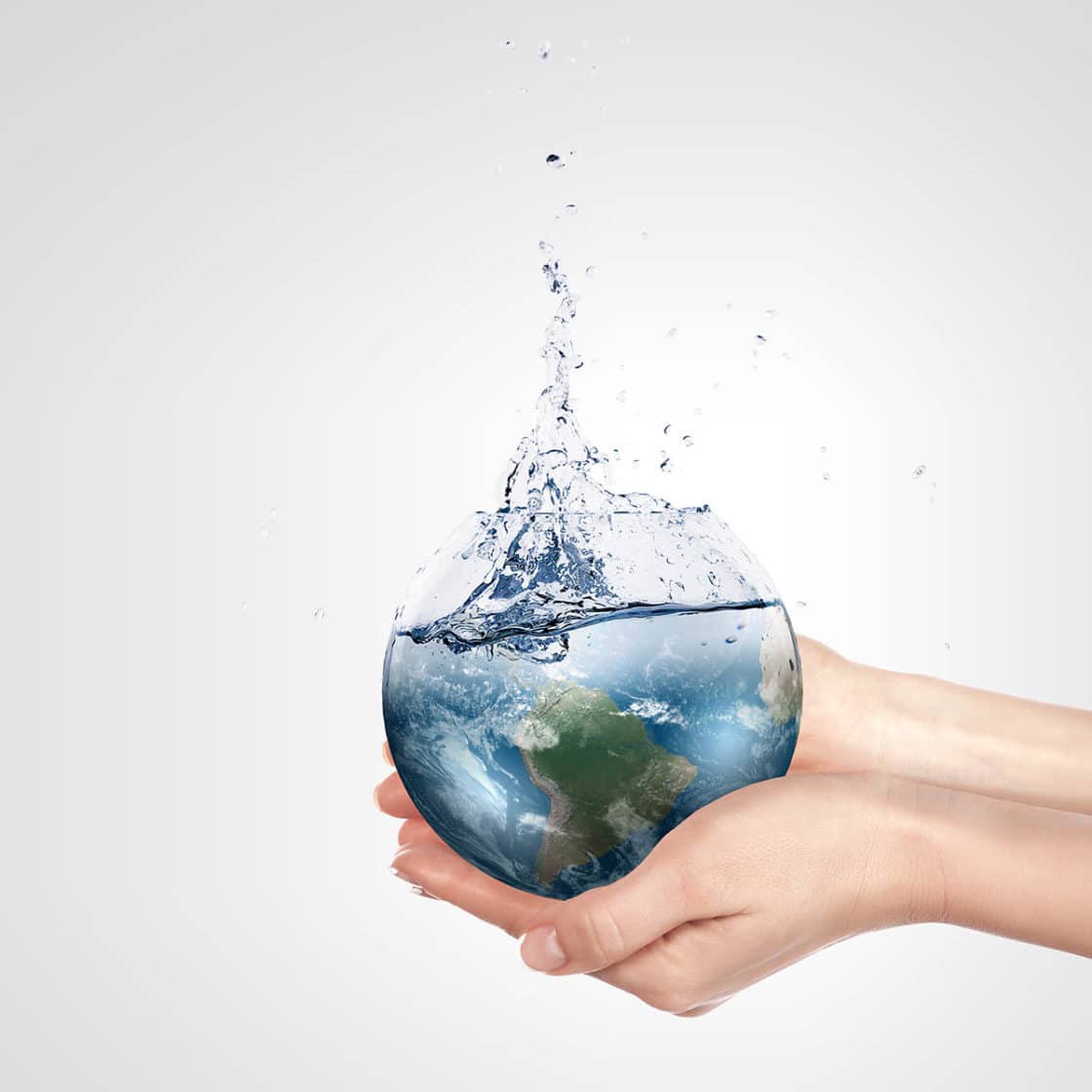
globe water hands smallThere is no question that clean water remains our nation\’s most valuable natural resource. It is not only necessary for providing drinking water and maintaining public health, but also for manufacturing, farming, fishing, tourism, recreation, and energy development. And while the need for an abudant supply of clean water impacts us all, the methods used by the Environmental Protection Agency (EPA) to protect our nation’s waters has come under heated debate.

Background
In 1972, in an effort to protect our nation’s water supply, the US Environmental Protection Agency (EPA) enacted the Clean Water Act (CWA), which defined “Waters of the United States.” The Act provided protection to these defined streams, lakes, rivers, wetlands, and other waterways from the high levels of pollution to which they were being subjected. Since 2001, some of these waters and wetlands have lost federal protection due to misinterpretations and confusion over Supreme Court rulings in regard to which waterways fall under CWA jurisdiction. Citing our nation’s imperative need for clean water, the EPA and Army Corps of Engineers (Corps) determined that clarification of CWA jurisdiction was necessary.

The Report
On August 24, 2013, the EPA solicited public comment on a new draft science report titled Connectivity of Streams and Wetlands to Downstream Waters: A Review and Synthesis of the Scientific Evidence. Public comments received by November 6, 2013 will be provided to the Scientific Advisory Board (SAB), an independent peer review panel, prior to their December 16-18, 2013 meeting. The purpose of this draft science report is to provide compelling scientific evidence in support of a joint EPA/Corps rulemaking to increase protection of US water by clarifying the authority of the CWA. This clarification has been requested by many entities including members of Congress, state and local officials, industry, agriculture, environmental groups, and the public.

EPA and the Corps’ primary focus is jurisidiction over our nation’s network of smaller waters – waters that feed larger ones, and, according to EPA, need protection in order to keep our water safe from upstream pollutants. In addition, EPA and the Corps are including protection for non-drinking water wetlands, maintaining that these wetlands provide community benefits, such as pollution containment and filtering, water storage, flood safety, as well as economic benefits for US businesses, including energy producers and farmers, who rely on ample sources of clean water.

The EPA states, “This draft science report presents a review and synthesis of the scientific literature pertaining to physical, chemical, and biological connections from streams, wetlands, and open-waters to downstream waters such as rivers, lakes, estuaries, and oceans. This review of more than 1,000 peer-reviewed publications summarizes the current scientific understanding of the connectivity of small or temporary streams, wetlands, and certain open-waters, evaluated singly or in aggregate, and the mechanisms by which they affect the function or condition of downstream waters. The goals of the report are to (1) provide a context for considering the evidence of connections between rivers and their tributary waters, (2) summarize current understanding about these connections and associated downstream effects, and (3) discuss factors that influence the degree of connectivity or the magnitude of a downstream effect.”

The draft science report makes three initial conclusions:

  1. All streams, regardless of their size or how frequently they flow, are connected to and have important effects on downstream waters. These streams supply most of the water in rivers, transport sediment and organic matter, provide habitat for many species, and take up or change nutrients that could otherwise impair downstream waters.
  2. Wetlands and open-waters in floodplains of streams and rivers and in riparian areas (transition areas between terrestrial and aquatic ecosystems) are integrated with streams and rivers. They strongly influence downstream waters by affecting the flow of water, trapping and reducing nonpoint source pollution, and exchanging biological species.
  3. Additional information is necessary for wetlands and open-waters located outside of floodplains and riparian areas before determining that they do not directly impact downstream waters.

The proposed rule maintains existing exemptions and exclusions, including those pertaining to agriculture and the production of food, materials, and fuel, as detailed below:

  • Agricultural stormwater discharges
  • Return flows from irrigated agriculture
  • Normal farming, silvicultural, and ranching activities
  • Upland soil and water conservation practices
  • Construction and maintenance of farm or stock ponds or irrigation ditches
  • Maintenance of drainage ditches
  • Construction or maintenance of farm, forest, and temporary mining roads
  • Prior Converted Cropland, including the role of USDA
  • Waste Treatment Systems

In addition to existing exclusions, the rule also proposes the following new exemptions:

  • Non-tidal drainage, including tiles, and irrigation ditches excavated on dry land
  • Artificially irrigated areas that would be dry if irrigation stops
  • Artificial lakes or ponds used for purposes such as stock watering or irrigation
  • Areas artificially flooded for rice growing
  • Artificial ornamental waters created for primarily aesthetic reasons
  • Water-filled depressions created as a result of construction activity
  • Pits excavated in uplands for fill, sand, or gravel that fill with water

In short, the report finds that all of the nation’s streams and most of its wetlands are connected and have biological, chemical, and physical impact on our nation’s rivers and lakes, and therefore fall under CWA jurisdiction.

Implications
EPA has stated that their final report will take into consideration all public comment as well as the findings of the independent peer review from their upcoming December meeting. When finalized, this report will provide scientific evidence on the connectivity of almost all of our nation’s waters, and will in turn pave the way for broad CWA jurisdiction, including over private property. While protection of our nation’s waters needs to be of primary focus, greatly expanded CWA jurisdiction will increase permitting burdens and significantly impact landowners across the country.

5 Delicious Ways to Drink More Water This Holiday Season


Thanksgiving is just around the corner, a joyful day when we reflect upon all we have and offer thanks. While we all enjoy some well-deserved time off with family, friends, and (of course) food, let’s not forget to drink our water. Staying hydrated offers a myriad of health benefits, including aiding in the digestion of our Thanksgiving feast. So take advantage of the fresh, clean water provided by our public water suppliers and brew up some healthful flavored waters. We have included some festive holiday recipes below to entice everyone in the family to drink more water. Happy Thanksgiving!

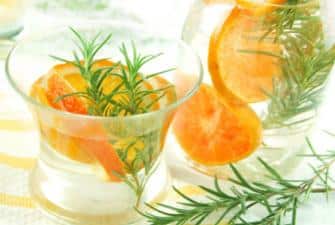
Rosemary-orange Workout WaterRosemary-Orange Water

Ingredients (serves 4):
8 whole sprigs fresh rosemary
4 whole slices fresh orange
4 scoop Ice
Water
Directions:
  1. Place two rosemary sprigs in each glass.
  2. Place one orange slice in each glass.
  3. Using a spoon, gently bruise the rosemary and orange by pressing.
  4. Fill glasses with ice; top with water and stir.
  5. Serve cold.

sassy spicedSassy Spiced Water

Ingredients (serves 16):
3 drops lemon essential oil
2 drops grapefruit essential oil
1 drop ginger essential oil
1 drop peppermint essential oil
1 drop cinnamon essential oil
1 gallon water
Ice
Lime wedges
Directions:
  1. Place drops of each essential oil into a gallon of cold water.
  2. Shake well to mix the flavors together.
  3. Pour over ice and garnish with lime. Enjoy!

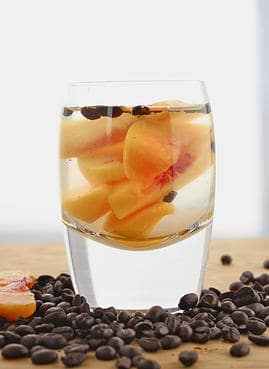
peachesPeaches ‘n Cream Water

Ingredients (serves 8):
5 very ripe peaches, pitted and thinly sliced
8 vanilla beans sliced down the middle
2 T organic honey
2 liters of water
Directions:
  1. Warm the honey and stir into the water.
  2. Allow water and honey mixture to cool.
  3. Add in the peaches and vanilla beans to the water.
  4. Refrigerate for at least 4 hours.
  5. Add ice to glasses and serve!

apple1Apple Cinnamon Water

Ingredients (serves 8):
1 organic apple, cored and thinly sliced
2 cinnamon sticks
Ice
2 liter pitcher of water
Directions:
  1. Add sliced apple and cinnamon to pitcher.
  2. Cover with ice.
  3. Fill the pitcher with water and allow it to set in the fridge for 15 minutes before drinking.

pomegranatePomegranate Blueberry Water

Ingredients (serves 8):
1 pint organic blueberries
1-2 cups pomegranate seeds
Ice
2 liters water
Directions:
  1. Add blueberries, pomegranate seeds, and water to pitcher.
  2. Cover and chill at least 8 hours.
  3. Add ice to glasses just before serving.
  4. Add skewers of blueberries to each glass for a festive touch.

Third Unregulated Contaminant Monitoring Rule (UCMR3)

glass water against sky smallUCMR3, which was signed into effect on April 16, 2012, is the third round of contaminant testing mandated by a 1996 amendment to the federal Safe Drinking Water Act. Once every five years, the EPA issues a list of up to 30 unregulated contaminants and requires all public water systems serving more than 10,000 people, as well as 800 representative public water supplies serving 10,000 or fewer and 800 public water supplies serving 1,000 or fewer, to monitor them.

The UCMR3 contaminants requiring monitoring are as follows:

Seven Volatile Organic Compounds
– trichloropropane
– butadiene
– chloromethane (methyl chloride)
– dichloroethane
– bromomethane (methyl bromide)
– chlorodifluoromethane (HCFC-22)
– bromochloromethane (halon 1011)

One Synthetic Organic Compound
– dioxane

Six Metals
– vanadium
– molybdenum
– cobalt
– strontium
– chromium
– chromium 6 (hexavalent chromium)

One Oxyhalide Anion
– chlorate

UCMR3 testing occurs between January 2013 and December 2015 and helps to determine the geographic prevalence and levels of these contaminants throughout the country. This information, combined with toxicological data, provides baseline data that the EPA uses to determine the necessity of future drinking water regulations.

3D Printing: More Than Just a Neat Idea

“Innovation distinguishes between a leader and a follower.” Steve Jobs

The concept of 3D printing is straightforward and easily understandable. 3D Printing is a new technology that can create objects from digital data. Just as a standard inkjet or laser printer transcribes data from a file onto a sheet of paper, 3D printers turn data into stunningly realistic models using a variety of media, such as silicon and metal. 3D printing is relatively inexpensive and is currently being used throughout the world for a broad range of industries. But before we look at its uses, let\’s answer the big question: how exactly does it work?

Technical Overview
In 1995, a new 3D printing technology, ZPrinting, was developed at the Massachusetts Institute of Technology. As in many other rapid prototyping processes, the part to be printed is built up from many thin cross sections of the 3D model. In ZPrinters, an inkjet-like printing head moves across a bed of powder, selectively depositing a liquid binding material in the shape of the section. A fresh layer of powder is spread across the top of the model, and the process is repeated. When the model is complete, unbound powder is automatically removed. Parts can be built on a ZPrinter at a rate of approximately one vertical inch per hour.1

For a visual on how 3D printing works, take a look at how Objet utilized 3D printing to commemorate the 100th anniversary of Fenway Park – which just happens to be where the 2013 World Series was recently won:

https://youtu.be/jl2EVSFNY1A

Beyond replicating beloved ballparks, 3D printing offers a myriad of advantages:

  • Print prototypes quickly, obtain feedback, refine designs, and repeat the cycle until designs are perfect
  • Create affordable prototypes early in the ideation stage of product development
  • Improve communication by holding realistic 3D models in your hands to impart infinitely more information than a computer image
  • Compress design cycles by 3D printing multiple prototypes on demand
  • Cut traditional prototyping and tooling costs
  • Identify design errors earlier

https://youtu.be/8aghzpO_UZE

Specific applications in the Engineering Industry will allow engineering firms to better communicate with their clients:

  • Design Prototypes: Create concept models, functional prototypes, and presentation models for evaluating and refining designs
  • Architecture: Print detailed, movable models of architectural designs and prototypes for the design of critical elements
  • Geospatial: Easily convert GIS data into 3D landscape and cityscape models

Basic 3D printing has also become more affordable. Tata & Howard has this lamp that was printed on an $800 home printer:

lamp

Who’s Doing It?
While 3D printing is almost 20 years old, it is only recently starting to gain momentum commercially. Falling costs, more efficient printers, and full color designs utilizing a variety of media are driving more demand for 3D printers.

To better understand the broad capabilities of 3D printers, take a look at these innovations:

NASA
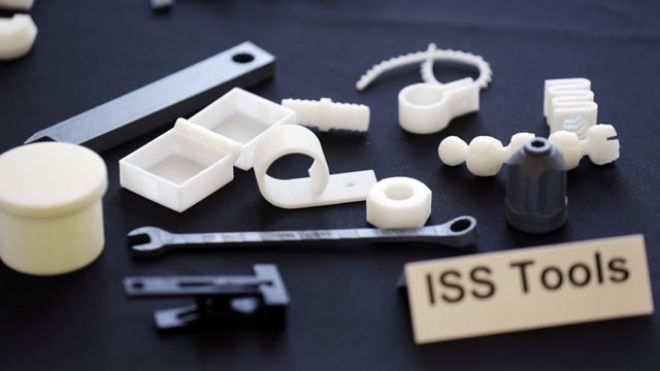
NASA is planning to launch a toaster-sized 3D printer into space next year to assist astronauts. Instead of bogging down the shuttle with an endless supply of tools and spare parts that will likely never be needed, astronauts will now be able to quickly print a spare part or tool that they might need on their mission.

nasa tools

Prosthetics
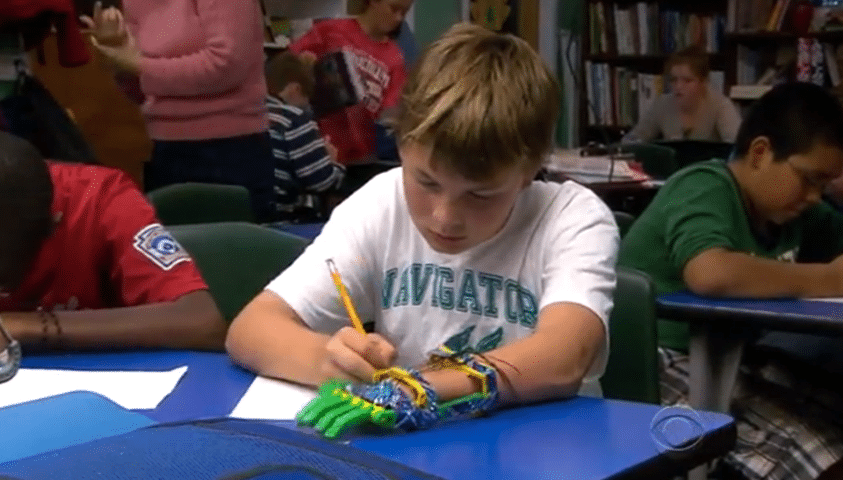
Massachusetts father Paul McCarthy printed a working prosthetic hand on his son Leon\’s school\’s 3D printer at a cost of $10. A traditional prosthetic for Leon, who was born without fingers on his left hand, came with a hefty price tag of $20,000. With some research, a bit of CAD experience, and the tenacity of a loving father, Mr. McCarthy was able to find an affordable option using 3D printing technology.

leon mccarthy

Nestle’s Chocnology
To celebrate the forthcoming release of Android\’s newest OS Android Kit Kat, Nestle-owned Kit Kat South Africa is hosting “Chocnology,” a delicious exhibition of 3D-printed sculptures designed by South African artists made out of yes, you guessed it, chocolate. To produce the artwork, a 3D printer that typically utilizes a plastic-based filament was manipulated to use chocolate as its base material, allowing the creation of intricate, edible sculptures.

android_kitkat_cropped

And it doesn’t stop there. Under consideration is utilizing a 3-D printer to create metal jet-engine turbine blades with air channels to allow for better cooling. Also, the medical industry has seen the advent of a cell printer. Functioning like an ink-jet printer, this cell printer sprays a precise stream of gel containing living cells. Early tests are looking to cell print a meniscus, the tissue that cushions the knee. And the list goes on.

In Conclusion
3D printing is indeed the wave of the future and is applicable throughout nearly every industry. However, 3D printer operation does require CAD experience and an understanding of 3-dimensional design. Therefore, it seems unlikely that 3D printers will be replacing the traditional household inkjet printer anytime soon. But in the hands of creative engineers with some CAD expertise – the possibilities are truly limitless.