6 Reasons to Work with a Small Engineering Firm

There’s a lot to consider when it comes to addressing your water needs and ultimately awarding a project to the most qualified bidder. Whether you’re in need of a large scale project such as the design and construction administration of a water treatment plant, or something smaller like a new water main, the deciding factors are equally important. Although it may seem daunting to weigh the magnitude of experience and qualifications across all the competing bids, we are big proponents for small engineering firms. Read on to see six great reasons why working with a small engineering firm could be a huge benefit to your company, institution, or municipality.

True Experts in the Field

In choosing a small engineering firm, you’ll have the opportunity to work with engineers who have expertise in both a specialized service as well as experience across multiple facets of the business. It is common to see groups of small teams within a firm that focus on particular segments of the business, be it water, wastewater, stormwater, or construction. Given the nature of a small firm however, there are large opportunities for teamwork and collaboration across the different services. For example, an engineer with a focus on stormwater, may have contributed their knowledge to a wastewater project.
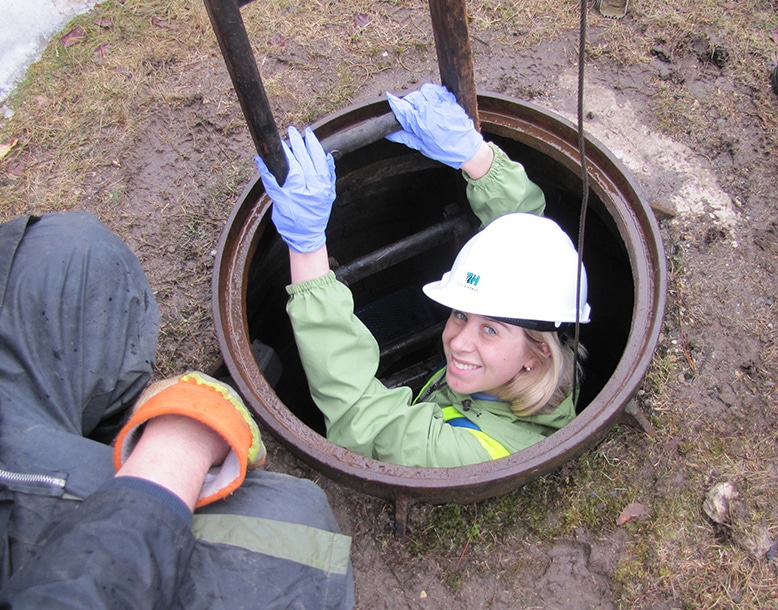
Folks in smaller, privately owned firms, also tend to stay at the company for longer periods of time. With a feeling of trust and community within the company, experience will always increase with longevity.

Client Focused and Reliable

From first interaction to project completion, the team will be there to assist through every step. Teams within small engineering firms are known to go the extra mile to meet the needs of their clients and stop at nothing to make sure all expectations are exceeded. More so than the project itself, a solid client-firm relationship is critically important. When a company is small, team members are often more accessible and eager to help.

Familiar with the Area

Most small, regional firms tend to have a majority of clients close to their headquarters and satellite offices. Having a level of familiarity within a tighter geographic region provides huge benefits for firms and clients alike. For example, when a firm works with a town, they learn the ins and outs of new and existing systems. When it comes time for another project in the same town, the small, local firm is then one step ahead of the competition. Firms that are more local to the client also are more likely to have greater connections with other contractors and utilities nearby.
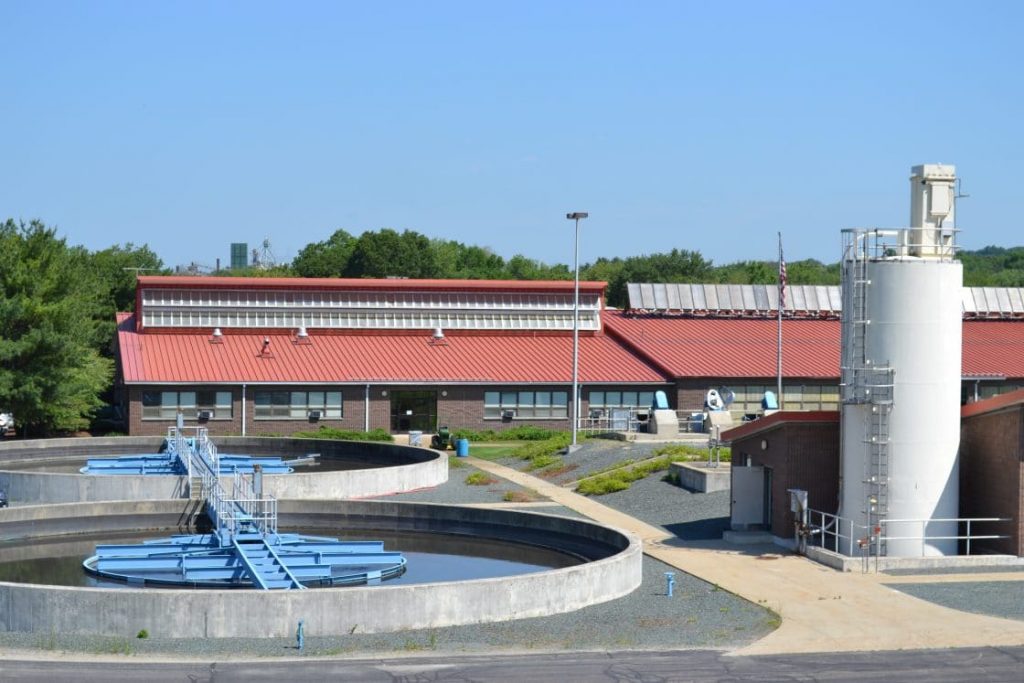
Tata & Howard worked with the town of Milford, MA on a Wastewater Treatment Facility

Engaged Engineers

According to a 2017 study by Gallup, smaller companies have higher levels of employee engagement. From 2012-2016, the percentage of engagement levels in small companies grew by five percentage points. In the same time frame, engagement levels in larger companies barely budged. Similarly, 42% of employees working at companies of 10 or fewer were engaged at work versus the 30% who worked at larger companies. Use this stat when you’re thinking about the team of engineers working on a project (i.e. 10 person companies can easily be equivalent to 10 person teams.)

Transparency

A big component of a solid working relationship is honesty. In any project, big or small, there will always be bumps in the road. A small engineering firm is more inclined to reveal challenges and concerns and face them throughout the course of the project. With full transparency, the firm and client can then work together to address all needs and achieve the end goal.

Small Firms – Big Hearts

In this day and age, ‘giving back’ is incredibly important to consumers. You want to know the company you’re doing business with cares about the world around them. Often times, you will see smaller firms participating in ways well beyond dollars. Giving time, partnering with local charities, and finding a cause that employees truly want to be a part of are what small companies tend to excel in.

tata and howrad employees introduce young girl scouts to engineering


Everything You Need to Know About Water Main Flushing

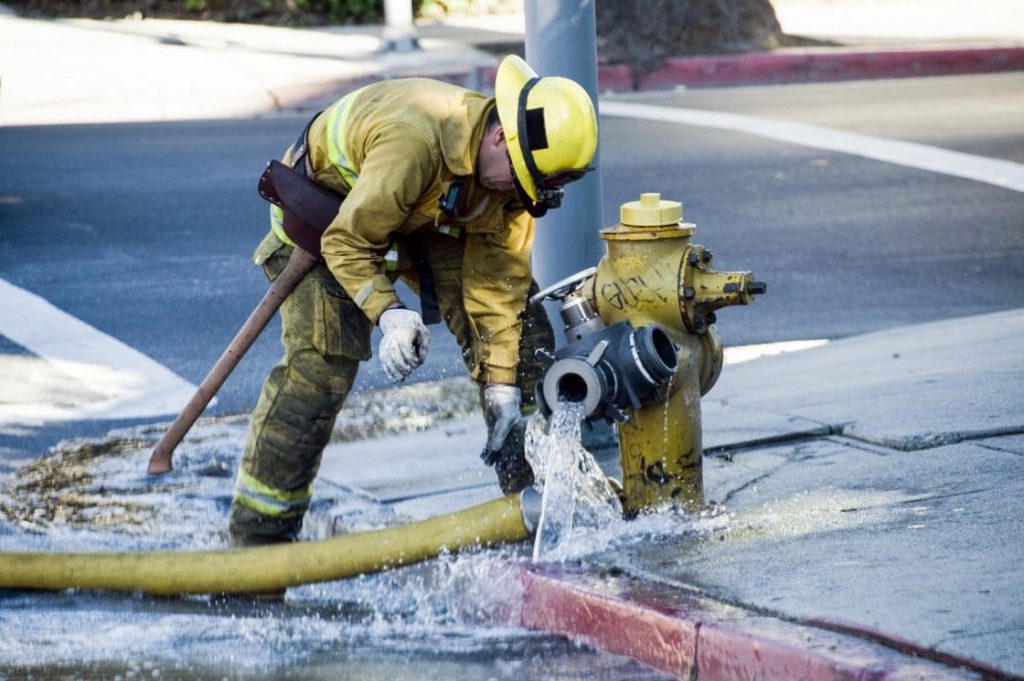
Chances are that at some point in early spring, you have noticed fire hydrants being flushed and releasing large amounts of water into the streets. While it may appear that hundreds of gallons are going to waste, there are actually several benefits to this hydrant flushing process. Water main flushing is an important preventative maintenance activity that:

  • verifies proper operation of the hydrant
  • evaluates the available flow to the hydrant
  • allows utilities to deliver the highest quality water possible to their customers
  • removes mineral and sediment build up from the water mains
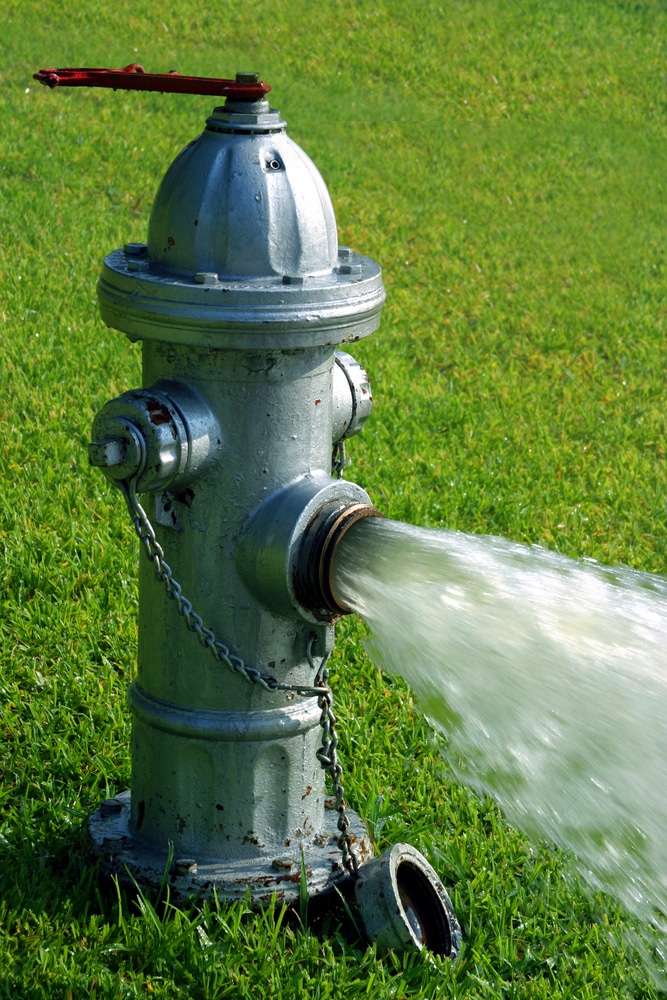
fire hydrant flushing water

Proper Operation of the Hydrant

According to the Massachusetts Department of Environmental Protection (MassDEP), the process of water main flushing is one of the most critical practices carried out by public drinking water systems. This practice allows water operators to identify broken or inoperable valves and hydrants to assure that they are working at their maximum potential.

Fire & Emergency Needs

During the flushing of a hydrant, operators can assess the water pressure and available flow rate for firefighting purposes. It’s imperative that each hydrant is operating as firefighters rely on them for fire-ground operations.

firefighter attaching hose to hydrant

High-Quality Water

Over time, water settles, ages, and is affected by biofilm (a thin layer of microorganisms) that grows on the inside of the distribution piping. Each of these factors affects the quality and taste of the water, so it is important to flush the water out of the mains and hydrants regularly. Flushing can remove water from areas of the distribution system that have low water use, since the older water may no longer have the desired chorine residual.

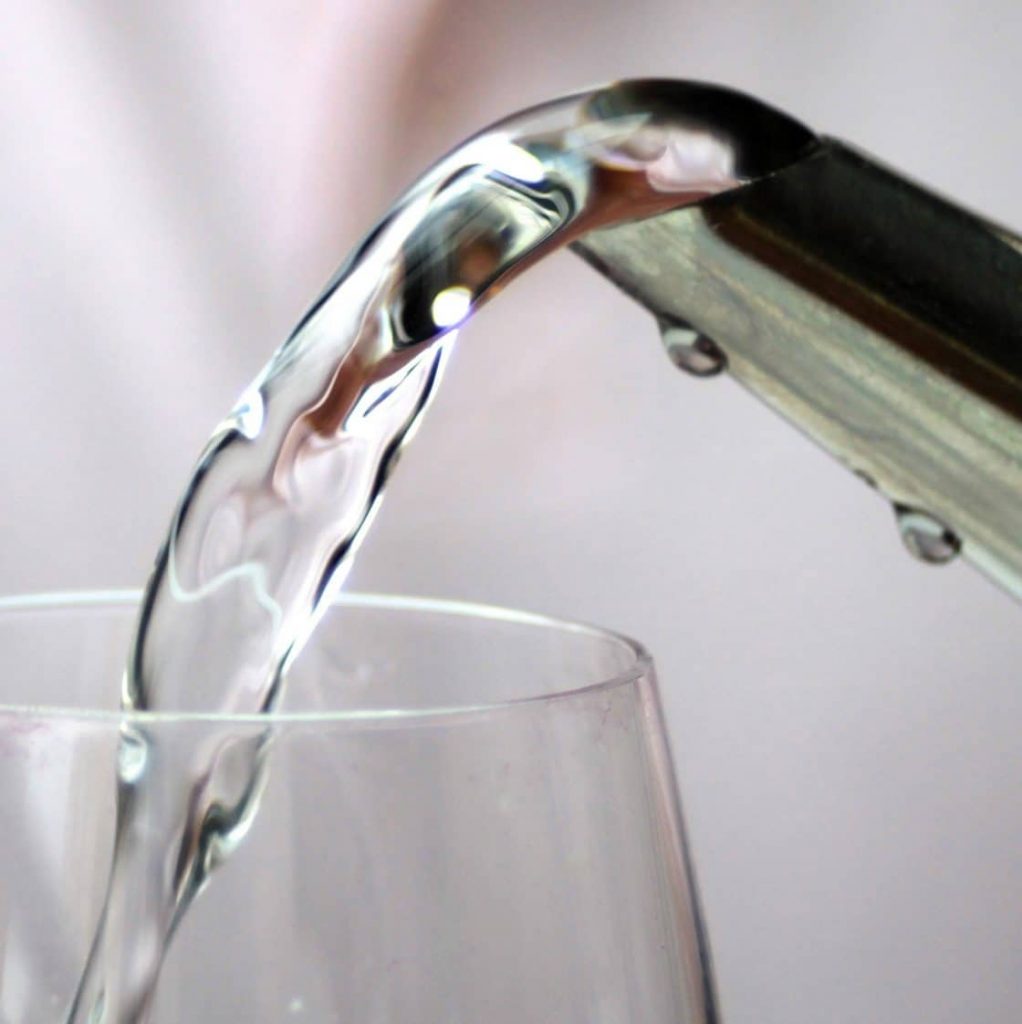
water coming from faucet

Mineral and Sediment Build Up

Throughout the course of several months or a year, loose sediment and mineral deposits may slowly build up inside of the water mains resulting in discolored water and reduced capacity. Flushing the water mains can remove the sediment and mineral build up, and improve the color, odor and taste of the water if it has been problematic.  Unidirectional flushing at the minimum required velocity will improve the carrying capacity of the mains.

Questions?

Now that we’ve discussed the benefits of flushing our water mains and hydrants, you may have some questions about the process and how it will affect your day-to-day life. We’re here to help!

When will a hydrant near me be flushed?

Hydrant flushing normally takes place at the start of spring. Your Pubic Water Supplier (PWS) should notify you of what streets will be undergoing flushing and when.

What can I do to prepare for flushing?

Prior to local hydrants being flushed, you may want to obtain water (in pitchers prior to flushing) for your everyday use including drinking, cooking, etc.

When the flushing is taking place, water quality may temporarily be reduced. Using water for tasks such as dishwashing, laundry, or showering may result in the discoloration/staining of your clothes or household items. Plan ahead and be sure your laundry and dishes are done before the flushing process begins!

How does water main flushing work?

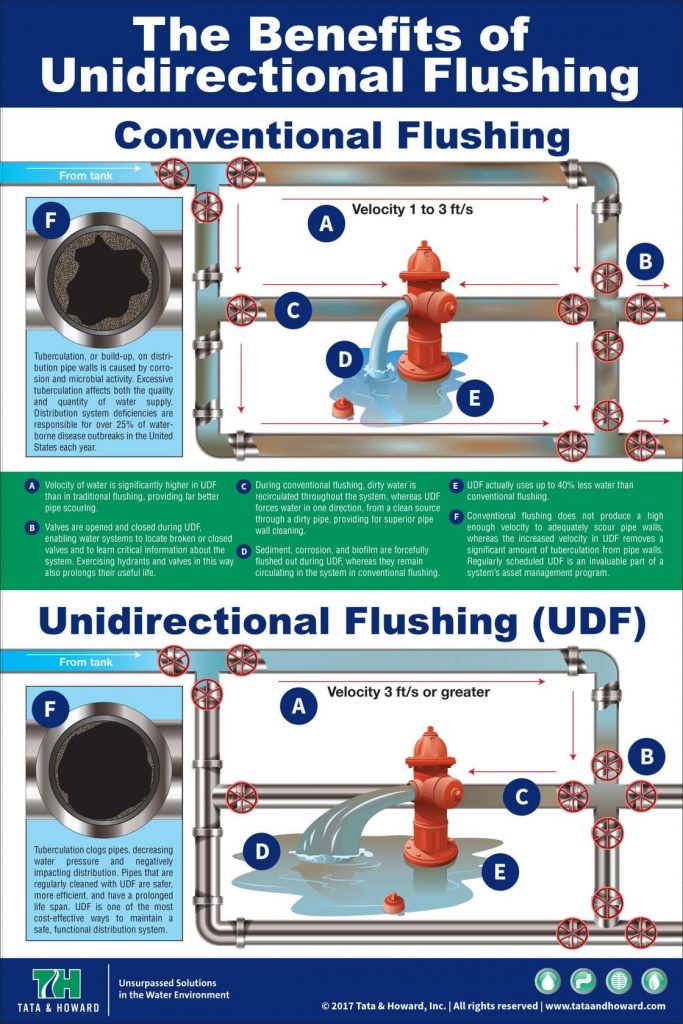
Water main flushing usually takes place in one of two ways – conventional flushing or unidirectional flushing (UDF). WATER Finance & Management does a good job describing the difference between the two methods. In conventional flushing, hydrants are opened in different targeted areas and discharge water until accumulations are removed and water runs clear. While easy to conduct by water operators and crews, this method requires a lot of water, and may not always clean the pipe completely. With UDF, each pipeline is isolated to create flow in a single direction and quickly clean the pipe. By concentrating the flow, UDF creates higher velocities to clear the pipes and requires less water.

Learn more about the benefits of unidirectional flushing in our infographic here.

UDF-infographic

How will flushing affect my water?

During the process, you might experience a difference in the water pressure in your faucets as well as some discoloration in the water.

How long does it take to flush the hydrant?

Typically, this process takes between 30 and 60 minutes.

When will my water be back to normal?

Once the hydrants in your area have completed their flushing, it won’t be long until your water is ready for normal use again. In most cases, water should run clear with just a few minutes of faucet flow. Turn your faucets on cold and let the water run for 5 minutes or so. If you are still seeing discolored water or sediments in the water, continue running cold water on all your faucets until it is clear. Should your water still be discolored after several hours, please contact your water supplier.

Is water main/hydrant flushing a waste of water?

Although you will see water flowing for up to an hour, rest assured that most of the water that was flushed will return to a river, stream, or aquifer.  Flushing is a necessary process to help keep our water mains clean and clear of sediment, allowing your public water supplier to provide excellent water quality, and increased pressure and flow.

For more information and tips like this, be sure to subscribe to our newsletter!


6 Ways to Help Prevent Stormwater Pollution this Spring

You know what they say; April showers bring May flowers. While the start of spring and warmer days to come is certainly exciting, it’s important not to oversee what else comes with an increase in seasonal rain – stormwater pollution. Stormwater is water that comes from precipitation and snow/ice melt. The water either soaks into exposed soil or remains on top of impervious surfaces like pavement or rooftops. Most stormwater will eventually evaporate, but often times it will flow as runoff to another location. As the water runs it picks up pollutants along its path including debris, sediment, pesticides, fertilizers, pet waste and more. This polluted stormwater can cause soil erosion, stream impairment, flooding, fish and wildlife habitat loss, and reduced groundwater levels. Although stormwater pollution cannot be eliminated completely, you can do your part in preventing it. Check out these six ways to help prevent stormwater pollution this spring.

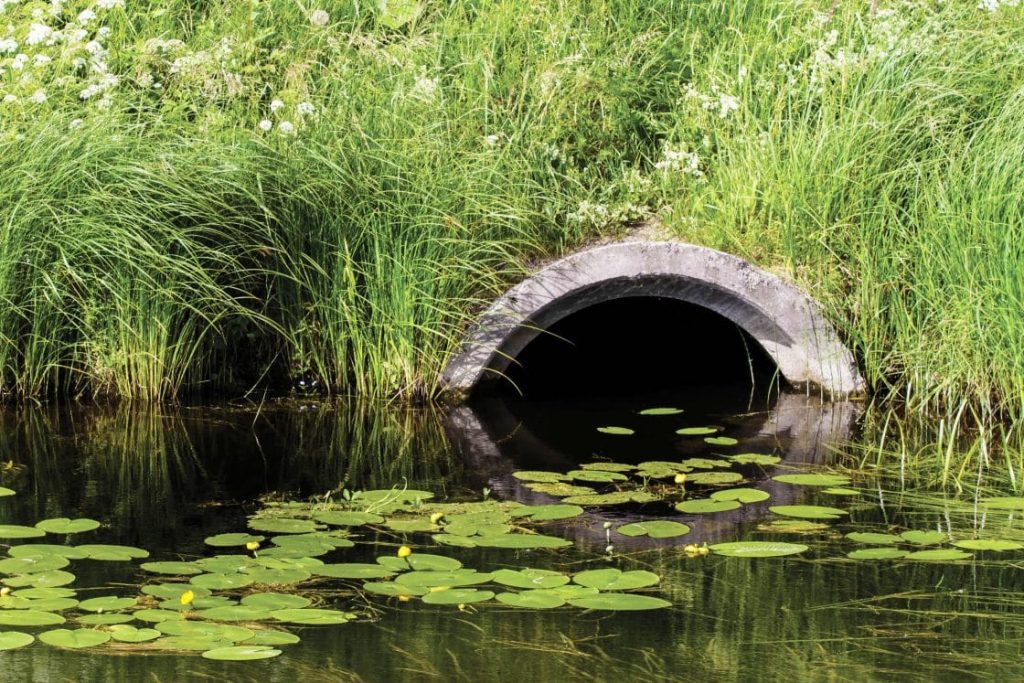
stormwater drain leading into creek

1. Only Rain Belongs in the Drain

As you start a spring cleanup in your yard, it’s important to remember that storm drains are not garbage disposals. Substances including leaves, yard waste, and other debris should be disposed of properly, and not released into neighborhood drains. Do your part to ensure that the only thing flowing into the storm drains are rain and snow/ice melt.

2. Use Lawn Chemicals Sparingly

With the arrival of warmer weather and outdoor summer fun on the horizon, now is the time when people start getting their lawns in tip-top shape. When it comes to fertilizer, remember that a little goes a long way. While a 20-pound bag of lawn fertilizer may seem small, do note that it will typically cover up to 4,000 square-feet of space (bigger than a tennis court). When spreading the fertilizer, use it sparingly to assure the excess does not overflow into runoff when rain comes. Choosing an organic fertilizer will also be less detrimental to the environment.

man fertilizing lawn

3. Avoid Over-Watering Your Lawn

While fresh, green grass is the end-goal for most yards come springtime, be sure not to over-water your lawn. In addition to the risk of fertilizer flowing over and out into the streets, it’s not good to have pools of water collecting in your grass. Avoid this by scheduling times each week to water your lawn, or by turning on sprinkler timers.

4. Wash Your Car Over Grass or Gravel

If you plan to wash your car at home, find an outdoor surface such as gravel, stone or grass to wash it on. Soapy water and grime will have an easier time neutralizing if it is filtered out before it reaches our streams and creeks. Try using a non-toxic or biodegradable soap as well to allow fewer chemicals to get into the water. An even safer alternative would be heading over to your local car wash where they will have a system in place for recycling or removing wastewater.

kids washing car at home

5. Pick Up Pet Waste

Although this sounds like a given, there are still many folks who do not pick up their pet’s waste. Pick up, bag, and dispose of pet waste properly to assure that unhealthy bacteria is not flowing into local waterways.

6. Plant Low-Maintenance Grasses and Plants

When it comes time to choose either grass seeds for your lawn or decorative plants, go with a low-maintenance, native (ones that occur naturally in a region in which they evolved) option. Because native plants adapt to local environmental conditions, they require far less water and are a lot better for the environment. Curious about what types of native plants are in your area? Check out this Native Plants Database to find out!

Interested in learning more about eco-conscious stormwater management to avoid stormwater pollution? Check out our infographic here and keep these tips in mind as you get going on your spring activities.


Donald J. Tata Engineering Scholarship

Tata & Howard, Inc. is pleased to sponsor the Donald J. Tata Engineering Scholarship Award.

The Donald J. Tata Engineering Scholarship is a one-time scholarship of $1,000 awarded to a graduating Marlborough High School senior who has maintained an overall GPA of at least 3.0, excelled in math or science, and will be enrolled full-time at a college majoring in engineering.

About Donald J. Tata, P.E.

Don Tata co-founded Tata & Howard with Paul Howard in 1992, and he served as President until his passing. Under his leadership, Tata & Howard grew to a nearly 70-person firm with multiple offices in several states. In 2014, the firm converted to a 100% employee-owned company and embraced the positivity of ESOP culture. Don was instrumental in determining the firm’s core values of integrity, efficiency, client satisfaction, positive attitude, and teamwork, which the company has upheld. Don was also a true philanthropist and generously supported the many causes to which Tata & Howard donated, including Water For People, the Navajo Water Project, and the Jimmy Fund. While he dedicated much of his life to the firm he founded, Don always made time for his family and the various activities they enjoyed together.

Don earned his Bachelor of Science in Civil Engineering from Worcester Polytechnic Institute, Worcester, Massachusetts, and his Master of Science in Environmental Engineering from Northeastern University, Boston, Massachusetts. He held professional engineer licenses in Arizona, Connecticut, Massachusetts, New Hampshire, New York, Texas, and Vermont.  Don received the William H. McGuiness award from Massachusetts Water Works Association for his knowledge, contributions, and accomplishments in the water works industry as well as outstanding service to the Association.

Contact us to learn more or to apply.