During the spring, many municipalities focus on preparing their budgets, gearing up for Town Meetings, and planning for the upcoming year. During this time, it’s also important to focus on ways to improve your water system’s financial health, and a water audit is arguably the most cost-effective first step, providing an ROI in months rather than years. Conducting a water audit is an essential tool in not only ensuring the efficiency of your water infrastructure, but also in reducing unnecessary costs. The combination of technology such as Advanced Metering Infrastructure (AMI) and sound asset management practices makes now the perfect time of year to assess the state of your water system and plan for future upgrades.
Why Water Audits Matter
Spring is the perfect time for municipalities to evaluate their existing systems, including their water infrastructure. A thorough audit of your water system provides a comprehensive quantification of both consumption and losses within the distribution system and helps identify sources of lost water. Planning and budgeting for fixing these losses helps with resource management, operational performance, system integrity, and, of course, financial performance.
At Tata & Howard (T&H), we advocate for performing regular water audits. A water system audit looks at everything from the condition of water mains and service lines to the performance of the meters and billing system. When conducted alongside an asset management strategy, these audits give municipalities the information they need to make data-driven decisions about repairs and upgrades.
 The Cost of Leaks and Inefficiencies
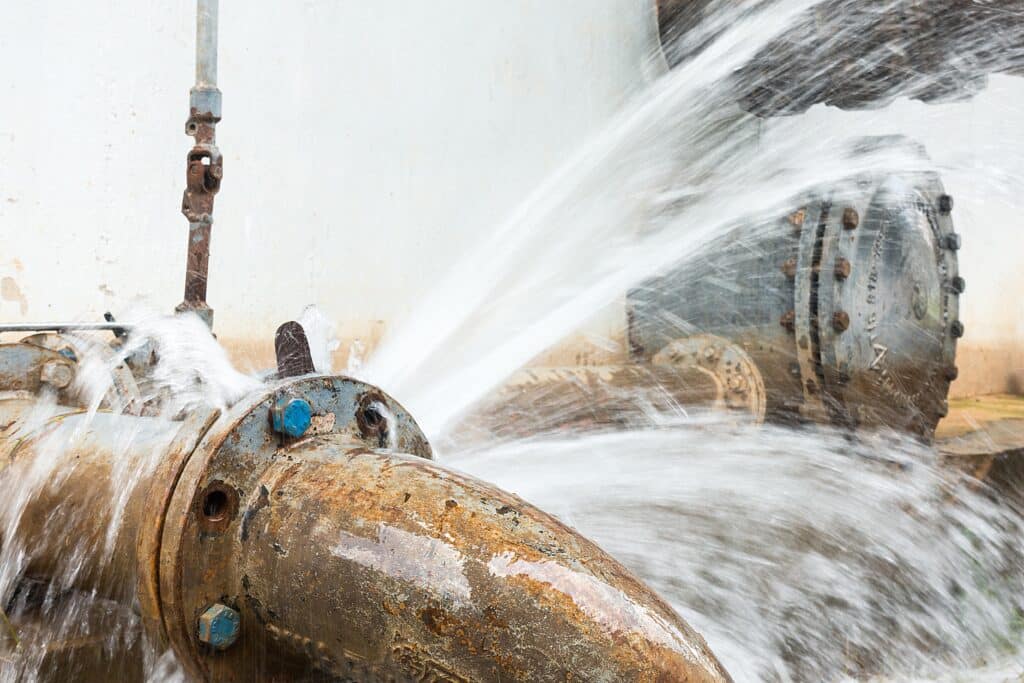
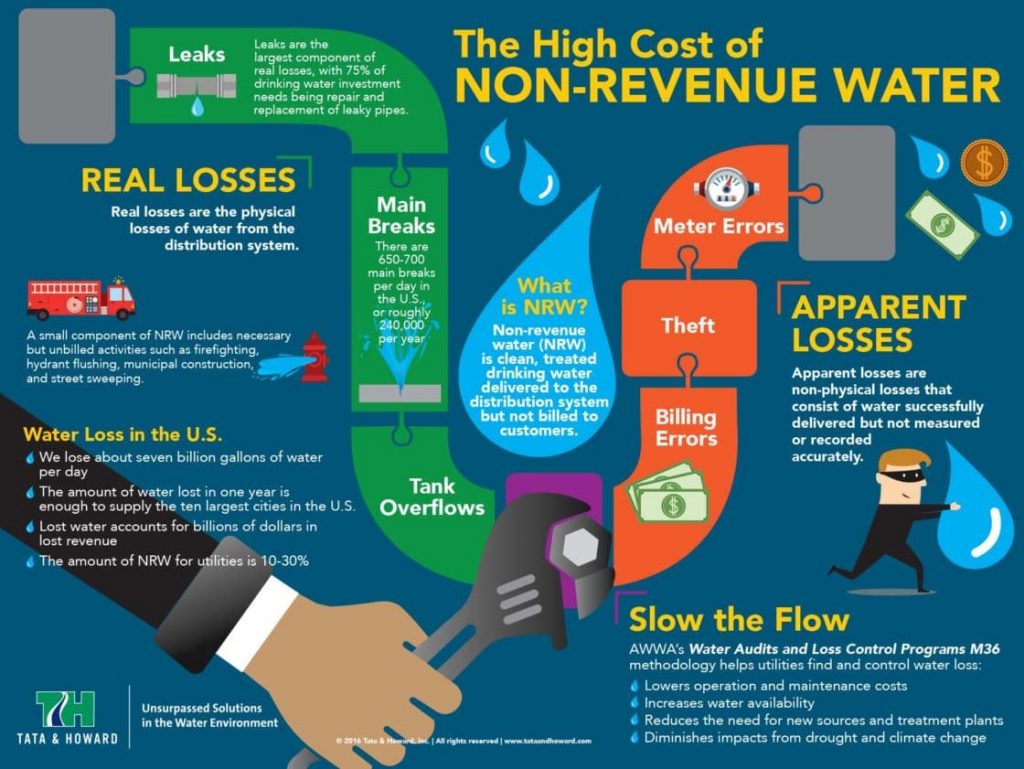
Leaks are a major problem for many municipalities and can be a significant hidden cost. According to the EPA, U.S. utilities lose an estimated 6 billion gallons of treated water every day due to leaks in the infrastructure. This means municipalities are wasting not only water but also the energy and costs associated with treating and distributing that water. A water system audit helps identify leaks early, saving money on both treatment and repair costs while ensuring that water is being used efficiently, naturally leading to conservation.
As an example, Tata & Howard, Inc. was retained by the Town of Wayland, MA to complete an AWWA M36 water audit of the water distribution system based on data and system information for a three-year period. The AWWA water audit results found that the Town’s cost of water lost during the three-year period was over a million dollars!
Leveraging AMI and Asset Management for Efficiency
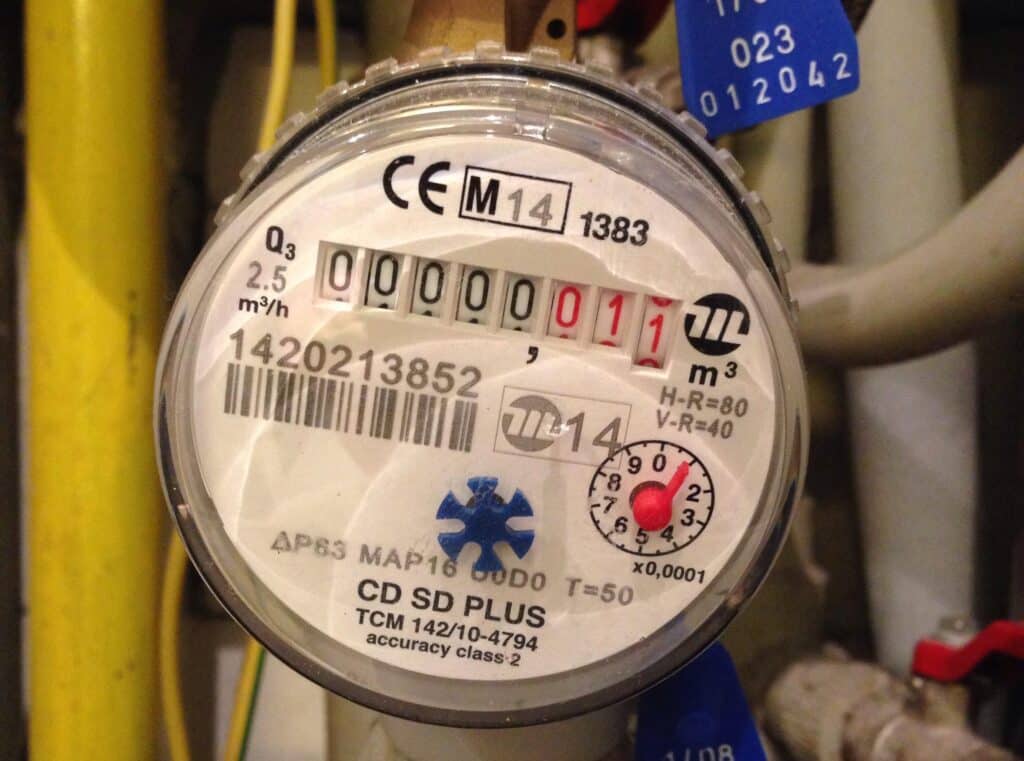
In addition to the Town of Wayland’s water loss and associated costs, the water audit found 64% of the Town’s meters were over 15 years old and not providing accurate usage readings. To address the aging meters, Tata & Howard completed a water meter and AMI evaluation.
Modern technologies such as AMI can make water system audits more effective than ever. AMI allows municipalities to monitor water usage in real time, detecting leaks and inefficiencies before they turn into larger issues.
The Town of Wayland’s project included an evaluation of water meters, automatic meter reading (AMR) systems, and AMI systems for the Town of Wayland’s water distribution system in order to provide a recommendation for AMR/AMI technology to best suit the needs of the Town. AMI was found to be the most efficient and cost-effective solution.
Following the meter evaluation, we provided assistance with a request for proposal (RFP) for new water meters and AMI system, and we are currently assisting with the implementation of the AMI system and the installation of the water meters and RF endpoints for the Town.
Now that spring has (finally!) sprung, it is the ideal time to consider implementing AMI in your own municipality. Pairing AMI with a regular water system audit allows municipalities to proactively track their water usage, identify inefficiencies, and optimize water distribution.
 Funding Opportunities for Water System Improvements
Spring is also a great time to explore available funding programs to support water system improvements. With funding opportunities available, municipalities can address aging infrastructure and implement modern technologies without breaking the bank. It’s important to remember that conducting a water system audit is an investment in the future, one that can unlock new pathways for funding and ensure that your municipality’s water system remains reliable and efficient for years to come.
A Strategic Approach to Long-Term Water System Sustainability
With spring officially here and the demand of summer close on its heels, municipalities should be focusing on taking stock of their infrastructure and planning for the future. Proactive water audits allow municipalities to identify leaks, address inefficiencies, and make necessary upgrades, all while leveraging available funding opportunities. By incorporating technologies like AMI and strategic asset management practices, municipalities can ensure their water systems operate at peak efficiency, preventing costly repairs and improving overall reliability.
At T&H, we’re here to help municipalities navigate the complexities of water system audits, ensuring their infrastructure remains in optimal condition for the long term.
 Understanding Water Audits
 A Smart Investment
 Resource Conservation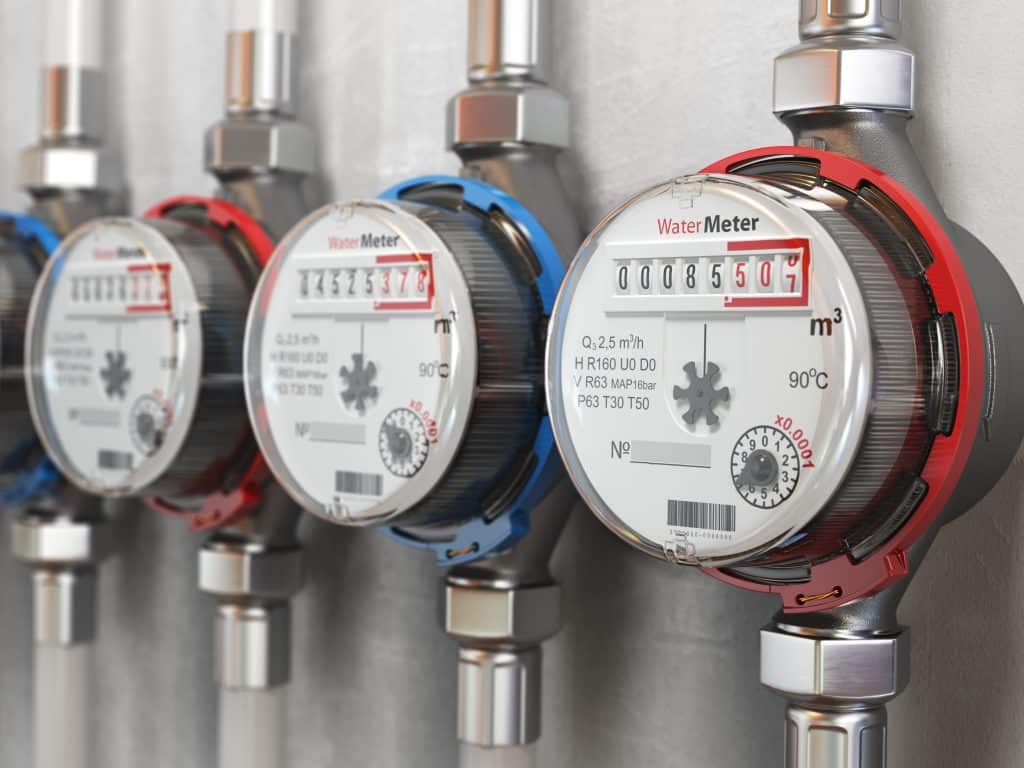

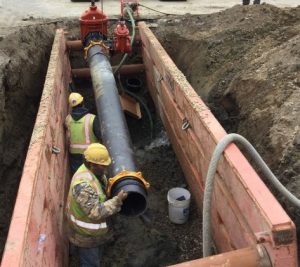 Financing for The Clean Water SRF Program helps municipalities with federal and state compliance water-quality requirements, focusing on stormwater and watershed management priorities, and green infrastructure. The Drinking Water SRF Program, provides low-interest loans to communities to improve their drinking water safety and water supply infrastructure.
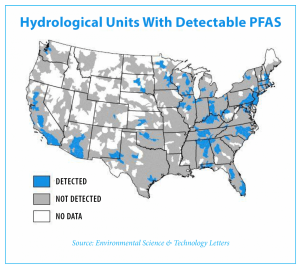 According the Environmental Protection Agency (EPA), all these UCMR 3 PFAS compounds have been detected in public water supplies across the US. Since PFAS are considered emerging contaminants, there are currently no established regulatory limits for levels in drinking water. However, in 2016, the EPA set Health Advisory levels (HA) of 0.07 micrograms per liter (µg/L) or 70 parts per trillion (ppt) for the combined concentrations of two PFAS compounds, PFOS and PFOA.
 The EPA also recommends that treatment be implemented for all five PFAS when one or more of these compounds are present.
 Most research on the effects of PFAS on human health is based on animal studies. And, although there is no conclusive evidence that PFAS cause cancer, animal studies have shown there are possible links. However, PFAS ill-health effects are associated with changes in thyroid, kidney and liver function, as well as affects to the immune system. These chemicals have also caused fetal development effects during pregnancy and low birth weights.
 Municipal water treatment and distribution requires an exorbitant amount of resources, wreaking havoc on the environment and on budgets. And it’s getting worse. Over the past several years, operating costs have consistently been on the rise, while municipal budgets continue to shrink. In addition, regulatory requirements are increasing, forcing municipalities to upgrade treatment processes ahead of schedule. These changes result in limited unsustainable systems and utilities scrambling to find ways to manage their insufficient operational budgets while maintaining levels of service. The good news is that low-cost initiatives exist that can provide quick and significant cost and environmental savings and increase system sustainability.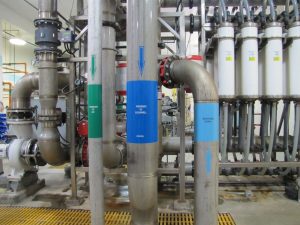
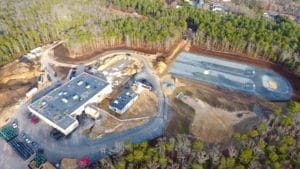
 Efficiency and sustainability are no longer considered luxuries for water systems. Rather, incorporating green initiatives into infrastructure design and operational standards has become crucial to the future sustainability of water systems. And while utilities today value cost-effectiveness over environmentalism due to the criticality of their budgets, there will likely be a shift in thinking as these systems ease the burden of their unsustainable operational costs through effective practices such as efficiency and water loss reduction.
 World Water Week is an annual event organized by the Stockholm International Water Institute (SIWI) that focuses on global water issues, and this year’s theme is “Water and Waste: Reduce and Reuse.” The main event takes place in Stockholm, Sweden where experts, innovators, stakeholders, and young professionals from various sectors around the globe will come together to share ideas, foster relationships, and develop innovative solutions to the world’s most urgent water-related problems. In 2016, over 3,300 individuals and over 330 organizations from 130 countries around the world participated in World Water Week, and the expectation is that 2017 will see at least those numbers. Through this year’s theme, World Water Week is focusing on two targets addressed by the Sustainable Development Goals (SDGs) of the UN’s 2030 Agenda for Sustainable Development including improving water quality and reducing waste by 2030 in order to help achieve sustainable development in a rapidly changing world.
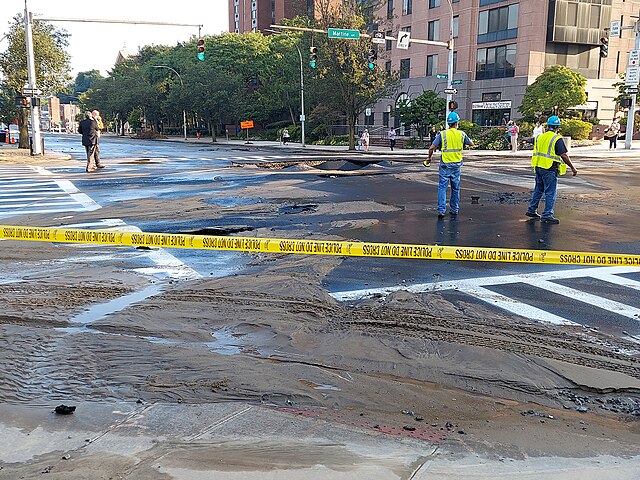
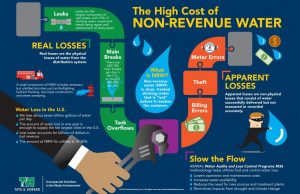 Communities lose millions of gallons of water
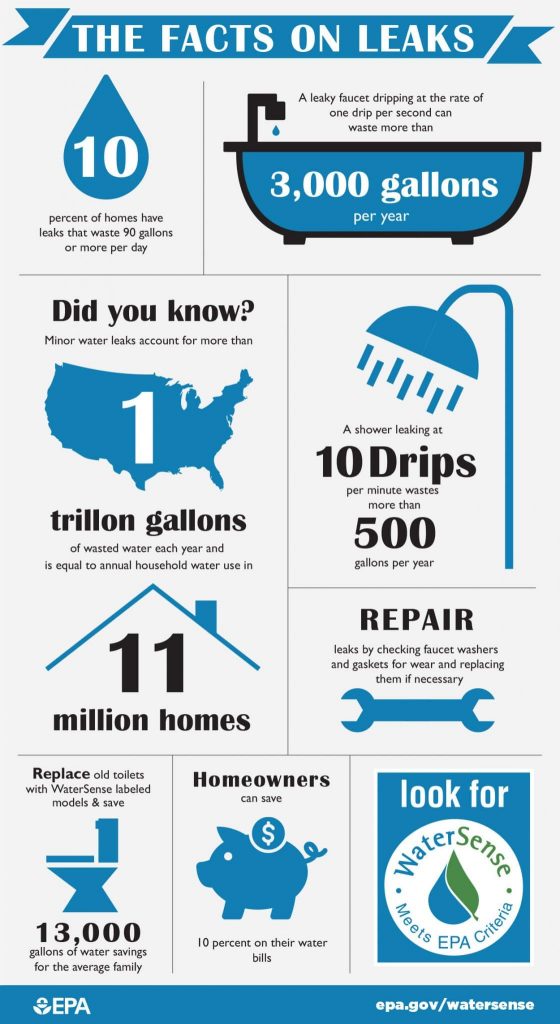
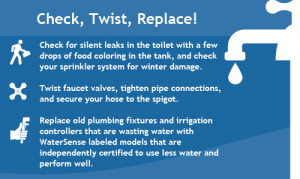 A good method to check for leaks is to examine your winter water usage. It’s likely that a family of four has a serious leak problem if its winter water use exceeds 12,000 gallons per month.
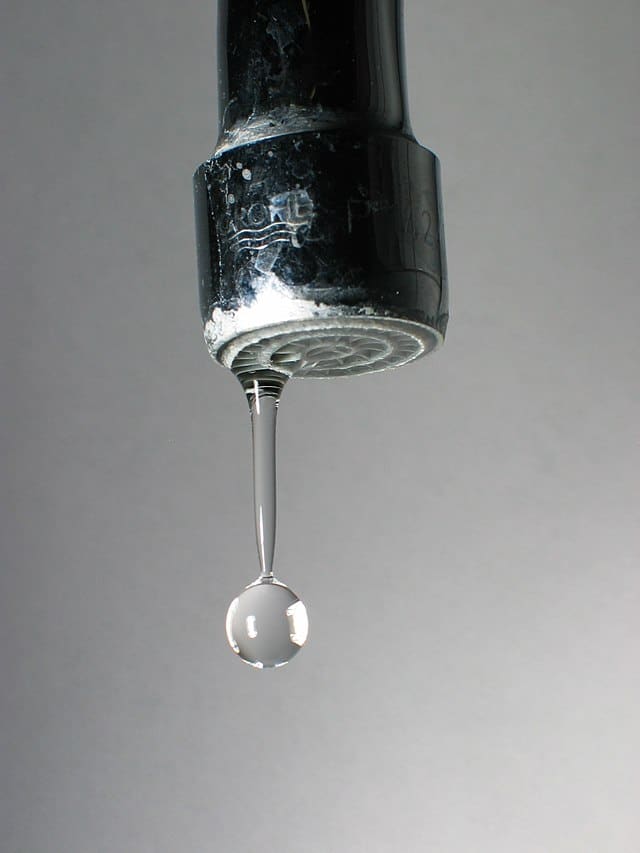
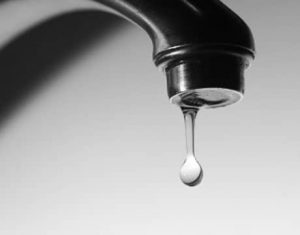 A leaky faucet that drips at the rate of one drip per second can waste more than 3,000 gallons per year. That’s the amount of water needed to take more than 180 showers!
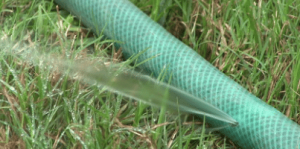 An irrigation system should be checked each spring before use to make sure it was not damaged by frost or freezing.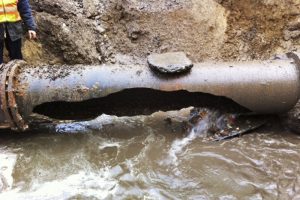
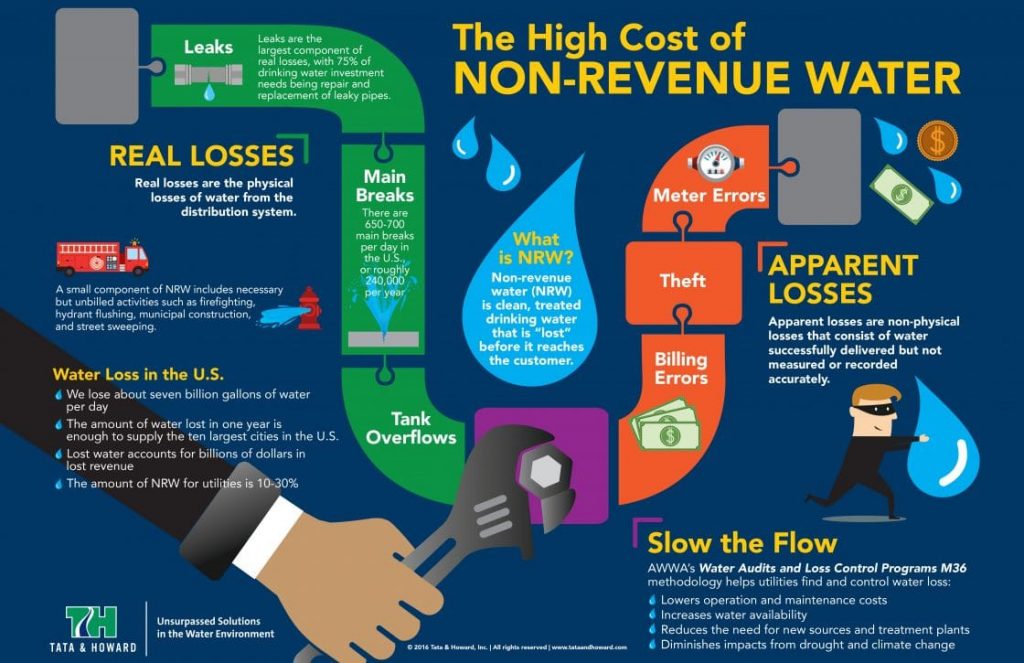 Feel free to share the above infographic (with attribution),
  Water systems today face a set of problems that are unique to this generation. While our nation’s buried infrastructure is crumbling beneath our feet as it reaches the end of its useful life, supplies are dwindling, budgets are shrinking, and federal and state funding is drying up. At the same time, regulatory requirements continue to increase as emerging contaminants are identified. Water systems often find themselves in the quandary of whether to upgrade treatment systems to comply with these new regulations or update assets that are long overdue for replacement or rehabilitation.
 In addition to addressing capital efficiency, water utilities of today must also address operational efficiency. Because water systems are required to do so much with so little, efficiency in all aspects of water system management is critical. Tata & Howard appreciates the unique set of challenges faced by water systems today, and we have experts on staff who understand the inner workings of a water utility – and how to improve them.
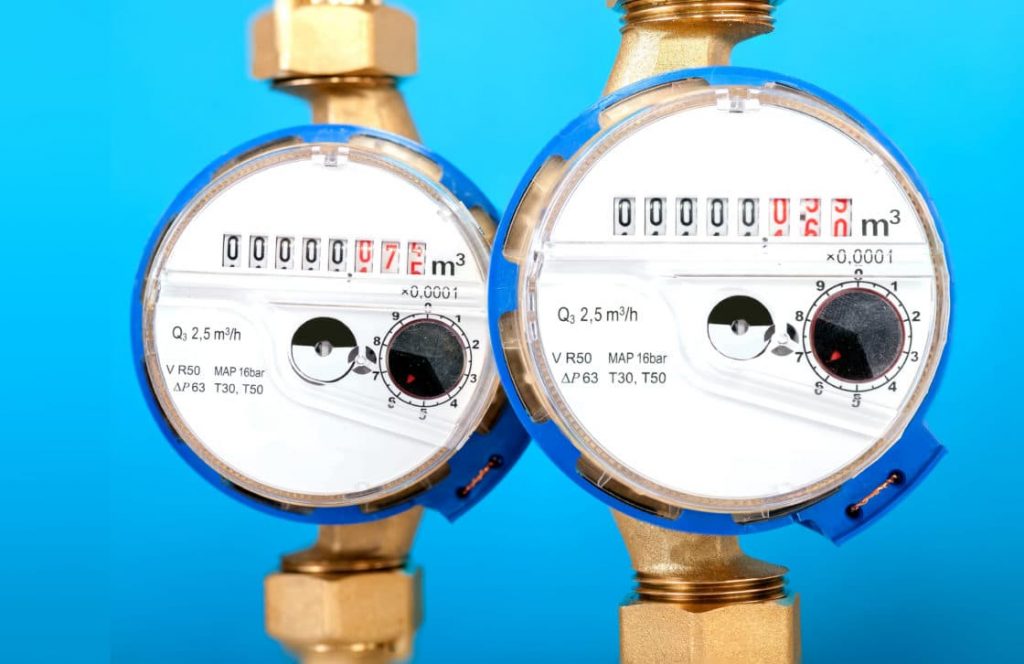 Besides improving operational and capital efficiency, water systems of today must reduce non-revenue water. Non-revenue water is treated drinking water that has been pumped but is lost before it ever reaches the customer, either through real losses such as leaks, or through apparent losses such as theft or metering issues. In the United States, water utilities lose about 20% of their supply to non-revenue water. Non-revenue water not only affects the financial health of water systems, but also contributes to our nation’s decreasing water supply. In fact, the amount of water “lost” over the course of a year is enough to supply the entire State of California for that same year. Therefore, the AWWA recommends that every water system conduct an annual water audit using M36: Water Audits and Loss Control methodology to accurately account for real and apparent losses.