
In 2026, waterwork utilities are facing unprecedented challenges in safeguarding our drinking water. Between emerging contaminants, evolving solutions, and limited federal action, it’s safe to say it’s uncharted territory. Contaminants that were once considered to be low priority risks are now commanding attention, shaping operational strategies, and challenging current treatment methods.
Among these, per- and polyfluoroalkyl substances (PFAS) and manganese stand out as two of the more pressing risks to our drinking water. However, they’re not the only contaminants that require our undivided attention. Tackling these contaminants requires understanding their unique properties, the risks they pose, and whether current treatment strategies are truly effective.
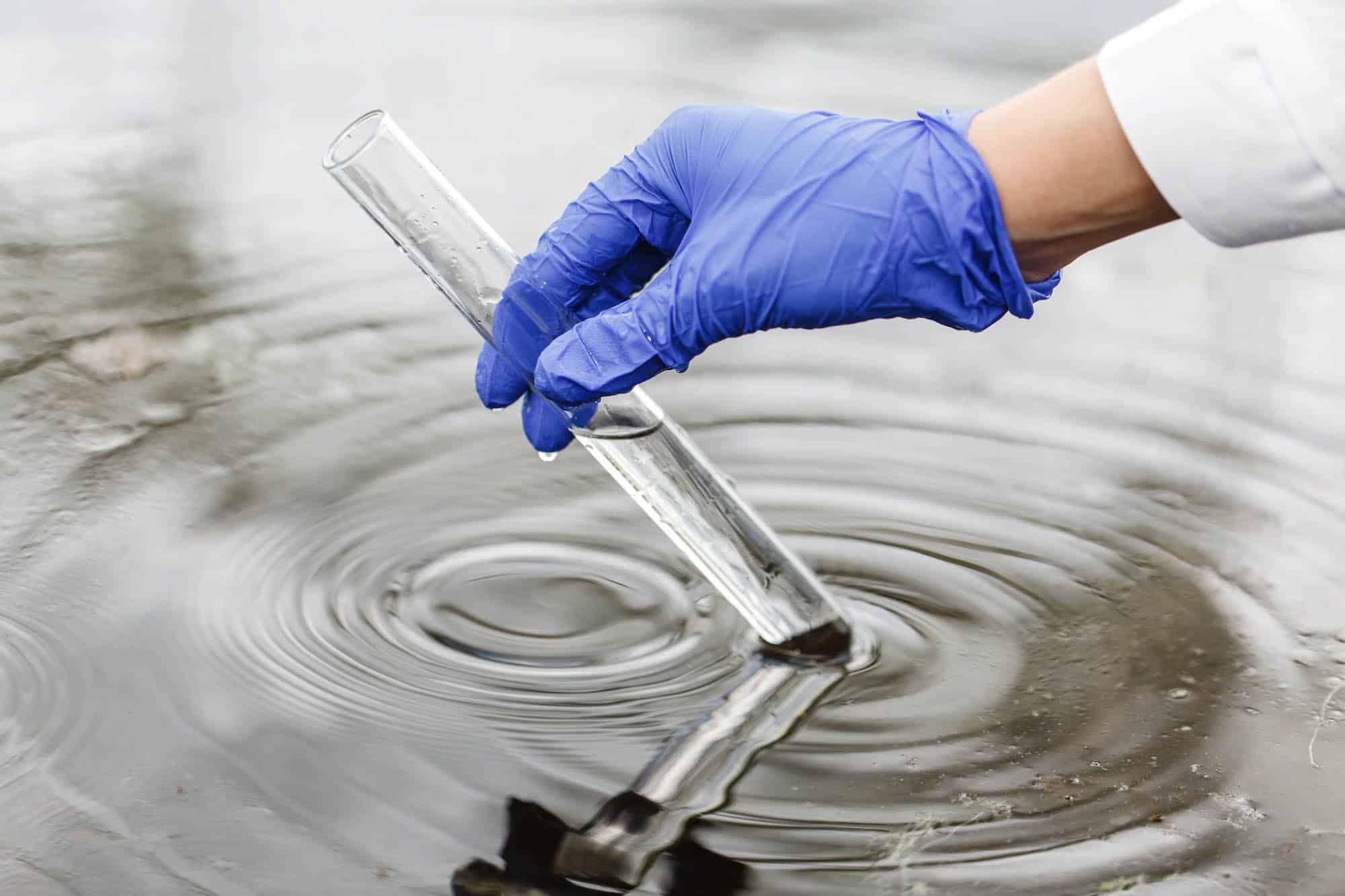
PFAS: The “Forever Chemicals”
PFAS are synthetic chemicals known for their strong carbon-fluorine bonds, making them heat, water, and oil resistant. While these qualities have made them popular in manufacturing, the characteristic that defines them best is persistence. Often referred to as “forever chemicals,” PFAS are not easy to break down and can accumulate in water sources and the human body over time. Despite being used for more than 80 years, PFAS are still classified as “emerging contaminants,”a term that feels misleading given their long history and lack of federal regulations on allowable limits.
In 2024, the Environmental Protection Agency (EPA) led the charge on critical treatment methods and finalized the first national drinking water standards for six PFAS compounds under the Safe Drinking Water Act. While the new regulations significantly lowered the allowable concentrations for PFAS in our drinking water — and ultimately reduced exposure and deaths — it required many utilities to implement new processes.
For utilities, the challenge is not simply compliance. PFAS exist in complex chemical cocktails, vary by water source, and require specialized treatment processes. Effective treatment relies on a combination of advanced technologies, such as activated carbon filtration, ion exchange or novel media, as well as vigorous monitoring and reporting systems and extensive regulatory frameworks to get the job done.
When treating PFAS, our team evaluates water chemistry, projected regulatory thresholds, and long-term disposal considerations before recommending any solutions. Pilot testing plays a central role, allowing systems to be optimized under real-world conditions prior to any full-scale implementation. More information on how our PFAS treatment strategies have helped our local communities can be found in the following projects:
Manganese: From Aesthetic Issue to Health Concern
Unlike PFAS, manganese is not man-made but rather a naturally occurring element found in soils and rock formations. For decades, manganese was thought to be mainly an aesthetic issue, often associated with black staining, metallic taste, and buildup in pipes and delivery systems. Once considered to be safe in low concentrations, it is now under increased scrutiny as awareness of potential health impacts, particularly for infants, brings a more urgent emphasis on treatment.
 While not regulated on a federal level, the EPA does list it as a secondary contaminant and recommends a limited exposure. For manganese treatment to be effective, it must be carefully selected based on a number of factors, including concentration and water chemistry. The most common and effective treatment is a two-step process of oxidation and filtration. Oxidants such as chlorine, potassium permanganate, or ozone are used to convert soluble manganese into an insoluble form, which can then be removed through filtration. Though seemingly straightforward, it requires extensive monitoring of oxidant dosages and overall effectiveness.
For manganese treatment, our team not only emphasizes extensive water quality assessments, but makes it our mission to ensure that the treatment upgrades address both compliance and safeguarding of water quality. By integrating modeling, monitoring, and operational planning, we help utilities implement solutions that are not only effective but sustainable. This level of commitment and expertise is represented in our previous work in the following communities:
Other Emerging Contaminants on the Horizon
Unfortunately, PFAS and manganese represent only a fraction of the emerging contaminants now being detected. Microplastics are now found worldwide, urging research into advanced filtration technologies. 1,4-dioxane, a groundwater solvent stabilizer, is immune to traditional adsorption (or activated carbon) methods, meaning advanced oxidation processes are required. To add, pharmaceuticals and personal care products are also being heavily scrutinized and studied, specifically when it comes to their impact by way of wastewater discharge.
Each of these contaminants carry not only unique chemical properties, but equally unique and complex treatment challenges. In 2026, utilities can no longer rely solely on decades-old treatment methods. Instead, they must adopt strategies and methods that are adaptable and supported by comprehensive data and validated by trial testing.
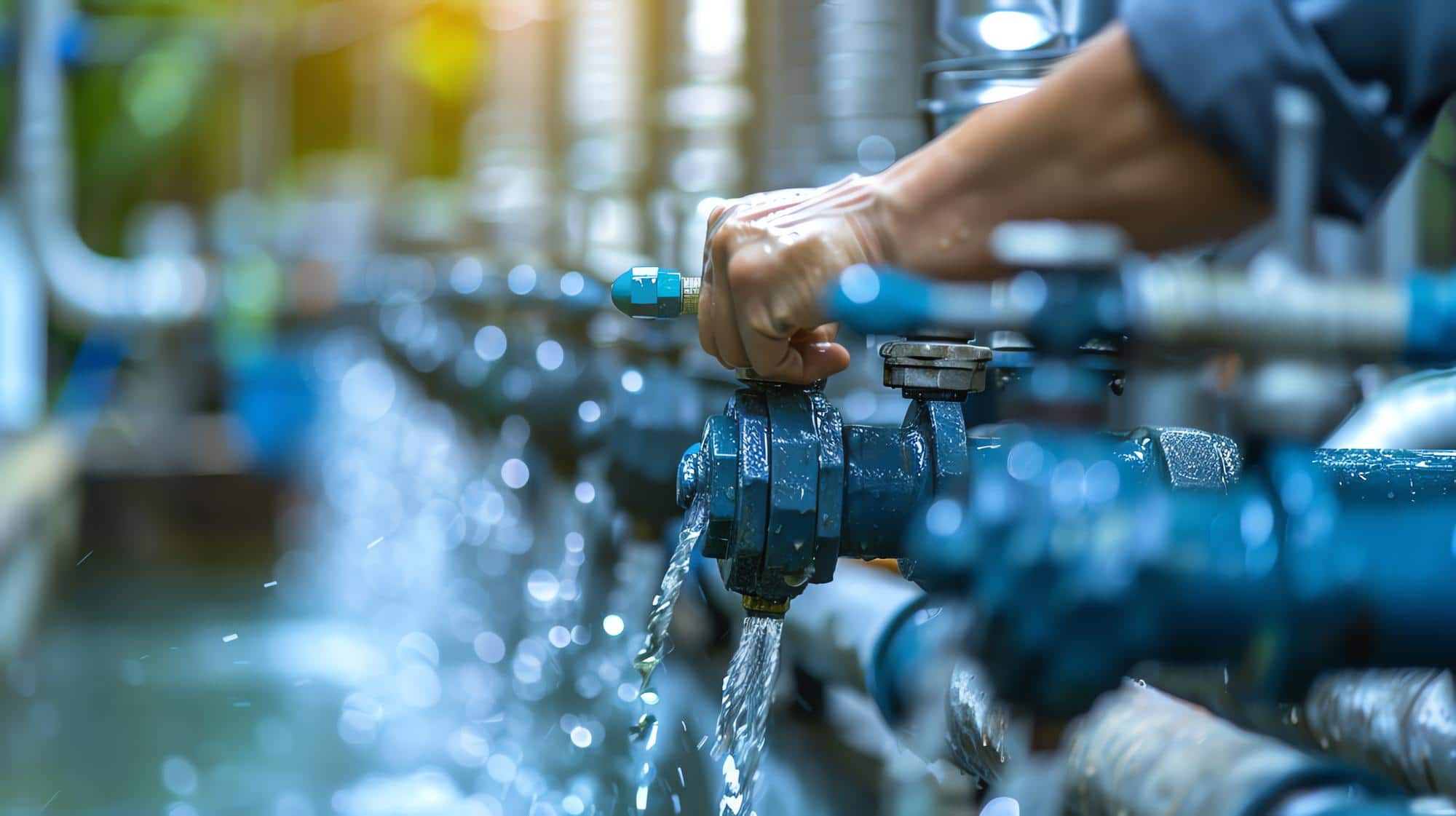
How T&H is Leading the Way
At Tata & Howard (T&H), we research and implement these advanced strategies for you. We stay at the forefront of this new era through extensive technical expertise and a practical, science-based, and utility-focused approach. We combine pilot testing, detailed water quality analysis, and full-scale design expertise to create treatment systems that are capable of effectively treating PFAS, manganese, and other emerging contaminants.
Beyond our projects, we contribute to industry dialogue by participating in conferences, building partnerships with regulatory and research partners, investing in data-driven decision making, and are always seeking out new innovations and technologies. This constant engagement with our industry ensures that we stay one step ahead of the curve when it comes to providing our clients with cutting edge solutions, helping them gain access to safe drinking water.
Contact us for assistance or questions about emerging contaminants or any other water quality or treatment issue. We are here to help!







 The most alarming news is the hottest temperature ever reliably recorded reached 124.3 degrees in Algeria this July.
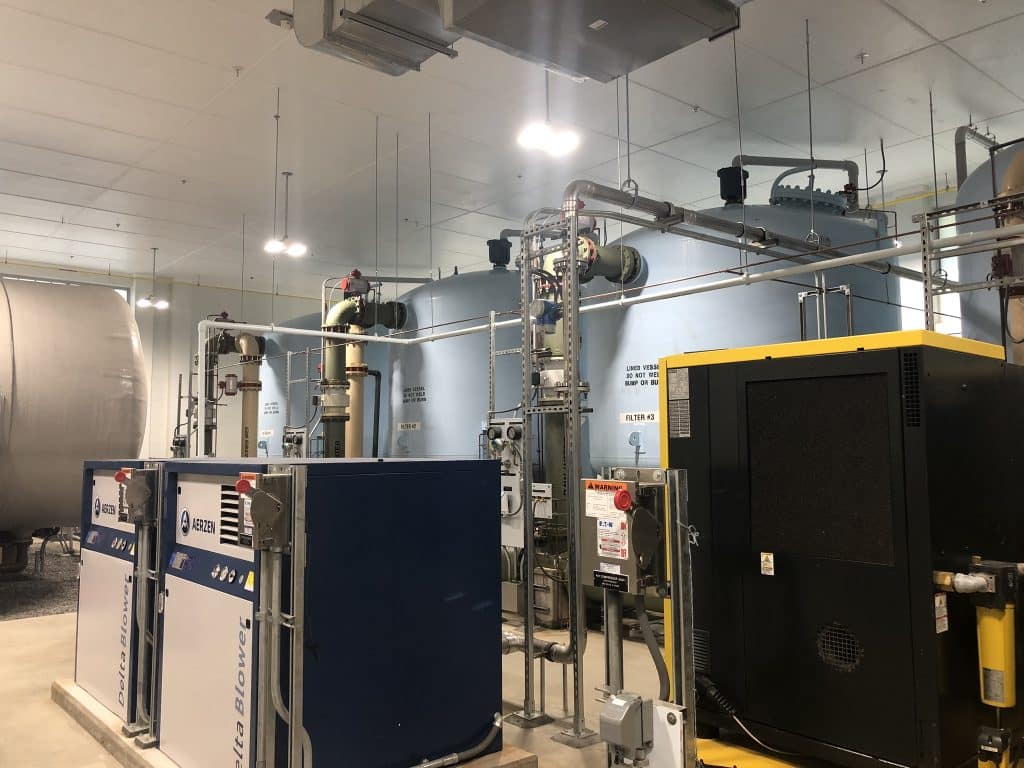
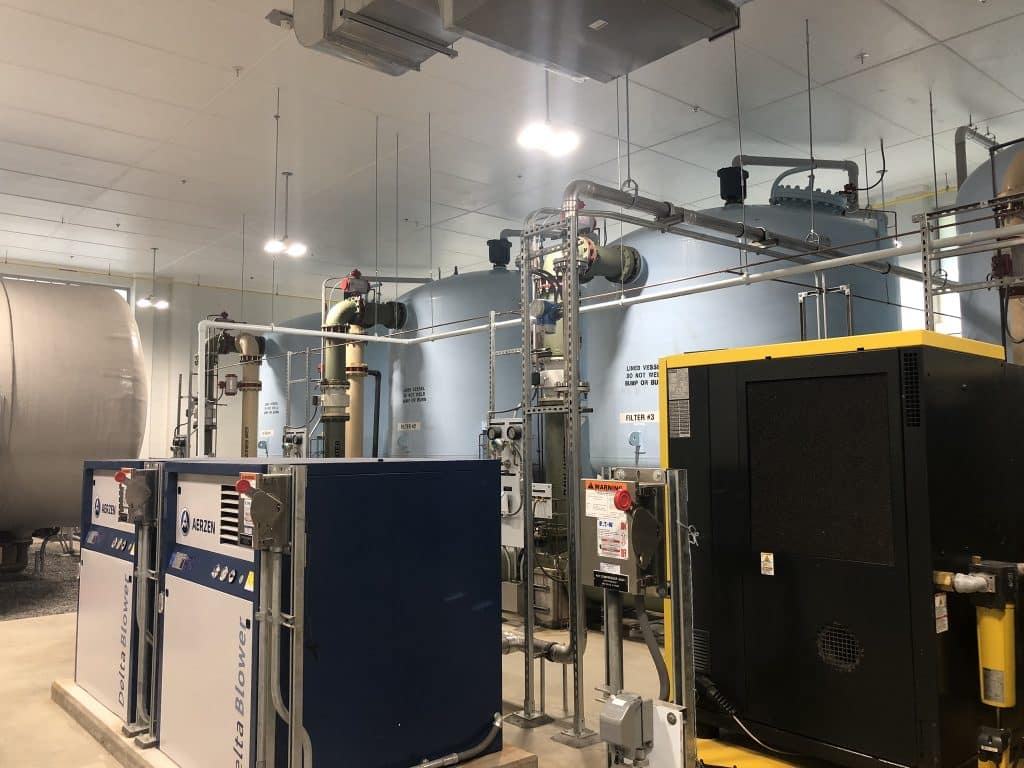
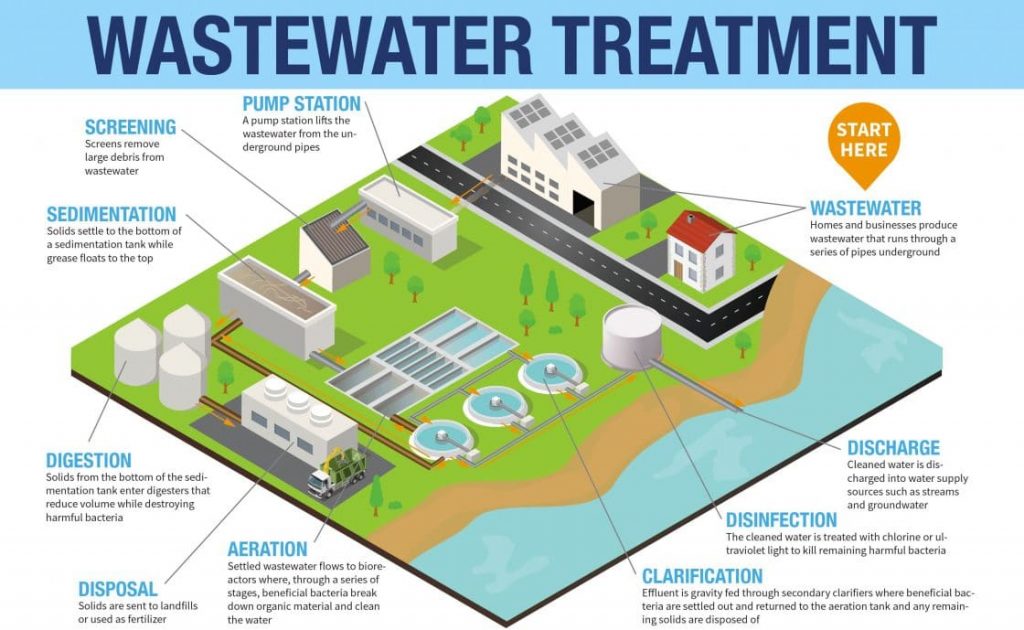
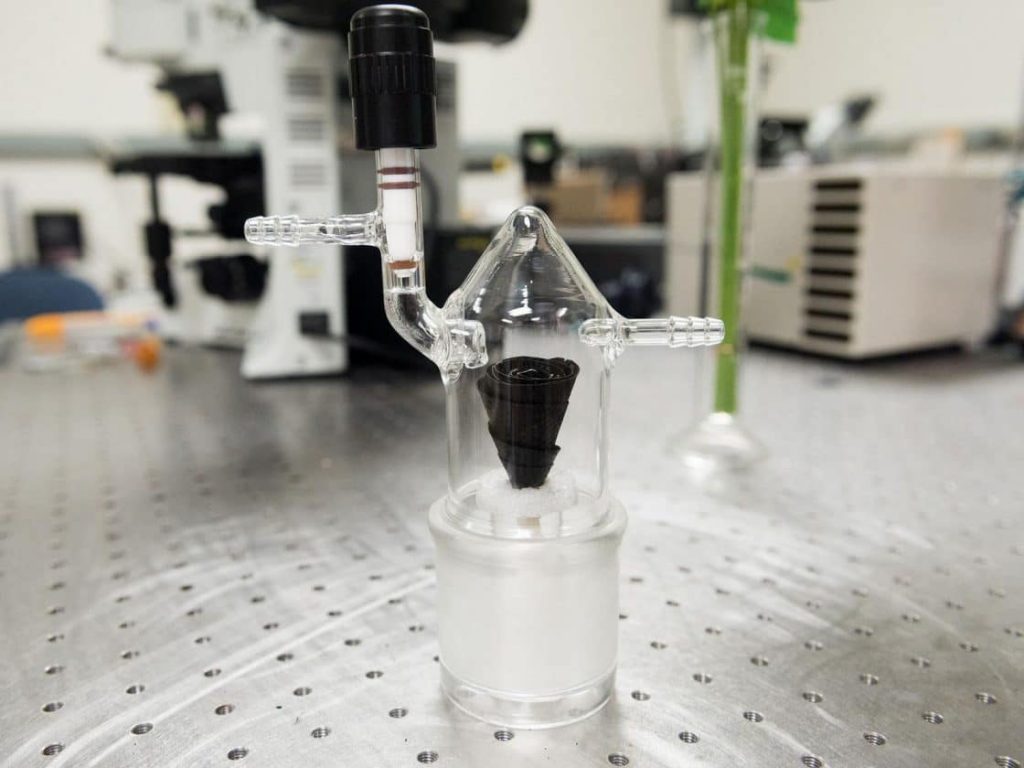
 Wastewater treatment plants that use aerobic bacteria must provide oxygen with huge and costly electrically powered blowers for these microorganisms to survive. Anaerobic bacteria treatment processes do not need oxygen and use considerably less energy, making the wastewater treatment process more economical to operate. In addition to saving money, engineers believe these anaerobes can filter household and industrial chemicals better than conventional treatment plants.


 When NASA recently announced the discovery of liquid water flowing under an ice cap on Mars, it opened the exciting possibility that life may exist outside our earthly abode. While it is conceivable scientists may eventually discover life somewhere in our galaxy, a reliable source of water outside earth is fundamental for the possibility of establishing a colony on Mars, exploring the universe and even visiting distant planets in search of life outside earth.
 But hauling tons of supplies and materials to the International Space Station (ISS) is inefficient and extremely expensive. Sustaining a crew of four astronauts on the ISS with water, power and other supplies, costs nearly one million dollars a day. Even with the reusable SpaceX rocket which regularly provides supplies to the ISS, it costs $2,500 per pound to launch into space. With four astronauts living on the ISS needing approximately 12 gallons of water a day, it is impractical to stock the ISS with the tons of water needed for long periods of time.
 If the idea of drinking reclaimed water from mice urine and other waste sources sounds unappetizing, consider this, the water the astronauts drink is often cleaner that what many earthlings drink. NASA regularly checks the water quality and it is monitored for bacteria, pollutants and proper pH (60 – 8.5).
 Recently, NASA invested in a new, lower cost solution to biologically recycle and reuse water developed by
  Pancopia is currently working on a similar system used on the ISS for municipal wastewater facilities. Using the technology developed for the Space Station, other areas in the world with limited access to clean drinking water, will soon be able to utilize this advanced water filtration and purification system.