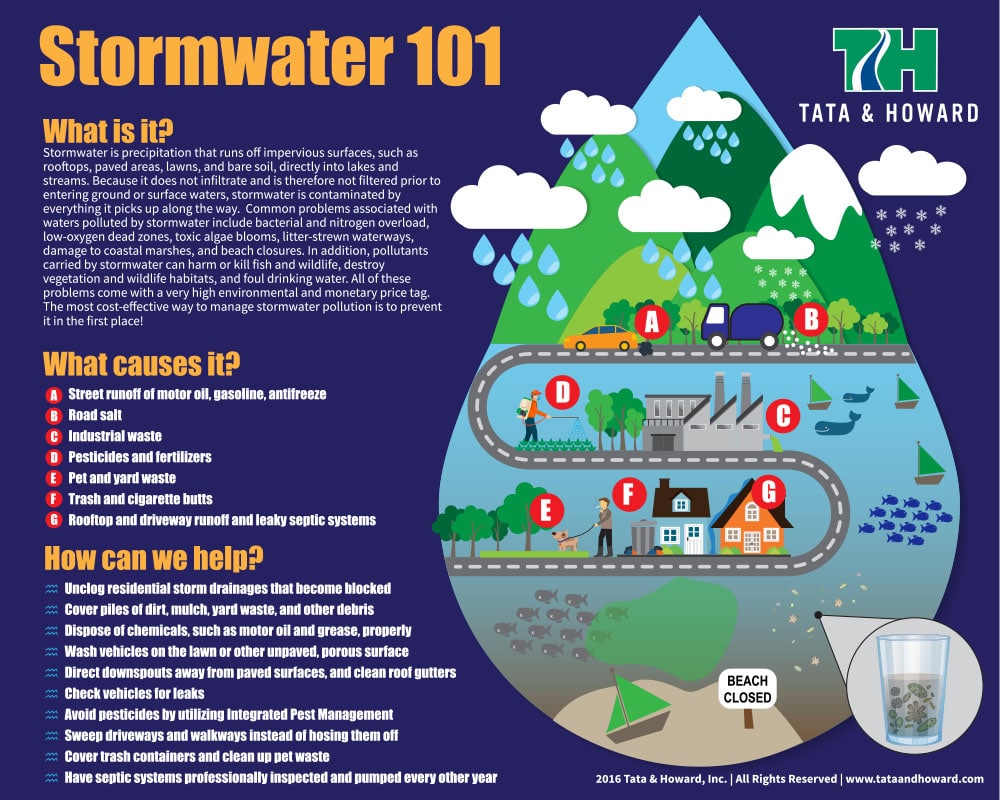
What is stormwater, what causes stormwater pollution, and how can we help prevent it? Take a look at our Stormwater 101 infographic! Please feel free to download, distribute, and print, with attribution. A high resolution PDF can be downloaded here.
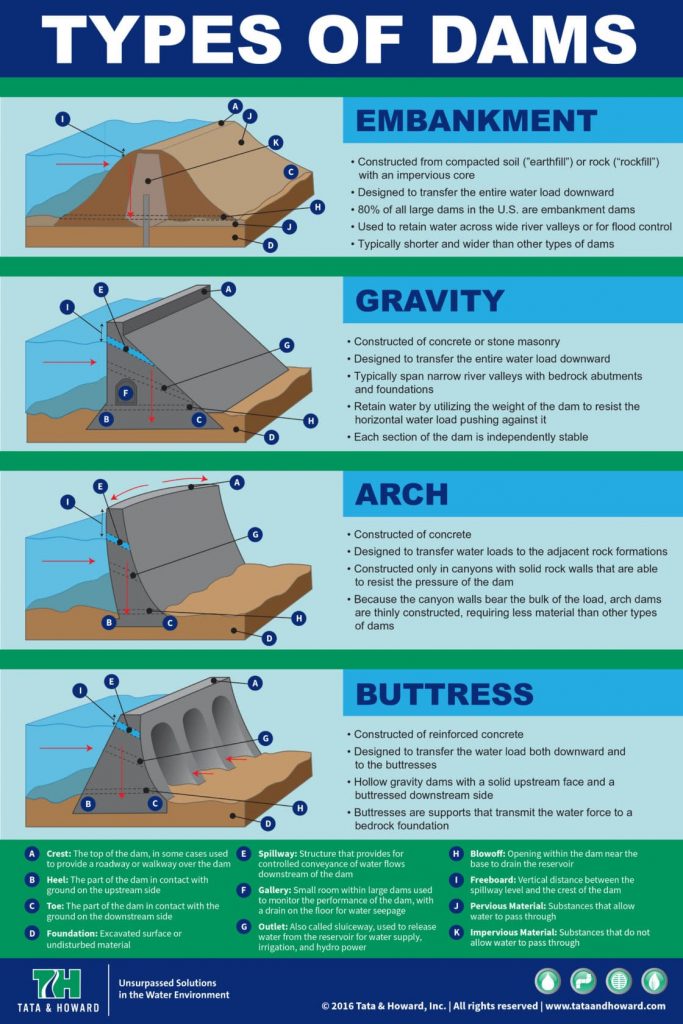
Halloween is just around the corner, and with it comes ghosts, goblins, and all things haunted – even dams. This year, we are taking a look at the four most haunted dams in the United States. Did we miss any? If so, let us know in the comments. Happy Halloween!
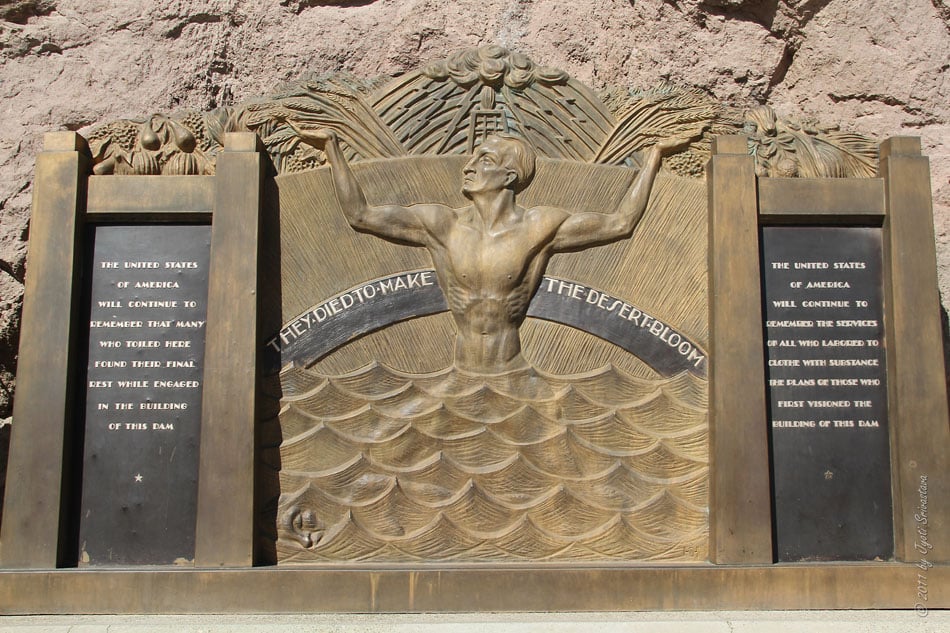
This memorial plaque, located on the Nevada side of the dam near the two winged figures, commemorates those who died during the construction of the Hoover Dam
Haunted Hoover
Arguably the most well-known dam on our list, the Hoover Dam has a long history of haunted happenings. Constructed on the Colorado River on the border between Nevada and Arizona during the Great Depression and one of the Seven Modern Engineering Wonders of the World, the Hoover Dam employed thousands of people at a time when it was needed most. It was not without its problems, however, as 112 workers lost their lives during its construction, although not from being entombed in the concrete during construction as promulgated by one popular urban legend. The deaths occurred in more typical ways such as falling, drowning, and being struck by equipment and debris. In addition to the 112 who perished from industrial accidents, 42 workers were said to have died from pneumonia; however, not a single non-worker in the area died from pneumonia during this time. Workers allege that the construction company made up the whole pneumonia story in order to avoid any lawsuits, as the workers had actually perished from carbon monoxide poisoning while operating vehicles inside the diversion tunnels. Considering that approximately four people per year commit suicide by jumping from the dam as well, it should come as little surprise that tales of spirits and hauntings at the dam are commonplace. There have been numerous reports of crying sounds and footsteps inside the facility, and apparitions of men wearing old-fashioned work clothes have been seen, although no photos have been captured.
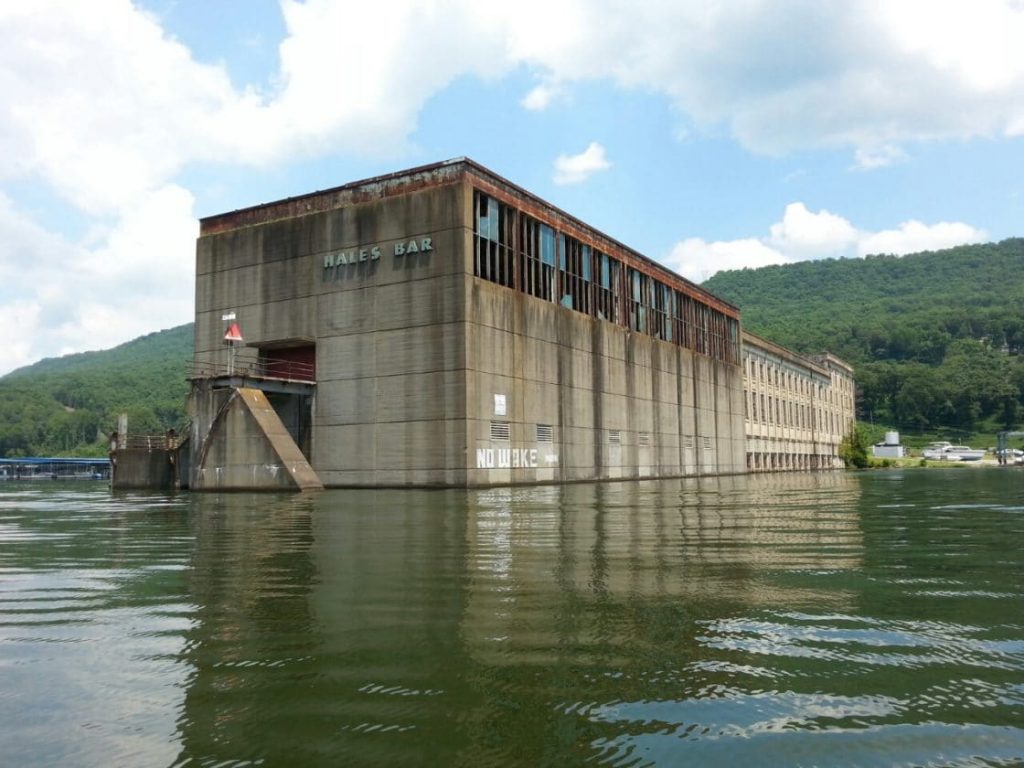
The Hales Bar Dam old hydroelectric plant is now used as a dry dock
Horrifying Hales Bar
Constructed from 1905-1913 primarily to hold back the whirlpools along the Tennessee River, the Hales Bar Dam in Tennessee was the nation’s first hydroelectric dam. Unfortunately, it was also built on cursed land. According to legend, Native American War Chief Dragging Canoe cursed the land on March 17, 1775 after the controversial Treaty of Sycamore Shoals was signed. He said that the land would be “dark and bloody” to any who attempted to live there. In addition, the waters surrounding the dam were considered sacred by Native Americans. In fact, Native Americans believed that they could see the souls of their ancestors being sucked into one of the largest whirlpools, nicknamed The Suck, and that any who were unfortunate enough to get too close to The Suck would be pulled down into the whirlpool by their dead ancestors. Like the Hoover Dam, legend also says that many workers fell to their deaths during the construction of the dam and were entombed in the concrete, but there are no actual historical accounts to corroborate the legend.
The construction of the dam encountered numerous issues, including soft bedrock and shale on which the dam was constructed; accidents, illnesses, racial tension, and deaths of workers; and even numerous leaks springing up immediately after construction was completed. Also, the town that the creation of the dam flooded contained the old town graveyard, and none of the bodies were disentombed. The Hales Bar Dam never functioned properly, and after a failure in the 1960s, the dam was demolished, flooding the area behind it, which included a cemetery filled with hundreds of graves of mostly children who had died during the 1918-1919 Spanish Flu epidemic. With such a strange history, it is no wonder that the Hales Bar Dam is considered a haunted hotspot. Visitors and employees have seen apparitions and shadows, have heard and seen footsteps that actually kicked up dust, and have heard children’s voices chanting and crying. Some unlucky visitors have even felt hands reach out and touch them from the whirlpool, while others have reported seeing a strange figure in the cat walk, believed to be the restless spirit of War Chief Dragging Canoe himself.
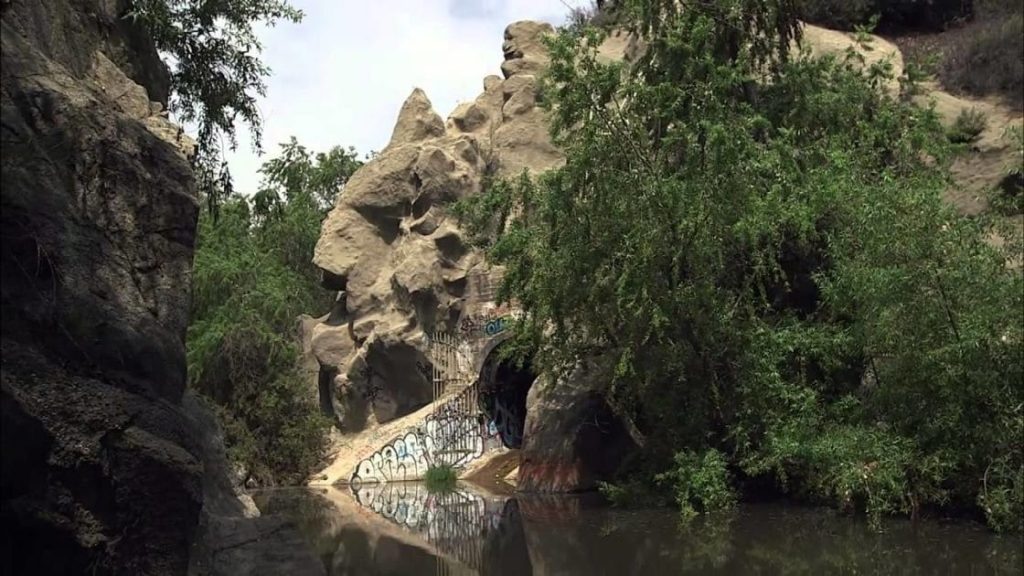
Devil’s Gate Dam
Daunting Devil’s Gate
Devil’s Gate Dam was constructed on the Arroyo Seco in Pasadena, California in 1920 as Los Angeles’ first flood control dam. Where the dam was built was a natural rock formation bearing resemblance to a side profile of a devil, hence the name. The gate, a steel structure that is part of the dam, is believed by some to be a portal to the spiritual world, with some going so far as to say it is one of the Seven Gates of Hell. The reasons for the theory are numerous. Jack Parsons, a rocket scientist who co-founded Jet Propulsion Laboratory, was a practicing occultist who believed the Devil’s Gate Dam to be a portal to the otherworld. He frequently practiced occult rituals, along with Scientology founder L. Ron Hubbard, which some say triggered the opening of the portal. They even went so far as to try to summon a “moonchild,” but were not-so-surprisingly unsuccessful. Furthering the superstition surrounding the dam was the disappearance of four children within a one-year period in the 1950s. Two of the children were never found, while serial killer and road construction worker Mack Ray Edwards confessed to killing the other two and of burying their bodies beneath the asphalt of a newly paved freeway. In addition, Devil’s Gate Dam is part of what is considered Pasadena’s haunted triangle, which includes the dam, the Colorado Street “Suicide” Bridge, and the Enchanted Forest/Cob Estate. The triangle is called Demon’s Gate, and is believed to be the driver of all spiritual activity in the region.
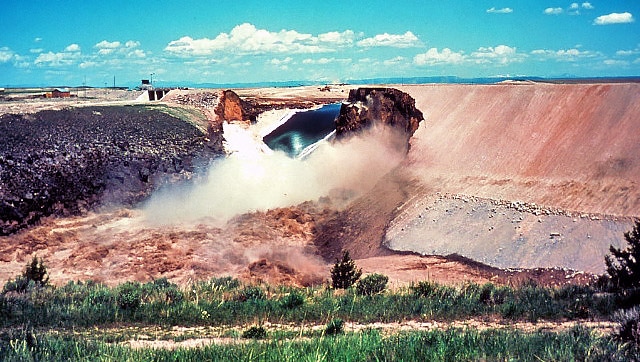
The Teton Dam failure
Terrifying Teton
Constructed on the Teton River in Idaho by the Bureau of Reclamation, the Teton Dam catastrophically failed on June 5, 1976 as it was filling for the very first time. Having only 40 minutes to warn residents prior to the dam’s collapse, 11 people and 13,000 cattle perished in the disaster. Also, thousands of homes and businesses were destroyed and damages were estimated to be about $2 billion. BJ’s Bayou Restaurant was once a hotel that was destroyed during the dam failure and never reopened. It was converted to a restaurant, bar, and residence in the 1980s, and is said to have been haunted ever since its opening. Visitors tell tales of seeing the ghosts of both a young girl and an older man in uniform, both of whom are believed to have been victims of the flood. In addition, the dam itself is said to be haunted by demons as a result of occult activities that took place there, with witnesses reporting having very strongly negative feelings when they are inside the spillway. There is good that came from the Teton Dam failure, however. The Bureau of Reclamation’s Dam Safety Program was instituted in 1978 as a direct result of the disaster. Less than a year later, the Federal Emergency Management Agency (FEMA) was created, and in 1986, dam safety was addressed in the Water Resources Act. FEMA’s National Dam Safety Program, passed in 1996, was the first national legislation to address dam safety, the purpose of which is to “reduce the risks to life and property from dam failure in the United States through the establishment and maintenance of an effective national dam safety program to bring together the expertise and resources of the Federal and non-Federal communities in achieving national dam safety hazard reduction.”
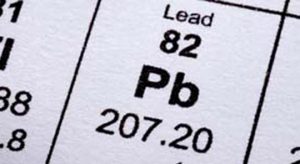
October 23-29 is National Lead Poisoning Prevention Week 2016. Established in 1999 by the U.S. Senate, National Lead Poisoning Prevention Week (NLPPW) occurs every year during the last week in October and is now supported by the U.S. Environmental Protection Agency (EPA), the Centers for Disease Control and Prevention (CDC), the U.S. Department of Health and Human Services (HHS), the U.S. Department of Housing and Urban Development (HUD), and the World Health Organization (WHO). This year’s NLPPW theme of “Lead-Free Kids for a Healthy Future” underscores the importance of protecting our future by educating the public about the dangers and sources of lead poisoning and what can be done to prevent it. While lead-based paint is arguably the most common and hazardous source of lead exposure for young children, lead-contaminated drinking water has recently come under heavy scrutiny as an additional and very serious source of lead poisoning.
Siddhartha Roy / FlintWaterStudy.org
Lead contamination in drinking water has long been a problem, but it is now receiving the attention it deserves as a direct result of the catastrophe that took place in Flint, Michigan earlier this year. When Flint switched its water supply from Detroit to the Flint River, proper corrosion control measures were not implemented. The river water corroded old lead pipes, leaching lead into the drinking water. As a result, it is estimated that six to twelve thousand Flint children have been exposed to high levels of lead in their drinking water. But they are not alone. In the United States, over 500,000 children have elevated lead levels in their blood, and it is estimated that between seven and ten million American homes still receive their drinking water from lead service lines. In addition, many homes constructed prior to 1986 also have lead in their faucets, fixtures, and solder.
While elevated lead levels in the blood stream cause health issues at any age, these problems are most significant in young children under the age of six whose brains are still developing. Some of the health concerns associated with lead exposure are as follows:
Decreased IQ
Slowed growth
Inability to pay attention, hyperactivity, and ADHD
Learning disabilities and developmental delay
Anemia
Tooth decay
Decreased bone and muscle growth and poor muscle condition
Damage to the nervous system, kidneys, and/or hearing
Speech and language problems
Lead in drinking water cannot be detected through taste or smell, and the only way to know for certain if your drinking water has elevated lead levels is to have your water professionally tested. Typically, lead pipes are found in homes that were built prior to 1986 and in older cities. Older homes with private wells are also at risk of having lead in drinking water. While complete removal of all lead service lines, pipes, faucets, and fixtures is the most effective way to bring lead to safe levels in drinking water, it can also be prohibitively expensive. Therefore, the EPA has recommended the following steps to reduce lead in your drinking water:
Call your water provider to learn about the lead levels in your system’s drinking water, and to find out if the pipe that connects your home to the water main (e.g. the service line) is made from lead.
Use only cold water for drinking, cooking, and making baby formula.
Remember, boiling water does not remove lead from water.
Run water for 30 seconds to two minutes before drinking it, especially if you have not used your water for a few hours.
Regularly clean your faucet’s screen (also known as an aerator).
If you use a filter certified to remove lead, don’t forget to read the directions to learn when to change the cartridge. Using a filter after it has expired can make it less effective at removing lead.
During NLPPW, many participating communities and organizations offer educational and awareness events as well as free blood tests. For information on NLPPW events, contact your local health department, which can be found here. While lead poisoning is a serious concern for everyone, young children are most at risk, which is why NLPPW 2016 is focusing on our nation’s children. Through public education, investing in infrastructure, and best practices, together we can ensure that our nation has “Lead Free Kids for a Healthy Future.”
Please feel free to print and share, with attribution, our Low Impact Development for Eco-Conscious Stormwater Management infographic. To download a high resolution pdf, please click here.
National Food Bank Week occurs annually during the week that contains October 16, which is World Food Day. World Food Day, first established in 1979, marks the formation of the Food and Agriculture Organization of the United Nations (FAO) on October 16, 1945. While World Food Day aims to bring global progress to food supplies and the impact of climate change, and has a lofty and noble goal of Zero Hunger by 2030, National Food Bank Week focuses more on the immediate need of those around us.
What is a Food Bank?
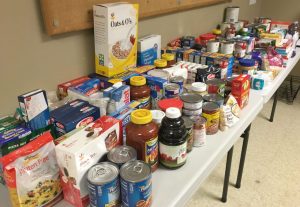
Tata & Howard holds an annual food drive during the holiday season. In 2015, T&H donated over 400 pounds of food to local food banks.
Food banks are non-profit organizations that collect multiple tons of food every year, which they then distribute to local food pantries and hunger relief charities. Food banks provide for collection and storage of food, but they do not typically distribute directly to those in need. Rather, they distribute to smaller agencies that have direct contact with those in need, but do not themselves have the means or the room for food collection.
Food banks collect food from a variety of sources. Grocery stores and wholesalers donate thousands of pounds of food that would otherwise be thrown away, and smaller organizations provide food and monetary donations through food drives, hunger walks, and other charitable measures. Food banks also accept food donated from individuals and families – the only caveat is that the food must not be expired.
Typically found in larger communities, food banks are almost fully reliant on volunteers and donors to help with day-to-day operations. Location has a huge impact on the functionality of each food bank, as more rural areas require smaller banks that distribute across larger distances, whereas large, urban areas require very large facilities to adequately support the serious need in those areas.
How Do Food Banks Work?
Food banks not only act as collection and distribution centers for food, they also serve as community leaders in assisting the diverse populations of those who are hungry. Food banks interact with elected officials and work towards legislation that supports hunger programs while also examining the contributing factors of poverty and hunger. Food banks then work to create and implement programs for clients, donors, and agencies that best respond to the local need.
There are myriad reasons why an individual is hungry. Job loss, medical crisis, low wages, and divorce are just a few of the reasons why a person or family may find themselves in need. And while the cause of hunger is of primary concern to food banks and how they best operate, answering the need should be the only concern of those of us fortunate enough to not be hungry.
How We Can Help
As part of an ongoing initiative to support a local high school, T&H implemented “Food for Thought” during National Food Bank Week in an effort to provide meals to hungry teens. Because these teens tend to lack household support, employee-owners are donating easily prepared meals so that needy teens have access to quick meals that they can prepare themselves.
Food banks are always in need of donations and volunteers. During the holiday season, food banks receive more donations than they do during the rest of the year, which allows them to provide for the significant amount of holiday hunger. However, it is important to note that hunger happens year-round, and that food donations are always gladly accepted. Bringing a few bags of healthy, non-perishable food to the local food bank during the spring, summer, and fall months is an easy and affordable way to make a positive impact in the local community.
One of the best ways to make a big impact with minimal effort is to hold a food drive at the office. When a large group of people comes together to donate food, the amount collected adds up quickly. To collect even more food, consider creating groups within the organization and having a contest to see which group brings in the most pounds of food or fills the most boxes. A little friendly competition not only brings in a significantly larger amount of food, but also brings employees together, creating a positive atmosphere of teamwork and philanthropy.
In Conclusion
National Food Bank Week is an excellent time to reflect on the serious amount of hunger around us, and to come together to help provide for those in need. It is also a perfect time to get to know your local food bank, and to find out what types of donations they most need and how to most effectively help. Whether donating food, volunteering time, or providing financial support, food banks welcome any help they are given, particularly as we approach the holiday season. To find a local food bank, please visit www.feedingamerica.org/find-your-local-foodbank.
Cape Cod is an iconic New England vacation spot with beautiful beaches, sunny skies, magnificent marshes…and a serious water problem. Cape Cod has experienced contaminated drinking water throughout its history, and problems continue to this day. Pharmaceuticals, consumer product chemicals, and other emerging contaminants can be found in many of the public drinking water wells on Cape Cod. The Cape has 560 miles of coastline, 1,000 kettle-hole ponds, and one sole source aquifer containing two major and four smaller lenses, all in jeopardy.
Other than Long Pond in Falmouth, all the drinking water on the Cape comes from the underground aquifer. Cape Cod has immensely permeable soil consisting of sand and gravel that make the Cape Cod Aquifer extremely susceptible to contamination. Unlike other parts of Massachusetts where groundwater may take a decade to travel a foot underground, groundwater on the Cape can travel a foot a day. In many parts of the Cape, the water table only sits ten feet or less below the surface, which means that whatever water lands on the ground could potentially contaminate water very quickly.
Septic Issues on the Cape
The most widespread problem facing Cape Cod’s water quality is septic discharge. Eighty-five percent of residents on the Cape use home septic systems to treat wastewater, and everything flushed down the toilet in these systems flows into a septic tank that is typically buried in the backyard. In the tank, solids settle to the bottom, while the liquids discharge into a leach field near the tank. This liquid then trickles down into the ground where, hopefully, it is diluted, filtered, and digested by microorganisms in the soil. It is important to note that these systems do not remove the emerging contaminants. While these systems typically function properly in rural areas, they tend to falter in more populous areas with high groundwater table. With Cape Cod’s population skyrocketing during summer months, coupled with highly permeable soil and a high water table, water contamination can be a huge issue.
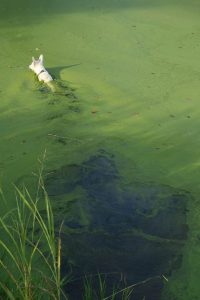
Besides the obvious human health risks associated with contaminated water from septic systems, the implications of contamination have taken a toll on Cape Cod’s economy and environment. The excess nitrogen and phosphorous in septic discharge, along with stormwater runoff, have created toxic algae blooms in many lakes and along the coastline. These blooms not only smell and look awful, they have caused mass die-offs of fish and are a threat to human health. The Cape has closed off swimming ponds but has not yet seen blooms as severe as Florida’s summertime blue-green algae crisis. Cape Cod’s seasonal economy could be crippled if algae blooms reached the level of those seen in Florida.
Finding a Solution
For over a decade, Cape Cod towns have struggled to solve water contamination problems and restore the health of their estuaries. Many towns developed plans to provide wastewater infrastructure to homes and businesses to restore water quality. Unfortunately, few of these plans have actually been implemented due to their capital costs ranging from $100-$700 million each. The total needed capital investment is over $2 billion for infrastructure better suited for the fluctuating Cape Cod population.
A dog swims through an algae bloom
In support of a significant Cape Cod water quality initiative, Governor Charlie Baker certified a plan, developed by the Cape Cod Commission — the regional land use planning, economic development, and regulatory agency created in 1990 to serve the citizens and 15 towns of Barnstable County — and approved by the EPA, called the 208 Plan. The 208 Plan is a watershed-based approach to restore embayment water quality on Cape Cod. The plan recommends strategies, regulatory reforms, and a process for communities to reduce or eliminate excess nitrogen, the primary concern with septic discharge. The plan considers remediation and restoration approaches, in addition to source reduction. The plan also identifies areas with suitable development density for collection systems and wastewater treatment plants and identifies areas best suited for lower cost watershed and embayment technologies.
Another important initiative for Cape Cod’s water supply is the Cape Cod Regional Wastewater Management Plan. The Cape Cod Commission received nearly $3.5 million from the state to implement a wastewater plan that addresses Cape Cod’s water quality issues, and restoring those waters to levels where they are able to meet state water quality standards. The plan represents a framework and set of tools for identifying several solutions for each watershed of the Cape. The goal is to advance decision making toward cleaner water through implementation of sustainable and affordable approaches. The plan is a living document which will be updated frequently to reflect new knowledge, information, decisions, and community input.
To help address stormwater pollution, MassDEP issued the revised General Permit for Small Municipal Separate Storm Sewer Systems (MS4s) this past April, which goes into effect on July 1, 2017. In addition to the six Minimum Control Measures included in the original 2003 Permit, the 2016 Massachusetts MS4 General Permit also specifically includes limits to Total Maximum Daily Loads (TMDLs). TMDLs set pollution limits that represent the maximum amount of pollutant a specific body of water can handle before marine life, wildlife, and/or recreational uses become adversely affected.
An important stormwater initiative to improve the Cape’s water quality is Project STORM (Stormwater Outreach for Regional Municipalities). Coordinated by the Cape Cod Commission water resources staff, Project STORM is a collaborative effort of Cape Cod towns to pool resources and solutions to mitigate the impacts of stormwater and to educate the general public on effective means to reduce stormwater pollution, including structural and non-structural Best Management Practices (BMPs) as well as Low Impact Development (LID) concepts. The project also provides assistance to towns that must comply with EPA National Pollutant Discharge Elimination System (NPDES) Phase II stormwater regulations.
In Conclusion
Cape Cod is faced with a very unique and challenging water problem. While there is no go-to solution to Cape Cod’s water troubles, communities and government are finally working together to fund and plan wastewater improvements. Through collaboration and studies, Cape Cod communities can now put plans in place for collection systems, additional wastewater treatment facilities, and all around best practices for preserving their local waterways. Protecting Cape Cod’s groundwater is critical to the environmental and economic health of the Cape. It is also a crucial step to ensure that future generations are able to enjoy the same endless coastlines, beautiful skies, sandy beaches, and memorable vacations that have made Cape Cod a beloved summer destination since the 19th century.
1490 Map of the world by Henricus Martellus Germanus
In recent years, there has been a lot of controversy surrounding Columbus, particularly for his treatment of the native peoples he found in the new land. In fact, many Americans support either changing the Columbus Day holiday to Indigenous People’s Day as the City of Berkeley, California did in 1992, or of abolishing the holiday altogether. Rather than discuss the value, or lack thereof, of Columbus and his voyages, we are examining six interesting facts about Columbus — from an environmental engineer’s point of view:
Portugal, England, and France all refused to fund Columbus’ voyage because they thought he was a fool. They all believed that the Earth was far larger than he had calculated – and they were right. His calculations were not only consistently faulty, they were also based on an incorrect measure for a mile. Clearly, Columbus would have been an extremely unsuccessful engineer.
Columbus’ theory of a pair-shaped Earth made him the laughing stock of Europe
Finally finding a country to fund his dubious plan, Christopher Columbus and about 120 crew members set sail from Palos, Spain on August 3, 1492. His expedition sailed in search of a direct water route to China, India, and Asia — and the valuable spices they held. They spotted land on October 11, 1492, and on October 12, 1492, Columbus and his crew landed on what is likely Watling Island in the Bahamas. Columbus thought he had landed on India, and named the land the Indies. Later that same year, Columbus sighted Cuba, which he mistook for China, and Hispaniola, which Columbus mistook for Japan. In actuality, Columbus and his crew were over 8,000 miles away from their intended target, offering further proof that his calculation skills were less than exemplary. In fact, Columbus died maintaining that he had found a new passage to India. To stubbornly justify his position, he proposed that the Earth was pear-shaped, making him the laughing stock of Europe.
Crews drank mostly wine during their voyage. Both wine and fresh water were stored aboard the ships in wooden casks. Water stagnates very quickly, which is why modern day water storage tanks employ design and technologies that avoid excessive water age. However, in the time of Columbus, the only option was to drink wine and beer. Wine was the drink of choice on Columbus’ ships, and not just because the water was stagnated: the alcohol also killed many disease-causing pathogens. And while Columbus and his crew didn’t understand the science, what they did understand was that water made them sick, whereas wine didn’t.
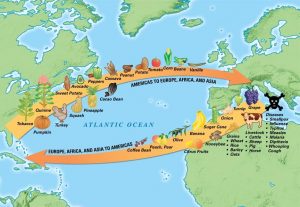
Map showing the exchange of goods between Europe and the Americas
During the 43-day long voyage, chamber pots were used and emptied overboard, people wore the same set of clothes they set sail in, and fleas and rats ran rampant. Needless to say, sanitation was a huge issue, and every single person—including Columbus—had lice. People of the time didn’t understand the importance of hygiene in the prevention of disease. Today, things are much different. Even our wastewater is so highly treated that it is actually potable.
Once again lacking any type of environmental knowledge, Columbus and his men wreaked havoc on the island’s natural ecosystem. He and his crew introduced wheat, olives, oranges and lemons, sugar cane, pomegranates, cucumbers, lettuce, dates, melons, and grapes to the area, and these new species spread like wildfire, overwhelming the native plants that had previously been there for literally hundreds of thousands of years.
To end on a positive note, Columbus introduced technology to the new world. Prior to Columbus’ arrival, America remained largely unchanged for thousands of years. The indigenous people were primarily nomadic hunters and gatherers who often engaged in wars with one another. While there remains a very heated controversy over treatment of Native Americans, there is a silver lining: Columbus did bring technologies and innovations of people such as Aristotle, Newton, and Galileo to the new world, making America what it is today.
The United States is currently in the midst of hurricane season, which runs from June 1 – November 30. With the threat of hurricanes, such as Hurricane Matthew, come concerns over flooding, property damage, and power outages. In addition, falling trees and debris, broken but live electrical wires, and areas of flooding pose a major threat to human safety. However, there is another significant but often overlooked threat to human health that frequently occurs during hurricanes: water quality degradation.
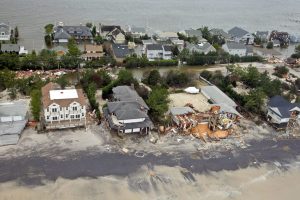
Hurricane Sandy devastated New Jersey and caused serious water quality issues
Hurricanes typically bring with them massive amounts of precipitation – far more than the earth can handle. These surges create giant runoff situations, where pollution, contaminants, trash, and chemicals from the ground are pushed into the local water supply. To make matters worse, water treatment plants are often not able to handle the sudden, significant increase in contaminants, and also may not be working at full capacity due to power outages. This flooding also affects water mains and household lines, sometimes causing the water to bypass water treatment altogether.
But that’s not all. The pounding rain and storm surges brought by hurricanes can also overwhelm sewer systems, causing sewage overflows. The massive flooding of Hurricane Sandy in 2012 overwhelmed the region’s wastewater treatment plants, causing 11 billion gallons of largely untreated sewage to flow into waterways and city streets, mostly in New York City and New Jersey. In addition, the pounding surge caused significant damage to treatment plants, further complicating the issue, and contaminating water supplies.
Lastly, overwhelming amounts of rain and surge as seen with hurricanes can cause excessive amounts of dissolved organic matter (DOM) — soluble organic materials composed of the remains of organisms such as plants and animals and their waste products — to enter waterways. DOM causes a plethora of problems in drinking water: it easily binds with metal pollutants and carries them to reservoirs and lakes, it blocks pathogen-reducing ultraviolet rays, and it also enhances the formation of disinfection byproducts, which are carcinogenic.
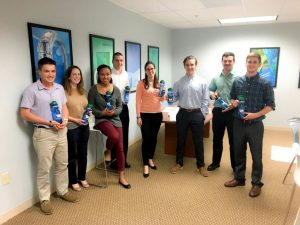
T&H employee-owners show their strong preference for drinking municipal tap water over bottled water
Hurricanes clearly have the ability to not only damage personal property and threaten human safety, but also wreak havoc on our nation’s water supply. The combination of increased contamination, decreased treatment, overflowing sewer systems, and excessive DOM in the water has the potential to cause serious water quality issues. Therefore, during hurricane events, it is always smart to be prepared. Prior to the storm, stock up on bottled water. While municipal water should always be the drink of choice in normal day-to-day living since bottled water has its own set of problems, the safe choice when water quality issues arise as a result of a hurricane is bottled water. After the storm, check on the status of your area’s water quality. Until the authorities give your local municipal water the all clear, stick to bottled water for drinking.
For up-to-the-minute updates on Hurricane Matthew, please visit www.weather.com. And stay safe!
Water and energy are the two most fundamental ingredients of modern civilization. The water-energy nexus is the relationship between how much water is evaporated to generate and transmit energy, and how much energy it takes to collect, clean, move, store, and dispose of water. Without water, people die. Without energy, we cannot grow food, run computers, or power homes, schools, or offices. As the world’s population grows in number and affluence, the demands for both resources are increasing faster than ever.
The Water-Energy Connection
Energy production is the second largest consumer of water, the first being agriculture. Electric power plants that are fueled by oil, coal, natural gas, or nuclear power require exorbitant amounts of water to cool them, and hydropower plants require water to create energy. Likewise, a significant amount of energy is used in the pumping, treatment, and distribution of water, as well as in the collection, treatment, and disposal of wastewater. In addition, the extraction of fossil fuels used for heating and cooling homes also requires vast amounts of water. Clearly, the relationship between energy and water is inexorably intertwined.
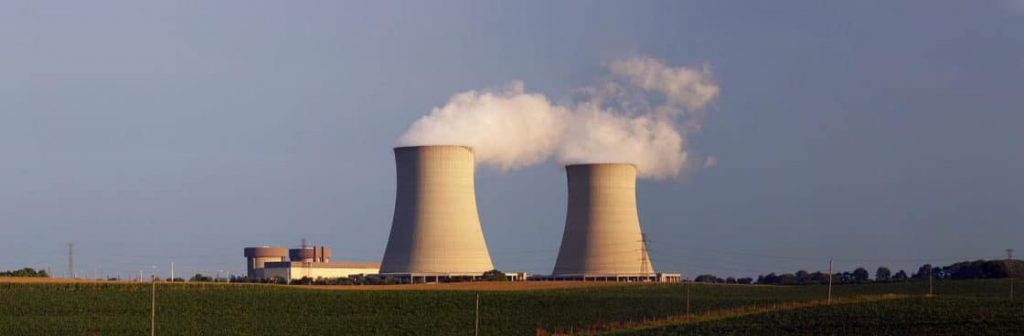
Byron Nuclear Generating Station, located near the small city of Byron, Illinois, has been subject to some controversy with respect to a lawsuit in 1981 with concerns over tritium contamination in groundwater. Tritium contamination at Byron and other Illinois nuclear power plants led the state of Illinois to pass legislation requiring plants to report such contamination to the state within 24 hours.
As the population and affluence of the nation continues to increase, so does the demand for both water and energy. Also, climate change has been responsible for increasingly frequent water shortages, requiring communities to find water elsewhere – which requires even more energy. Pumping water from distant areas or glacial icecaps, desalinating ocean water, and highly treating wastewater to potable standards all require exorbitant amounts of energy. Previously, these methods for obtaining potable water were ignored due to their high energy usage. But as water shortages and drought continue to plague the nation, even affecting the historically wet northeast part of the country, more creative ways of meeting the nation’s demand for water must be innovated and implemented.
Likewise, fossil fuels such as oil and gas are being withdrawn at an unsustainable rate, and supplies are dwindling. As these inexpensive energy sources are depleted, our dependence on alternate, more water-intensive sources of energy increases. This endless cycle of water-energy usage has the potential to spiral out of control, and the only way to make a real and lasting change is for policy makers, businesses, and communities to join forces in the planning, management, and conservation of resources and in the innovation of sustainable solutions.
Planning and Management
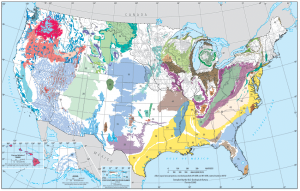
Many U.S. aquifers span several states; map courtesy of U.S. Geological Survey
One of the key factors to a sustainable future is communication. In the United States, there is little overlap in governmental agencies when it comes to water and energy. The Department of Energy has been an entity since 1977, and yet our nation still does not have an agency dedicated solely to water planning. While the EPA oversees water quality and the U.S. Geological Survey collects and interprets data related to supply, there is no single federal agency that ensures the effective use of water. In fact, much of the onus of water management lies not with the federal government, but with state agencies and municipalities. This can prove problematic when aquifers or watersheds span multiple cities and town, or even states. A logical approach to water management would be a federal agency that oversees all aspects of water management, from quality to supply to usage. In this way, federal energy and water agencies could collaborate to help forge a sustainable future. For example, when a new power plant is proposed, discussions should take place on not only the siting and permitting of the new facility, but also the effect on air and water quality, as well as water usage and potential for scarcity. In this way, more focused attention on the usage and effects of both energy and water will lead to more holistic — and sustainable — installations.
Value and Conservation
One of the greatest concerns of the modern day American is the risk of running out of inexpensive oil. The cost of oil pushed gasoline prices to $4.48 per gallon in 2008, and was partially responsible for the great recession of 2009. Realizing that the end of cheap oil could spell economic disaster, many people have begun to look at alternate heating sources for their homes, and alternate means to power their vehicles, such as biofuels or electricity. But how much more disastrous would it be to run out of cheap water? Peak oil would admittedly cause economic difficulty as well as some amount of human hardship, but peak water has the potential to cause far direr consequences. Millions of people globally already die from lack of access to an improved water source, and peak water would increase that number exponentially.
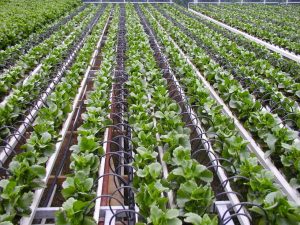
Drip irrigation is far more water efficient than spraying
It is critical that the value of water be realized if we are to start making real changes. Gasoline prices are currently around $2.20 per gallon, while a gallon of municipal water costs less than one penny. And yet, we can live without gasoline – we cannot live without water. As society begins to understand that procuring, treating, and distributing water is an expensive task and that supplies are limited, we can innovate technologies that reduce the amount of freshwater that we use. For example, in the western part of the country, the Ogallala aquifer is being depleted at a rate far higher than it is being replenished, and irrigation accounts for 94% of the groundwater withdrawals in that area. Switching to a more water efficient irrigation process such as drip irrigation rather than spray would save a significant amount of water. Also, utilizing reclaimed water for crop irrigation, cooling power plants, and industry would greatly reduce our groundwater withdrawals. Even at the residential level, conservation is important. Community outreach programs and educational materials can be used to teach residents how they can save water in their homes and businesses. Simple, low-cost initiatives such as mowing grass to a higher level, utilizing rain barrels, and planting native trees and plants can have a huge impact when implemented on a large scale.
And let’s not forget about energy. Energy conservation is directly linked to water conservation, and it is critical that saving energy happen at both the industrial and residential levels. All businesses should examine their energy efficiency and implement energy-saving initiatives. And businesses that utilize a lot of water, such as hospitals and hotels, should conduct water audits to examine and modify their water usage. Wastewater treatment should include technologies that create energy from waste, such as anaerobic digestion, in order to offset the energy used in treatment processes. Likewise, homeowners should be educated on the importance of saving energy. Utilizing energy efficient lighting, turning the heat down by a degree or two, and unplugging appliances, computers, and chargers that are not in use are just a few of the ways that the individual American can save energy. In addition, heating residential water uses a significant amount of energy, while solar water heating is a simple technology that is as inexpensive as it is effective and efficient. Unfortunately, it has not received any type of federal backing or media attention, and remains relatively unknown. Both education and policy are critical to the widespread implementation of energy saving initiatives.
In Conclusion
Energy and water are both precious resources that are critical to our health, our economy, and our way of life — and they are inextricably linked. Of the utmost importance is that we value water. Until water has a realistic price on it, as energy does, it will be seen as a resource that can be used and wasted at free will. Only with accurate pricing can the link between water and energy be made apparent to consumers, and that conserving water conserves energy, and vice versa. Likewise, with true pricing consumers would see that as the price of water increases, so does the price of energy, and that as the price of energy increases, so does the price of water. Feeling the effects in our pockets would increase the appearance of value, act as a strong motivator to more aggressive conservation, and would prompt the innovation and implementation of more efficient, green solutions.
Let's stay in touch.
Get the latest news, blogs, and insights conveniently in your inbox.

 October 23-29 is National Lead Poisoning Prevention Week 2016. Established in 1999 by the U.S. Senate, National Lead Poisoning Prevention Week (NLPPW) occurs every year during the last week in October and is now supported by the U.S. Environmental Protection Agency (EPA), the Centers for Disease Control and Prevention (CDC), the U.S. Department of Health and Human Services (HHS), the U.S. Department of Housing and Urban Development (HUD), and the World Health Organization (WHO). This year’s NLPPW theme of “Lead-Free Kids for a Healthy Future” underscores the importance of protecting our future by educating the public about the dangers and sources of lead poisoning and what can be done to prevent it. While lead-based paint is arguably the most common and hazardous source of lead exposure for young children,
 Lead in drinking water cannot be detected through taste or smell, and the only way to know for certain if your drinking water has elevated lead levels is to have your water professionally tested. Typically, lead pipes are found in homes that were built prior to 1986 and in older cities. Older homes with private wells are also at risk of having lead in drinking water. While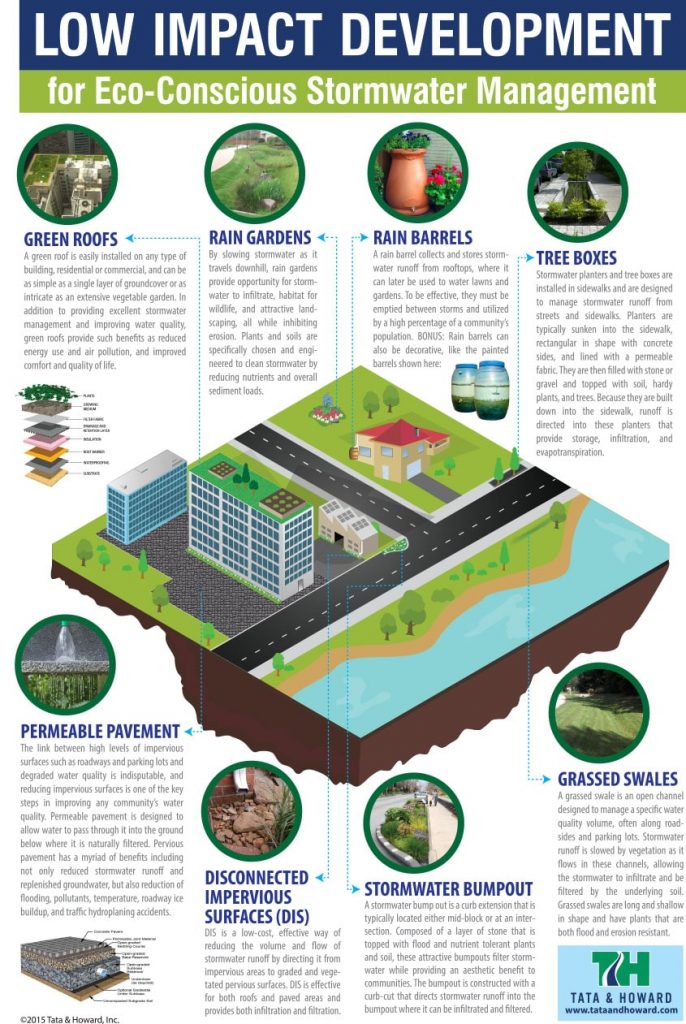

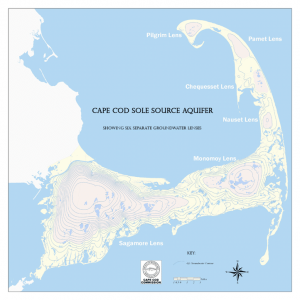 Cape Cod is an iconic New England vacation spot with beautiful beaches, sunny skies, magnificent marshes…and a serious water problem. Cape Cod has experienced contaminated drinking water throughout its history, and problems continue to this day. Pharmaceuticals, consumer product chemicals, and other emerging contaminants can be found in many of the public drinking water wells on Cape Cod. The Cape has 560 miles of coastline, 1,000 kettle-hole ponds, and one sole source aquifer containing two major and four smaller lenses, all in jeopardy.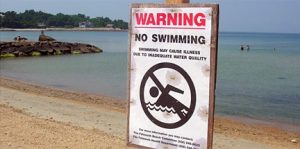
 An important stormwater initiative to improve the Cape’s water quality is Project STORM (Stormwater Outreach for Regional Municipalities). Coordinated by the Cape Cod Commission water resources staff, Project STORM is a collaborative effort of Cape Cod towns to pool resources and solutions to mitigate the impacts of stormwater and to educate the general public on effective means to reduce stormwater pollution, including structural and non-structural Best Management Practices (BMPs) as well as Low Impact Development (LID) concepts. The project also provides assistance to towns that must comply with EPA National Pollutant Discharge Elimination System (NPDES) Phase II stormwater regulations.