
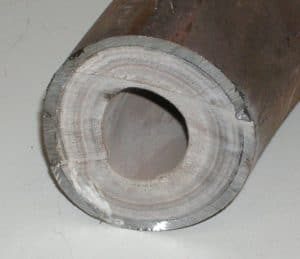
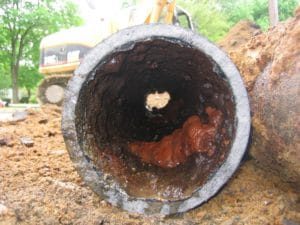
 Part three of our four-part series on water crises in America is on lead contamination. Instances of lead in drinking water, such as the situation in Flint, Michigan, have become a hot topic in the media. Lead in drinking water is a problem that reaches far beyond the disaster in Flint, with the Environmental Protection Agency (EPA) stating that roughly 10 million American homes and buildings still receive water from service lines that are at least partially lead. When water has high acidity or low mineral content, it can cause these service lines to corrode and leach lead into the water supply. Without mitigation, water from lead service lines has the potential to cause adverse health effects, particularly in children.
The EPA states that, in the last three years, only nine U.S. states are reporting safe levels of lead in their drinking water. These include Alabama, Arkansas, Hawaii, Kentucky, Mississippi, Nevada, North Dakota, South Dakota, and Tennessee. This means that 41 states are consistently reporting higher than acceptable levels of lead in their drinking water. The problem is not only the lead service lines connecting water mains to homes and buildings, but also the lack of proper treatment to prevent corrosion of these lead pipes.
History of Lead Pipes in the U.S.
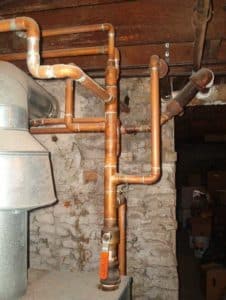
The use of lead pipes for water distribution has a centuries-old history. In the U.S., installation of lead pipes on a major scale began in the late 1800s, particularly in the larger cities. At one point, more than 70% of cities with populations greater than 30,000 used lead water lines. Lead pipes had two significant advantages over iron: they lasted almost twice as long and they were malleable enough to easily bend around existing structures. Of course, now we see the health risks associated with lead, and water systems across the country have taken steps to eliminate lead pipes in their distribution systems. Water companies and municipalities now must decide whether to replace all the lead pipe in their drinking water system, including home service lines on private property, or continue to add corrosion-control chemicals at the plant to prevent leaching of lead into the water supply.
Utilities and the Government Take Action
Water companies and municipalities across the country are working diligently to get lead out of our drinking water. Since replacing all of our nation’s lead piping may take over 20 years, utilities have found a short term solution to control the amount of lead in their drinking water. They are focusing on the treatment process and monitoring what makes up the drinking water. Introducing orthophosphates to the water supply and flushing all the standing water creates a scale of protective coating on the interior surfaces of lead pipes, reducing corrosion. This limits the amount of lead that leaches into the water and offers a short term solution as we figure out how to permanently replace all lead pipes from our water distribution systems.
In Wisconsin, the Madison Water Utility has become a national model for cities struggling with lead in their drinking water. They are the first major utility in the nation to demonstrate that a full replacement of both the public and the private portions of lead service lines is possible. This involved working with residents to remove lead service lines from their homes and nearby property. The project started in 2001 and has provided safe drinking water to 5,600 property owners. The plan, which was very controversial at the time, is now hailed as a model and has spurred other utilities into action. For example, Boston Water and Sewer Commission (BWSC) implemented a program that offers a credit of up to $2,000 and interest-free loans to assist homeowners who are willing to remove lead pipes on their property. BWSC also has a searchable online database for homeowners to see if their property has a lead service line. Also, the Massachusetts Water Resource Authority (MWRA) announced earlier this year that it will provide $100 million to its member water communities to fully replace lead service lines, including residential lines. These utilities are shining examples of the many organizations taking a long term approach to this national crisis.
Recent news reports of lead in drinking water and the controversy surrounding testing methodologies have acted as a catalyst for public schools across the country to test their water. Unfortunately, many of these tests indicate high, potentially dangerous, levels of lead concentrations in public drinking fountains, sparking outcry from parents and prompting a series of public meetings. In response, the EPA changed lead testing regulations on February 29, 2016 and now require utilities to use wide mouth bottles, conduct no pre-stagnation flush, and to run faucets at typical flow rates when testing for lead — precisely the opposite of how testing had previously been conducted. While many people have been quick to blame utilities for lead in their drinking water and have even gone so far to suggest that utilities have been practicing testing “cheats,” they were in actuality following protocol issued by EPA.
The EPA is also considering changes to the Safe Drinking Water Act’s rules regarding lead, and an advisory panel has proposed a more proactive approach to replacing lead pipes. The proposal would encourage public water systems to replace lead pipes versus waiting for lead levels to spike to take action. This plan involves substantial increases in funding to water companies and municipalities for the replacement of lead pipes in both the public and the private portions of lead service lines, including residential lines. With this additional funding, water utilities across the country will be able to set goals for a permanent solution to our nation’s lead crisis. Admittedly, we have a long road ahead of us as many cities simply do not know the exact number or location of lead pipes in their system. Add to that the cost and person power required to replace our nation’s lead service lines, and it becomes apparent that a 100% lead-free infrastructure is still many years away.
What Can You Do?
When water sits stagnant in lead service lines for even a few hours, it picks up lead from the pipe, which can make using your faucet hazardous. Find out if your home is serviced by lead service lines by calling your local water department. This is especially important to homes built prior to 1980. If your home still has lead service lines, you can reduce the risk of lead contamination in your drinking water by taking some simple steps:
- Call your State Department of Public Health for health information, or visit their website.
- Run tap water until after the water feels cold. Flushing pipes in this way before use assures that you are not drinking water that has been sitting stagnant in pipes.
- Never use hot water from the faucet for drinking or cooking, especially when making baby formula or food for small children. Hot water from your faucet has a higher chance of containing traces of lead. Instead, use cold water and heat it on the stove or in the microwave.
In Conclusion
The good news is that lead contaminated water crises like the situation in Flint, Michigan have called for stricter regulations and replacement of nearly six million lead service lines nationwide. The not so good news is that we still have a long way to go to completely remove all lead in our water systems. Nearly all homes built prior to the 1980s still have lead solder connecting copper pipes, and some major U.S. cities still have 100 percent lead piping that delivers water from the utilities to homes and businesses. Replacing lead service lines is the safest way to prevent lead contamination, and public and private water companies must work together with state and national organizations to replace lead pipes in all of our water distribution systems. Solving our lead contamination crisis will benefit everyone if we work together for a permanent solution. After all, everyone deserves safe drinking water.

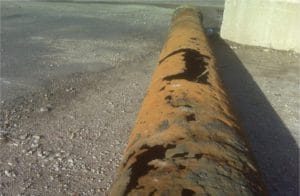
 The truth is, there is too much at stake to keep ignoring our weakening infrastructure. If we do not do something soon, Americans may be in for some serious surprises. Imagine not being able to drink the water that comes out of our faucets or even take a shower without worrying about water borne diseases and bacteria. If we wish to seriously improve our water infrastructure, we need collaboration from all parties, both public and private. Politicians and lawmakers need to take definitive action and commit to a sustainable and reliable plan to make our water systems safe and adequate for the future. We need to make the condition of our country’s water systems a top priority.
 Water poverty has long been considered a global crisis, with over 783 million people worldwide — that’s one in nine people — lacking access to a safe, clean water supply. Over half of the world’s hospital beds are filled with people afflicted with water-related illness, and over 80% of illnesses in sub-Saharan Africa are directly attributable to poor water and sanitation conditions. There are a plethora of charities dedicated to solving the global water crisis, including Tata & Howard’s and AWWA’s charity of choice
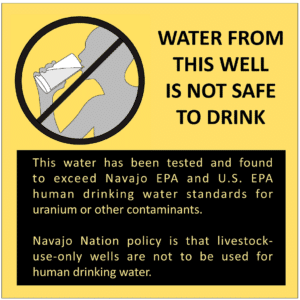


 The answer to solving the water crisis of Navajo Nation is not simple. Bringing safe, clean water to the people of Navajo Nation will require both public and private investment. It will also require fair legislation that allows the Navajo to keep rights to water on their land while requiring the federal government to fund the
  Wastewater. It’s something that will always exist, and will always require collection and treatment. Just like improved water, improved sanitation is one of the key contributing factors to a developed nation, significantly improving public health, educational opportunity, and workforce viability. And while the United States boasts nearly 100% improved water and sanitation, there is still cause for concern.
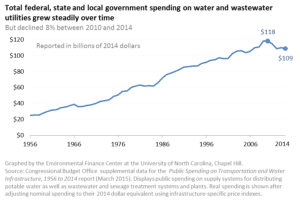 In March of 2015, the Congressional Budget Office (CBO) published a report on annual government expenditures on infrastructure, titled
 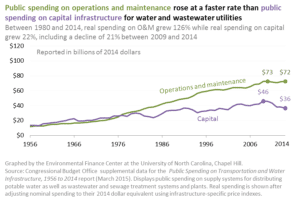 To further complicate matters, capital expenditure has decreased at a faster rate than O&M expenditure. From 1956 to 1980, public spending was basically split between capital expenditures — to build or replace water and wastewater systems — and O&M of the systems. However, since 1980, O&M spending continued to grow at an annual rate of 4%-6% to the 1990s, and then at an annual rate of 1%-3% through 2009, since when it has remained flat. In contrast, capital spending grew at an annual rate of only about 1%-2% since 1980, and has declined at an average annual rate of 4% since 2009. Governments now spend twice as much on O&M of their existing systems than on capital expenditures to repair, rehabilitate, or replace existing assets or for the installation of new infrastructure. In addition, state and local government is now saddled with nearly the full burden of capital expenditure, as federal spending has been steadily on the decline since 1976.
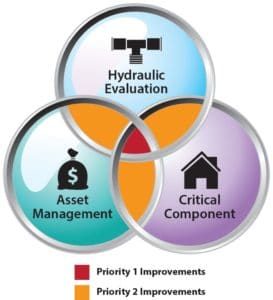 Hydraulic modeling
 To continue as a leading industrialized nation, our wastewater utilities must not only remain safe and functional, but also progressive and up to date with current and future regulations. Because funding is declining while costs and population are increasing, it is more important than ever for wastewater utilities to methodically prioritize and plan all repairs and improvements. Only through the implementation of a well-researched and systematic course of action will utilities be prepared to provide safe and dependable wastewater services both now and in the future.
 In addition to the six Minimum Control Measures included in the original 2003 Permit, the 2016 Massachusetts MS4 General Permit also specifically includes limits to Total Maximum Daily Loads (TMDLs). TMDLs set pollution limits for affected waterways. These pollution limits represent the maximum amount of pollutant a specific body of water can handle before marine life, wildlife, and/or recreational uses become adversely affected. Because stormwater has the potential to have a significantly negative impact on waterways, TMDLs are a necessary protection measure. Unfortunately, addressing stormwater contributions to TMDLs will require that many communities make some structural and treatment modifications to their stormwater systems, and these take both time and money.
 Fortunately, stormwater assessments that are conducted by licensed professional engineers, such as Tata & Howard’s MS4 Compliance Assessments, provide a significant return on investment. As part of the assessment, the entire system is meticulously evaluated for the most budget-conscious ways in which to fully meet compliance. Permit exclusions will also be assessed and all previous stormwater work will be documented to establish proper credit. The assessment also provides a well-planned course of action that is defendable when justifying projects and procuring funding.
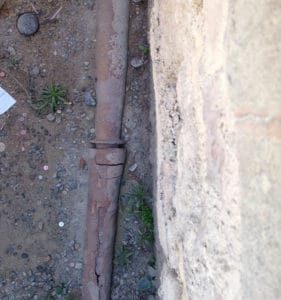 Water mains play a crucial role in modern day civilization and contribute greatly to public health. Water mains have been in use for over 4000 years, and, through the years, huge strides have been made in the engineering and construction of this critical infrastructure.




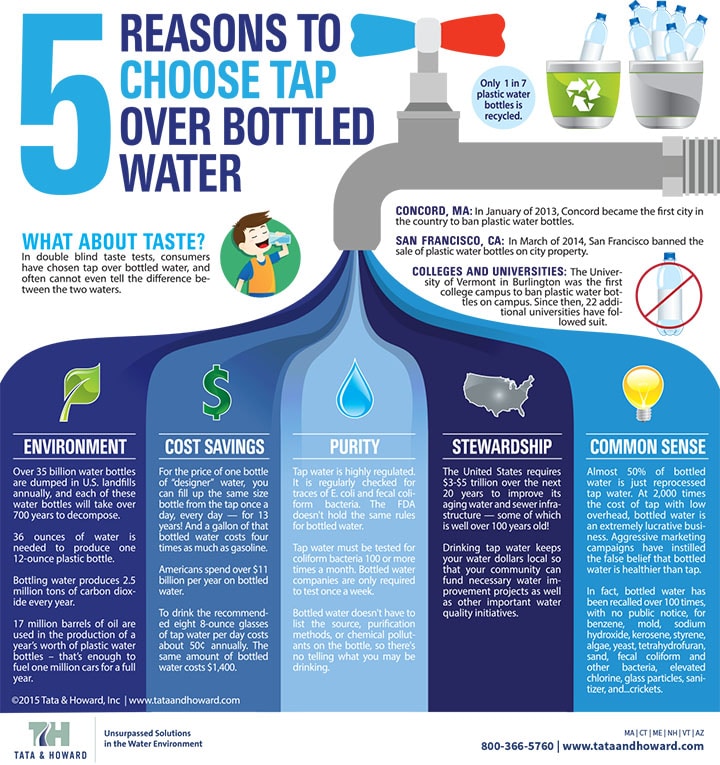
 py by donating both food and money to local food banks to help feed everyone efficiently. On June 5th, Tata & Howard encourages everyone to go through their pantries and donate to a local organization for people who need it. Not only will it help save our environment, but will also help the local people in our own communities.
 the better. On this World Environment Day, let’s all take time to lend a helping hand to our planet. It is up to us as individuals to take action and better our environment. Taking small steps and making an effort to improve the world in which we live is important not only on World Environment Day, but every day. Even if it is a small step, it is still a step in the right direction.

 Memorial Day is the generally accepted start of summer to most New England communities. Pools are opened, grills are wheeled out from storage, flowers are planted, and beaches are officially opened. And while summer is absolutely breathtaking in New England, it is also a time of increased stress on water quality and supply.
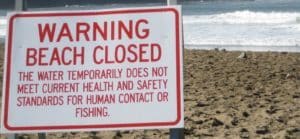 Unfortunately, because of the huge popularity of beaches in the summer, water quality can suffer. Beach closures are common during the summer months, and are a result of pollutants and pathogens entering the water. One of the most common sources of water pollution is human fecal matter from leaky septic systems and sewer overflows. Human waste contains a variety of harmful organisms, including bacteria, viruses, and parasites, that can cause illnesses such as gastroenteritis, hepatitis, and skin infection to humans. Another source of pollution is animal fecal matter from agricultural and stormwater runoff. While runoff contains a number of pollutants including motor oil, pesticides, fertilizers, and trash, arguably the most dangerous and disruptive is animal feces. A single gram of dog feces contains over 23 million parvovirus bacteria in addition to whipworms, hookworms, roundworms, threadworms, giardia, and coccidian. These pathogens and parasites enter waterways through runoff and can have detrimental effects on waterways, aquatic life, and humans.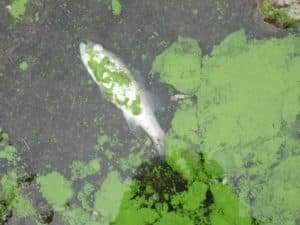
 Fortunately, there are policies and regulations in place that directly address seasonal water quality and quantity issues. The EPA, along with other governmental agencies, have enacted several laws that aim to protect the quality of our nation’s beaches:
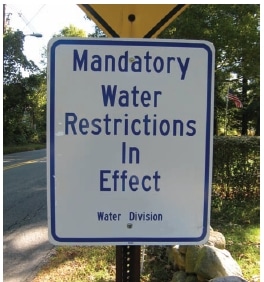 Outdoor water restrictions and bans: Many communities implement water bans in the summer that severely limit or prohibit outdoor watering.
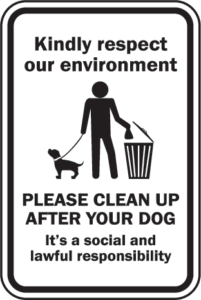 Beaches are one of the most traditional and enjoyable means of summer entertainment for families and individuals, and they provide a plethora of recreational activities for all ages. Protecting our beaches and recreational waters is imperative to the health of our nation’s citizens and economy, and we are fortunate that our nation’s governmental agencies and local communities proactively work to maintain the health of our waters. We as individuals can also help to protect our beaches and waterways by reducing our personal water consumption, cleaning up after our pets, and being mindful of pesticide and fertilizer usage. Together, we can assure that present and future generations are able to enjoy our nation’s beautiful beaches.
 It is scary to realize how complacent our country has become in accepting crumbling infrastructure as the norm. Our international competitors are investing more in high speed rail, modern airports, and bigger shipping ports, while just about every few months, some kind of preventable catastrophic infrastructure event happens in America. Yet our leaders are still not spurred into taking decisive action.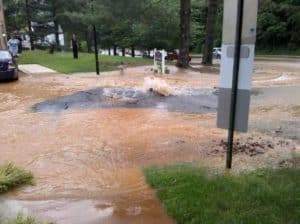

 During Infrastructure Week, groups are coming together to recognize progress and leadership at the federal, state, and local levels – and there is much to celebrate. For example, communities throughout New England have been proactive in lead service line replacement, and the Massachusetts Water Resources Authority