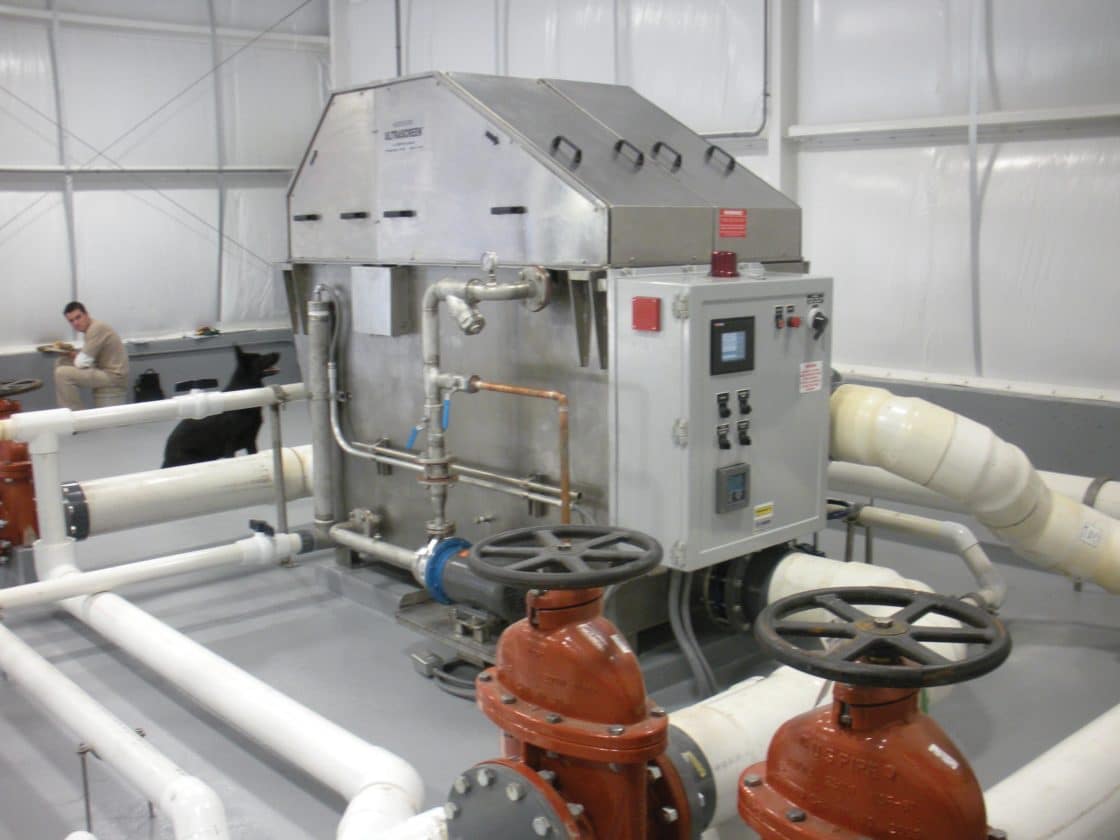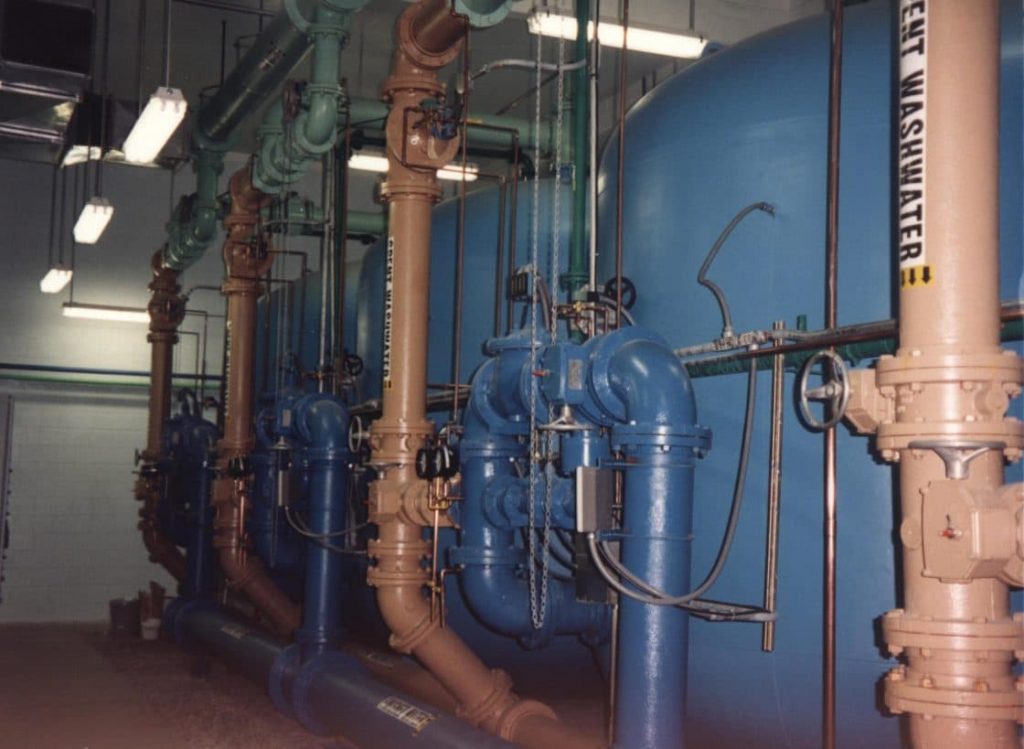
Tata & Howard prepared a wastewater treatment and disposal alternative analysis for the Town of Ayer. The analysis evaluated alternative plans for treatment and disposal of wastewater utilizing the Town’s existing wastewater treatment facility, a proposed regional wastewater treatment facility, or a combination of both facilities.
The alternative analysis estimated the wastewater flows and loadings, assessed the condition and capacity of the existing plant unit processes, and recommended improvements to meet the future service needs over the next 20 years. Tata & Howard designed upgrades to the existing main wastewater pump station which pumps the entire volume of wastewater generated in Ayer.
In addition to the overall rehabilitation of the pump station, Tata & Howard designed the addition of new pumping facilities to divert wastewater to the nearby regional wastewater treatment facility at the former Fort Devens, now managed by Mass Development. The main wastewater pump station has a peak capacity of 4.0 mgd and includes four wastewater pumps with a capacity of 2,800 gpm. The upgrades included new variable frequency drives for the pumps and new SCADA.
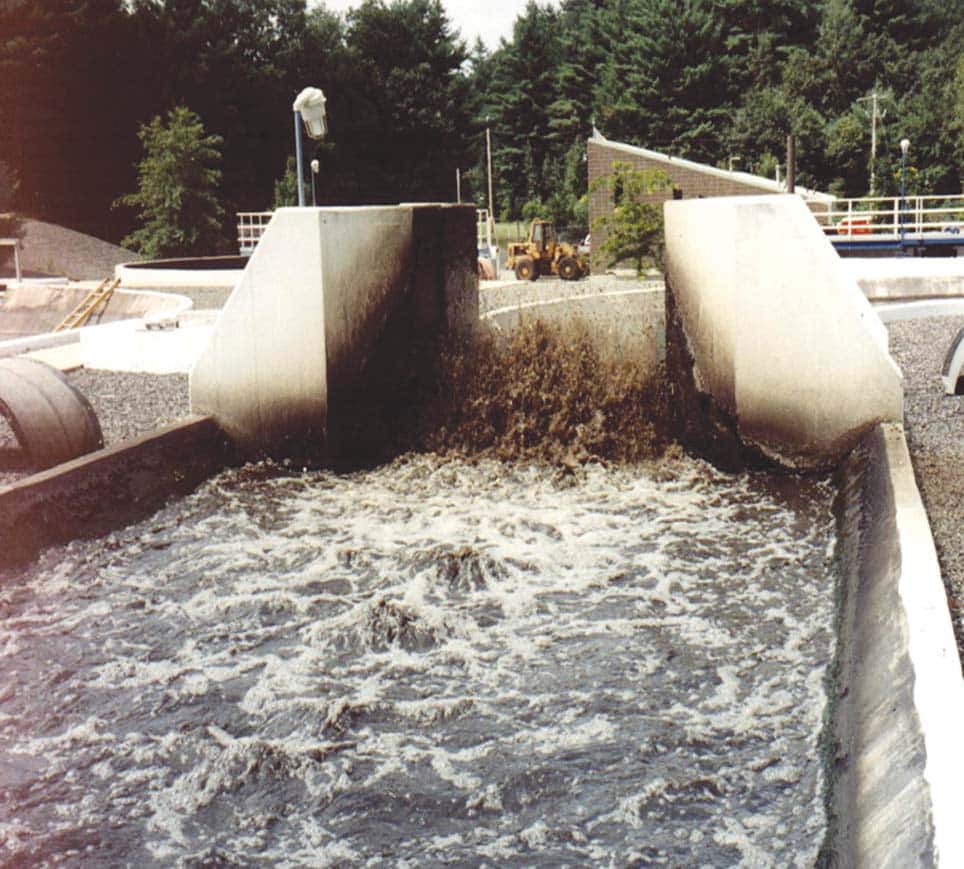
The Town of Barre retained Tata & Howard to evaluate their existing wastewater treatment facility. Tata & Howard recommended a three phase upgrade program in order to reduce the initial impact of the construction cost on the sewer use rates. Included in the upgrade program was the design and construction of a submersible pump station that lifts the raw wastewater from an equalization tank to the biological treatment process. The pump station has a capacity of 1.2 mgd and includes variable frequency drives. The pumping station is controlled by a new SCADA system at the wastewater treatment facility. Tata & Howard also designed 8,000 linear feet of collection system sewers in the Worcester Road area of town. The project also included 500 linear feet of force main and a wet well mounted pump station. The pump station has a capacity of 200 gpm.
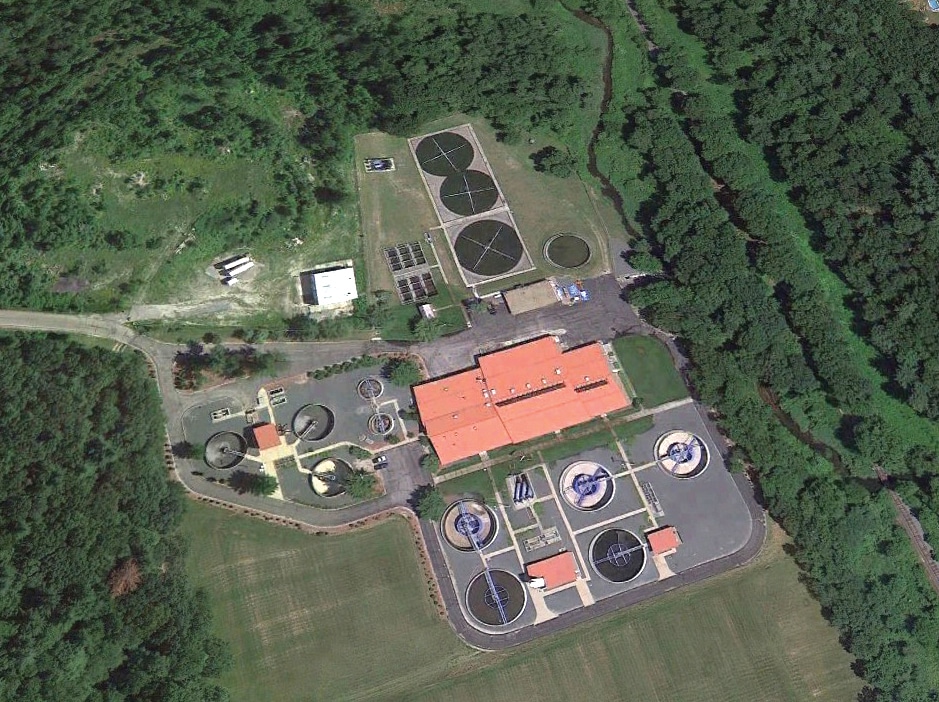
Tata & Howard provided all design and construction services related to a treated wastewater pump station at the Town’s advanced wastewater treatment facility. This station has a capacity in excess of 1 mgd and is used to pump treated wastewater to a gas turbine power generation facility where it is used for cooling water. Included in this project was the preparation of plans and specifications and the monitoring of water quality effects on the Charles River.
The Birch Street Pump Station is a submersible pump station consisting of two 700 gallons per minute pumps. Under maximum day flow conditions, the station has operated well above its current capacity and pump run times of 24 hours have been recorded. Therefore, prior to accepting additional flows would require upgrades to be completed. In 2013, Tata & Howard worked with the Town of Milford and was retained by a developer to design proposed upgrades for the Birch Street Pump Station rehabilitation which included upgrades to the existing submersible pumps, electrical and instrumentation, and controls.
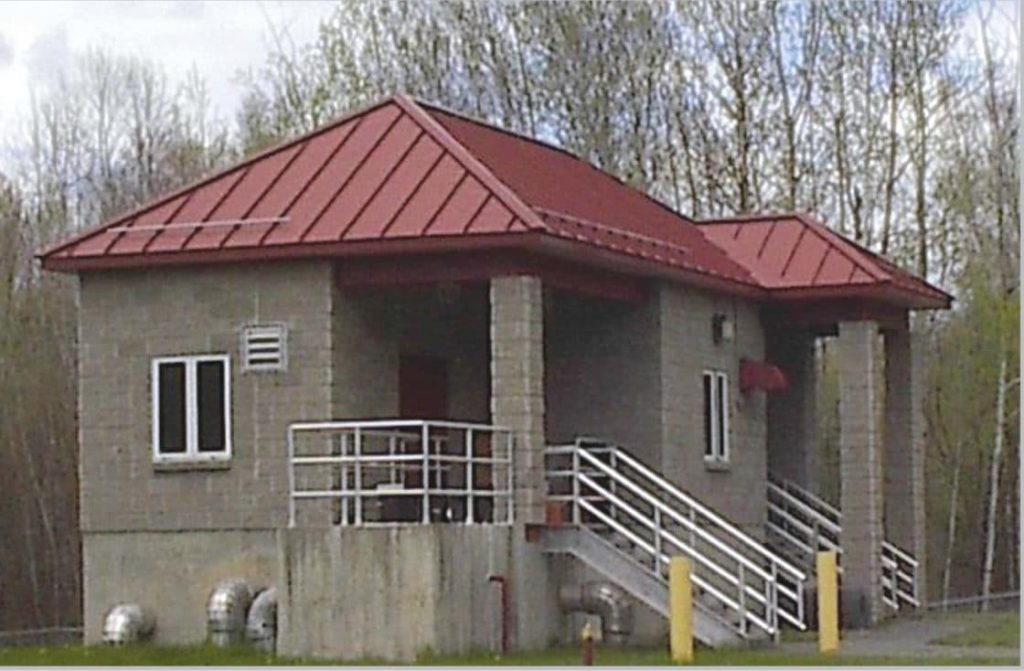
Tata & Howard provided engineering services associated with sewer improvements including evaluation, design, and construction of 3,500 linear feet of interceptor sewer, 2,500 linear feet of force mains, and three pump stations. In addition, Tata & Howard provided design and construction of 5,000 linear feet of interceptor sewer, 4,000 linear feet of gravity sewer including a river crossing, and a pump station. Tata & Howard also provided design and construction services for three new wastewater pump stations. The pump station scope included upgrading of one pump station and the design of two other pump stations. One of the pump stations is a suction lift station while the other two are submersible stations.

Tata & Howard provided engineering services including wastewater consulting services to develop a plan for the removal of existing inflow and infiltration (I/I) from the Town of Pembroke’s sewer collection system. The purpose of this evaluation was to review pertinent available information provided by the Town, develop a draft plan of approach to reduce I/I within the system over time and as funds are appropriated, develop a prioritized schedule for further investigations of I/I, and establish a protocol for the documentation of I/I removed from the collection system.
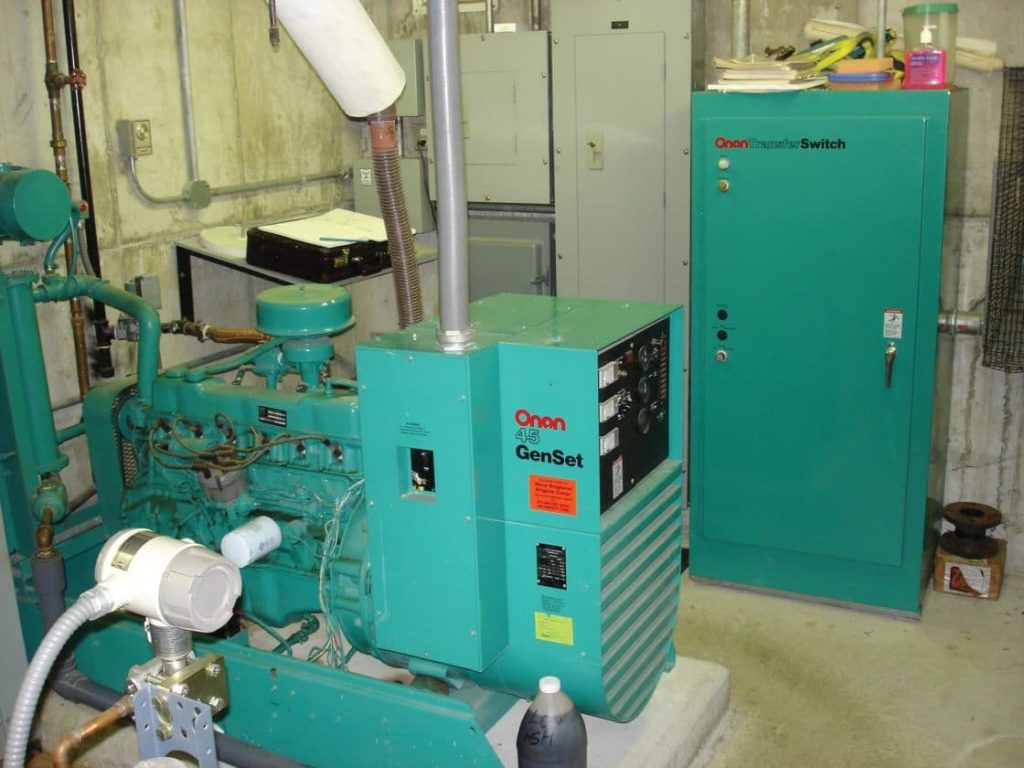
Tata & Howard was retained by the Town of Franklin to evaluate the wastewater pump station that serves the Franklin Industrial Park. The pump station had been experiencing capacity issues and periodic overflows. The design by Tata & Howard included the replacement of two existing wastewater pumps with 350 new gpm capacity pumps with variable frequency drives. The project also included a substantial increase in the volume of the station’s wet well through the construction of additional precast concrete tanks. The work also included upgrades to the existing alarm and communications systems.
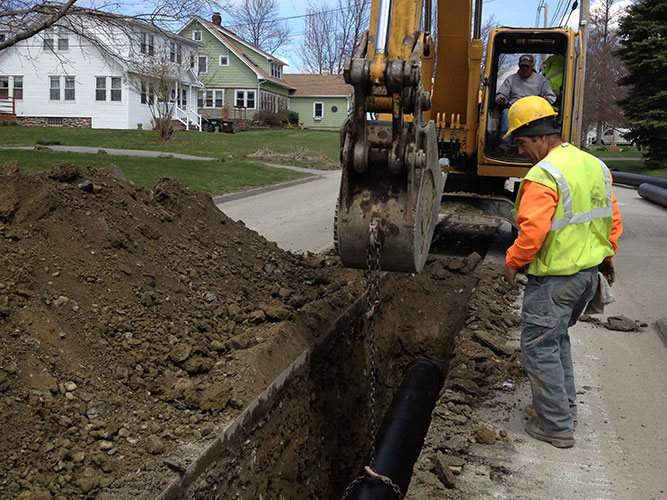
Phase I services included engineering services for bid, award, construction administration and resident observation services for approximately 6,500 linear feet of 12-inch water main and 750 linear feet of 8-inch diameter water main for a water main replacement project on Packachoag Street.
Phase II services included engineering design, bid and award, and construction administration and resident observation services for approximately 5,000 linear feet of 8-inch water main. Both phases are funded by the USDA Rural Development program.
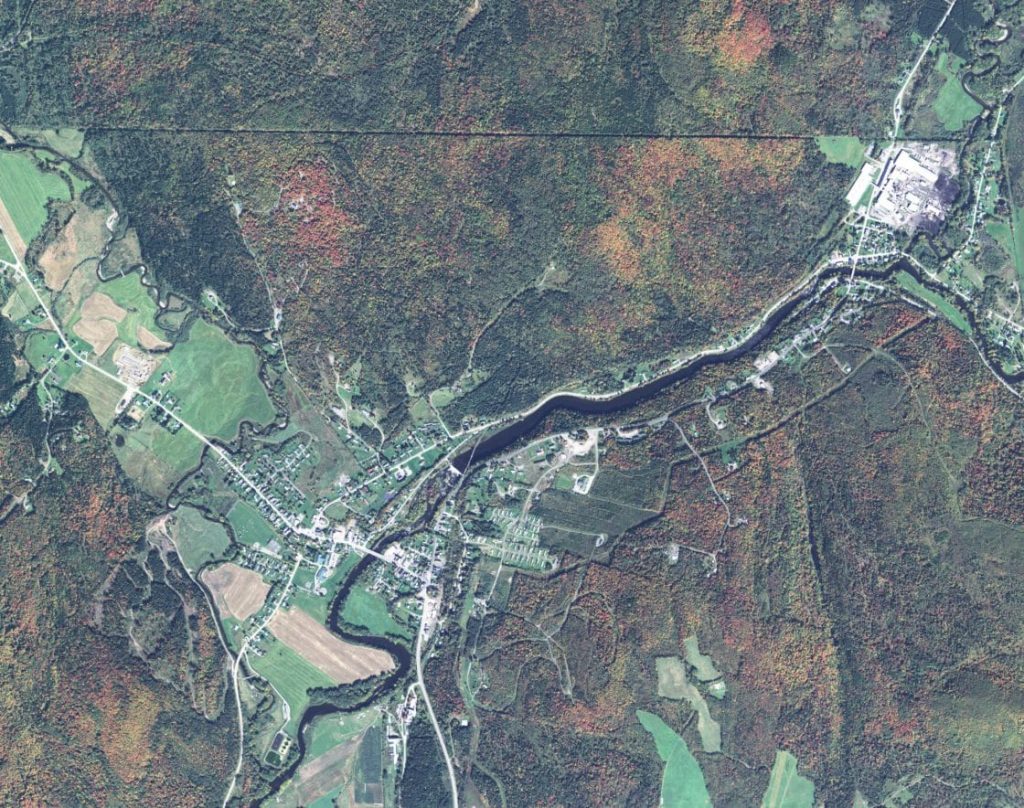
Tata & Howard provided engineering services for the evaluation, permitting, design, and construction of five wastewater pump stations. The pump stations included a new triplex pump station with valve structure. The wastewater treatment plant upgrade was in addition to the pump stations. The other four pump stations consisted of a new, completely relocated pump station and the upgrading of three other dry pit wet pit stations to include generators and controls for telemetry. The pump station design included a plan for maintaining operations of the stations throughout construction, which was completed in the fall of 2014.
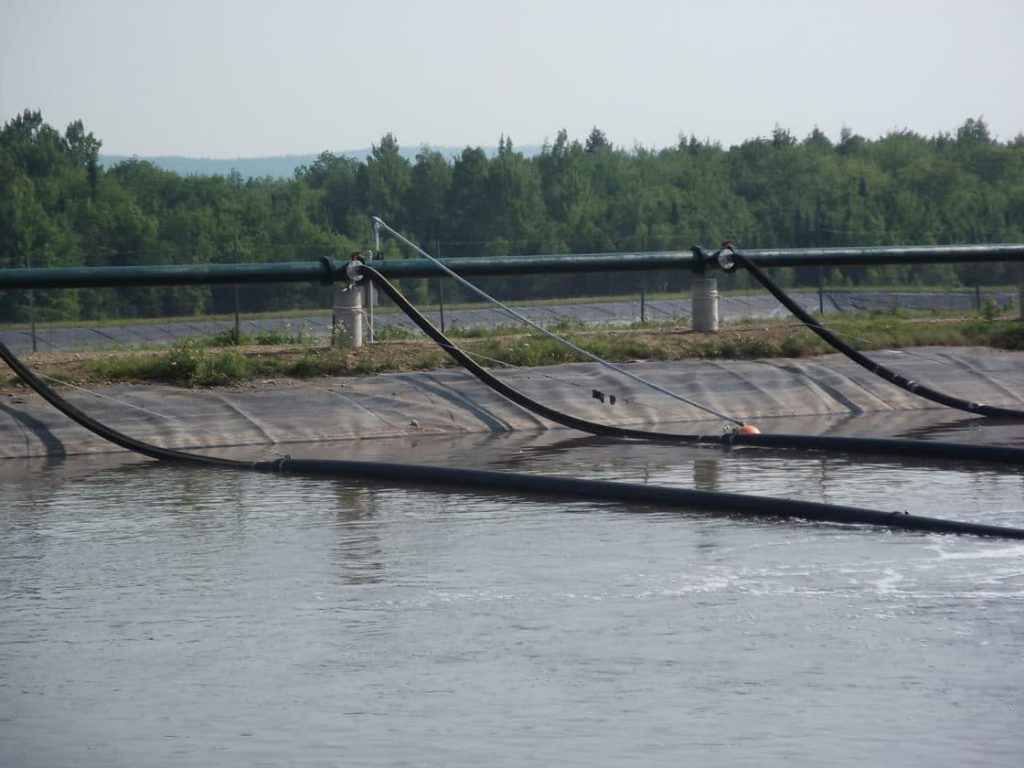
Tata & Howard team members provided engineering services to The Dexter Utility District to evaluate their existing wastewater treatment facility and to provide wastewater treatment facility design. It was recommended that a phased approach to upgrade the facility be utilized in order to reduce the initial impact on the sewer user rates.
The first phase of the improvements combined improvements which would improve the reliability and obtain energy savings with cleaning and disposing of sludge for the first time from their 25 year old facility. This approach allowed for a grant loan financing package to be utilized. The first phase facility upgrade included replacing a leaking single air header main with two individual air headers, replacing course bubble diffusers with fine bubble membrane diffusers, replacing three 25 year old blowers with new blowers with variable speed drives. The speed of the new blowers is controlled by a PID loop using dissolved oxygen analyzers, to maintain optimum treatment and minimize energy consumption. These improvements have reduced the energy consumption at the wastewater treatment facility by more than 50 percent.
SaveSave
SaveSave
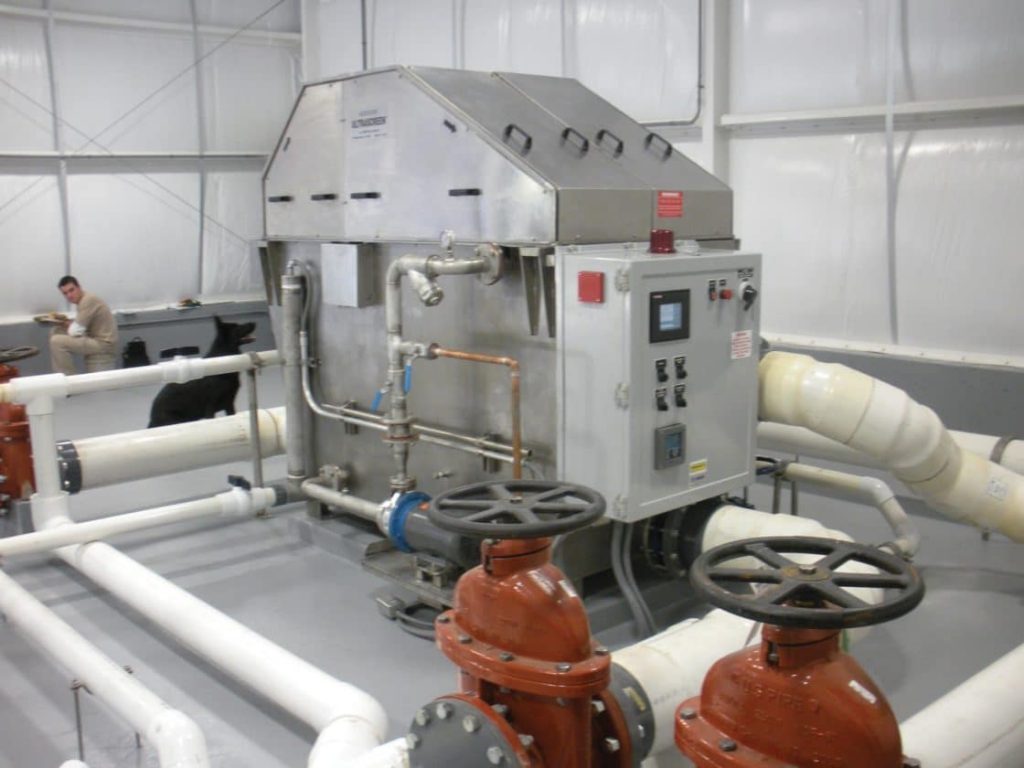
Tata & Howard has been working with the Town of Hopedale, Massachusetts for a number of years on a variety of wastewater collection and treatment projects. When the Town received an administrative order to address copper and ammonia violations at the plant, they turned to Tata & Howard for assistance. We completed the design and construction of a Wastewater Treatment Facility Upgrade project which included the installation of an automated soda ash feed system and an integrated fixed film activated sludge system (IFAS). The IFAS system is an innovative biological treatment process using thousands of special carriers designed to increase total surface area for biofilm growth without expanding the plant’s footprint. The blowers were also modified to provide better control over the aeration process.
A pilot study was conducted to test the ability of various reagents to facilitate the removal of copper from the waste stream. An automated chemical addition system was designed to improve coagulation. Additionally, a dynamic tangential filter was incorporated into the upgrade project. These improvements have allowed the Town to now meet its discharge limits for ammonia and copper.