Milford Water Treatment Facility, Milford, MA

Milford-Dilla-DAF

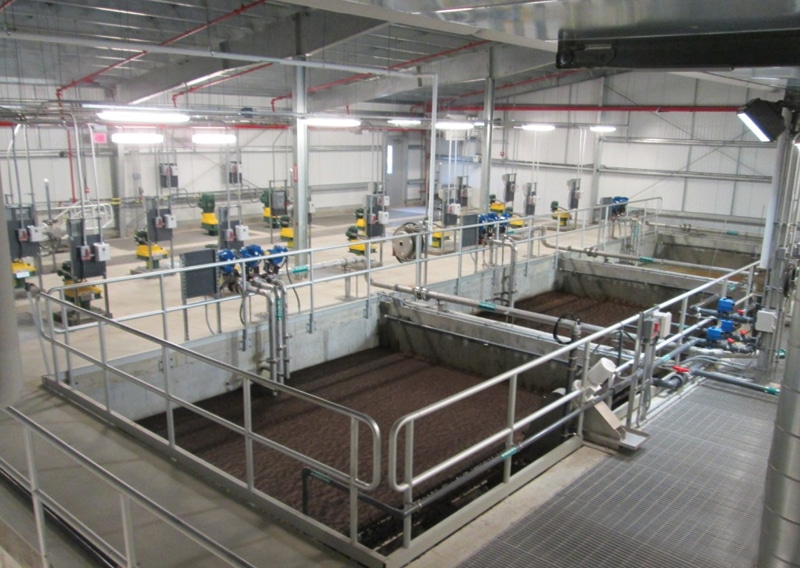
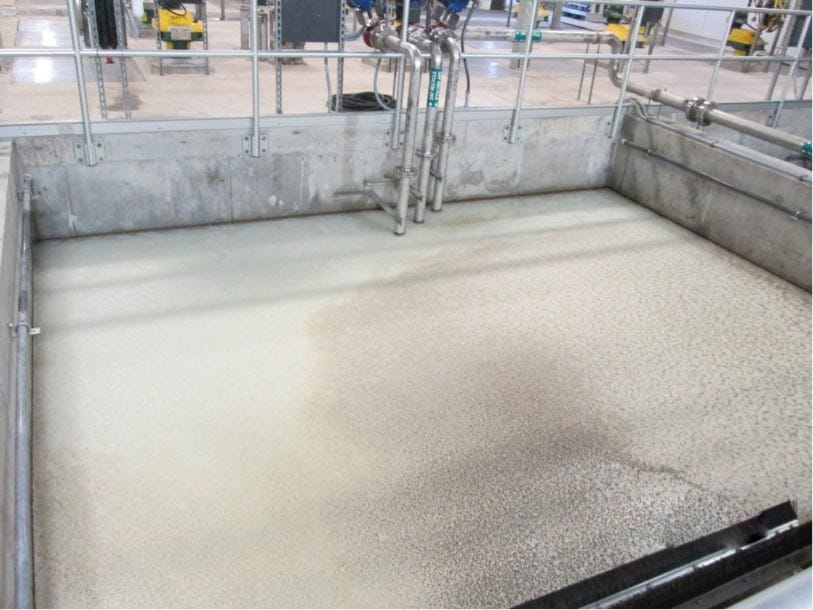
Tata & Howard provided construction administration, resident observation, and start-up services to the Milford Water Company for the construction of the Dilla Street Water Treatment Facility. The 5.2 mgd facility treats water from a combination of lake, river, and wells, utilizing dissolved air flotation (DAF) clarifiers and granular activated carbon (GAC) filters. The facility will replace the existing slow-sand and diatomaceous earth (DE) treatment currently utilized to treat the existing surface and groundwater sources, respectively. The facility was required to address and satisfy an Administrative Consent Order (ACO) issued by MassDEP.

Tata & Howard also completed design and oversight of a redundant cast-in-place chlorine contact tank, and has been contracted to provide engineering services for project review and construction oversight for the installation of raw water screens on intakes of both the lake and river sources. These improvements were mandated by MassDEP as part of the approval of the Dilla Street facility design.

Water Treatment Plant, Iron and Manganese Removal, Wayland, MA

WaylandMA_BaldwinWTP_aerial2

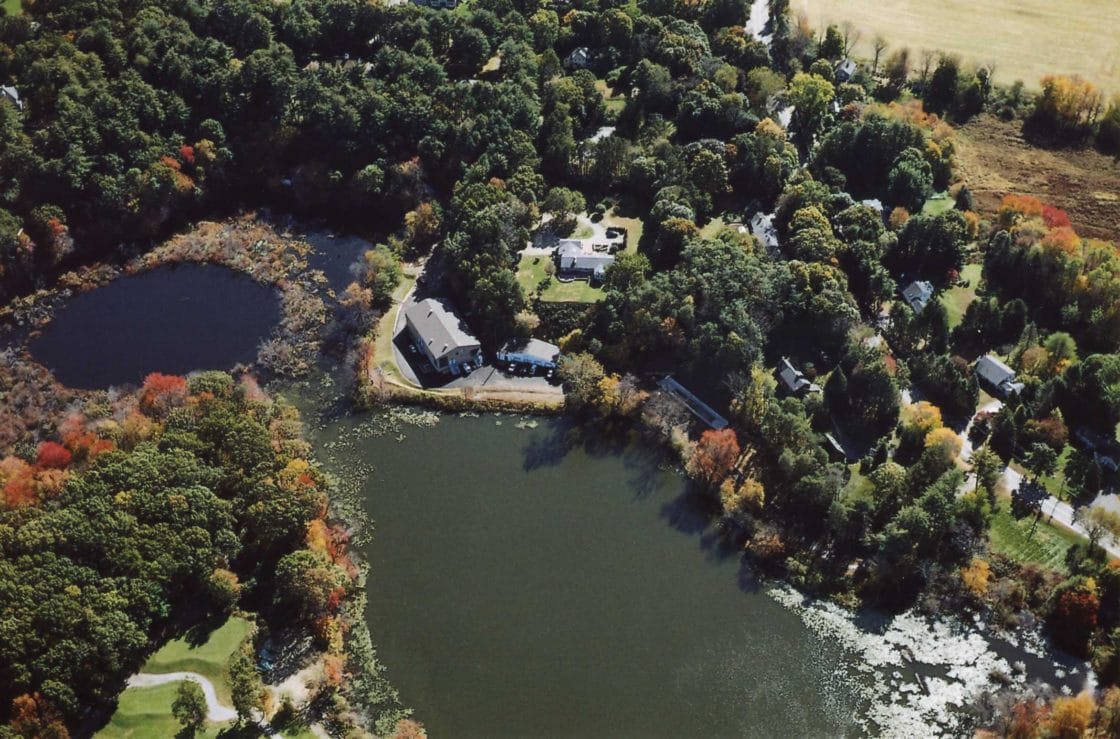
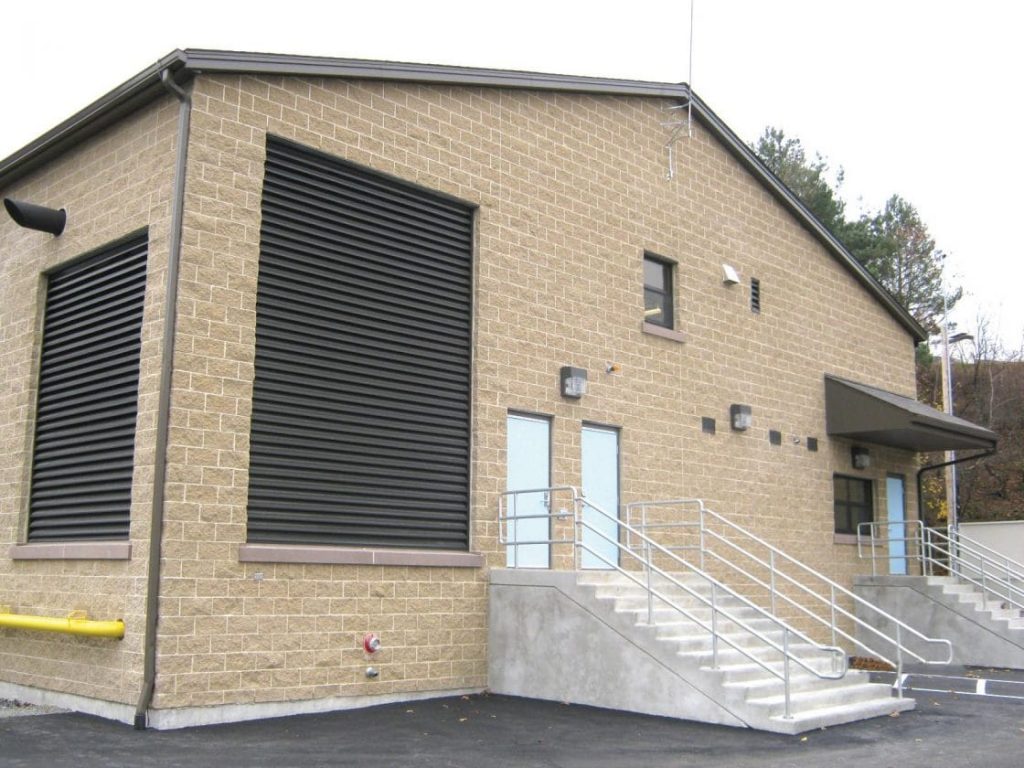
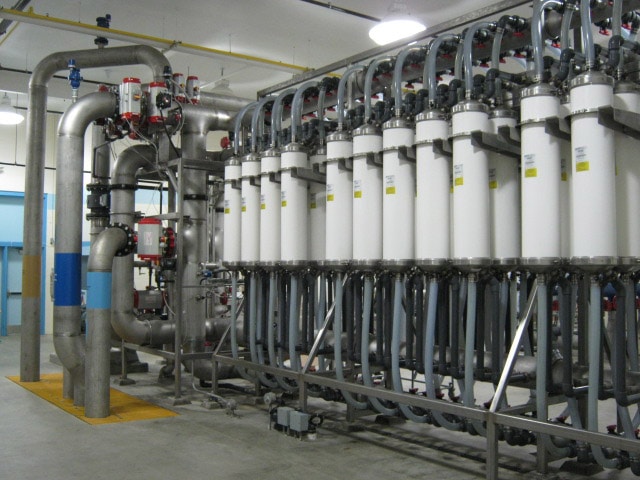
Tata & Howard completed pilot testing, design, permitting, bidding, and construction management services for the Town of Wayland’s Baldwin Pond Water Treatment Plant which included iron and manganese removal. The facility received MassDEP approval to go online and became Wayland’s first public building to receive an occupancy permit in the last 30 years. The need for the facility arose from high iron and manganese content in Wayland’s water. The facility also addressed any concern over the three Baldwin Pond wells which were under close scrutiny to determine if they were “under the influence of surface water.” The 7,500-square-foot, 1.5 million gallons per day, state-of-the-art water treatment facility was constructed to meet current and future regulations for many years ahead. The design included ozone oxidation, ultrafiltration membranes, waste recycle, and chemical feed for coagulation, pH adjustment, fluoridation, and disinfection. The treatment facility utilizes ozone oxidation and ultrafiltration to remove iron and manganese from the blended raw water from the three water supply wells.  Although other constituents are also removed through this process, the basis of this plant is to optimize the removal of iron and manganese.

The Baldwin Pond Water Treatment Facility project was highly successful through good communication and teamwork between Tata & Howard’s construction management team, the general contractor Methuen Construction, and the Town of Wayland. With less than 1% of the contingency budget applied to change orders towards the end of the project, the Town was able to do additional work. The additional work included replacing raw water mains and upgrading the existing garage onsite. A dedication ceremony for the facility was held with Representative Scott Brown, and representatives from MassDEP, Methuen Construction, and Tata & Howard joining the Town of Wayland in commemorating the completion of the facility.

SaveSave

SaveSave

Replacement Wells, Upton, MA

upton ma well replacement

Tata & Howard provided engineering services to the Town of Upton to address a water supply deficit identified in the 1998 Water Distribution System Study and the 2011 Water Master Plan and Capital Efficiency Plan™, both conducted by Tata & Howard. The multi-faceted approach was recommended to mitigate the supply deficit included maximizing their existing supply sources and the development of a new wellfield.

The original Glen Avenue Wellfield consists of two groups of 12 2½-inch diameter tubular wells, pumped through an 8-inch diameter, cast iron main. The original pumping capacity of the Glen Avenue Wellfield is approximately 0.316 million gallons per day (mgd). Recently, the yield of the Glen Avenue Wellfield has declined to approximately 0.08 mgd during the summer months. Due to the decreased yield, the Town did not have adequate supply to meet existing water demands.  Replacement wells were recommended by Tata & Howard to regain the permitted capacity of the source.

The project consisted of a test well investigation program to evaluate the feasibility of replacement wells and preliminary permitting with the Massachusetts Department of Environmental Protection (MassDEP). Once the test well program indicated that three 16” x 10”  gravel packed wells could replace the yield of the existing tubular wellfield, Tata & Howard met with MassDEP to approve the concept prior to proceeding with the pump test proposal submittal.

The scope of services included conductance of a 48 hour pump test as required by MassDEP, permitting with the MassDEP, Army Corps of Engineers, the Natural Heritage Endangered Species Program and the Upton Conservation Commission. Work also included design of well screens, submersible wells pumps, pitless adapters, variable frequency drives (VFDs), transducers in each well and water main to connect the new wellfield to the existing pump station and electrical and signal wiring. The wellfield was metered with one single meter within the pump station. Tata & Howard provided construction administration services and post construction administration services for the project.

Water Mains, DWSRF, Uxbridge, MA

Water_Mains_Construction hats

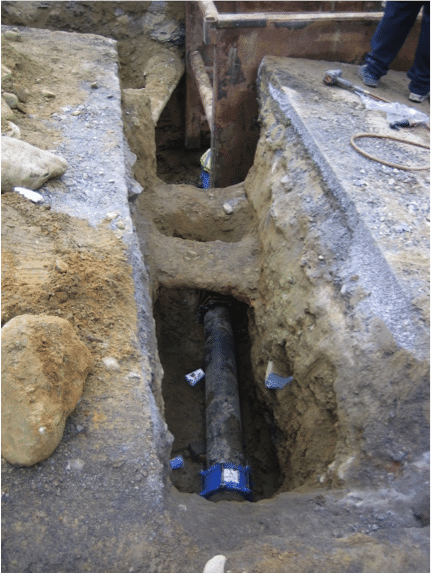
Tata & Howard is assisting the Town of Uxbridge with the design of 18,200 linear feet of 12-inch diameter water main on Route 122 from the Blackstone River to the Northbridge Town boundary. Work includes the preparation of design plans and specifications, permitting with the local Conservation Commission, MESA, and MassDOT, and the preparation of the Drinking Water State Revolving Fund (DWSRF) application, plans, and specifications checklist for the Route 122 water main design.

In addition, Tata & Howard provided design, permitting, and construction administration services for approximately 4,750 and 1,560 linear feet of 20-inch and 12-inch diameter water main, respectively, on Quaker Highway.

Water Treatment Facilities, Canton, MA

Canton MA water treatment facility

The Town of Canton had primarily been relying on water from the Massachusetts Water Resources Authority (MWRA) for a majority of its water supply needs since 2003 due to the poor water quality of their well supplies. In order to reduce the amount of water purchased from MWRA, the Town began investigations of water treatment options for iron and manganese removal. In 2005, Tata & Howard conducted a pilot test using water from Well No. 9 since it represented what was considered the worst water quality particularly with regard to iron concentration. The pilot testing indicated that oxidation with potassium permanganate followed by membrane ultrafiltration would be successful in reducing the elevated levels of iron and manganese to below the Secondary Maximum Contaminant Levels of 0.3 mg/l and 0.05 mg/l, respectively. Based on the results of preliminary pilot testing, a system from Koch Membrane Systems, Inc. (Koch) of Wilmington, Massachusetts was used.

In addition to the pilot study, Tata & Howard performed a feasibility study to determine the best location for a treatment facility for all of their well supplies. The recommended location for a single facility was a Town-owned property between Charles Drive and Pecunit Street adjacent to the Well Nos. 11 and 12 site, requiring the construction of approximately 14,500-feet of transmission main.  Due to the significant cost of the transmission mains, the disruption of traffic throughout the Town from road excavation for construction of those mains, and the unknown cost of the required permitting activities for the transmission mains, the Town decided on the construction of two treatment facilities.

Tata & Howard provided engineering design and construction administration services for two water treatment facilities. Piloting for the projects was completed at two well sites.  The Neponset Street Water Treatment Facility (WTF) has a design capacity of 2.53 mgd. The facility use ultrafiltration with chlorine dioxide for treatment. The Pecunit Street WTF has a design capacity of 0.95 mgd and uses LayneOx with chlorination for treatment. The two treatment facilities allowed the Town to reduce the volume of water purchased by the MWRA.

Water Treatment Facility, Falmouth, MA

Falmouth_Crooked_Pond_Water treatment facility

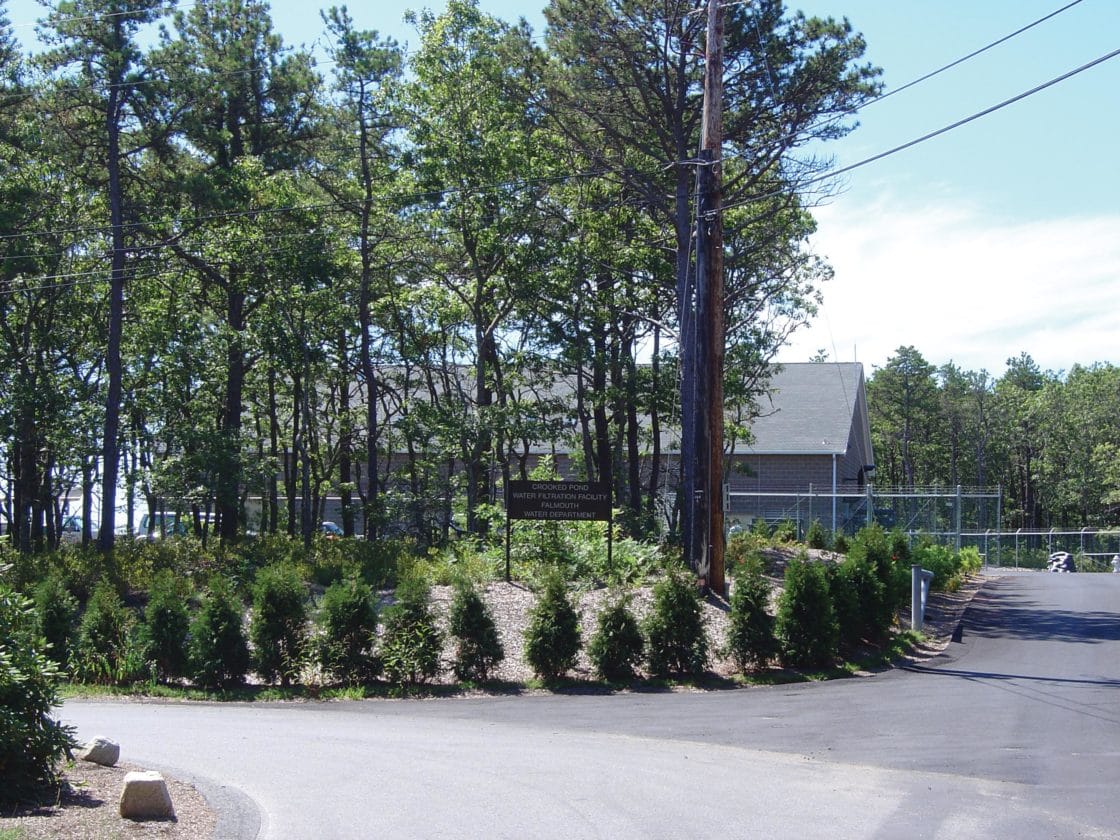
Tata & Howard completed the design of a 3.6 mgd water treatment facility which utilizes air stripping and pressure filtration technology for the removal of iron, manganese and volatile organic compounds (VOCs). The facility includes an air stripping tower, three greensand filtration units, horizontal carbon contactors, chemical storage and feed facilities, gravel pack supply well, finished water storage, and backwash holding tanks.


DAF Water Treatment Facility Construction and Startup

MilfordMA_daf_water_treatment

Tata & Howard provided construction administration, resident observation, and start-up services to the Milford Water Company for the construction of the Dilla Street DAF Water Treatment Facility.  The 5.2 mgd facility treats water from a combination of lake, river, and wells, utilizing dissolved air flotation (DAF) clarifiers and granular activated carbon (GAC) filters. The facility replaced the existing slow-sand and diatomaceous earth (DE) treatment previously utilized to treat the existing surface and groundwater sources, respectively. The facility was required to address and satisfy an Administrative Consent Order (ACO) issued by MassDEP.

Tata & Howard also completed design and oversight of a redundant cast-in-place chlorine contact tank, and has been contracted to provide engineering services for project review and construction oversight for the installation of raw water screens on intakes of both the lake and river sources.  These improvements were mandated by MassDEP as part of the approval of the Dilla Street facility design.

Standpipe Rehabilitation, Oak Bluffs, MA

Oak Bluffs Water District, Oak Bluffs, MA

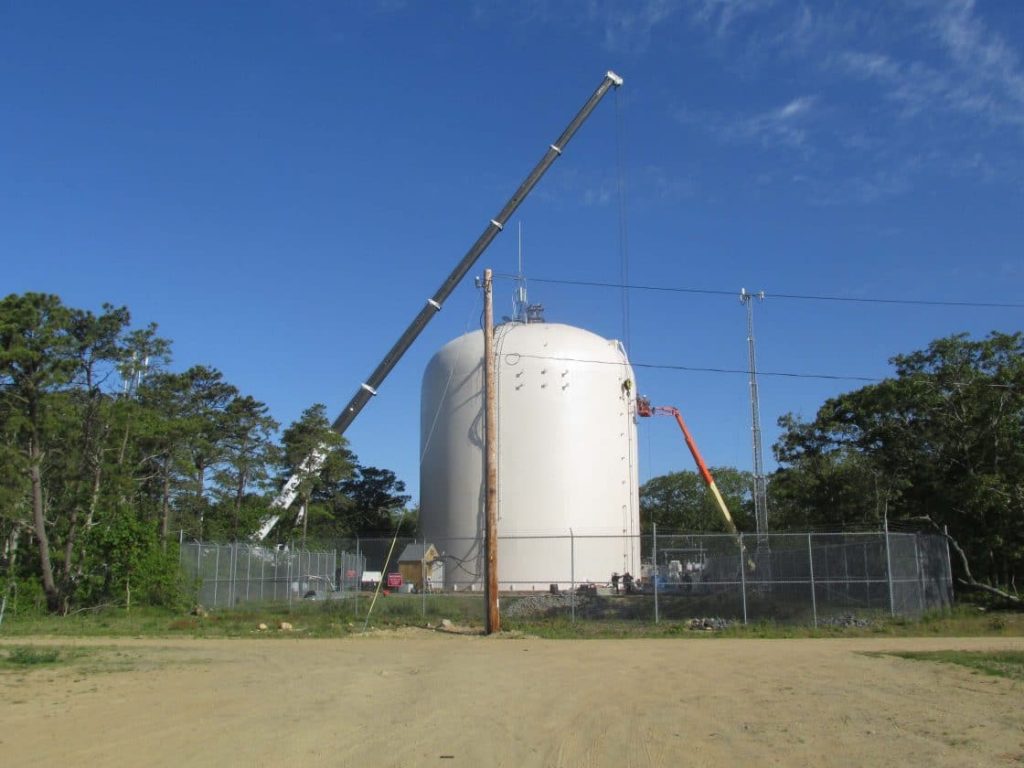
Tata & Howard has provided engineering consulting services for the design, Contract Document preparation, and bid assistance to the Oak Bluffs Water District for the interior and exterior standpipe rehabilitation of the Alpine Avenue Standpipe. We are currently providing construction administration services for the rehabilitation project.

The standpipe has a capacity of 2.0 million gallon and is a welded steel standpipe constructed in 1983. Additional work included removal of a telemetry building attached to the standpipe and design of a precast concrete building to house a tank level transmitter and communications equipment. The standpipe houses cellular carrier equipment and other communications equipment that was considered throughout the design. The Oak Bluffs water system maintains only one water storage tank. To provide adequate storage throughout the completion of the rehabilitation project an interconnection with Edgartown was opened.

Tata & Howard, Inc. coordinated the interconnection opening with the Oak Bluffs Water District, the Edgartown Water Department, and the Massachusetts Department of Environmental Protection. Oak Bluffs is a community that experiences significant demand increases throughout the summer months, therefore there was a very short window for project completion because the limiting weather conditions and increased summer demands.  The project is currently on schedule and within budget.

Water Main Improvement and Design, Newton, MA

Newton, MA

newton_water_main

Since 2009, Tata & Howard has worked with the City of Newton, Massachusetts on water main improvement projects throughout the water system.  In total, the designs have included over seven miles of cleaning and lining and over eight miles of new 8-inch and 12-inch diameter water mains.

Our services have included design, completion of an Opinion of Probable Cost for construction, construction administration and resident observation. Plans were created using available GIS data from the City and field verification. The majority of the work has been funded through MWRA. A recent design included a new 12-inch diameter water main on Washington Street. Work includes cutting concrete panels, backfilling with Controlled Density Fill, and traffic management.


Onsite Wastewater Treatment Facility, Hopkinton, MA

Private Sector — Legacy Farms
Legacy_collage_leachfield_MSB_915v3

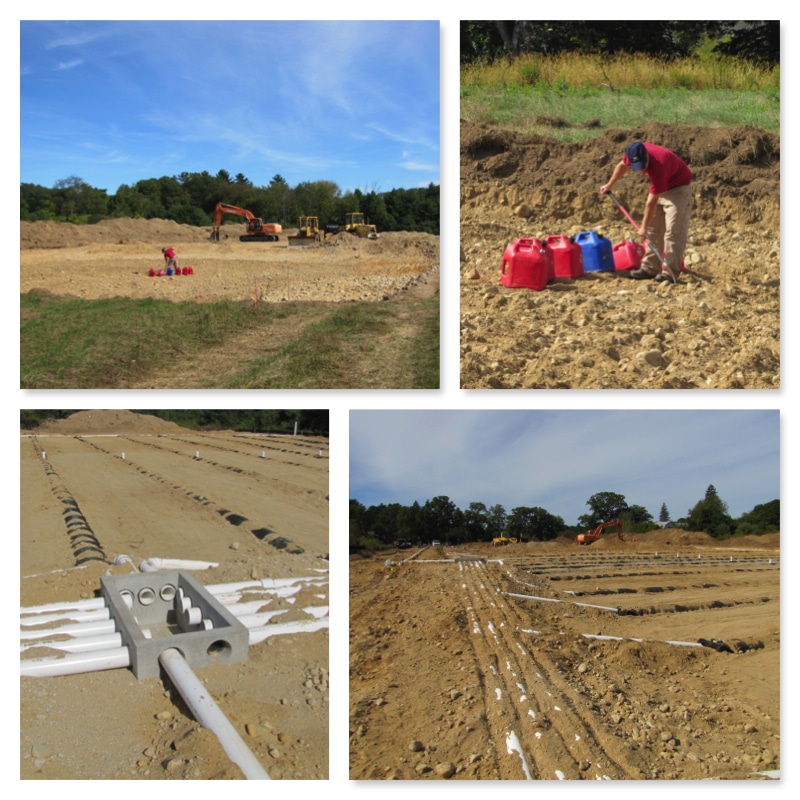
Tata & Howard provided design and construction administration services associated with expansion of the Legacy Farms private wastewater treatment facility and effluent disposal areas.

The project assisted in moving from 115,000 gallons per day (gpd) to 190,000 gpd, which consists of the installation of additional membrane cassettes to increase the capacity from 115,000 gpd to 150,000 gpd, installation of additional membrane modules, installation of mechanical equipment fully redundant at a maximum daily flow of 190,000 gpd, permitting assistance with MassDEP, and the construction of two additional effluent disposal areas. Construction of the first of two new effluent disposal areas is underway, and T&H Project Engineer and Certified Soil Evaluator Matt Barry was recently on-site to conduct a perc test for the second effluent disposal area.

Original Project
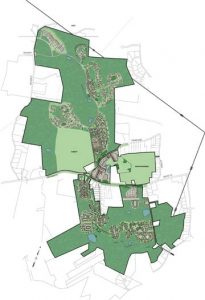
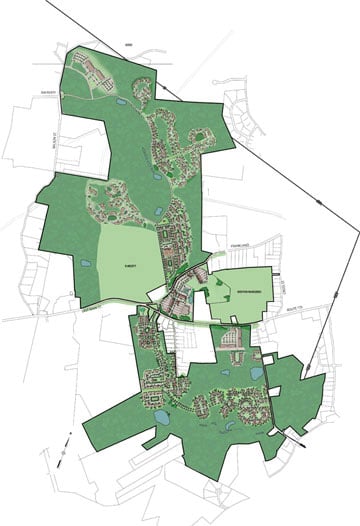
HopkintonMA_LegacyFarms_layoutTata & Howard provided soil investigation and evaluation, preliminary design, and design services for an onsite wastewater treatment facility and disposal system to serve the proposed Legacy Farms mixed-use development in Hopkinton, Massachusetts.

The Legacy Farms development includes a retail village, a commercial district, a variety of residential spaces (apartments, town homes, single-family homes, and multi-family structures) on approximately 733 acres currently used for nursery and agricultural uses. Approximately 940 new dwellings, 450,000 square feet of retail and commercial space, and 500 acres of restored open space will be made available by the project.

Tata & Howard’s services have included development of treatment flows for the full, built-out project, as well as selection and design of the wastewater pumping treatment and disposal systems that were compatible for the site configuration and soils, and that would provide the level of treatment required by the Massachusetts Department of Environmental Protection (MassDEP).  The challenge was satisfied by the design for a phased approach to the construction of a membrane bioreactor (MBR) treatment system, which provides a high level of treatment.

The project includes three submersible pump stations that serve the wastewater treatment facility (influent, recirculation, and effluent disposal) and two submersible pump stations within the development itself.

Disposal of treated effluent at the Legacy Farms site will be managed by a combination of conventional leaching systems and an innovative use of drip irrigation, the first large-scale application of drip irrigation for disposal of treated effluent in the State of Massachusetts.

The success of this project was related to excellent communication between Tata & Howard and the client, and a strong working relationship with MassDEP.